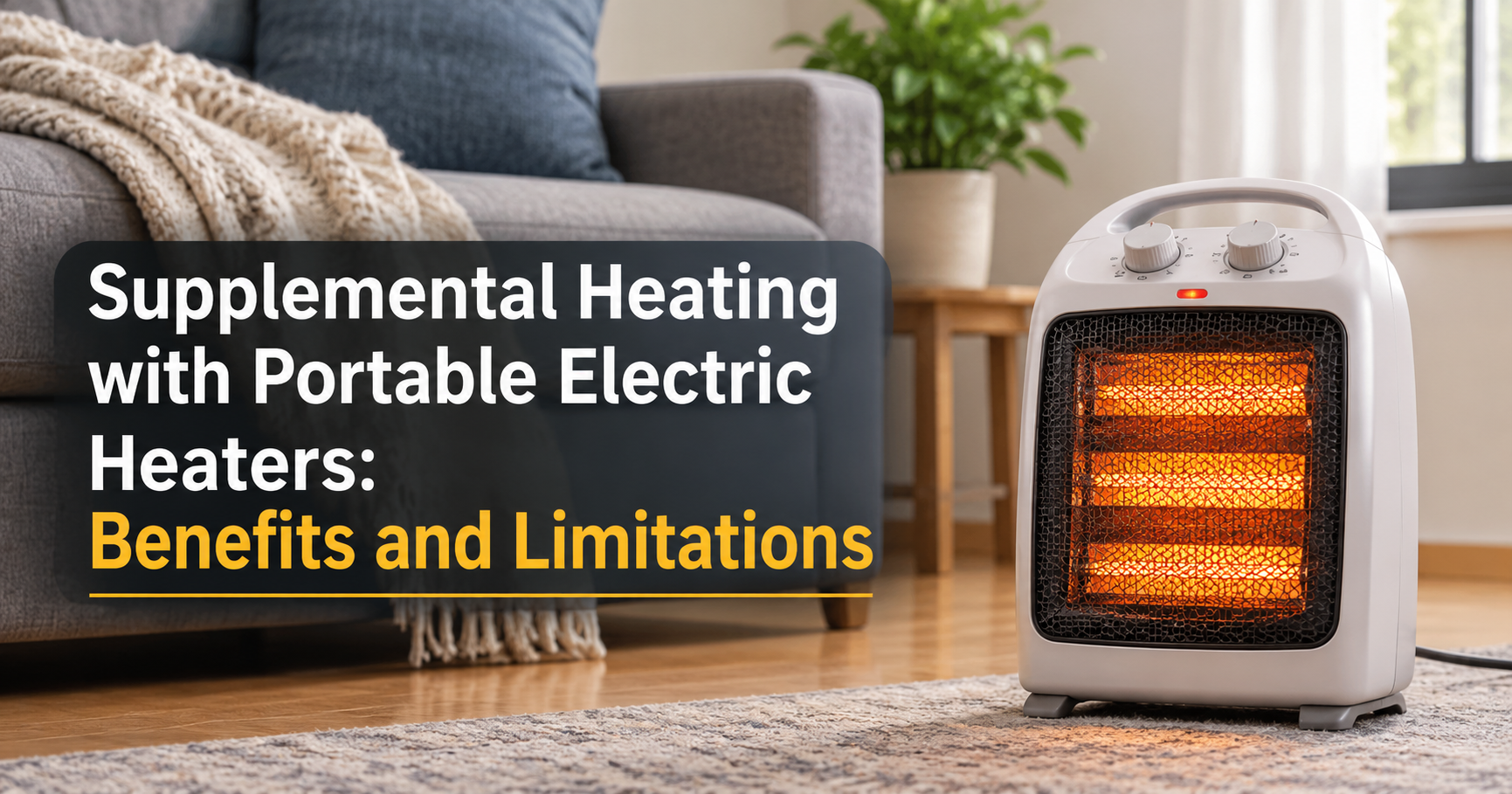
When the weather turns cold, heating an entire home to a comfortable temperature is expensive and often unnecessary. A drafty bedroom, a chilly home office, a basement workshop or a bathroom that never quite warms up are all problems a central system handles poorly. That is exactly where a portable electric heater for supplemental heating earns its place. Used wisely, it delivers warmth where and when you need it, lets you lower the thermostat elsewhere, and requires no installation beyond plugging it in.
This guide explains how supplemental heating works, which heater types suit which situations, how to size a heater correctly, what it really costs to run, and the safety habits that separate a cozy room from a hazard. By the end, you will know exactly what to look for and how to get the most comfort from every unit of electricity.
Quick Takeaways
Match the heater type to the way you use the room, size it at roughly 10 watts per square foot, keep a clear 3-foot zone around it, plug it directly into a wall outlet, and choose a model with tip-over and overheat protection and a thermostat.
What Is Supplemental Heating?
Supplemental heating (also called zone heating or spot heating) means adding a secondary heat source to boost comfort in a specific area, rather than relying only on a furnace, heat pump or central boiler. The idea is simple: warm the person and the small space they occupy, not the entire building.
Common situations where supplemental heat makes sense include:
- A single room that stays colder than the rest of the home because of poor insulation, large windows or distance from the heating source.
- A home office, nursery, craft room or study used for several hours a day.
- Additions, sunrooms, converted garages and basements that are not connected to the main system.
- Rental homes or apartments where you cannot modify the heating system.
- Households that want to lower the main thermostat a few degrees to save energy while staying comfortable in the room they are in.
Why Choose a Portable Electric Heater?
Electric heaters have several practical advantages that make them the most common choice for supplemental heating:
- Nearly 100% conversion efficiency at the point of use. Almost all the electricity a heater draws is converted into heat inside your room, with no flue losses and no combustion by-products.
- No fuel storage or venting. There is no combustion, so there is no need for a chimney, vent pipe or carbon monoxide risk from the heater itself.
- Portability. You can move the unit from room to room, store it in summer and take it with you if you move.
- Low purchase price. Quality models cost far less than installing a new heating system or ductwork.
- Simple controls. Most units offer adjustable thermostats, multiple power settings, timers and remote controls.
The trade-off is that electricity is often more expensive per unit of heat than natural gas or a heat pump. That is why electric heaters work best as a targeted supplement, not as a whole-house replacement.
How Portable Electric Heaters Work
Every electric heater relies on the same principle called resistive heating. Electric current passes through a resistive element such as a coil, ceramic plate or metal fin, and the resistance turns electrical energy into heat. What differs between models is how that heat is delivered to you:
- Convection warms the air, which then circulates through the room.
- Radiation sends infrared energy directly to people and objects, warming them without needing to heat the air first.
- Forced convection uses a fan to push heated air out faster.
Understanding this distinction helps you pick the right tool. Radiant heat feels warm almost instantly on your skin but does little for the room temperature, while convection takes longer but warms the whole space more evenly.
The Main Types of Portable Electric Heaters
1. Ceramic Fan Heaters
These pass air over a hot ceramic element and blow it into the room. They heat up quickly, are compact and are usually the most affordable. They are ideal for small to medium rooms, quick warm-ups and desk use. The downsides are fan noise and the fact that the room cools down quickly once the heater switches off.
2. Oil-Filled Radiator Heaters
A sealed reservoir of thermal oil is heated by an internal element, and the oil keeps the metal fins hot even after the element cycles off. They are silent, deliver gentle even warmth and are well suited to bedrooms and long periods of use. They take longer to warm up and are heavier, though most have wheels.
3. Infrared or Radiant Heaters
These emit infrared waves that warm people and objects directly. They feel hot within seconds, which makes them excellent for garages, workshops, patios and spots where you sit still, such as a desk. They do not heat the air much, so the effect fades quickly when you move out of range.
4. Panel or Convection Heaters
Slim, often wall-mountable or freestanding, panel heaters combine gentle convection with some radiant output. They run quietly, take up little floor space and suit living rooms, bedrooms and offices where a low-profile design matters.
5. Micathermic Heaters
Micathermic models use a thin mica-based panel to produce both convection and radiant heat. They are lighter than oil-filled units, warm up faster and run quietly, making them a good middle ground for living areas.
| Type | Best For | Strengths | Limitations |
|---|---|---|---|
| Ceramic fan | Small rooms, quick boosts | Fast, compact, affordable | Fan noise, heat fades quickly |
| Oil-filled radiator | Bedrooms, long use | Silent, steady, retains heat | Slow to warm up, heavy |
| Infrared / radiant | Garages, workshops, desks | Instant feeling of warmth, targeted | Limited room-wide warming |
| Panel / convection | Living rooms, offices | Slim, quiet, even heat | Moderate speed |
| Micathermic | Living areas | Fast, light, quiet | Higher price than basic fan units |
How to Size a Portable Heater Correctly
Heater size is measured in watts. A widely used guideline is about 10 watts of heating power for every square foot of floor area, assuming a standard 8-foot ceiling and average insulation. A typical full-size portable heater tops out at 1,500 watts, which is enough for roughly 150 square feet.
Adjust the estimate to your circumstances:
- Add power for high ceilings, large windows, uninsulated walls or floors, and rooms above a garage or crawl space.
- Reduce power if the room is small, well insulated or already receives some heat from the central system.
- For larger spaces, do not try to find a more powerful plug-in unit. Standard household outlets are limited, so consider a second heater in a separate zone on a different circuit, or a different heating solution altogether.
For reference, one kilowatt-hour of electricity produces about 3,412 BTU of heat, so a 1,500-watt heater outputs roughly 5,100 BTU per hour. This is true for any resistive electric heater regardless of the brand, which means that a more expensive unit does not necessarily produce more heat. It simply delivers it differently or offers better features.
What Does It Cost to Run a Portable Electric Heater?
The running cost is easy to calculate: multiply the heater’s power in kilowatts by the hours of use and by your electricity price per kilowatt-hour. A 1,500-watt heater uses 1.5 kWh each hour it runs at full power.
A practical example: if your electricity costs 15 cents per kWh and the heater runs the equivalent of 6 full-power hours per day, the daily cost is 1.5 kW × 6 hours × $0.15 = $1.35, or about $40 per month. Because a thermostat-controlled heater usually cycles on and off, the actual number is often lower in a well-sized, insulated room.
Does Supplemental Heating Actually Save Money?
It can. If you lower your central thermostat by a few degrees and heat only the room you occupy, the savings from the central system can outweigh the electricity used by the heater. It works best when the main system is expensive to run, you spend long periods in one room, and the rest of the home can safely stay cooler. It works poorly if you leave the heater running in an empty room or use it to heat a large, leaky space.
Key Features to Look For
Safety Features
- Tip-over protection: shuts the heater off immediately if it is knocked over.
- Overheat protection: cuts power if internal temperatures become unsafe.
- Cool-touch housing: reduces burn risk, especially around children and pets.
- Safety certification: look for a mark from a recognized testing laboratory on the product and packaging.
- Grounded or properly rated plug: and a thick, well-built power cord.
- Moisture protection: models for bathrooms should be specifically rated for damp environments and used according to the manufacturer’s instructions.
Comfort and Control
- Adjustable thermostat: maintains the temperature automatically and reduces energy waste.
- Multiple power settings: usually 750 W and 1,500 W, so you can use less power when full output is not needed.
- Timer: prevents heating an empty room for hours.
- Eco or energy-saving mode: adjusts output automatically to hold the set temperature.
- Oscillation: spreads warm air across a wider area on fan models.
- Remote control and digital display: convenient in bedrooms and living rooms.
Practical Details
- Noise level: especially important in bedrooms and offices.
- Size, weight and handles or wheels: determine how easily you can move it.
- Cord length: long enough to reach a wall outlet without any extension cord.
- Washable or easy-access filter: on models that have one.
Safe Placement and Electrical Guidelines
Portable heaters are a leading cause of home heating fires, and nearly all of those incidents trace back to a handful of avoidable mistakes. Follow these rules every time.
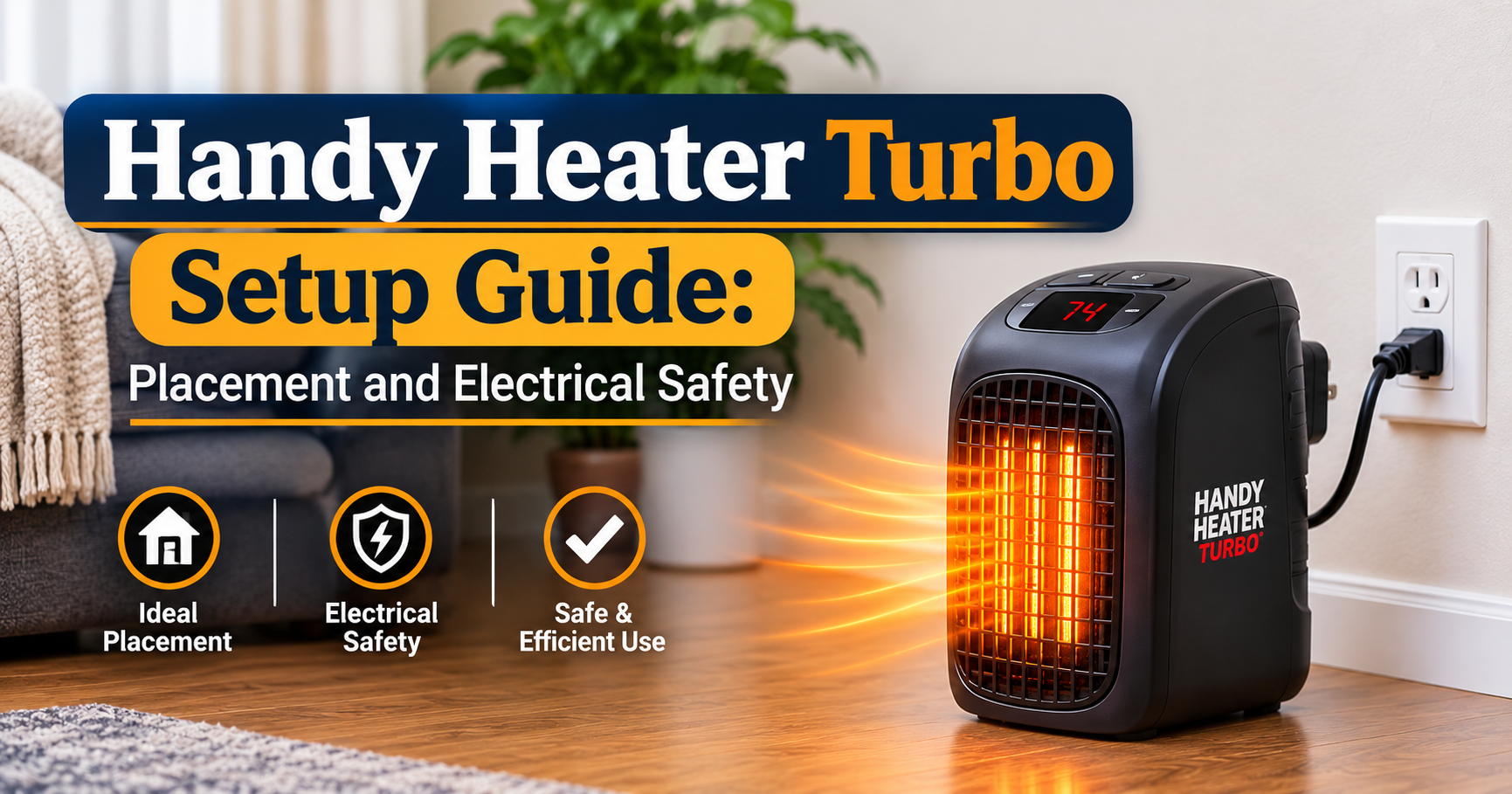
- Keep a 3-foot clearance from curtains, bedding, furniture, paper, clothing and anything flammable.
- Place the heater on a hard, flat, level surface. Avoid placing it on soft surfaces or uneven floors where it could tip.
- Plug directly into a wall outlet. Avoid extension cords and power strips, which can overheat under the heavy load a heater draws.
- Do not share the circuit. A 1,500-watt heater uses most of a standard 15-amp circuit’s safe continuous capacity, so avoid running other high-draw appliances on the same circuit at the same time.
- Inspect the plug and cord regularly. If the plug or outlet feels hot, discolored or loose, stop using the heater and have the outlet checked by a qualified electrician.
- Never cover the heater or use it to dry clothes, towels or shoes.
- Never leave it running unattended in a room where nobody is present, and do not run it while sleeping unless the model has been designed for that and you follow its instructions.
- Keep it away from water. Never use a heater where it could fall into or be splashed by water unless it is specifically rated for that environment.
- Keep children and pets away. Create a physical barrier or place the heater in an area they cannot reach.
- Install working smoke alarms and carbon monoxide alarms in the home as a general safeguard, even though electric heaters themselves do not produce carbon monoxide.
Important Safety Note
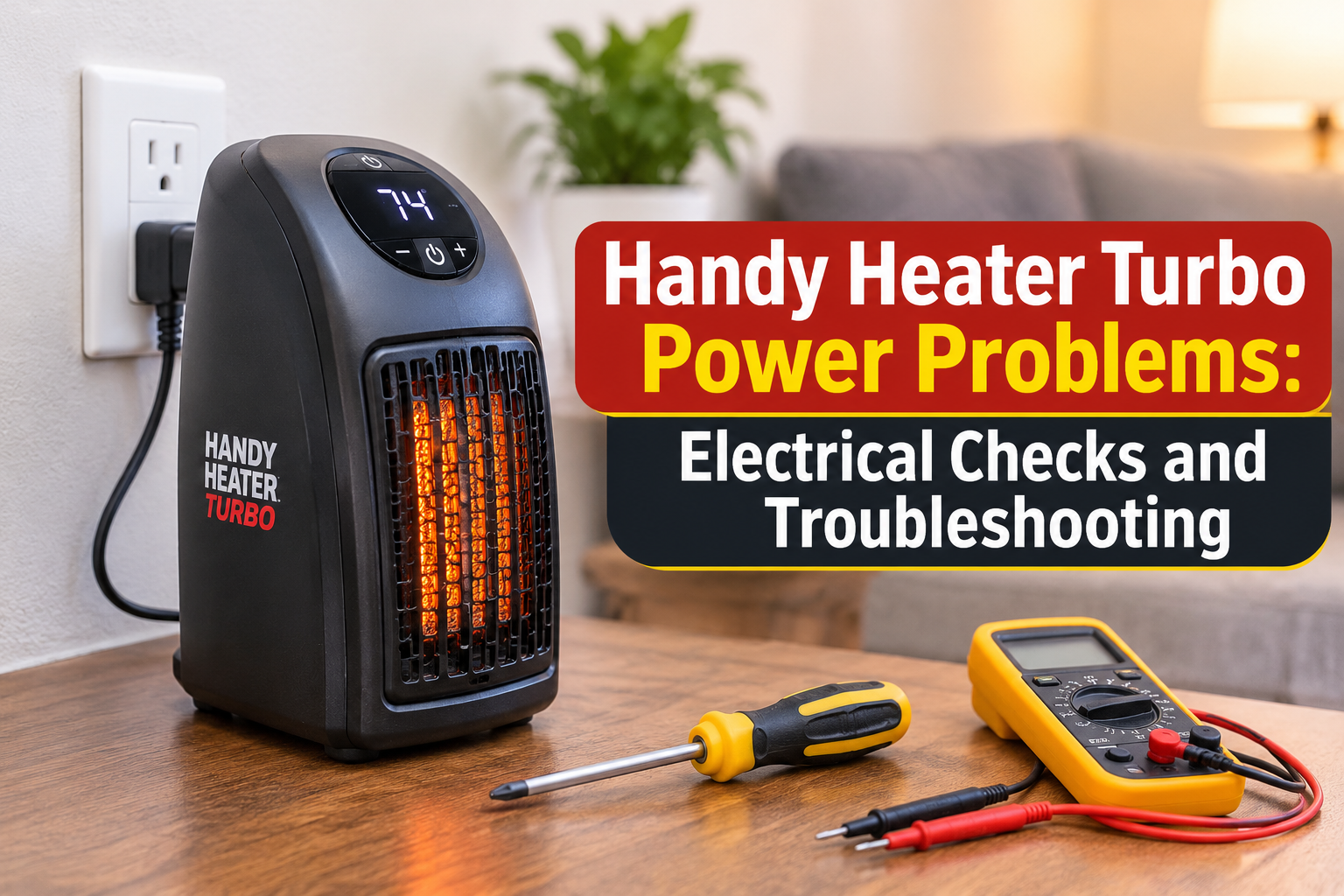
If a heater trips the circuit breaker repeatedly, emits a burning smell, sparks, or has a damaged cord, stop using it immediately. Repeated tripping is a sign that the circuit is overloaded or that the heater is faulty. Do not simply reset the breaker and keep going.
Smart Strategies for Better Supplemental Heating
- Close the door. Heating a single closed room is far more efficient than heating an open-plan space.
- Seal the leaks first. Weatherstripping, draft stoppers under doors and heavy curtains on windows can improve comfort as much as extra wattage.
- Use the thermostat, not just the power switch. Setting a target temperature prevents overheating and wasted electricity.
- Position the heater thoughtfully. Place it on the cold side of the room, near a window or exterior wall, so warm air counters the drafts.
- Combine with warm clothing and bedding. A warm layer lets you set the heater lower and still feel comfortable.
- Use a timer. Pre-warm the room before you arrive, then let it turn off when you leave.
- Lower the central thermostat. This is where the real savings come from. Do not heat the heater room and the whole house at the same time.
- Match the heater to the activity. Radiant units for sitting at a desk or working in a garage, oil-filled units for all-night bedroom warmth.
Maintenance and Care
A little upkeep keeps a heater safer and more efficient for many seasons:
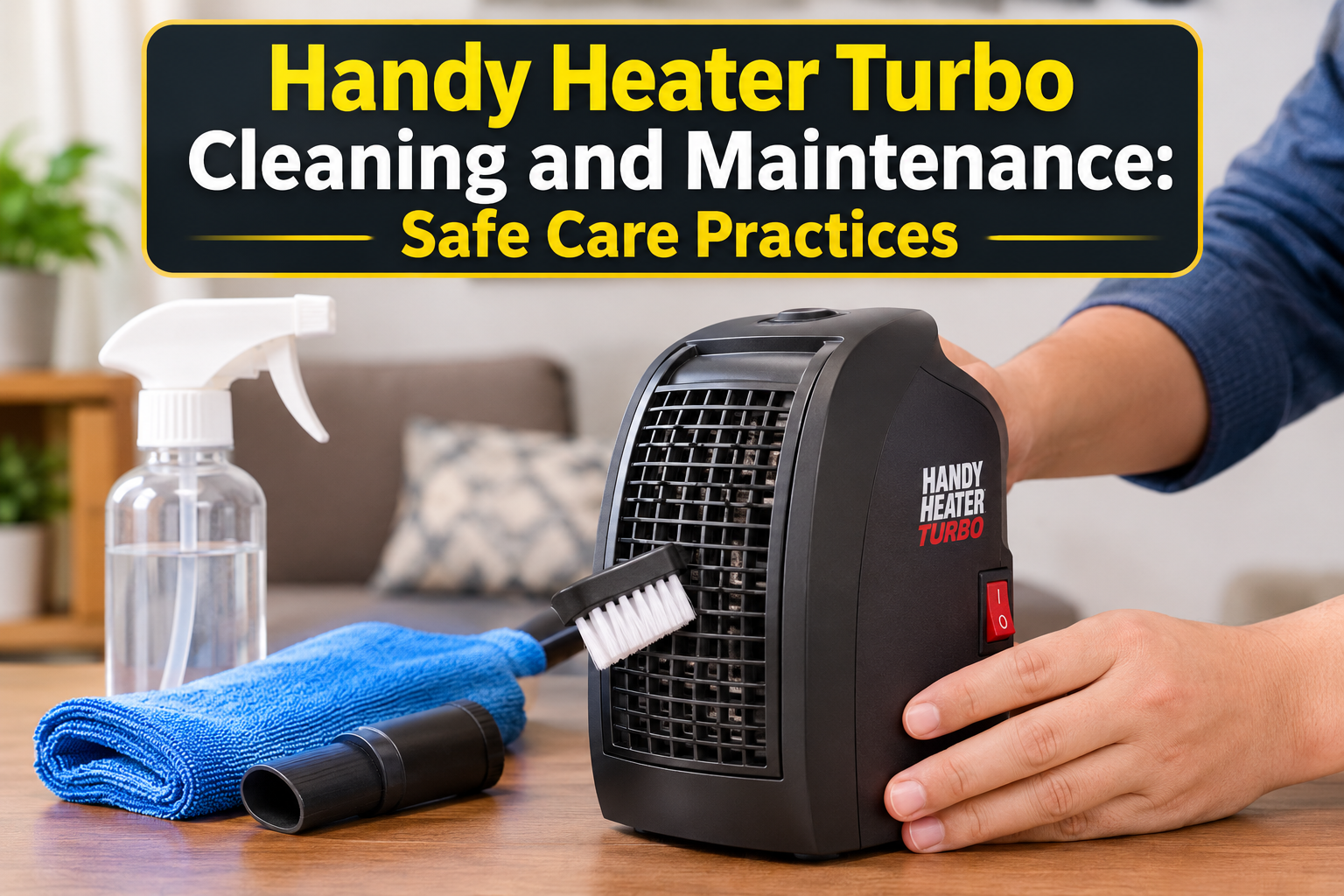
- Unplug and let the unit cool completely before any cleaning.
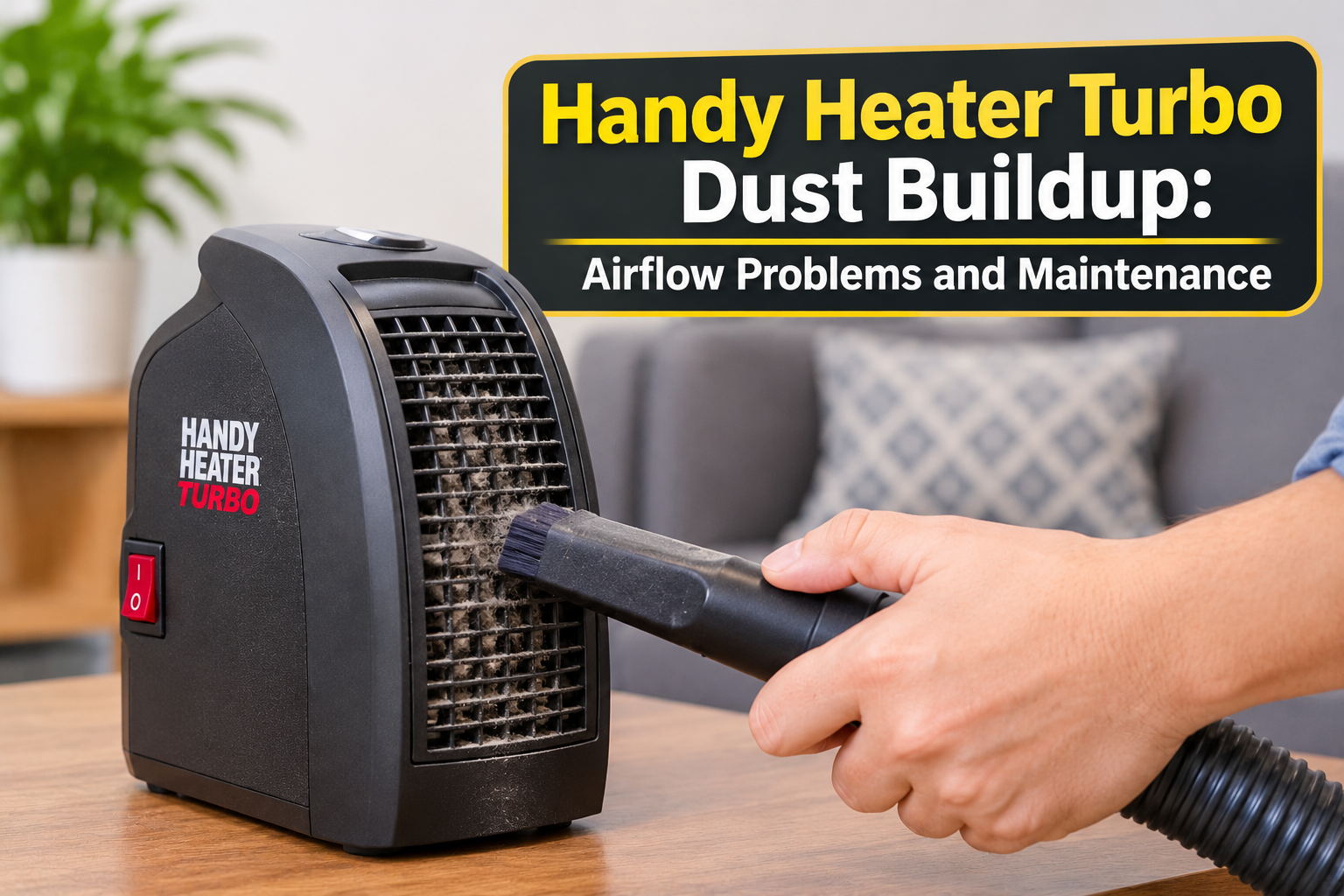
- Remove dust from grilles, vents and fans with a soft brush or vacuum. Dust buildup can produce odors and reduce airflow.
- Wipe the exterior with a slightly damp cloth, and never use water on electrical parts.
- Check the plug and cord for wear, kinks or damage before every heating season.
- Store in a dry place, ideally in its original box, during the warm months.
- Never attempt to open a sealed oil-filled radiator. If it leaks or stops working, replace it.
Common Mistakes to Avoid
| Mistake | Why It Matters | Better Approach |
|---|---|---|
| Using an extension cord or power strip | Can overheat and cause fires | Plug directly into a wall outlet |
| Oversizing or undersizing the heater | Wastes power or fails to warm the room | Use about 10 W per sq ft as a baseline |
| Placing it too close to curtains or furniture | Major fire risk | Keep a 3-foot clear zone |
| Heating a large open space | High cost, poor results | Heat a closed room or a specific zone |
| Ignoring the thermostat | Overheating and higher bills | Set a target temperature or timer |
| Leaving it on while away | Waste and safety risk | Use a timer and switch off when leaving |
Frequently Asked Questions
Which type of portable electric heater is best for supplemental heating?
There is no single best type. Oil-filled and panel heaters suit bedrooms and long use, ceramic fan heaters suit quick warm-ups in small rooms, and infrared heaters suit garages, workshops and desk areas where you need immediate warmth.
How many watts do I need to heat a room?
Plan on about 10 watts per square foot. A 150-square-foot room usually needs around 1,500 watts, assuming normal ceiling height and reasonable insulation.
Are electric heaters expensive to run?
A 1,500-watt heater costs 1.5 times your per-kWh electricity rate for every hour at full power. Thermostat cycling reduces real cost, and the savings are greatest when you reduce central heating in the rest of the home.
Is a 750-watt heater as efficient as a 1,500-watt heater?
Both convert virtually all electricity into heat. The difference is output speed and the area they can warm, not efficiency. A smaller unit is fine for a small room, but it will struggle in a large one.
Can I use a portable heater in a bathroom?
Only if it is specifically designed and rated for use in damp locations, and only according to the manufacturer’s instructions. Never place a standard heater where it could contact water.
Is it safe to leave a heater on overnight?
Many safety organizations advise against leaving portable heaters running while you sleep or when nobody is in the room. If you choose to use one overnight, follow the manufacturer’s guidance, choose a model with full safety protections and a timer, and observe all clearance rules.
Do electric heaters use more electricity than central heating?
Per unit of heat, electric resistance heating is usually more costly than gas heat or a heat pump. A portable heater saves money only when it replaces heating for the whole house, not when it adds to it.
Why does my heater trip the breaker?
Most often the circuit is overloaded because other appliances share it, or the outlet or wiring has a problem. Move the heater to a different circuit, make sure nothing else heavy is running, and call an electrician if tripping continues.
Final Thoughts
A portable electric heater for supplemental heating is one of the most flexible and affordable ways to improve comfort in a cold room. The right choice depends on how you use the space: a silent oil-filled radiator for the bedroom, a quick ceramic fan unit for a small bathroom or office, or an infrared model for the workshop. Size it sensibly, give it room to breathe, plug it directly into the wall, and rely on the thermostat and timer to avoid waste.
Most importantly, treat it as a targeted tool rather than a whole-house solution. Warm the room you are in, lower the thermostat everywhere else, seal the drafts, and follow the safety rules every single time. Done properly, supplemental heating keeps you comfortable all winter without letting your energy bills or your safety take the hit.