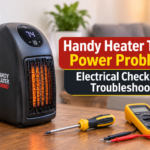


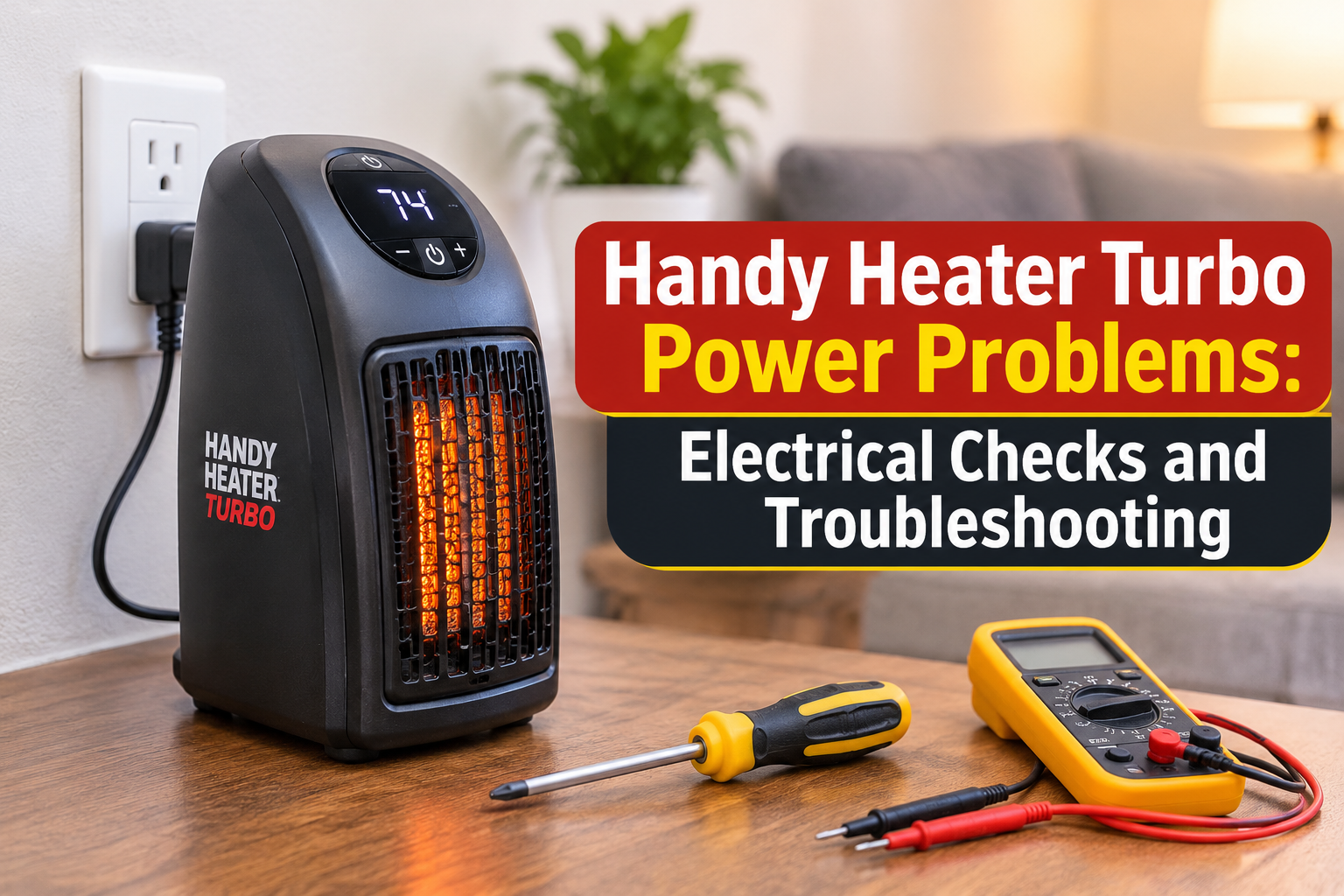
Power problems can make a portable electric heater frustrating to use, especially when it suddenly stops working, fails to turn on, or loses power during operation. If your Handy Heater Turbo is experiencing power-related issues, the cause may be as simple as a loose electrical connection or an unsuitable outlet. In other situations, an internal component, overheating protection system, or electrical fault may be responsible.
Understanding the possible causes can help you identify basic problems and determine when professional assistance is necessary. This guide explains common Handy Heater Turbo power problems, safe troubleshooting steps, warning signs, and practical maintenance tips to help you use the heater more safely.
Understanding Handy Heater Turbo Power Problems
Power problems can appear in several different ways. The heater may not respond when you press the power button, the display or indicator light may remain off, or the unit may switch off unexpectedly. Sometimes, the heater appears to receive electricity but does not operate consistently.
Before troubleshooting, identify exactly what is happening. Different symptoms can point toward different causes.
Common Signs of Power Problems
- Heater will not turn on: The unit does not respond when you press the power button.
- No indicator light or display: The control panel appears completely inactive.
- Unexpected shutdown: The heater loses power while operating.
- Intermittent operation: The unit turns on and off without a clear reason.
- Unresponsive controls: The buttons do not appear to respond normally.
- Power connection problems: The heater works only when the electrical connection is positioned differently.
These symptoms do not automatically mean that the heater is permanently damaged. However, repeated power interruptions or unusual electrical behavior should never be ignored.
Common Causes of Handy Heater Turbo Power Problems
1. Loose or Unstable Electrical Connection
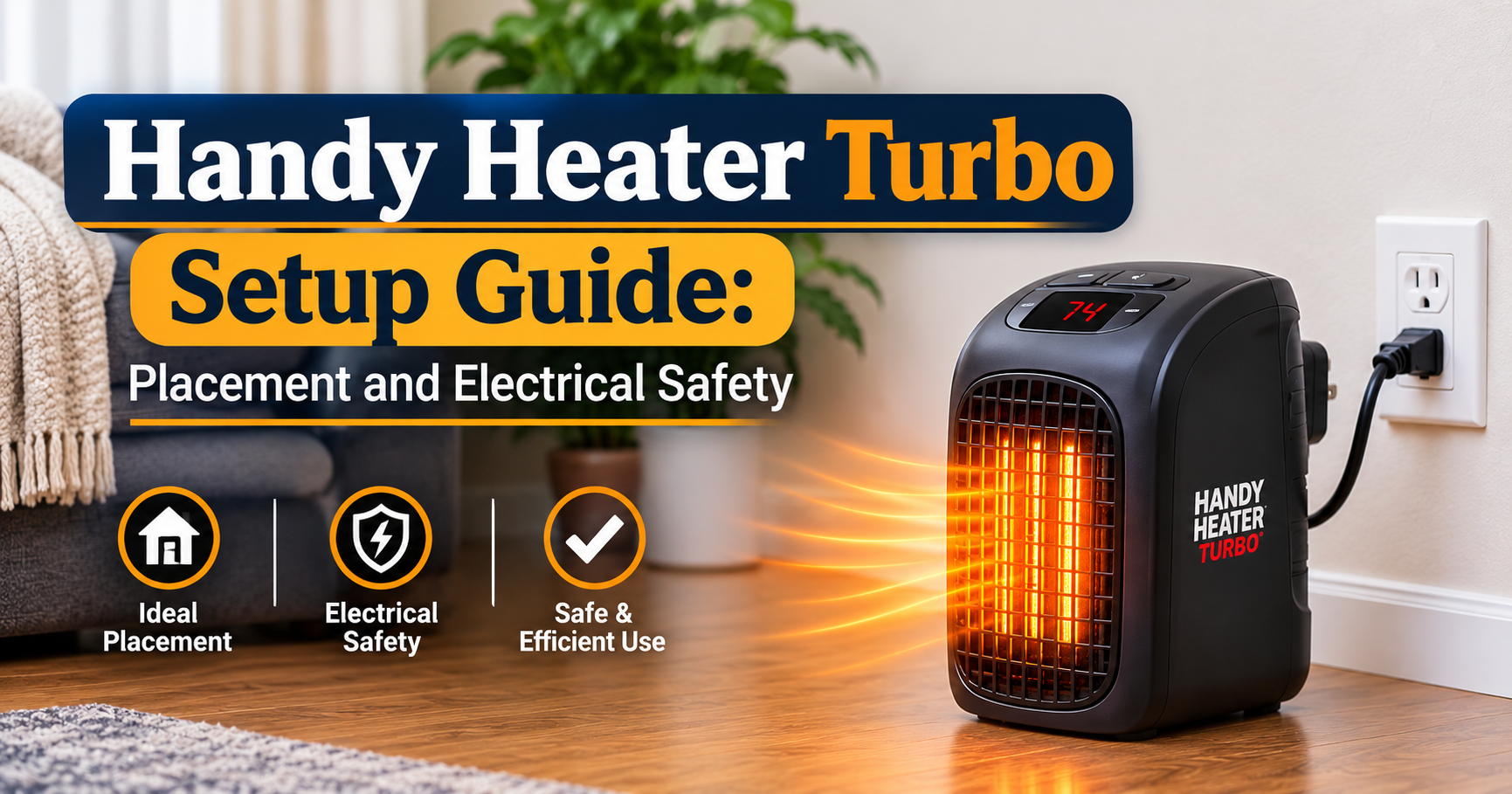
A loose electrical connection is one possible reason a portable heater may fail to receive consistent power. If the plug is not properly connected to the wall outlet, the unit may not turn on or may lose power unexpectedly.
Electrical connections can also become unreliable when an outlet is damaged, worn, or unable to maintain proper contact.
What to check:
- Make sure the heater is connected directly to a suitable wall outlet.
- Check whether the outlet appears loose or damaged.
- Look for visible damage around the plug and power connection.
- Do not repeatedly move or manipulate a loose plug to keep the heater operating.
If the outlet or plug feels unusually hot, produces sparks, or shows signs of damage, stop using it and have the electrical problem inspected by a qualified professional.
2. Tripped Circuit Breaker or Overloaded Electrical Circuit
Portable electric heaters draw electrical power while operating. If several high-power appliances share the same circuit, the electrical load may become too high and cause the circuit breaker to trip.
A tripped breaker can interrupt power to the outlet, making the Handy Heater Turbo appear completely unresponsive.
Possible signs include:
- The heater suddenly stops working.
- Other electrical devices connected to the same circuit also lose power.
- The circuit breaker moves to the tripped position.
- The heater works again after the electrical supply is restored.
What to do: Turn off and unplug the heater. Check whether the circuit breaker has tripped. If you are unsure how to inspect the electrical panel safely, contact a qualified electrician. Never repeatedly reset a breaker that continues to trip, and do not operate the heater on an overloaded circuit.
3. Overheating Protection Activation
Many portable electric heaters include an overheating protection system designed to interrupt operation when internal temperatures become too high. This safety feature helps reduce the risk of damage caused by excessive heat.
If airflow is restricted or the heater becomes too hot, its protection system may shut down the unit. Depending on the design, the heater may remain off until it has cooled sufficiently.
Common contributing factors include:
- Blocked air intake or outlet openings.
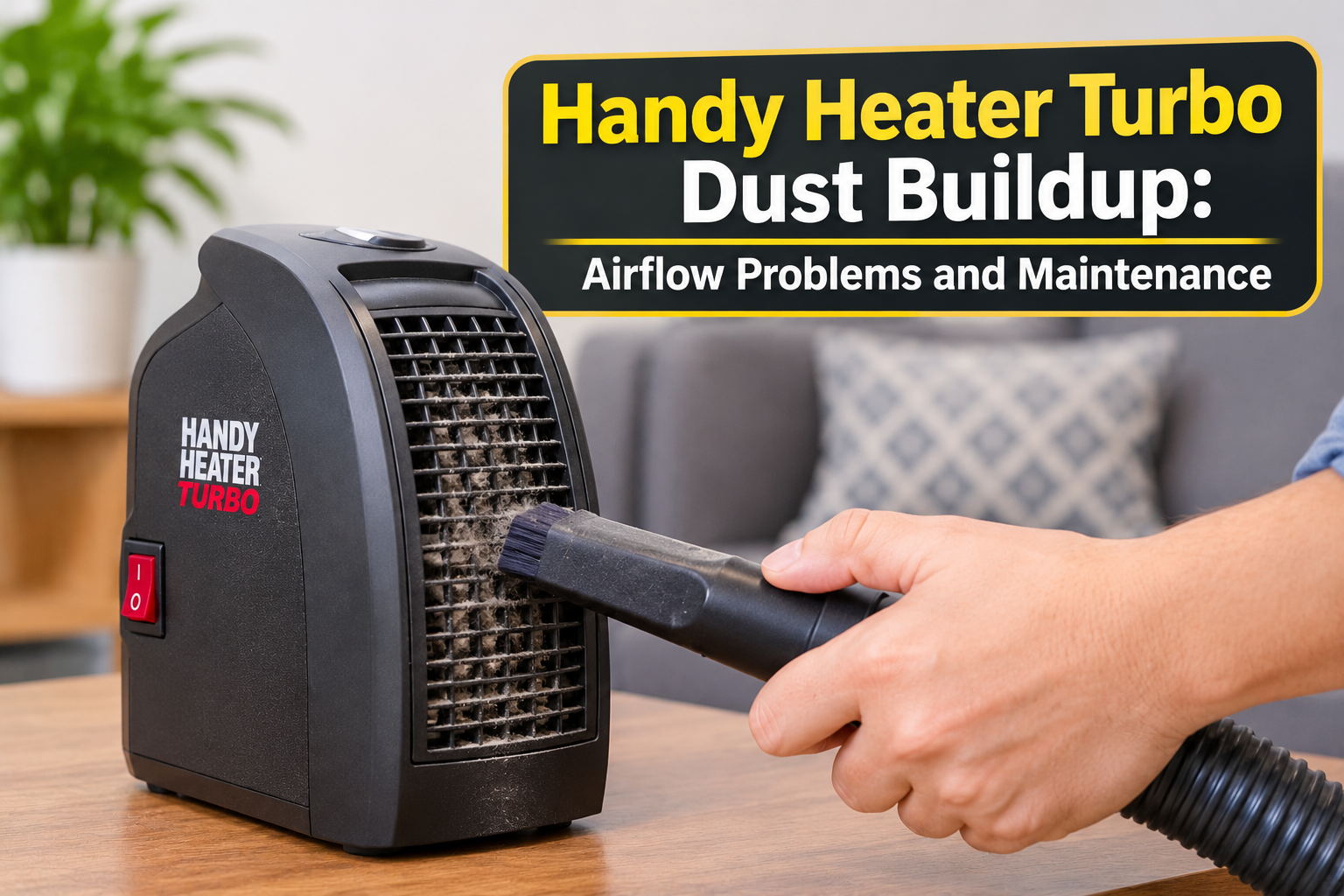
- Dust accumulation around ventilation areas.
- Insufficient clearance around the heater.
- Placement too close to furniture, curtains, bedding, or other objects.
- Restricted ventilation during operation.
Safe solution: Switch off and unplug the heater. Allow it to cool completely. Check the ventilation openings for visible dust or obstructions and make sure the surrounding area is clear.
Do not bypass, remove, or attempt to repair the overheating protection system yourself. If the heater repeatedly shuts down because of suspected overheating, stop using it until it has been inspected.
4. Damaged Power Plug or Electrical Cord
A damaged plug or electrical connection can prevent a heater from receiving a stable power supply. Even a small amount of damage can create an electrical safety risk.
Although some portable heaters have integrated plug designs rather than separate cords, the same safety concerns apply to their electrical connection components.
Warning signs include:
- Cracks or discoloration around the plug.
- Burn marks or melted plastic.
- A burning smell during operation.
- Sparking or unusual electrical noises.
- Visible damage to the electrical connection.
Important: If you notice any of these signs, disconnect power only if it is safe to do so. Do not touch damaged electrical components, continue operating the heater, or attempt a DIY repair. Arrange professional inspection or replacement as appropriate.
5. Faulty Wall Outlet
Sometimes, the heater itself is not responsible for the power problem. A defective wall outlet may fail to supply electricity consistently.
An outlet can become unreliable because of worn internal contacts, loose wiring, overheating, or other electrical faults.
Safe checks:
- Turn off and unplug the heater.
- Visually inspect the outlet for cracks, discoloration, or signs of overheating.
- If there are no warning signs, have the outlet checked by a qualified electrician if you suspect a fault.
- Do not use an outlet that feels loose, becomes hot, or produces sparks.
Never test a suspected faulty outlet by repeatedly plugging and unplugging the heater. Avoid using extension cords, power strips, or adapters to work around an unsuitable outlet.
6. Internal Electrical Component Failure
If the outlet and external connection are working correctly but the heater remains completely unresponsive, an internal electrical fault may be responsible.
Possible problems can involve internal wiring, switches, electronic controls, or other electrical components. These parts are not designed for casual user repairs.
Possible symptoms include:
- The heater does not respond despite a suitable power supply.
- The control panel behaves inconsistently.
- The unit switches off without an obvious external cause.
- Unusual sounds or smells appear during operation.
Internal electrical problems should be inspected by an appropriately qualified repair professional or the manufacturer’s authorized service provider. Do not open the heater or attempt to replace internal components yourself.
7. Control Panel or Power Button Malfunction
In some cases, the heater may receive electricity but fail to respond because of a problem with its control panel or power button.
A malfunctioning control can make the unit appear to have no power even when the electrical outlet is functioning correctly.
What to check:
- Check whether the power button is visibly damaged.
- Look for signs of moisture or contamination around the controls.
- Make sure you are following the operating instructions supplied with the heater.
- Observe whether any indicator lights or display elements respond.
Do not press buttons forcefully or introduce liquids into the control area. If the controls remain unresponsive, contact the manufacturer or a qualified service professional.
Handy Heater Turbo Power Problems: Troubleshooting Guide
The following table summarizes common symptoms, possible causes, and recommended actions. These are general troubleshooting possibilities rather than confirmed diagnoses of a specific heater.
| Problem | Possible Cause | Recommended Action |
|---|---|---|
| Heater will not turn on | Power supply or outlet problem | Check the electrical supply and outlet condition. |
| No indicator light | No power or possible internal fault | Inspect the external connection and seek professional help if necessary. |
| Sudden shutdown | Overheating or interrupted power | Unplug, allow cooling, and check for blocked ventilation. |
| Intermittent operation | Unstable connection or electrical fault | Stop using the unit if the connection appears damaged or unreliable. |
| Breaker keeps tripping | Circuit overload or electrical fault | Stop using the heater and consult a qualified electrician. |
| Controls do not respond | Possible control panel malfunction | Check the operating instructions and arrange professional inspection. |
Step-by-Step Guide to Troubleshooting Handy Heater Turbo Power Issues
If your heater is not turning on or is experiencing inconsistent power, follow these basic checks in order. These steps are limited to external inspection and normal user-level operation.
Step 1: Switch Off and Disconnect the Heater
Before inspecting the unit, switch it off and unplug it from the wall outlet if it is safe to do so. Allow the heater to cool completely before checking its exterior or ventilation openings.
Never inspect or clean electrical components while the heater is connected to power.
Step 2: Inspect the Plug and Connection
Look for visible cracks, discoloration, melting, or other signs of damage around the plug and electrical connection. If you notice damage, stop using the heater and arrange professional assistance.
Do not attempt to repair damaged plugs, wiring, or electrical contacts with tape or other temporary materials.
Step 3: Check the Wall Outlet
Make sure the electrical outlet is suitable for the heater and is not visibly damaged. If the outlet is loose, unusually hot, discolored, or sparking, do not use it.
A qualified electrician can check whether the outlet and circuit are providing a safe electrical supply.
Step 4: Check the Circuit Breaker
If the heater suddenly stopped working, a tripped circuit breaker may have interrupted the power supply. Check whether other devices on the same circuit have also lost power.
If the breaker continues to trip, do not keep resetting it. Leave the heater disconnected and have the electrical circuit inspected.
Step 5: Check for Blocked Airflow
Inspect the heater’s air intake and outlet openings for visible dust or obstructions. Keep curtains, furniture, bedding, and other objects away from the unit.
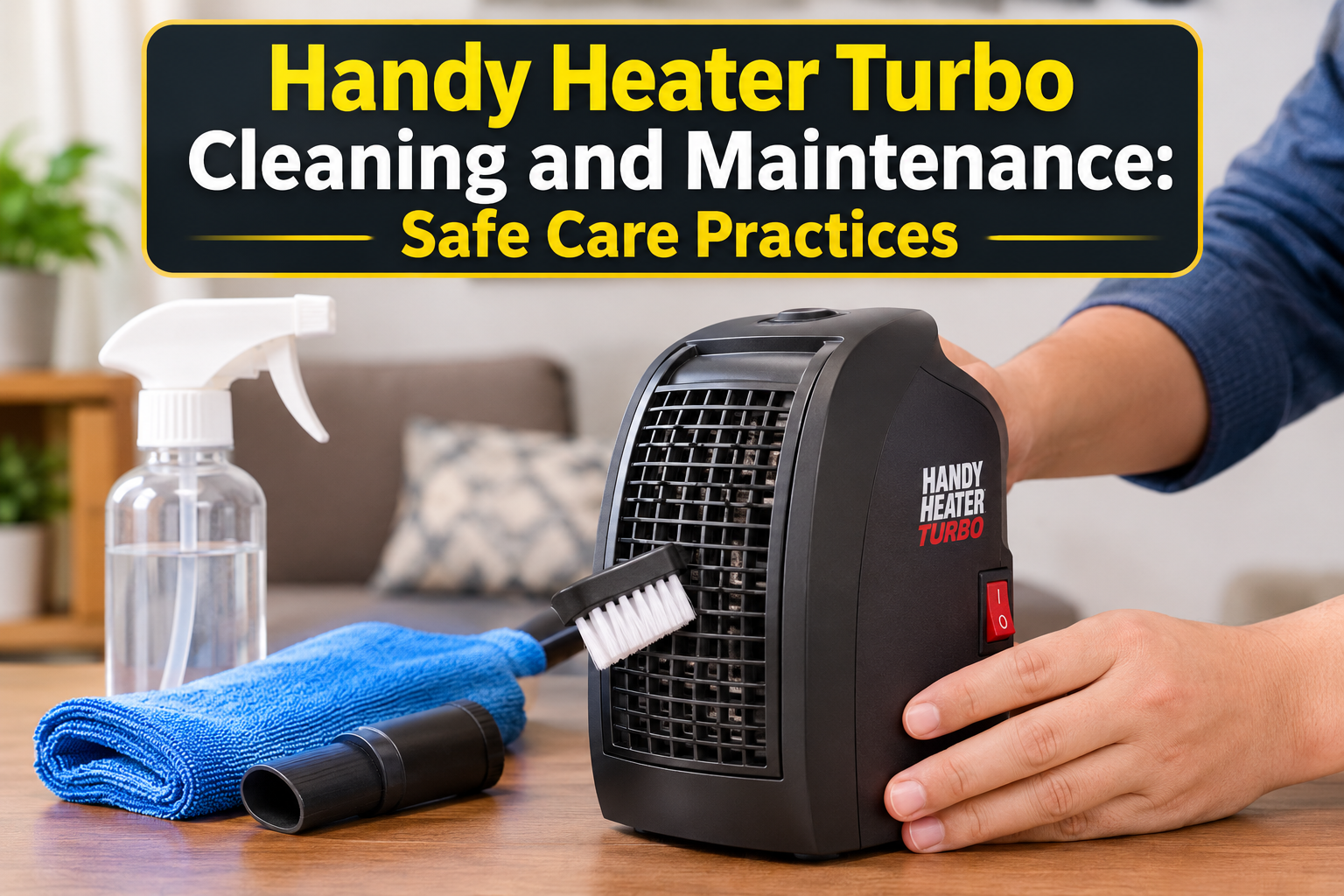
Clean only the accessible exterior and ventilation areas according to the manufacturer’s instructions. Never insert tools or objects into the heater.
Step 6: Allow the Heater to Cool
If the heater shut down after becoming unusually hot, leave it disconnected until it has cooled completely. Once cool, check whether ventilation openings are clear.
If overheating or unexpected shutdowns happen again, discontinue use and seek professional inspection rather than repeatedly restarting the unit.
Step 7: Contact the Manufacturer or a Qualified Technician
If the external power supply appears normal but the heater still does not work, the issue may involve internal electrical components or controls.
At this stage, further DIY troubleshooting is not recommended. Contact the manufacturer, seller, or an authorized repair provider for guidance.
How to Prevent Handy Heater Turbo Power Problems
Although not every electrical problem can be prevented, proper operation and routine care may reduce the likelihood of avoidable issues.
Use a Suitable Wall Outlet
Connect the heater directly to a properly rated wall outlet that meets the manufacturer’s electrical requirements. Avoid extension cords, power strips, and multi-plug adapters unless the manufacturer explicitly permits a specific arrangement.
Keep Ventilation Open
Make sure air can circulate freely around the heater. Do not cover the unit or place objects over its air intake and outlet openings.
Clean the Exterior Regularly
Dust can accumulate around ventilation openings over time. Disconnect the heater and allow it to cool before cleaning accessible exterior surfaces according to the product instructions.
Avoid Overloading Electrical Circuits
Do not operate several high-power appliances on the same circuit if doing so could exceed its safe capacity. If you frequently experience breaker trips, ask an electrician to assess the circuit.
Inspect the Heater Before Use
Check the plug, housing, controls, and visible electrical connections for signs of damage. Do not operate a heater that has cracked components, melted plastic, a burning smell, or other warning signs.
Follow the Manufacturer’s Instructions
Different heater models can have different electrical requirements, operating limits, and safety features. Always refer to the instructions for your exact Handy Heater Turbo model rather than assuming that all portable heaters work in the same way.
Safety Precautions When Troubleshooting Power Problems
Electrical troubleshooting requires caution. Portable heaters combine electricity and high temperatures, so even a seemingly minor problem can create a safety risk.
- Always disconnect the heater before cleaning or inspecting it.
- Never touch damaged electrical connections or exposed wiring.
- Do not open the housing or attempt internal repairs.
- Never bypass thermal protection or other built-in safety systems.
- Do not use a damaged plug, outlet, or electrical connection.
- Keep the heater away from water and damp locations unless the exact model is specifically rated for that environment.
- Maintain the clearances specified in the manufacturer’s instructions.
- Never cover the heater or block its ventilation openings.
- Do not leave a malfunctioning heater operating unattended.
Warning Signs That Require Immediate Attention
Some symptoms indicate that the heater should no longer be used until it has been inspected.
- Burning or melting plastic smell.
- Sparks near the plug or outlet.
- Smoke coming from the heater.
- Repeated circuit breaker trips.
- Unusually hot plug or outlet.
- Cracked housing or visible electrical damage.
- Repeated unexpected shutdowns accompanied by unusual heat or noise.
If smoke or fire occurs, keep away from the appliance, disconnect the electrical supply only if it is safe, and contact emergency services. Never pour water onto an energized electrical appliance.
When Should You Seek Professional Repair?
Basic external checks can help identify simple power supply issues. However, some problems require professional attention. Knowing when to stop troubleshooting is an important part of electrical safety.
| Situation | Recommended Response |
|---|---|
| Heater remains unresponsive after basic external checks | Contact the manufacturer or an authorized repair provider. |
| Damaged plug or electrical connection | Stop using the heater and arrange professional inspection. |
| Repeated overheating or shutdowns | Discontinue use until the cause has been identified. |
| Circuit breaker repeatedly trips | Have the circuit and appliance inspected by a qualified electrician or technician. |
| Smoke, sparks, or burning smell | Stop using the heater immediately and seek appropriate emergency or professional assistance. |
Pros and Cons of Basic Power Troubleshooting
Simple external checks can help identify some common problems without opening the appliance. However, they also have limitations.
| Advantages | Limitations |
|---|---|
| Can help identify basic power supply issues. | Cannot diagnose every internal electrical fault. |
| May reveal blocked ventilation or visible damage. | Internal repairs require appropriate technical skills. |
| Encourages safer operating habits. | Repeated testing can be dangerous when an electrical fault exists. |
| Can help determine when professional assistance is needed. | A qualified technician may still be required to identify the actual cause. |
Frequently Asked Questions (FAQs)
1. Why is my Handy Heater Turbo not turning on?
Possible causes include a faulty wall outlet, an interrupted power supply, a tripped circuit breaker, or an internal electrical problem. Check the external connection and outlet condition first. If everything appears normal but the heater remains unresponsive, seek professional assistance.
2. Why does my Handy Heater Turbo keep losing power?
Repeated power interruptions may be caused by an unstable electrical connection, circuit overload, overheating protection activation, or an internal fault. Stop using the heater if the problem continues, especially if you notice unusual heat, smells, or electrical noises.
3. Can overheating cause Handy Heater Turbo power problems?
Yes. Some portable heaters use thermal protection systems that interrupt operation when internal temperatures become too high. Restricted airflow, dust accumulation, and insufficient clearance may contribute to overheating.
4. Should I use an extension cord if my heater will not turn on?
No. Portable electric heaters should generally be connected directly to a suitable wall outlet. Extension cords, power strips, and adapters can introduce additional electrical risks. Follow the instructions for your exact model.
5. What should I do if my Handy Heater Turbo has no display or indicator light?
First, check whether the electrical outlet is functioning and inspect the external connection for visible damage. If the outlet is suitable and the heater still shows no response, an internal electrical or control problem may be responsible.
6. Why does my heater shut off after running for a short time?
Possible reasons include overheating protection activation, restricted airflow, an overloaded circuit, or an electrical fault. Disconnect the heater, allow it to cool, and check for visible airflow obstructions. Repeated shutdowns require professional inspection.
7. Is it safe to repair Handy Heater Turbo power problems at home?
Only basic external checks and cleaning permitted by the manufacturer should be performed at home. Opening the heater, repairing wiring, replacing internal electrical components, or bypassing safety features should be left to qualified professionals.
8. How can I prevent future power problems?
Use a suitable wall outlet, avoid overloading circuits, keep ventilation openings clear, inspect the exterior before use, and follow the manufacturer’s operating and maintenance instructions.
Final Thoughts
Handy Heater Turbo power problems can have several possible causes, ranging from a simple outlet issue to overheating protection activation or an internal electrical fault. Identifying the symptoms and performing basic external checks can help you understand what may be happening.
Always prioritize electrical safety when troubleshooting. Disconnect the heater before inspection, keep ventilation openings clear, and avoid using damaged outlets or electrical connections. If the unit continues to lose power, refuses to turn on, or shows signs of electrical damage, professional inspection is the safest option.
With careful operation and regular exterior maintenance, you can reduce avoidable problems and help keep your portable heater operating as safely as possible.
Disclaimer
This article is provided for general informational and educational purposes only. It does not replace the manufacturer’s instructions, professional electrical advice, or qualified appliance repair services. Troubleshooting suggestions may not apply to every Handy Heater Turbo model. Always consult the manual for your exact unit and stop using the heater if you notice electrical damage, smoke, sparks, burning smells, or repeated overheating. Never open the appliance or attempt internal electrical repairs unless you are appropriately qualified.