


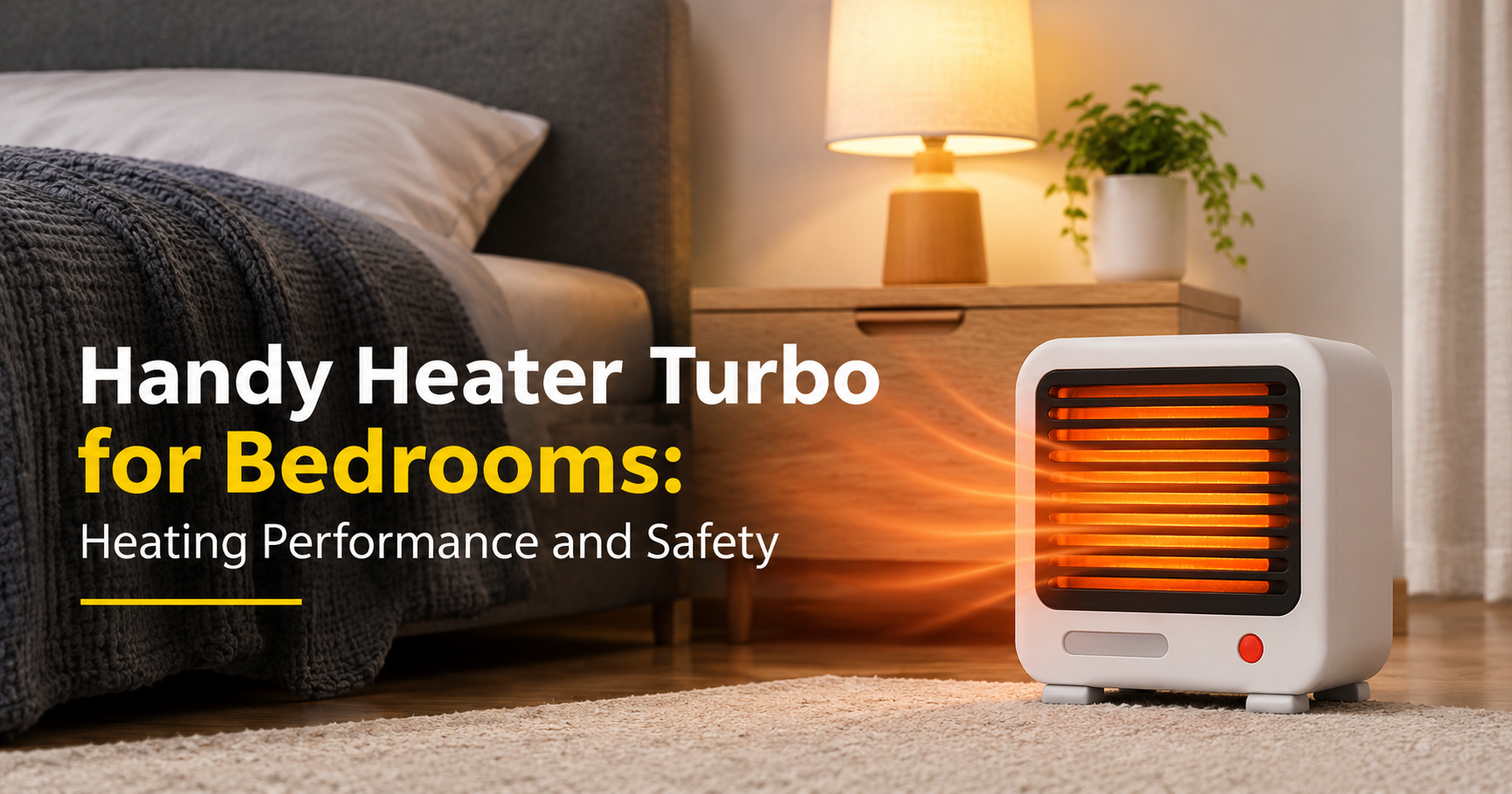
When winter nights turn chilly, nobody wants to crawl out of a warm blanket just to fix the temperature. A compact room heater is one of the easiest ways to make a bedroom comfortable, and the Handy Heater Turbo is the type of small, plug-in heater many people consider for exactly this purpose. In this guide, you will learn how this kind of heater works, what benefits it offers for bedroom use, how to use it safely, how much power it uses, and what to check before you buy.
Quick Overview
- Product type: Compact portable electric room heater
- Best for: Small to medium bedrooms, study corners, and personal spaces
- Main appeal: Fast warm-up, small size, easy plug-and-play use
- Key point to check: Safety protections, wattage and room-size suitability
Note: Exact specifications can vary between sellers and versions. Always read the specification sheet and manual that come with the unit before using it.
What Is the Handy Heater Turbo?
The Handy Heater Turbo is a small portable heater designed to warm a personal space quickly. Heaters in this category are usually lightweight, easy to carry from room to room, and simple to operate. You plug the unit into a wall socket, choose a setting, and warm air begins to flow within a short time. Because of this convenience, they are popular for bedrooms, home offices, dorm rooms and bathrooms with proper electrical safety.
How Does a Compact Turbo Heater Work?
Most compact heaters of this kind use an electric heating element, often a ceramic or metal element. When electricity passes through it, the element becomes hot. A small fan then pushes air across the element and sends warm air into the room. The fan is what gives the heater its quick, “turbo” style feel, because warm air reaches you faster than it would from a heater with no fan.

Because the heat is directed outward in a stream, you feel warmth quickly in the area in front of the heater. The rest of the room then warms gradually as air circulates.
Key Features to Expect
- Compact, portable design: Easy to place on a floor or a stable surface and to store after winter.
- Fast heat-up: A fan-assisted element delivers warmth within moments of switching on.
- Simple controls: Basic switches or settings make it easy for anyone to use.
- Low noise (varies by model): A quiet fan matters a lot when you want to sleep.
- Safety protections: Good heaters include overheat protection and tip-over protection. Confirm these on your unit.
Benefits of Using a Heater in the Bedroom
1. Comfort on cold nights
A small heater takes the sharp chill off the air so you can change clothes, read or work without shivering.
2. Targeted warmth
Instead of heating a whole house, you warm only the room you are using. This is often more practical for a single bedroom.
3. Better morning routine
Getting out of bed is easier when the room is not freezing. A heater with a timer can warm the room shortly before you wake.
4. Portability
You can move the heater to a study table, a bathroom entrance or a living area whenever needed, always following the safety guidance below.
5. Space saving
Compared with large oil-filled or panel heaters, a compact heater takes very little space.
How to Choose the Right Heater for a Bedroom
Not every heater suits every room. Think about these points before buying.

Room size and wattage
As a rough guide, a small bedroom usually needs a lower-wattage heater, while a bigger room needs more power or more time to warm up. Compact heaters are best for personal or small spaces, and they may not fully warm a very large or poorly insulated room.
Safety features
For a bedroom, safety should come first. Look for automatic shut-off if the unit tips over, overheat protection and a flame-retardant body. A sturdy plug and a properly rated cord also matter.
Noise level
Fan heaters make some sound. If you are a light sleeper, choose a quiet model or use the heater to pre-warm the room before bed.
Controls
A thermostat or timer helps keep the temperature steady and prevents the heater from running all night.
Handy Heater Turbo vs Other Heater Types
| Heater Type | Heat-up Speed | Size | Best For |
|---|---|---|---|
| Compact fan heater (like Handy Heater Turbo) | Fast | Small | Small rooms, quick warmth |
| Oil-filled radiator | Slow | Large | Steady, quiet overnight heat |
| Infrared / quartz heater | Instant, directional | Medium | Spot warming near you |
| Panel heater | Moderate | Slim | Wall-mounted, continuous use |
How to Use a Heater Safely in the Bedroom
A bedroom has beds, blankets and curtains, which are all flammable. These rules help reduce risk.

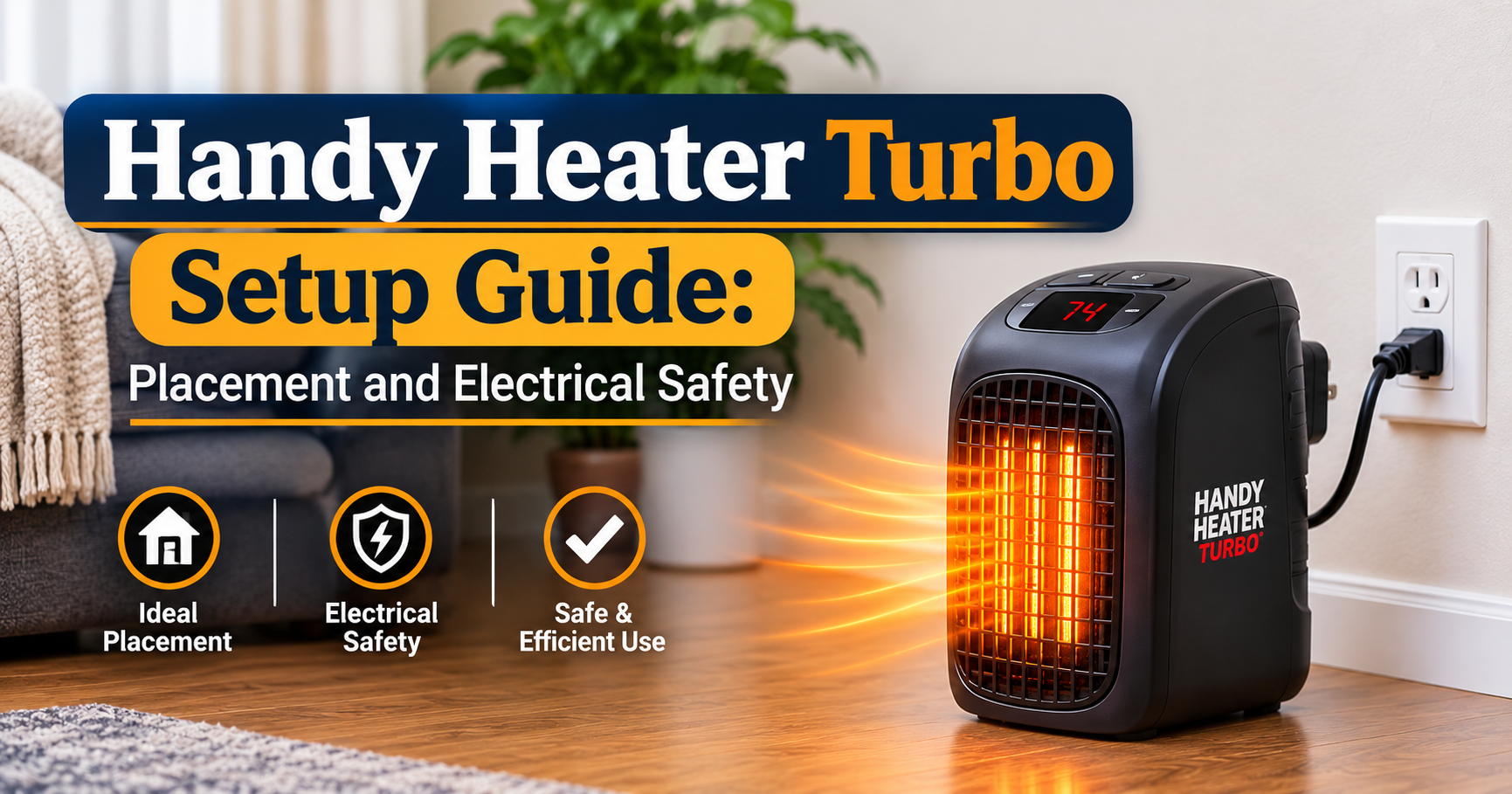
- Keep a clear space. Maintain at least about one metre between the heater and the bed, curtains, clothes and furniture, or follow the distance stated in your manual.
- Place it on a flat, stable floor. Avoid carpets that block vents, and never put it on a bed or sofa.
- Plug directly into a wall socket. Avoid cheap extension boards, because heaters draw high current.
- Never cover the heater. Do not dry clothes on it or block the air inlet or outlet.
- Do not leave it running unattended. Turn it off when you leave the room and preferably before you fall asleep unless the model has a reliable timer and thermostat.
- Keep children and pets away. The front grille can become hot.
- Inspect the cord and plug regularly. If they look damaged or feel very hot, stop using the heater and have it checked.
- Ventilate the room. Open a window slightly now and then so the air stays fresh.
Electricity Usage and Running Cost
Electric heaters convert almost all the power they draw into heat, so running cost depends mainly on wattage and hours of use. To estimate it, multiply the heater’s wattage (in kilowatts) by the hours used and by your local electricity rate per unit. For example, a 1,000 W (1 kW) heater running for 2 hours uses about 2 units of electricity. Using a thermostat and warming the room only when needed is the simplest way to keep bills down.
Tips to Get More Warmth from a Small Heater
- Close doors and windows while heating so warm air stays in.
- Use thick curtains to reduce heat loss through glass.
- Seal obvious gaps under doors with a draught stopper.
- Pre-heat the room 15 to 30 minutes before bedtime, then switch the heater off.
- Wear warm layers and use a good blanket, so you need less heating overall.
Cleaning and Maintenance
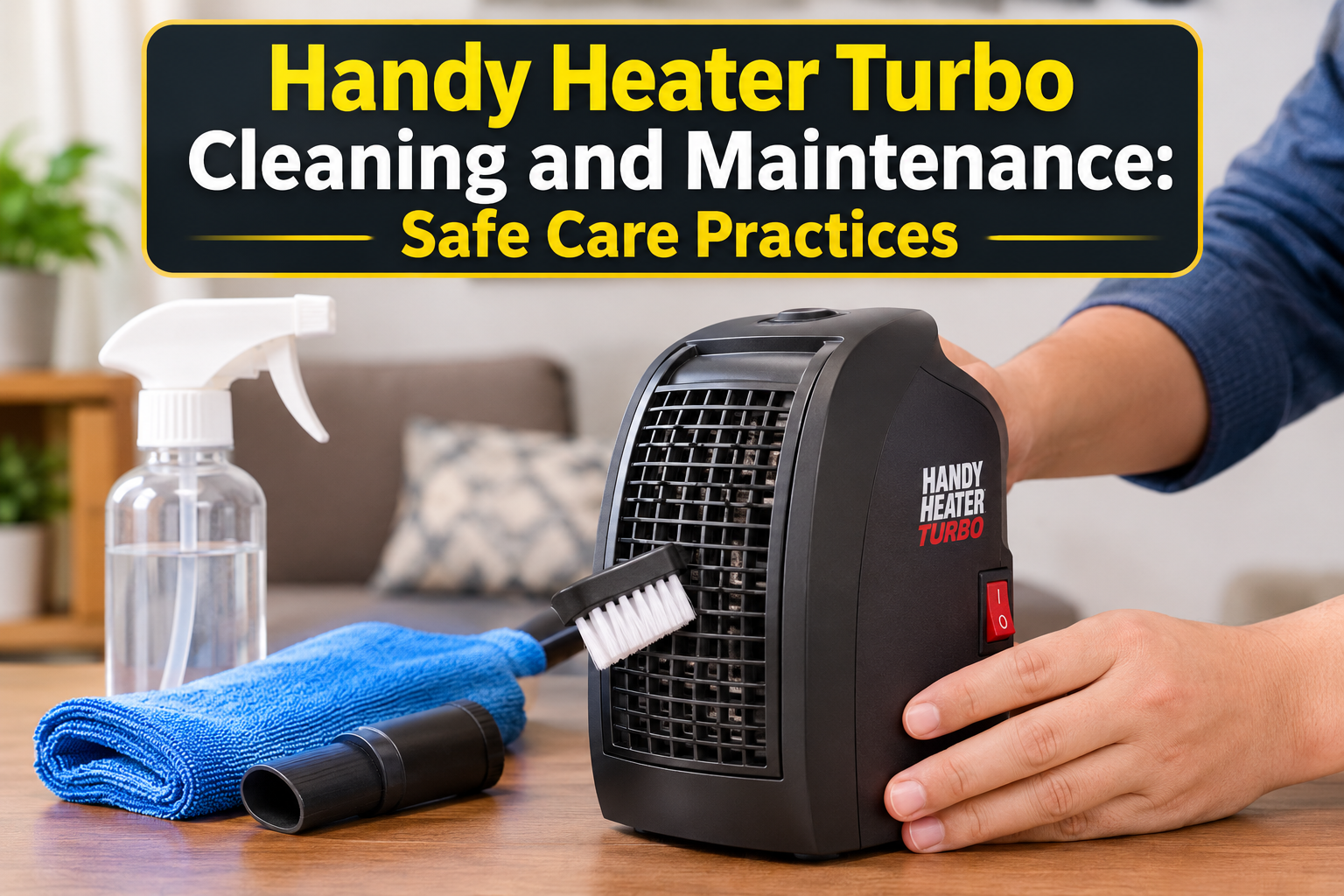
- Always unplug the heater and let it cool before cleaning.
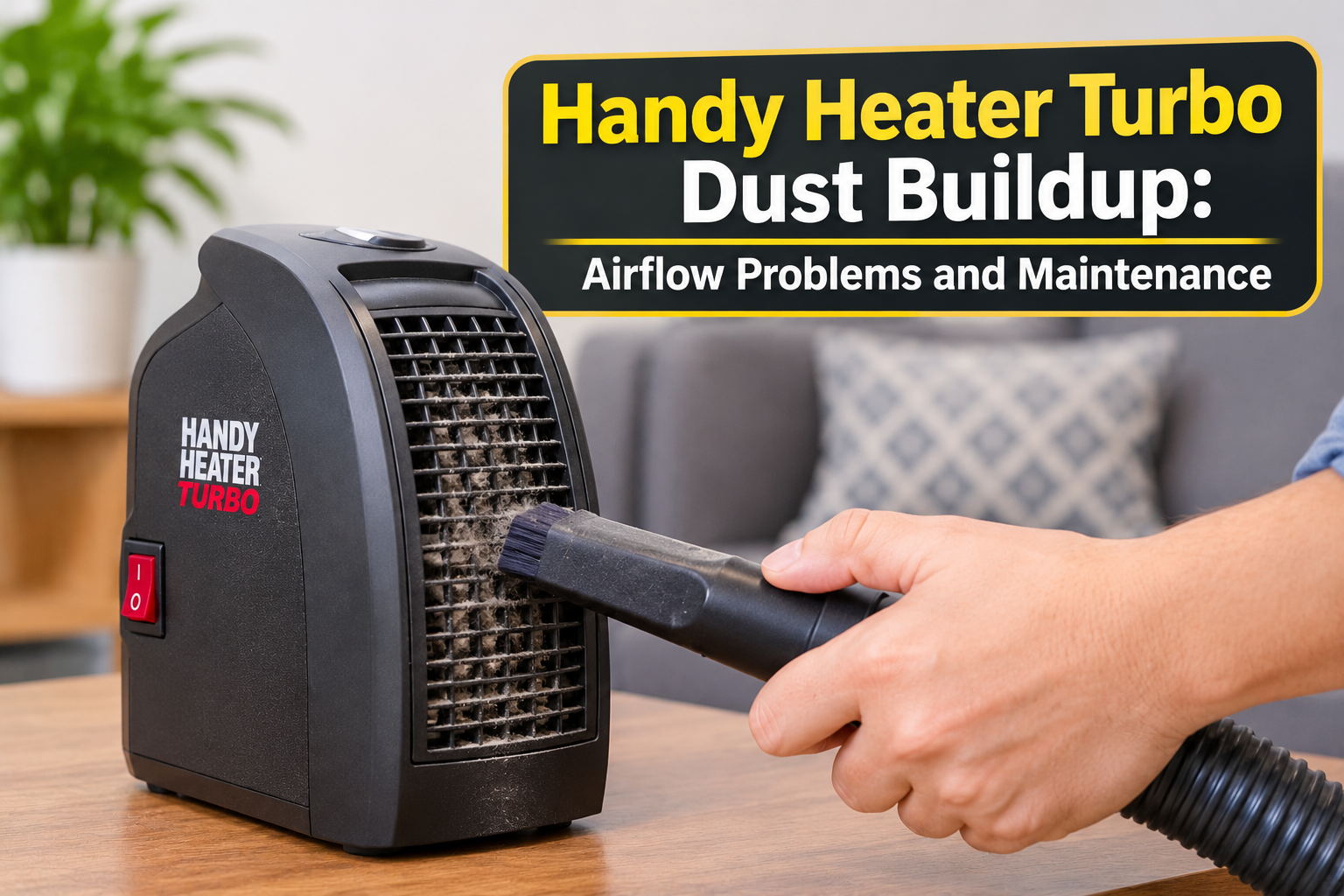
- Gently remove dust from the grille with a soft brush or dry cloth.
- Do not use water or liquid cleaners on electrical parts.
- Store the heater in a dry place after winter, preferably in its original box.
Pros and Cons
Pros
- Quick warmth in a small space
- Compact and easy to move
- Simple, beginner-friendly operation
- Affordable compared with many larger heaters
Cons
- Not ideal for very large or drafty rooms
- Fan noise may bother some light sleepers
- Can dry the air slightly
- Needs careful placement and supervision for safety
Who Should Buy It?
A compact heater like this suits people with a small or medium bedroom who want fast, short-term warmth. It also works well for students, small apartments and anyone who needs a spot heater near a desk or bed. If you need to heat a large hall, or you want silent heating all night, an oil-filled radiator or a built-in heating system may be a better match.
Frequently Asked Questions
Is the Handy Heater Turbo suitable for a bedroom?
Compact fan heaters are commonly used in bedrooms, provided the room is small to medium and the heater is placed and used safely.
Can I sleep with the heater on all night?
It is safer to avoid running any portable heater unattended while you sleep. If you must, choose a model with a thermostat, a timer, tip-over protection and overheat protection, and keep it far from bedding.
How long does it take to warm a room?
This depends on wattage, room size and insulation. Near the heater you may feel warmth quickly, while the whole room takes longer.
Does it use a lot of electricity?
Heaters are high-power appliances. Cost depends on wattage and usage hours, so use a timer or thermostat and run it only when needed.
Does it dry out the air?
Fan heaters can make the air feel a little dry. Keep a bowl of water in the room or use a humidifier if this bothers you.
Is it noisy?
All fan heaters make some sound. Noise level varies by model, so check the product details and feedback from real buyers.
Final Verdict
The Handy Heater Turbo fits the needs of anyone looking for quick, convenient warmth in a bedroom or other small space. Its compact size, fast heating and easy use are the main attractions. However, a heater is only as good as the way you use it, so choose a unit with proper safety protection, match the wattage to your room, and follow the placement rules in this guide. Done right, it can make cold winter nights far more comfortable.
Disclaimer: This article is for general information. Features, performance and safety certifications can differ by seller and batch, so please verify the details of the exact product you receive and follow the manufacturer’s instructions.