

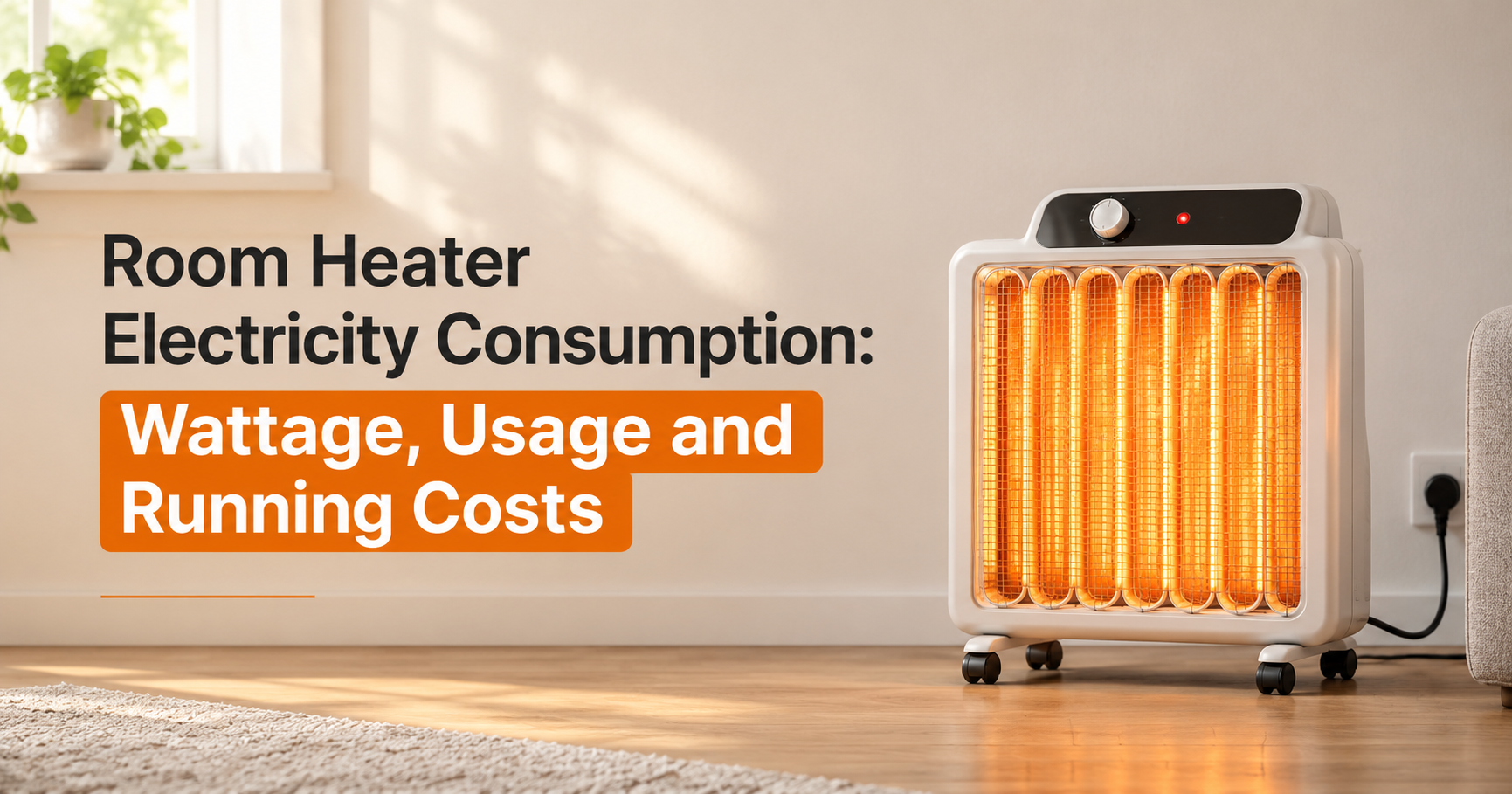
When the temperature drops, a room heater is one of the quickest ways to make a cold bedroom, study, or living room comfortable. It is affordable, portable, and easy to use. But the same device that keeps your family warm can also become a serious hazard if it is used carelessly. Fire safety organizations around the world consistently list heating equipment, and portable heaters in particular, among the leading causes of home fires during the cold months.
The good news is that almost every heater-related accident is preventable. This complete guide covers everything you need to know about room heater safety tips: how to choose a safer heater, where to place it, how to handle the electrical side, how to protect children and pets, and what to do if something goes wrong.
Why Room Heater Safety Matters
A room heater works by turning electricity or fuel into a large amount of heat in a very small space. That heat has to go somewhere. If it reaches curtains, bedding, clothes, or paper, a fire can start within minutes. Faulty wiring, overloaded sockets, and damaged cords add further risk, and fuel-burning heaters can release carbon monoxide, an invisible and odorless gas that is dangerous to breathe.
Most accidents happen for simple reasons: the heater was too close to something flammable, it was left running unattended, it was plugged into an unsuitable extension cord, or it was an old or damaged unit that should have been replaced. Knowing these risks puts you in control of them.
Know Your Heater: Common Types and Their Safety Points
Different heaters behave differently, so the safest habits depend a little on the type you own. Here is a quick comparison of the most common options.
| Heater Type | How It Heats | Best For | Key Safety Note |
|---|---|---|---|
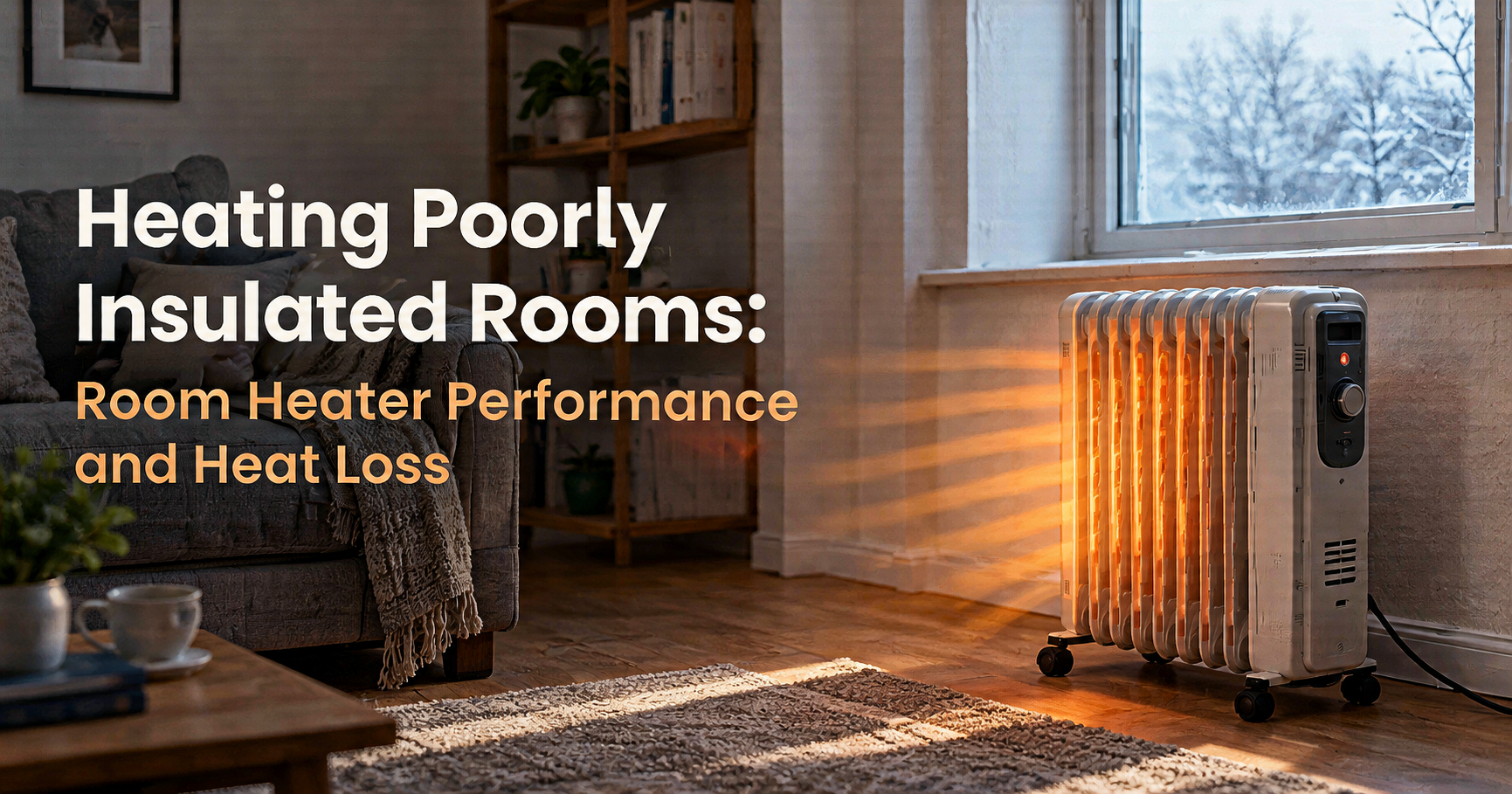
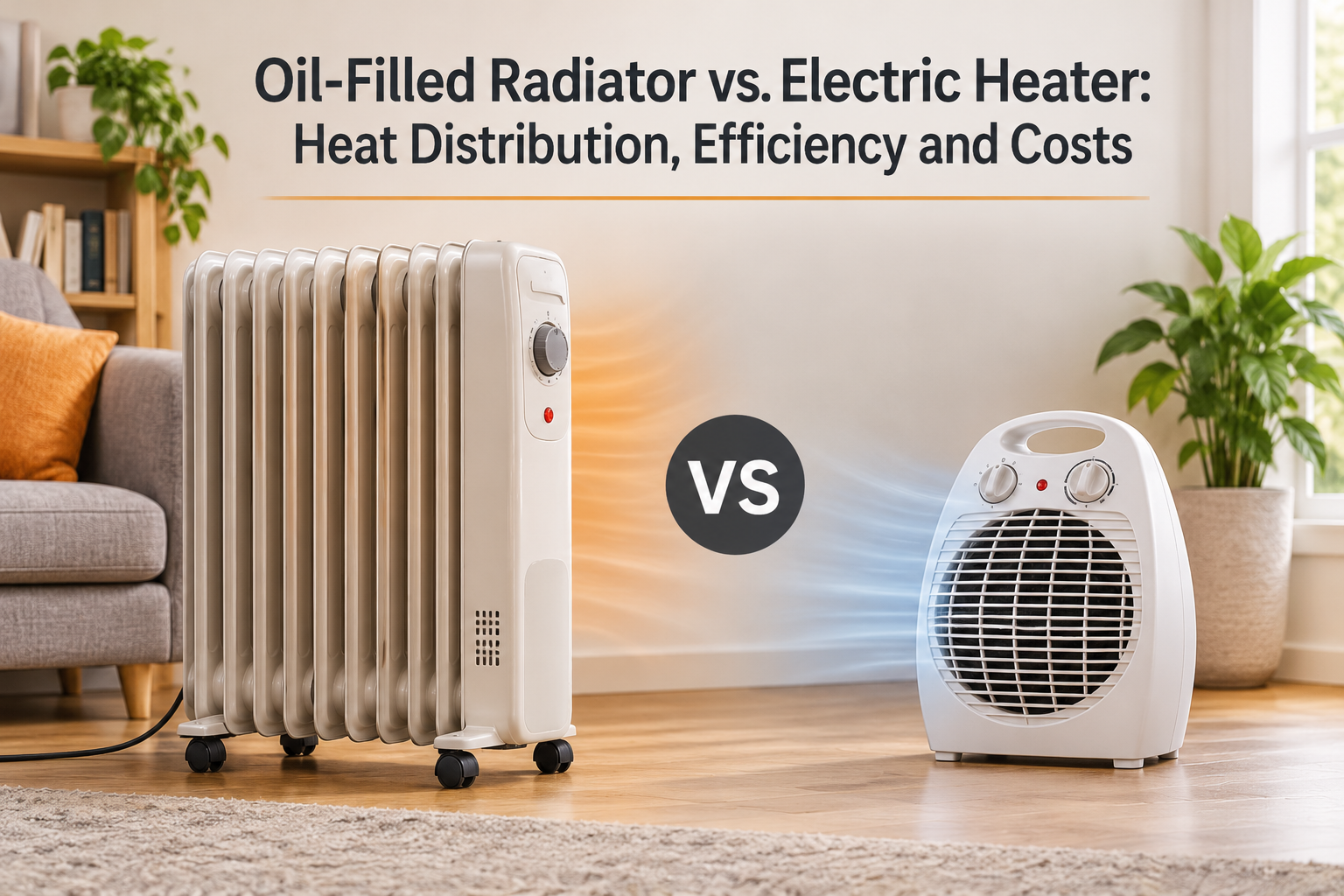
| Oil-Filled Radiator | Heats oil sealed inside, which warms the room slowly | Bedrooms and long, steady heating | Surface gets hot, so keep it away from skin and fabric |
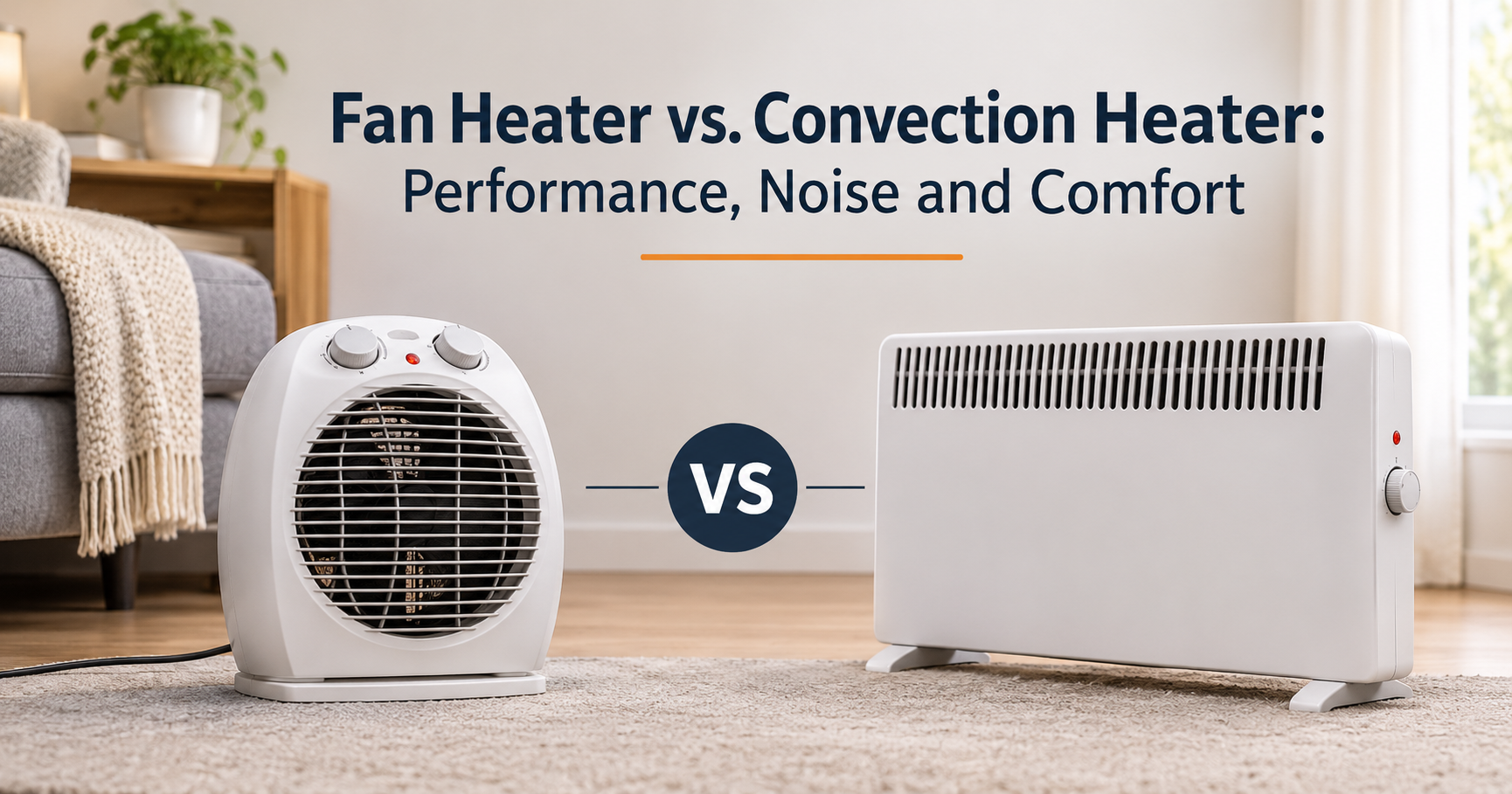
| Ceramic Fan Heater | Blows air over a heated ceramic element | Quick warmth in small rooms | Dust can build up inside, so clean the vents regularly |
| Convection Panel Heater | Warms air that circulates naturally through the room | Living rooms and home offices | Needs open space around it for airflow |
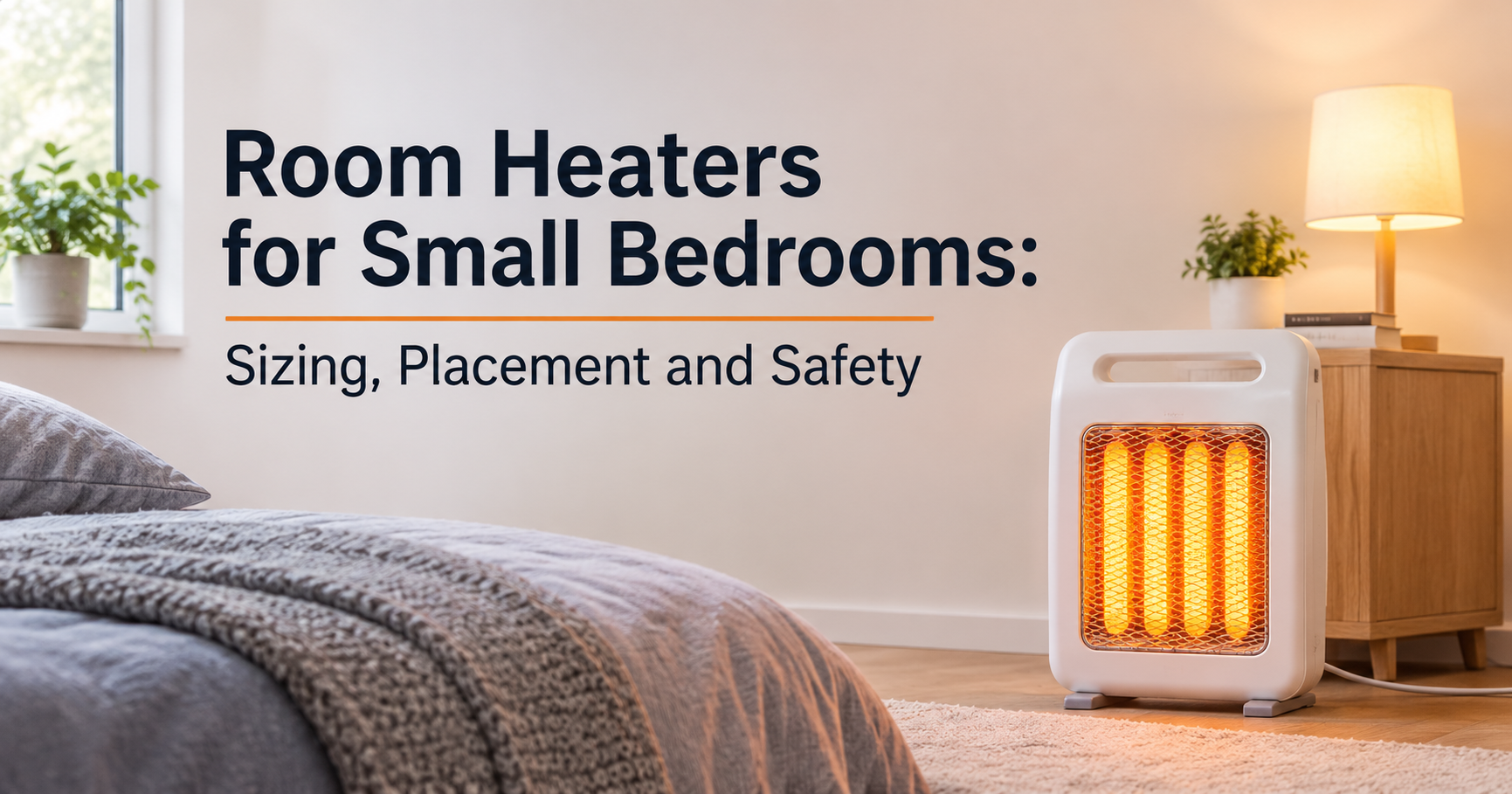
| Infrared / Quartz Heater | Radiates heat directly to objects and people | Spot heating where you sit | Exposed glowing element, so keep children and pets well away |
| Gas or Kerosene Heater | Burns fuel to produce heat | Only where the model is designed for indoor use | Can release carbon monoxide, so ventilation and an alarm are essential |
No single type is perfect for every home. Whichever you choose, the safety rules below apply to all of them.
Safety Features to Look for Before Buying a Room Heater
The safest habits start at the shop. A well-built heater has protective features that work even when you make a mistake. Before you buy, check that the model includes the following.
- Tip-over switch: If the heater is knocked over by a child, a pet, or an accidental bump, this switch cuts the power immediately so the hot element does not burn the floor or carpet.
- Overheat protection: A built-in sensor turns the heater off automatically if internal temperatures become unsafe, for example when the vents are blocked.
- Adjustable thermostat: A thermostat lets the heater cycle on and off to hold a steady temperature, which reduces both risk and electricity use.
- Safety certification: Choose products tested and marked by a recognized safety laboratory or standards body in your region. Avoid unbranded units with no markings at all.
- Cool-touch exterior or protective guard: A guard around the heating element prevents accidental contact with hot parts.
- Timer and indicator light: A timer helps you avoid leaving the heater on for too long, and a clear indicator shows when it is working.
- Correct power rating for your room: An undersized heater runs constantly, while an oversized one can overload your wiring. Match the heater to the room size and your home’s electrical capacity.
Where to Place a Room Heater Safely
Placement is the single most important safety decision. Put the heater in the wrong spot and even the best model becomes a risk.
- Keep a 3-foot (1-meter) clear zone. Nothing flammable should be within this distance on any side, including curtains, bedding, sofas, clothes, paper, and furniture.
- Use a flat, stable, hard surface. Never place a heater on a bed, a thick rug, a sofa, or an uneven floor where it can tip. A heater should not sit on a table or shelf where it can be knocked off.
- Do not block the vents. Air must flow freely in and out of the heater. Blocked airflow causes overheating.
- Keep it away from walkways. A heater placed where people walk can be kicked, tripped over, or have its cord pulled.
- Avoid damp areas. Do not use a standard room heater in a bathroom or anywhere near water unless the product is specifically rated for it.
- Never use it in an enclosed space. Small closets or tightly sealed rooms trap heat and, with fuel heaters, dangerous fumes.
Electrical Safety Tips for Electric Room Heaters
Electric heaters draw a lot of power, so the electrical side deserves special attention.
- Plug directly into a wall socket. Extension cords and multi-plug strips are not designed for the heavy, continuous load of a heater. They can overheat and melt. If you absolutely must use one temporarily, choose a heavy-duty cord rated for the heater’s wattage and keep it as short as possible.
- Do not share the socket. Avoid running other high-power appliances such as irons, kettles, or air conditioners from the same outlet or circuit at the same time.
- Inspect the cord and plug regularly. Look for cracks, fraying, bent pins, discoloration, or a plug that feels hot. Stop using the heater at once if you see any of these signs.
- Never run the cord under carpets or furniture. Heat can build up beneath them and damage the insulation without being noticed.
- Do not twist or tightly coil the cord while in use. Let it lie straight and loose.
- Use only with dry hands. Never touch the plug, switch, or cord with wet hands.
- Have worn-out sockets repaired. A loose socket that sparks or feels warm should be checked by a qualified electrician.
Daily Room Heater Safety Habits
Good habits matter as much as good equipment. Build these into your routine every time you use a heater.
- Never leave it running unattended. Turn the heater off and unplug it when you leave the room or the house.
- Switch it off before sleeping. Warm the room beforehand, then turn the heater off before you go to bed. A heater left on overnight is a major fire risk, especially near bedding.
- Do not dry clothes on it. Draping towels, socks, or laundry over a heater blocks airflow and can ignite the fabric.
- Never cover the heater. Covering it with a blanket, cloth, or any other material traps heat and can cause a fire.
- Do not store items on or near it. Keep sprays, lighters, cleaning products, and other flammable items far away. Aerosol cans can explode when heated.
- Do not use a damaged heater. If a heater makes unusual noises, smells of burning, flickers, or switches itself off repeatedly, stop using it and have it checked or replaced.
- Allow it to cool before moving it. Unplug it first, wait until it cools, and then carry it by the handle.
Room Heater Safety for Children and Pets
Children and pets are naturally curious, and they do not understand how hot a heater can get. Many burns and accidents happen in homes where a heater was simply within their reach.
- Set up a barrier or safety gate to keep children and pets away from the heater.
- Teach children never to touch the heater, its cord, or its controls.
- Choose a model with a cool-touch surface and a child lock if your home has toddlers.
- Do not allow children to play, dress, or do homework right beside a hot heater.
- Remember that cats and dogs like warm spots and may curl up too close. Keep the heater in an area they cannot easily reach.
Carbon Monoxide and Ventilation Safety
Electric heaters do not produce carbon monoxide, but gas, kerosene, charcoal, and wood-burning heaters can. Carbon monoxide is a colorless, odorless gas, and breathing it in can cause headaches, dizziness, nausea, confusion, and in serious cases loss of consciousness or death.
- Use a fuel-burning heater indoors only if it is specifically designed and approved for indoor use.
- Always provide fresh air by keeping a window slightly open or following the manufacturer’s ventilation instructions.
- Never use a charcoal grill, a gas stove, or an outdoor heater to heat a room. These are not made for indoor heating and are extremely dangerous.
- Install a working carbon monoxide detector near sleeping areas and test it regularly.
- Use only the exact type of fuel the manufacturer recommends, and refill only when the heater is off and cool.
- If anyone feels dizzy, sick, or unusually drowsy while a fuel heater is on, turn it off, get everyone into fresh air immediately, and seek medical help.
Cleaning and Maintenance Tips
A clean, well-maintained heater is a safer and more efficient heater. Dust that collects inside the unit can burn, cause a smell, and even start a fire.
- Always unplug the heater and let it cool completely before cleaning.
- Gently remove dust from the vents and grille with a soft brush or a dry cloth.
- Wipe the outside with a slightly damp cloth, and make sure it is fully dry before plugging it back in.
- Never pour water or spray liquid cleaner directly onto the heater.
- Check the guard, switches, and knobs for looseness or damage.
- At the end of winter, clean the heater, wrap the cord loosely, and store it in a dry place, ideally in its original box or under a dust cover.
- Before using it again next season, inspect it carefully and run it for a few minutes in a clear area to check for odd smells or noises.
Smoke Alarms and Fire Preparedness
Even with every precaution in place, you should be ready for an emergency. Install smoke alarms in bedrooms, hallways, and living areas, and test them every month. Replace batteries as needed and replace the alarm itself when it reaches the end of its service life.
Keep a suitable fire extinguisher in an easy-to-reach place, and make sure everyone in the household knows how to use it. Plan and practice an escape route so that every family member knows how to get out quickly and where to meet outside.
What to Do If Something Goes Wrong
- If you smell burning or see smoke: Switch the heater off and unplug it only if it is safe to do so. Move away and open a window for ventilation.
- If the heater sparks or the plug feels very hot: Do not touch it with bare hands. Turn off the power at the main switch or circuit breaker if you can do so safely, then stop using the heater.
- If a fire starts: Get everyone out of the building first. Do not pour water on an electrical fire. Call the local emergency number from a safe place, and only use an extinguisher if the fire is very small and you have a clear exit behind you.
- If someone is burned: Cool the burn under cool running water for several minutes, cover it with a clean, non-stick dressing, and seek medical attention for anything more than a minor burn.
Frequently Asked Questions
Is it safe to leave a room heater on all night?
It is best not to. Even heaters with built-in safety features can fail, and a sleeping person may not notice the first warning signs. Warm the room before bedtime, then turn the heater off. If you need steady warmth overnight, consider a heater with a thermostat and timer, and still keep a safe clearance and a working smoke alarm.
How far should a room heater be from the bed?
Keep at least 3 feet (about 1 meter) between the heater and the bed, bedding, curtains, and any other flammable item. More space is always better.
Can I plug a room heater into an extension cord?
Plugging directly into a wall socket is strongly recommended. Standard extension cords and power strips can overheat under the heavy load a heater creates. If you have no alternative, use a heavy-duty cord rated for the heater’s power and keep it short, and never as a long-term solution.
Is an oil-filled heater safer than a fan heater?
Oil-filled heaters have no exposed glowing element and no fan, so many people find them a calmer, steadier choice. But they still get hot on the surface and still need clear space around them. Any heater can be unsafe if it is misused, so the habits matter more than the type.
Why does my room heater smell when I first use it?
A light smell is common when a heater is used for the first time after a long period of storage, because dust or manufacturing residue burns off. It should fade within a short time. If the smell is strong, smells like burning plastic, or does not go away, switch it off and have it checked.
Can a room heater be used in a bathroom?
Only use a heater in a bathroom if it is specifically designed and rated for damp environments. A standard room heater near water creates a serious risk of electric shock.
How often should I replace my room heater?
There is no fixed rule, but you should replace a heater as soon as it shows damage such as a cracked casing, a frayed cord, repeated tripping of the circuit, or failing safety switches. Older heaters without modern protections like tip-over and overheat cut-offs are worth upgrading.
Final Thoughts
A room heater can make winter far more comfortable, and with a few sensible precautions it can do so safely. Choose a heater with proper safety features, keep a clear zone of at least 3 feet around it, plug it straight into the wall, never leave it running unattended, and keep children and pets away. Clean it regularly, check the cord, and install working smoke and carbon monoxide alarms.
These simple room heater safety tips take only a few minutes to put into practice, yet they can protect your home and your loved ones throughout the cold season. Stay warm, and stay safe.