


Disclosure: This article may contain affiliate content. If you buy through our recommendations on this site, we may earn a small commission at no extra cost to you.
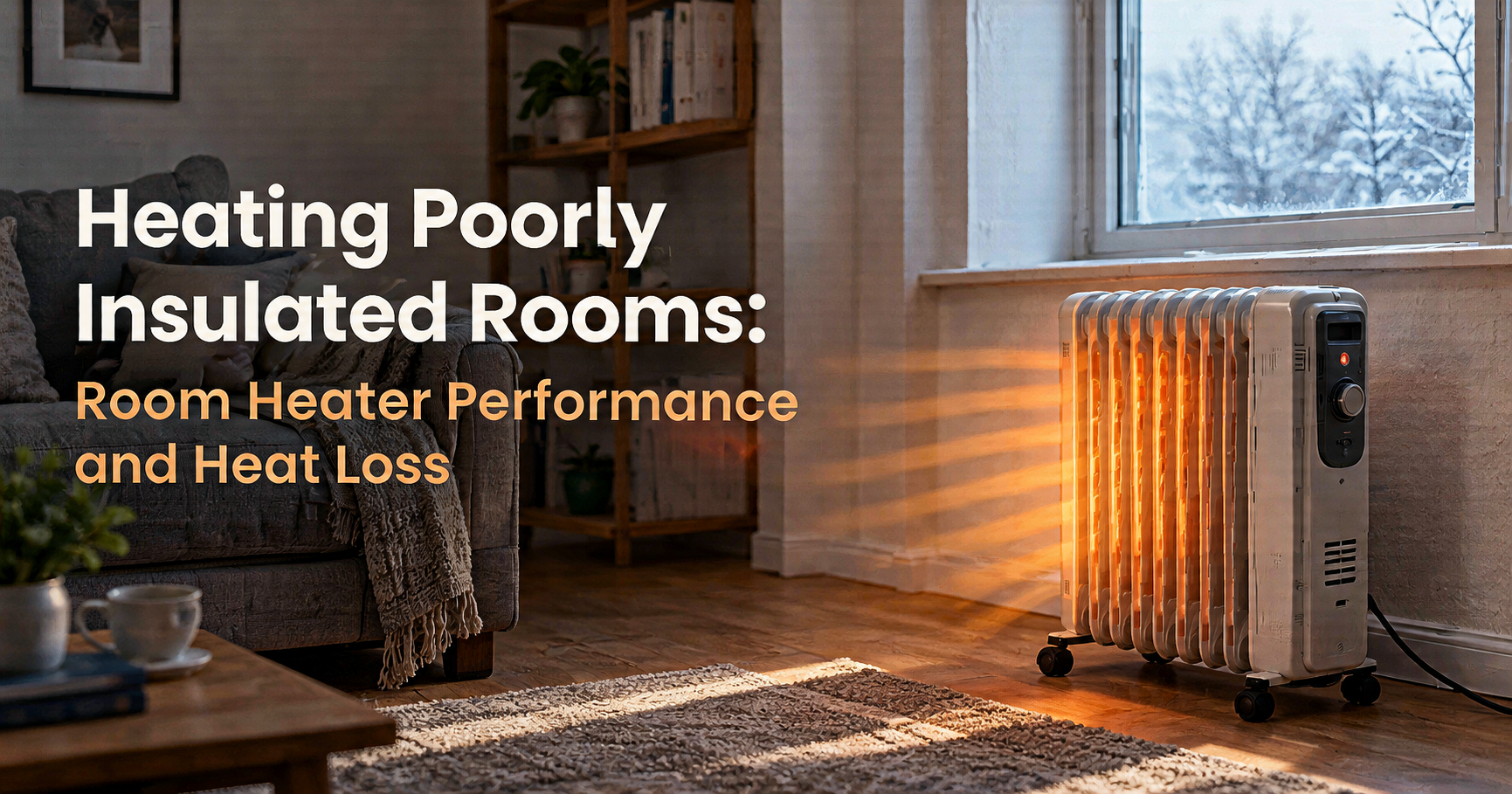
A cold, draughty room is frustrating. You switch on a heater, it runs for hours, and the room still feels chilly. In most cases the heater is not the only problem. The room itself loses warmth faster than any ordinary heater can replace it. Choosing the best room heater for a poorly insulated room means matching the right heater type and power to a room that leaks heat, and then fixing the biggest leaks so you stop wasting electricity.
This guide explains how heat escapes, which heater types work best, how many watts you really need, what it costs to run, and how to stay safe.
Why Poorly Insulated Rooms Are So Hard to Heat
Heat always moves from warm areas to cold ones. In a well-insulated room, walls, ceilings and windows slow that movement. In a poorly insulated room, warmth escapes through thin walls, single-glazed windows, gaps around doors, bare floors and the roof. Your heater then works non-stop just to keep the temperature from falling.
The chart shows why simply buying a stronger heater is not always the answer. When most of the warmth leaves through walls and the roof, you pay for heat that never reaches you.
Which Type of Room Heater Works Best?
There is no single winner. Each type behaves differently when the room leaks heat.
| Type | Strengths | Weaknesses | Best for |
|---|---|---|---|
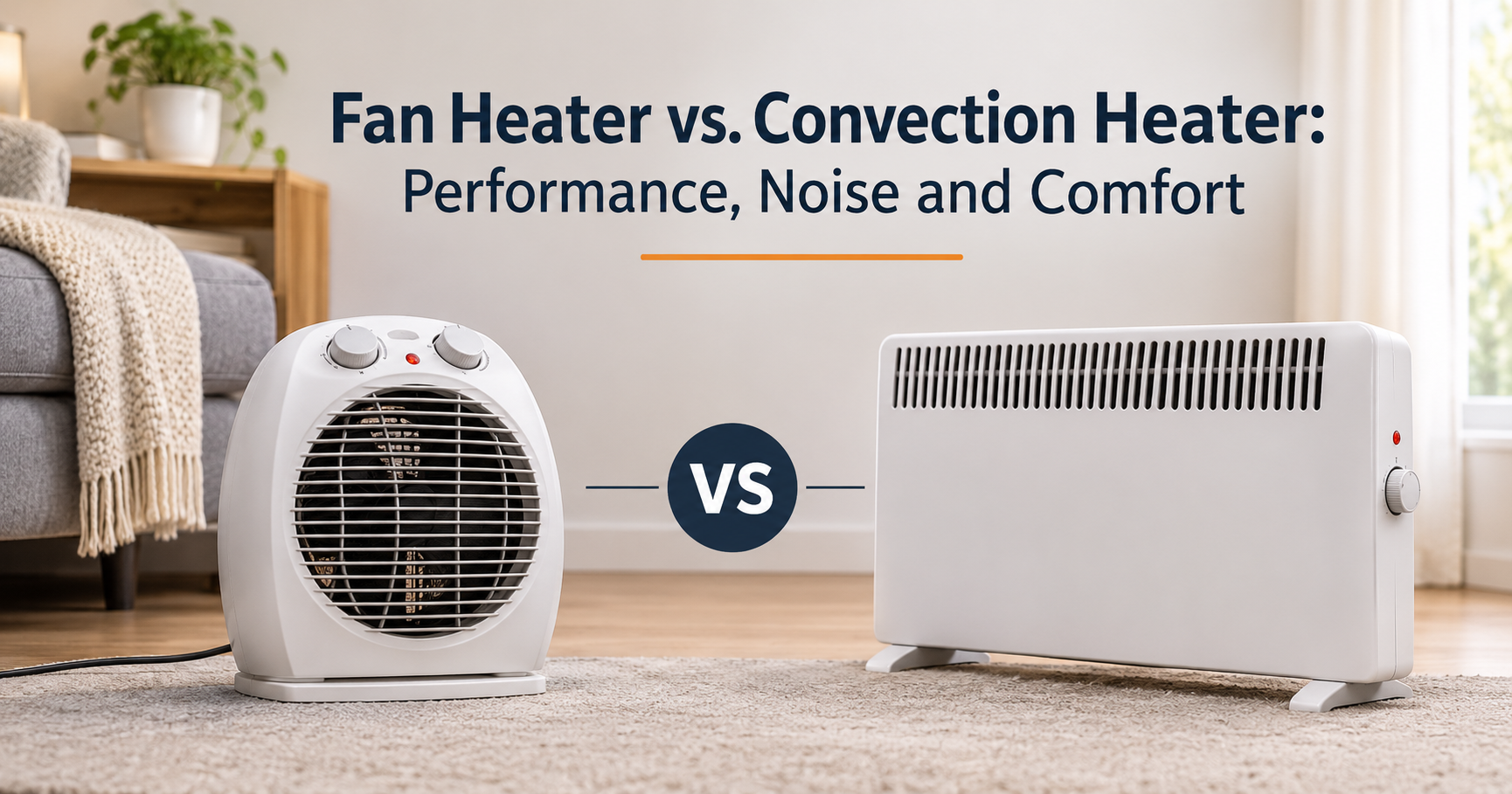
| Ceramic fan heater | Fast warm-up, small to medium rooms | Noisy; heat stops when switched off | Quick boost in leaky rooms |
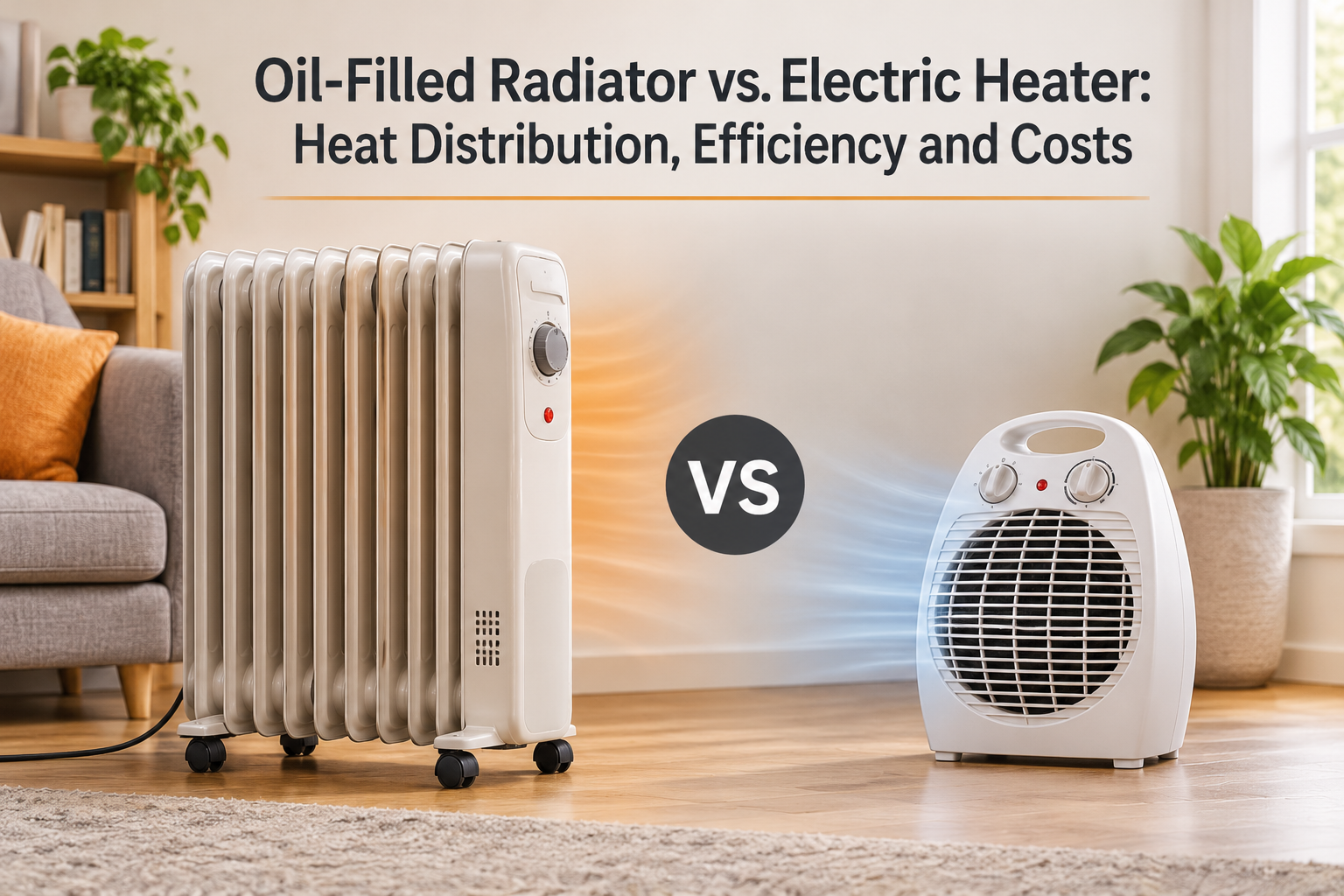
| Oil-filled radiator | Steady, silent heat that lingers | Slow to start; struggles with strong draughts | Bedrooms, overnight use |
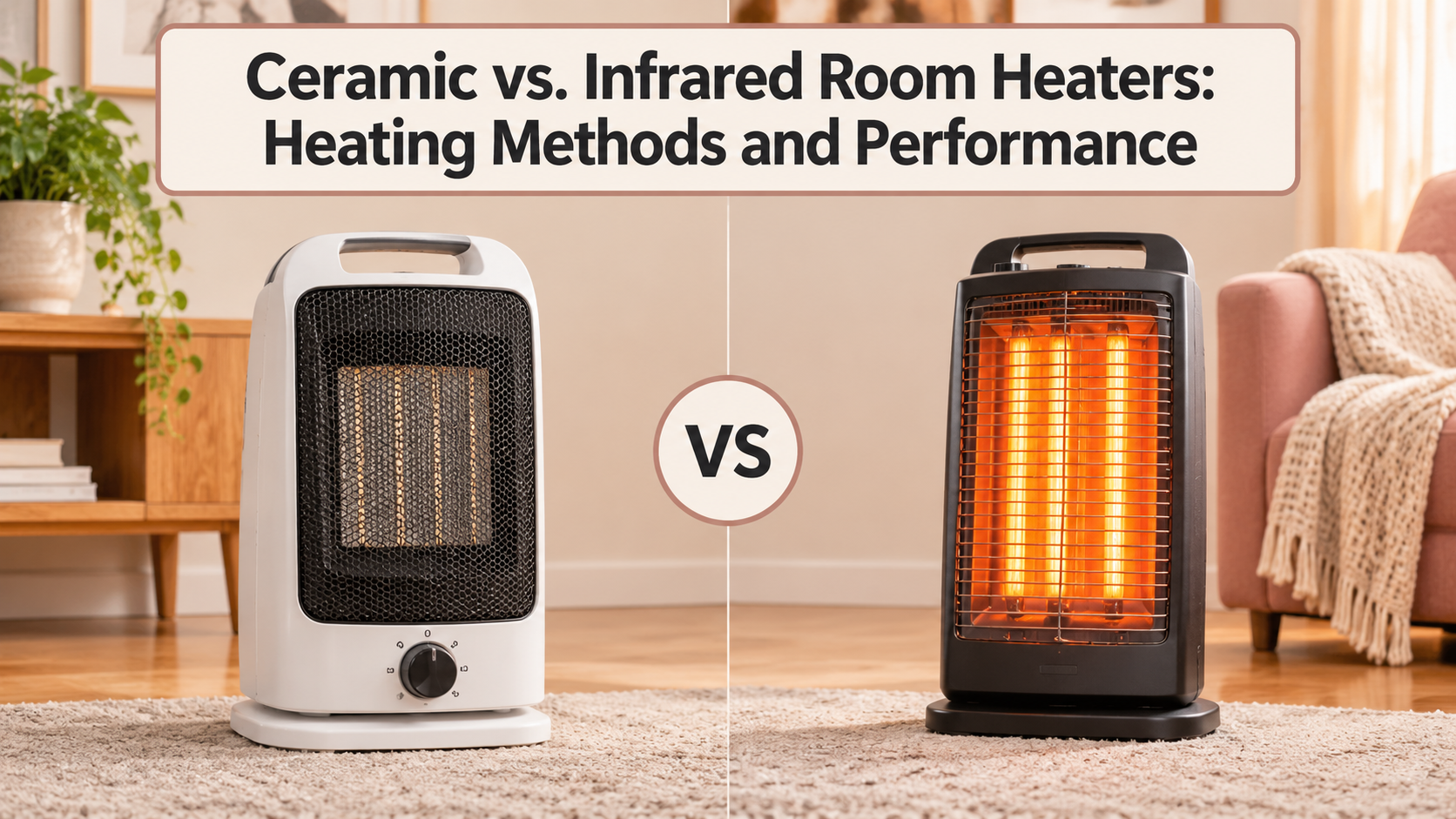
| Infrared / radiant heater | Warms people directly, not just the air | Heats only what is in its line of sight | Draughty rooms, desks, spot heating |
| Convector / panel heater | Even, low-noise heat with thermostat | Needs time and sealed windows to shine | Moderately leaky, larger rooms |
| Micathermic heater | Fast radiant plus convected heat, slim body | Costs more than basic models | Mixed-use living spaces |
Our practical pick for leaky rooms
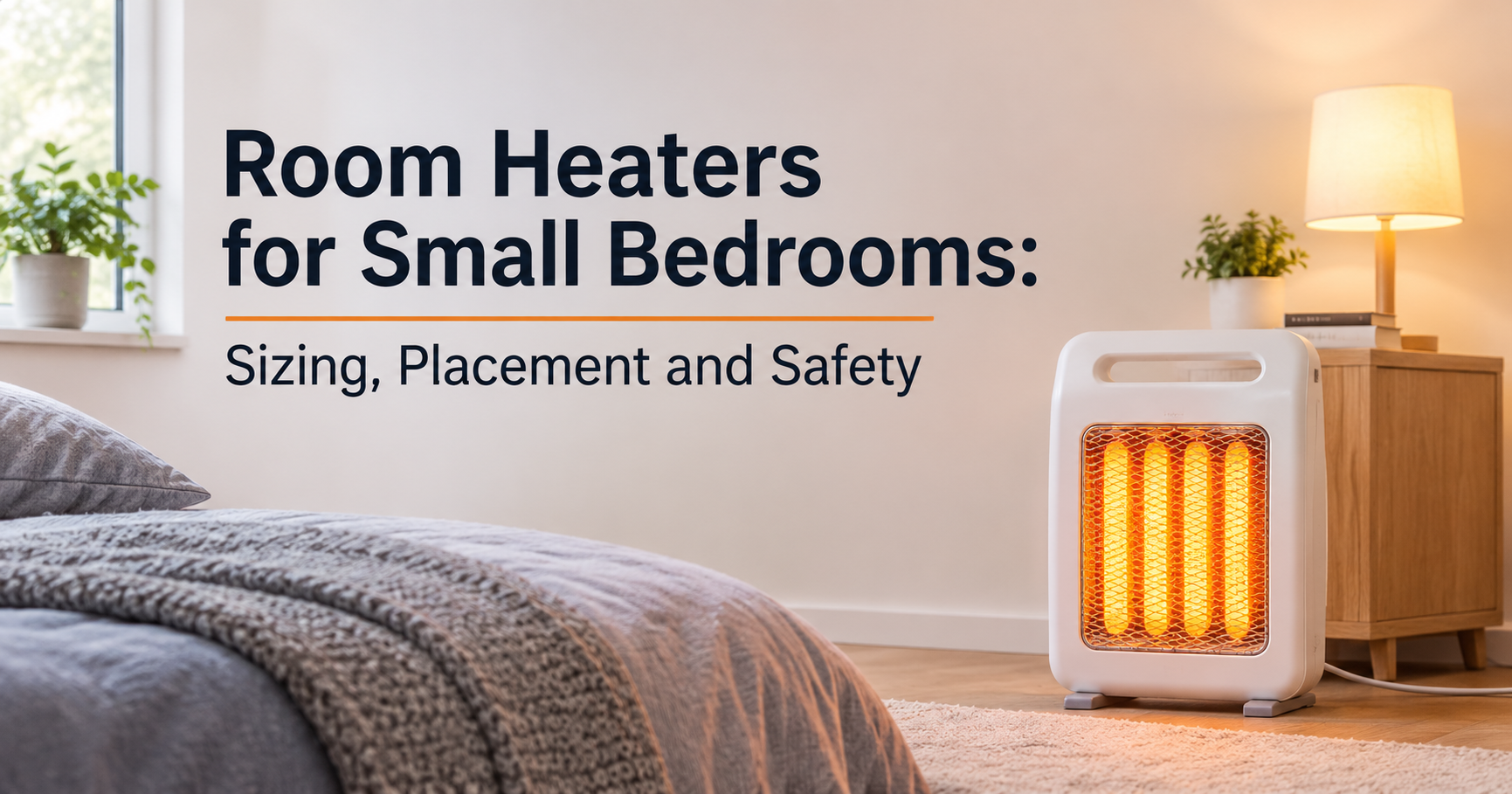
For most poorly insulated rooms, a radiant (infrared) heater or a fan heater with a thermostat gives the most comfort for the money. Radiant heat warms your body directly, so draughts matter less. An oil-filled radiator is excellent in bedrooms once the room is sealed a little, because it releases heat slowly for hours.
How Many Watts Do You Need?
A common rule is about 10 watts per square foot for a normal room. For a poorly insulated room, add roughly 25 to 50 percent, so aim for 12.5 to 15 watts per square foot. Also add extra capacity if the ceiling is high or the room has several large windows.
Features to Look For Before You Buy
- Adjustable thermostat: keeps the room steady and stops the heater running flat out all day.
- Multiple heat settings: use high power to warm up, then drop to low to maintain.
- Tip-over and overheat protection: essential safety features, especially around children and pets.
- Timer: lets you heat a room before you wake up or come home, without leaving it on.
- Low noise level: important for bedrooms and home offices.
- Portability: handles and wheels help if you move between rooms.
- Remote control or smart plug compatibility: useful for scheduling.
What Does It Cost to Run a Room Heater?
Electric heaters turn almost all the power they use into heat, so running cost depends mostly on wattage and hours of use. A 1,500 W heater running for 8 hours uses about 12 kWh. Multiply that by your local electricity rate to find your daily cost. A thermostat helps a lot, because the heater cycles on and off once the room reaches the set temperature.
A poorly insulated room forces the heater to cycle on far more often. This is why small insulation fixes often save more money than upgrading to a bigger heater.
Cheap Ways to Make Any Heater Work Better
Before or alongside buying a heater, reduce the leaks. These low-cost steps make a noticeable difference:
- Seal draughts: add foam tape or weatherstripping around windows and doors, and a door sweep at the bottom.
- Use thick curtains: thermal or lined curtains cut heat loss through glass. Close them at dusk.
- Apply window film: clear insulating film adds a thin air layer to single-glazed windows.
- Cover bare floors: rugs and carpet reduce heat loss and feel warmer underfoot.
- Keep doors closed: heat only the room you are using.
- Position the heater wisely: place it near the coldest wall or window, with clear space around it.
- Block unused vents and chimneys: use a draught plug or a proper cover.
Safety Tips for Using Heaters in Cold Rooms
- Keep at least 3 feet (about 1 metre) of clear space around the heater. Keep curtains, bedding and furniture away.
- Plug directly into a wall socket. Avoid extension cords and cheap power strips.
- Never cover a heater or dry clothes on it.
- Do not leave a heater running while you sleep unless it has reliable thermostat and safety cut-offs.
- Avoid unvented gas or kerosene heaters indoors. They can release carbon monoxide.
- Check the cord and plug regularly. Stop using any heater that smells of burning or feels damaged.
Common Mistakes to Avoid
- Buying a heater that is too small for the room, then running it constantly.
- Ignoring draughts and heating the whole house through the walls.
- Choosing by price alone and skipping safety features.
- Leaving the thermostat on maximum all day.
Frequently Asked Questions
What is the most efficient heater for a poorly insulated room?
All electric heaters convert nearly all electricity to heat, so efficiency is similar. The real difference is how well the heater warms you. Radiant heaters feel warmer in draughty rooms, while thermostat-controlled models avoid wasted power.
Is an oil-filled heater good for a drafty room?
It can work, but it heats slowly and relies on warming the air. In a very leaky room, pair it with draught sealing or choose a radiant model for faster comfort.
Can I run a heater all night?
Only if it has a thermostat, tip-over protection and overheat protection, and you place it safely. A timer is a smart extra.
How can I heat a room with no insulation cheaply?
Seal draughts first, hang thick curtains, add a rug, then use a thermostat heater sized for the room. Heating only the space you are using also keeps costs down.
Should I buy a bigger heater to make up for poor insulation?
A slightly higher wattage helps, as shown in the sizing guide. But oversizing without sealing leaks wastes money. Do both for best results.
Final Thoughts
The best room heater for a poorly insulated room is one that is correctly sized, has a thermostat and good safety features, and suits how you use the space. Choose radiant or fan heaters for quick comfort, oil-filled radiators for steady overnight warmth, and always combine your heater with simple insulation fixes. Do that, and you will feel warmer while using less electricity.