






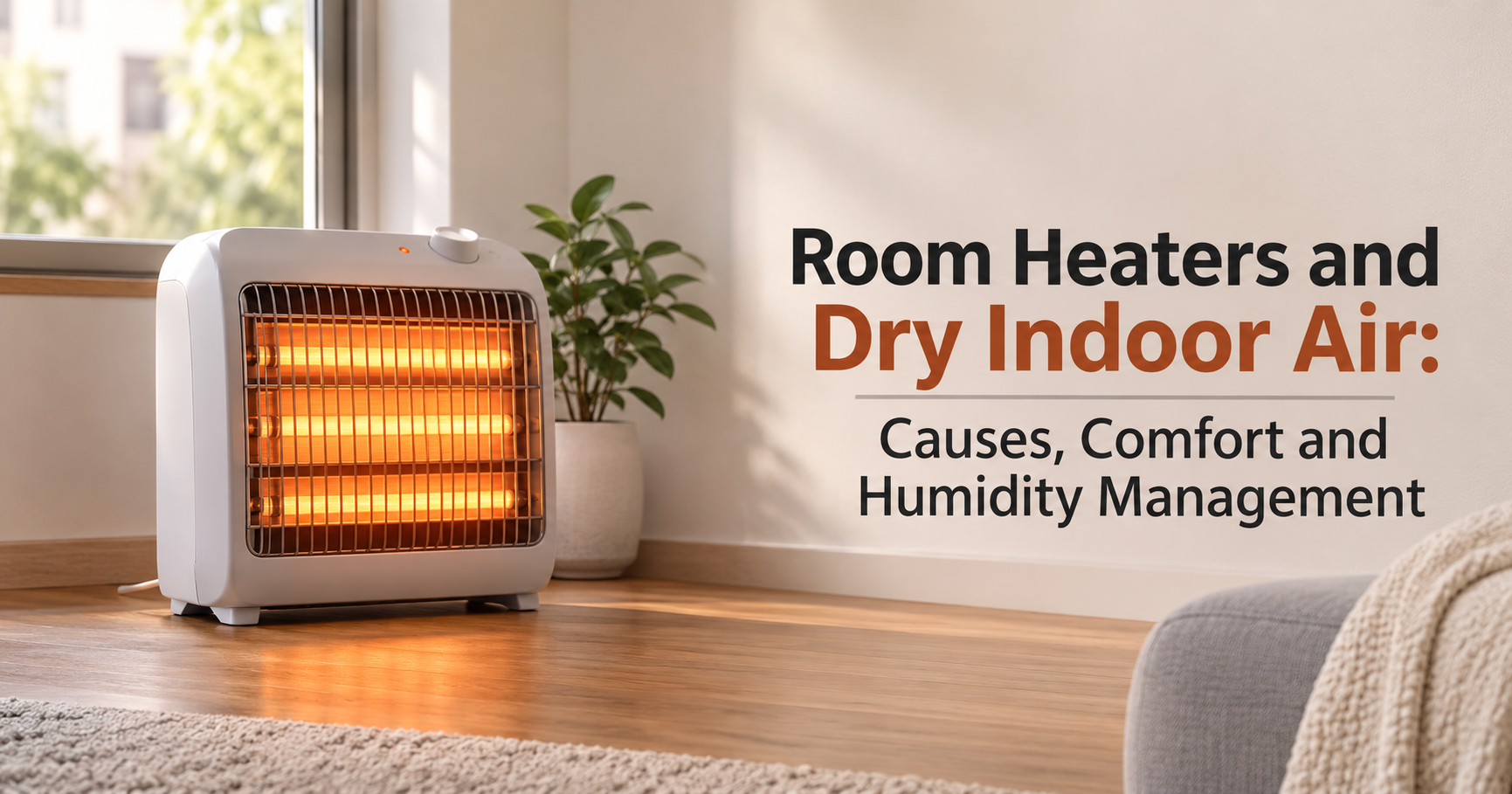

You switch on your room heater, the chill disappears, and for a while everything feels perfect. Then the side effects start to show up: a scratchy throat, tight and itchy skin, cracked lips, and a stuffy nose when you wake up. If this sounds familiar, you are not imagining it. A room heater can make a room feel noticeably drier, and the good news is that the problem is easy to manage once you understand what is going on.
In this complete guide, you will learn whether a room heater really dries out the air, the simple science behind it, how different heater types compare, the ideal humidity level for your home, and ten practical ways to keep your room warm without sacrificing comfort. We will also cover how to choose a humidifier and which mistakes to avoid.
Does a Room Heater Really Dry Out the Air?
The short answer is: yes and no. A standard electric room heater does not remove water from the air. It has no mechanism for absorbing or condensing moisture, so the actual amount of water vapor in your room stays almost the same. What changes is relative humidity, the number that tells you how much moisture the air holds compared with the maximum it could hold at its current temperature.
Warm air can hold far more water vapor than cold air. When a heater raises the temperature, the same amount of moisture suddenly makes up a much smaller percentage of what the air could hold. The result is a sharp drop in relative humidity, and that is what your body and your furniture experience as “dry air.”
The Science Behind Dry Air in Winter
A handy rule of thumb is that relative humidity drops by roughly half for every 20°F (about 11°C) increase in air temperature, provided no new moisture is added. Take a cool winter day with indoor air at 15°C (59°F) and 60% relative humidity. If the heater warms that air to 26°C (79°F), the relative humidity falls to around 32%, even though not a single drop of water has left the room.

Winter makes the problem worse for another reason. Cold outdoor air is naturally very low in moisture. When fresh air leaks into your home through windows, door gaps, and ventilation and then gets heated, the indoor air can easily fall into the very dry range. In homes with sealed windows, central heating, or small bedrooms with a heater running all night, humidity can drop below 25%.
Signs the Air in Your Room Is Too Dry
Your body usually tells you before any gadget does. Watch for these common signs:
- Dry, itchy, or flaky skin and chapped lips, especially on the hands, shins, and face.
- Scratchy throat and morning cough after sleeping in a heated room.
- Dry or irritated eyes, which is especially noticeable if you wear contact lenses.
- Nosebleeds or a dry, blocked nose because nasal passages lose their protective moisture.
- More static electricity, such as small shocks when touching doorknobs or removing clothes.
- Cracking wood in floors, furniture, doors, and musical instruments.
- Drooping or crispy houseplants even when you water them regularly.
- Allergy or asthma flare-ups, since dry air lets dust and irritants float longer and dries out the airways.
Dry air does not cause colds directly, but it can leave your nose and throat less able to defend themselves, and some viruses are reported to survive longer in low-humidity air. That is one more reason to keep humidity in a healthy range during the cold season.
Which Room Heaters Dry the Air the Most?
All heaters that warm the air will reduce relative humidity to some extent, but the way a heater delivers warmth affects how dry the room feels. Here is a simple comparison:
| Heater Type | How It Heats | Dry-Air Effect |
|---|---|---|
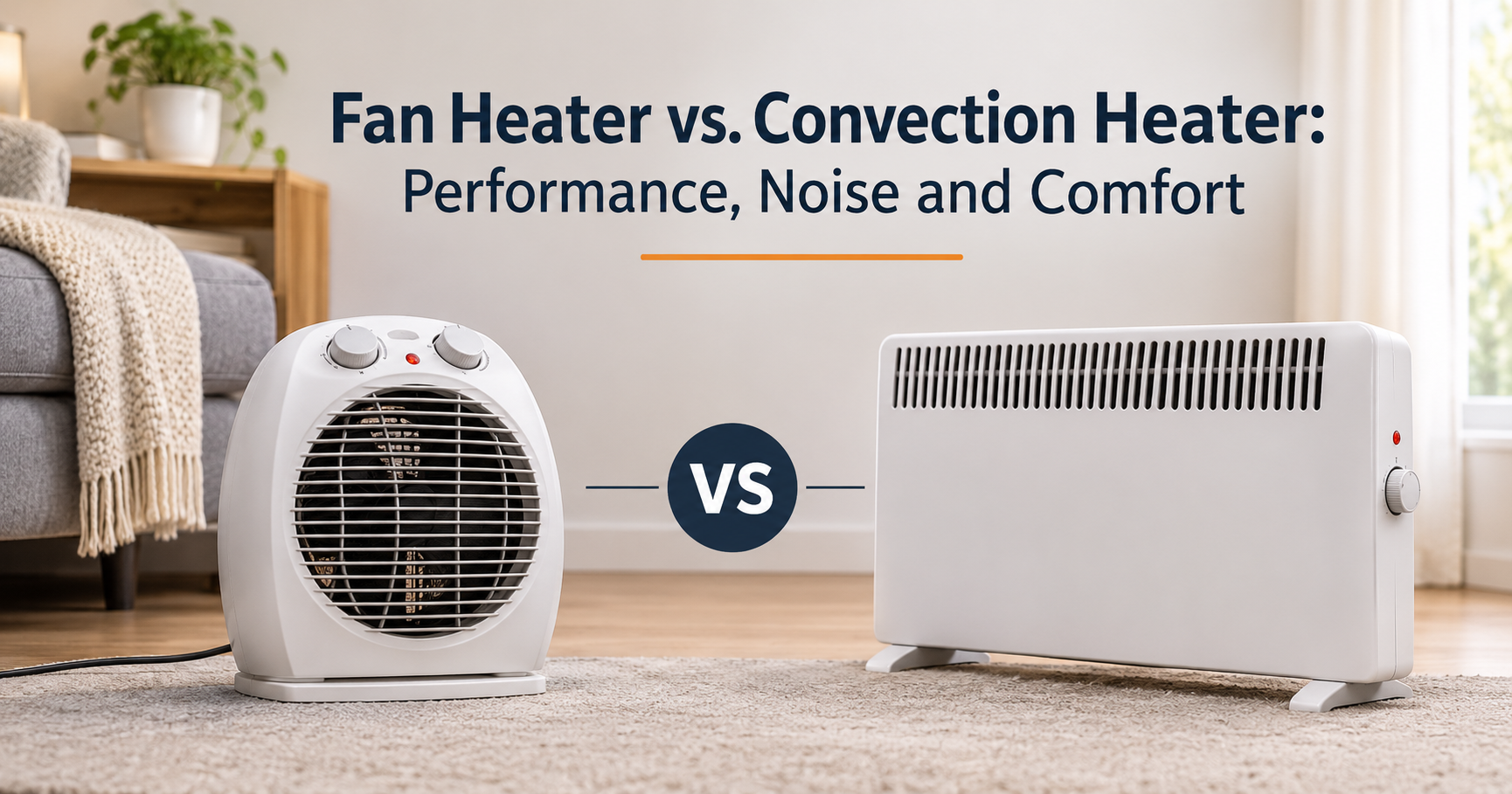
| Fan heater | Blows air over a very hot element | High. Fast heating and strong airflow make skin and surfaces lose moisture quickly. |
| Ceramic heater | Fan plus heated ceramic plates | Moderate to high. Heats quickly, but the moving air still feels drying. |
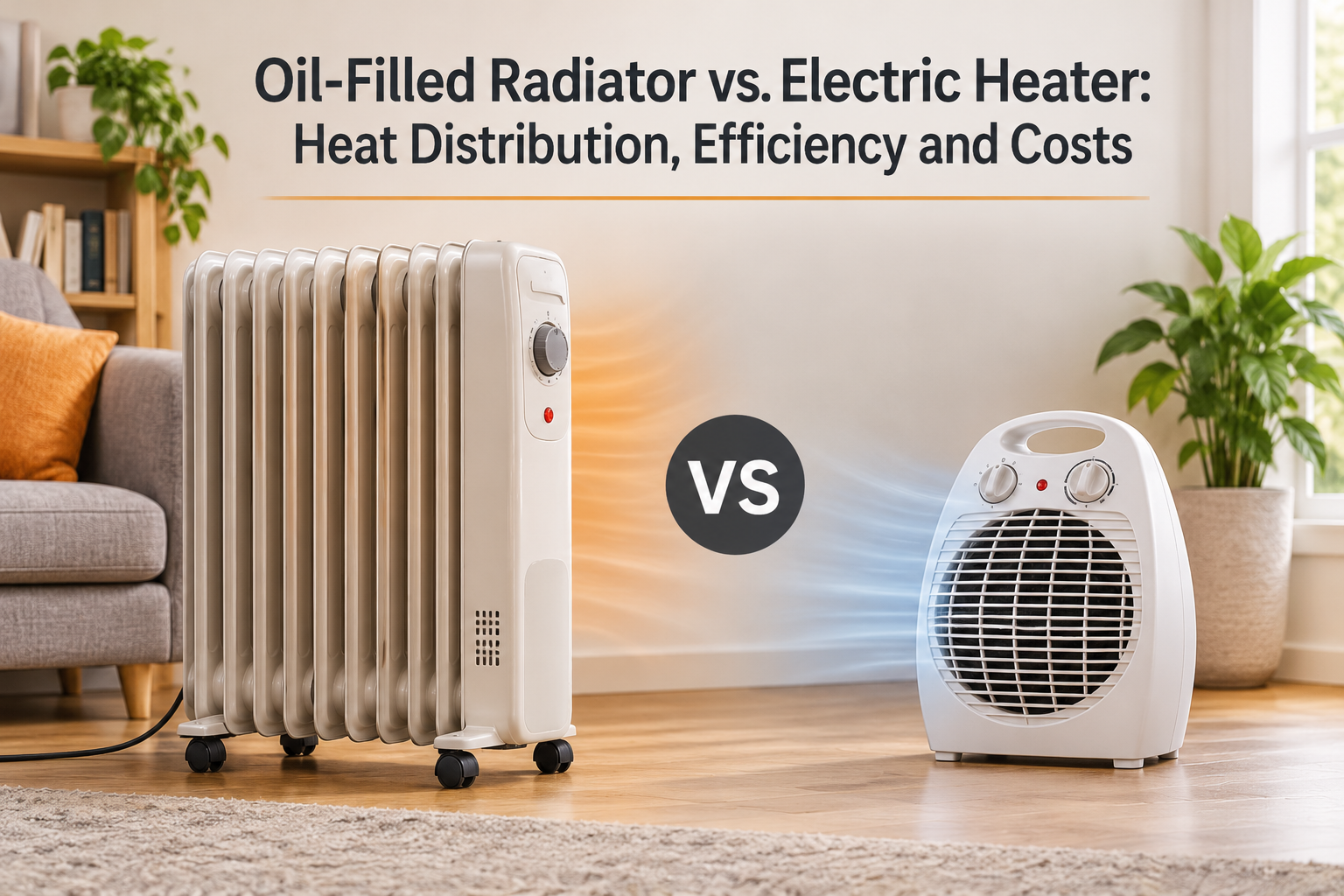
| Oil-filled radiator | Heated oil warms metal fins that radiate heat gently | Lower. Slower, steadier heat and lower surface temperature feel softer. |
| Convection panel heater | Warm air rises naturally through a panel | Moderate. Quiet and even, but it still warms all the air in the room. |
| Infrared (radiant) heater | Warms people and objects directly | Lower. Less need to heat the air, so humidity drops less. |
| Heat pump or air conditioner in heating mode | Moves heat from outside air | Moderate to high. Airflow is strong, and the units can also remove some moisture while running. |
A word of caution about unvented gas or kerosene heaters: although they release moisture as a by-product of burning fuel, they also release carbon monoxide and other pollutants indoors. They are not a safe way to add humidity, and they should never be used in a closed bedroom.
What Is the Ideal Indoor Humidity?
For most homes, the comfortable and healthy range is between 30% and 50% relative humidity, with 40% to 50% being the sweet spot for most people. Below 30%, you will start to notice dryness symptoms. Above 60%, you create a perfect environment for mold, mildew, and dust mites. In cold weather, aim for the lower half of the range, because very humid indoor air can cause condensation on cold windows and walls.

10 Easy Ways to Stop Your Room Heater From Drying Out the Air
1. Use a Humidifier
This is the most effective fix. A humidifier adds water vapor directly to the air and can raise humidity by 10 to 20 percentage points in a closed room. Place it a few feet away from the heater and from the bed, and keep it off the floor on a stable table if the manufacturer recommends it.
2. Monitor Humidity With a Hygrometer
You cannot manage what you do not measure. A small digital hygrometer costs very little and shows temperature and relative humidity in real time. Keep one in the bedroom and one in the living area so you know exactly when to adjust.
3. Lower the Heater Setting
The hotter the room, the lower the relative humidity. Lowering the thermostat by just 1 to 2 degrees Celsius can noticeably improve comfort, reduce dryness, and cut your electricity bill at the same time. Wearing a light sweater or using a blanket is often enough to make up for the difference.
4. Choose the Right Type of Heater
If you are shopping for a new heater, an oil-filled radiator or an infrared heater is usually gentler on the air than a high-speed fan heater. Look for models with an adjustable thermostat, multiple heat settings, a timer, and tip-over and overheat protection.
5. Place Bowls of Water Near the Heater
A wide, shallow bowl of water placed safely near (not on) a heat source evaporates slowly and adds a small amount of moisture. It will not transform a large room, but it helps in small spaces. Keep bowls away from electrical cords and sockets, and out of reach of children and pets.
6. Add Houseplants
Plants release water vapor through their leaves in a process called transpiration. A few healthy plants such as peace lilies, Boston ferns, spider plants, and areca palms can raise humidity slightly while making the room feel fresher. Do not place them directly in front of the heater, as the hot airflow will dry them out.
7. Dry Some Laundry Indoors (With Care)
Hanging a few wet items on a drying rack releases moisture into the room as they dry. This works well in winter, but do it in moderation and with some ventilation. Too much indoor drying can push humidity too high and invite mold.
8. Seal Drafts and Keep Doors Closed
Drafts bring in cold, dry outside air that your heater then has to warm up, which lowers humidity even further. Weather stripping around doors and windows, draft stoppers, and thick curtains help keep the heat in and the moisture balance more stable. Closing the door of the heated room also stops moisture from escaping to the rest of the house.
9. Use Steam From Everyday Activities
Cooking with lids off, boiling water, and taking a warm shower all release moisture. After a shower, leaving the bathroom door open for a little while lets some steam move into nearby rooms. Use an exhaust fan only as needed to avoid trapping too much dampness in the bathroom itself.
10. Take Care of Your Skin and Body
While you fix the air, protect yourself too. Drink enough water, apply a moisturizer after bathing, use lip balm, and consider a saline nasal spray if your nose feels dry. These simple habits make a big difference in how you feel, especially during sleep.
How to Choose the Right Humidifier
If a heater is part of your winter routine, a good humidifier is one of the best companion purchases you can make. Here is what to look for.
Types of Humidifiers
- Cool mist ultrasonic: Uses high-frequency vibration to create a fine mist. Very quiet and energy efficient, which makes it a popular choice for bedrooms. Using distilled or demineralized water helps prevent white dust.
- Evaporative: A fan blows air through a wet wick or filter. It self-regulates humidity and does not produce white dust, but it is a little louder and needs filter replacement.
- Warm mist (steam): Boils water to produce steam. It can feel soothing in a cold room, but it uses more power and the hot water creates a burn risk around children and pets.
- Whole-house humidifier: Connects to your central heating system. It is powerful and convenient, but it is a bigger investment and usually requires professional installation.
Key Features to Compare
- Room coverage: Match the rated room size to your space. A unit that is too small will run constantly and still struggle.
- Tank capacity: A larger tank means fewer refills. For overnight use, look for a tank that can last 8 to 12 hours.
- Built-in humidistat: Lets the unit switch off automatically when your target humidity is reached.
- Auto shut-off: Turns the unit off when the water runs out, protecting the motor.
- Noise level: Quiet operation matters in a bedroom, so look for models with a sleep mode.
- Easy cleaning: A wide tank opening and removable parts make regular cleaning far less of a chore.
- Top-fill design: Makes refilling simple without having to flip the tank.
Keep Your Humidifier Clean
A dirty humidifier can spread bacteria and mold spores through the air, which defeats the purpose. Empty and rinse the tank daily, refill with fresh water, and give the unit a deeper clean at least once a week following the manufacturer’s instructions. Replace filters and wicks on schedule.
Heater Safety Tips You Should Never Ignore
- Keep the heater at least one meter (about three feet) away from curtains, bedding, furniture, and clothing.
- Plug the heater directly into a wall socket. Avoid extension cords and cheap power strips, as heaters draw a lot of power.
- Never cover a heater or use it to dry clothes directly.
- Choose a model with tip-over and overheat protection, and check that it carries a recognized safety certification.
- Turn the heater off when you leave the room or go to sleep, unless it has a reliable thermostat and timer designed for overnight use.
- Keep a gap between a humidifier and a heater so that the heater does not overheat the water tank, and so that mist does not wet the heater.
- Never place a bowl of water or a humidifier where it could spill onto electrical parts.
Common Mistakes to Avoid
- Cranking the heater to the maximum. Higher temperatures mean lower humidity and wasted electricity.
- Over-humidifying. Pushing humidity above 60% leads to condensation, damp walls, and mold growth.
- Using tap water in an ultrasonic humidifier without thinking. Hard water can leave white mineral dust on furniture and build up scale inside the unit.
- Skipping the cleaning routine. A neglected humidifier can do more harm than dry air.
- Sleeping directly in front of the heater. It dries out your skin, eyes, and throat very quickly and increases the safety risk.
- Guessing the humidity. Without a hygrometer, it is easy to overshoot or undershoot.
Quick Checklist for a Comfortable, Warm Room
- Set the room temperature between 18°C and 22°C (64°F to 72°F).
- Keep relative humidity between 40% and 50%.
- Use a humidifier with a built-in humidistat, and keep it clean.
- Place a hygrometer where you spend the most time.
- Seal drafts and keep the heated room closed.
- Maintain safe distances around the heater.
- Moisturize and stay hydrated.
Frequently Asked Questions
Does a room heater remove moisture from the air?
No. An ordinary electric heater does not remove water vapor. It raises the temperature, which lowers the relative humidity and makes the air feel drier. The total moisture content of the room stays about the same.
Is an oil-filled radiator better than a fan heater for dry air?
Generally, yes. Oil-filled radiators and infrared heaters provide gentler, steadier warmth without blasting hot air across the room, so they tend to feel less drying than fan heaters. Humidity will still drop as the room warms, so a humidifier may still be needed.
Can I use a humidifier and a heater at the same time?
Absolutely. In fact, this is the ideal combination in cold weather. Just keep the humidifier at a safe distance from the heater, avoid pointing the mist directly at it, and watch humidity levels with a hygrometer.
Do water bowls really work?
They help a little in small rooms, but they are much less effective than a humidifier. Think of them as a small supporting measure rather than a full solution.
What is a healthy humidity level when the heater is on?
Aim for 40% to 50%. Anything below 30% is too dry, and anything above 60% increases the risk of mold and dust mites.
Can dry air from a heater make me sick?
Dry air does not directly cause illness, but it can irritate your nose, throat, and eyes, worsen asthma and allergies, and weaken the natural moisture barrier in your airways. Keeping humidity in the healthy range helps your body cope better with seasonal bugs.
Should I leave a heater on all night?
It is safer to avoid it. If you must use one overnight, choose a model with a thermostat, timer, and tip-over protection, keep it well away from bedding, and make sure the room does not become too dry.
Final Thoughts
A room heater does not literally steal moisture from your home, but by warming the air, it lowers relative humidity and creates the dry, uncomfortable conditions many people complain about each winter. The solution does not mean giving up warmth. With a sensible thermostat setting, a heater that suits your room, a reliable humidifier, and a simple hygrometer to keep track, you can enjoy a cozy home that is also comfortable to breathe in.
Start with the easy steps: lower the temperature a little, seal obvious drafts, and measure your humidity. If the numbers stay below 30%, add a humidifier and aim for that healthy 40% to 50% zone. Your skin, throat, sleep, and furniture will all thank you.