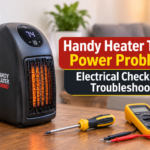
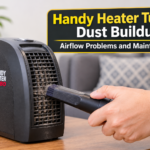
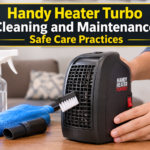
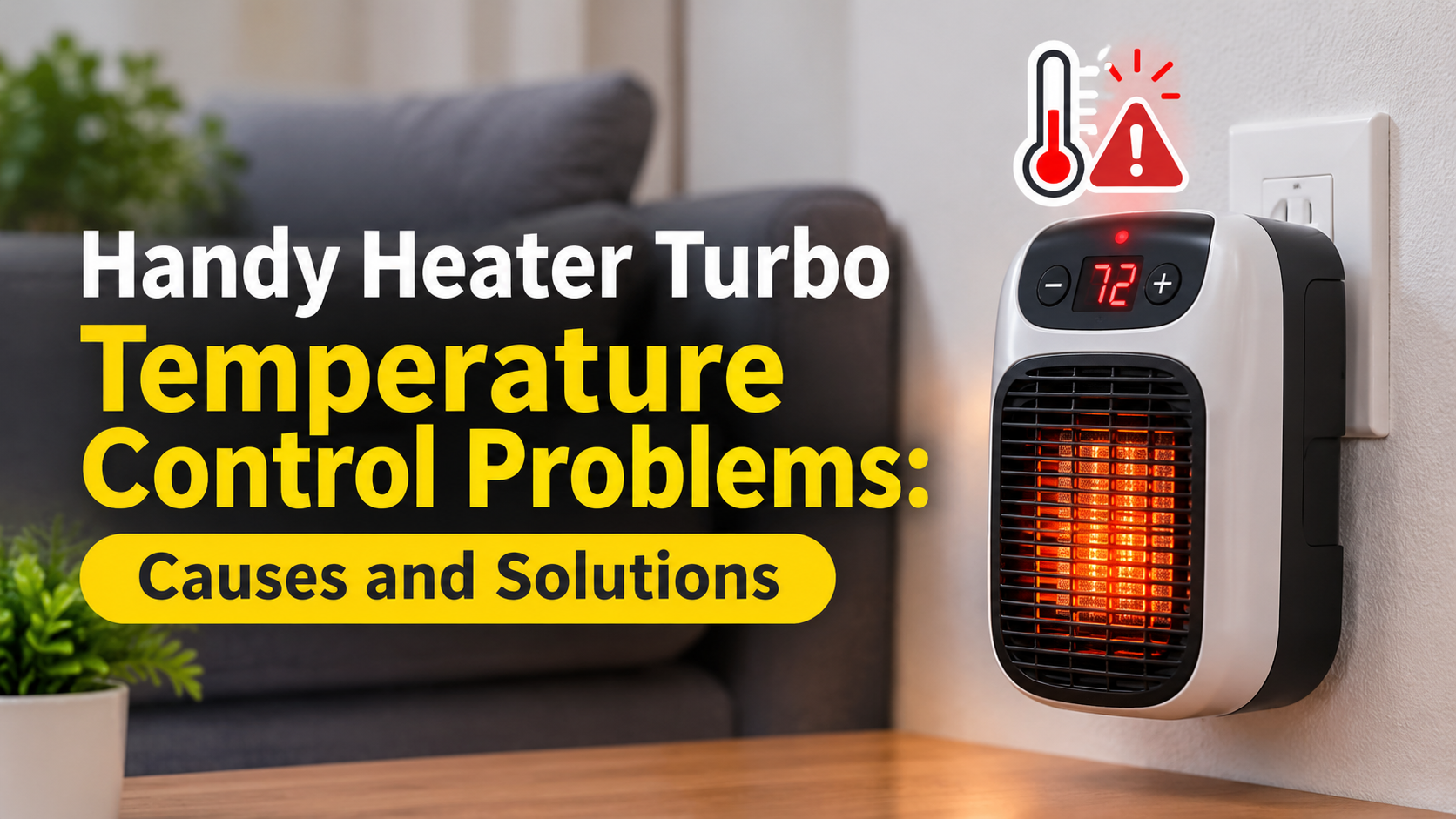
You switch on your Handy Heater Turbo, turn the dial to a comfortable setting, and wait for the room to warm up. Instead, the heater blows lukewarm air, shuts off too early, never switches off at all, or ignores the dial completely. If that sounds familiar, the thermostat is the first place to look.
The good news is that many “thermostat not working” problems have simple causes that you can check at home in a few minutes: a dial that is set too low, dusty vents, a weak power supply, or a safety cut-out that has tripped. Other faults, such as a worn switch or a failed sensor, mean the heater should be replaced rather than repaired.
This guide explains how the thermostat works, the signs that it is failing, the most common causes, a step-by-step troubleshooting routine, and the safety rules you should follow at every stage. It also covers what to look for if you decide it is time for a replacement.
What Does the Thermostat in a Portable Heater Do?
A thermostat is the part that decides when your heater should heat and when it should rest. Compact heaters of this type usually rely on a simple temperature-sensing switch or a small electronic sensor. It measures the air near the heater, compares it with the level you set on the dial, and then switches the heating element on or off.

When the room is colder than the setting, the heating element stays on and the fan pushes warm air out. When the room reaches the target, the thermostat cuts power to the element. Once the air cools slightly, the cycle starts again. A healthy heater therefore clicks or pauses from time to time, and that is completely normal.
Signs Your Handy Heater Turbo Thermostat Is Not Working
Thermostat problems show up in a few recognisable ways. Check whether your heater matches any of these patterns:
- The heater never gets warm. The fan runs, but the air stays cool, even on the highest setting.
- The heater turns off too soon. It switches off after a minute or two while the room is still cold.
- The heater never cycles off. It keeps heating no matter how low you turn the dial, and the casing or the air becomes uncomfortably hot.
- The dial feels loose or has no effect. Turning it makes no difference to the output, or it spins without any resistance.
- The temperature swings widely. The room alternates between too hot and too cold in short cycles.
- There is no click at all. You never hear the soft switching sound as the dial moves through its range.
Not every one of these points to a broken thermostat. Dust, poor airflow and power problems can imitate the same symptoms, which is why it is worth working through the simple checks first.
Common Causes of Thermostat Problems

1. The Dial Is Set Too Low or Is Not Fully Engaged
It sounds obvious, but a dial that sits slightly below the room temperature will keep the heater switched off. Some dials also slip on their shaft. If the knob turns but nothing changes, the heater may not be reading your setting properly.
2. Dust and Blocked Airflow
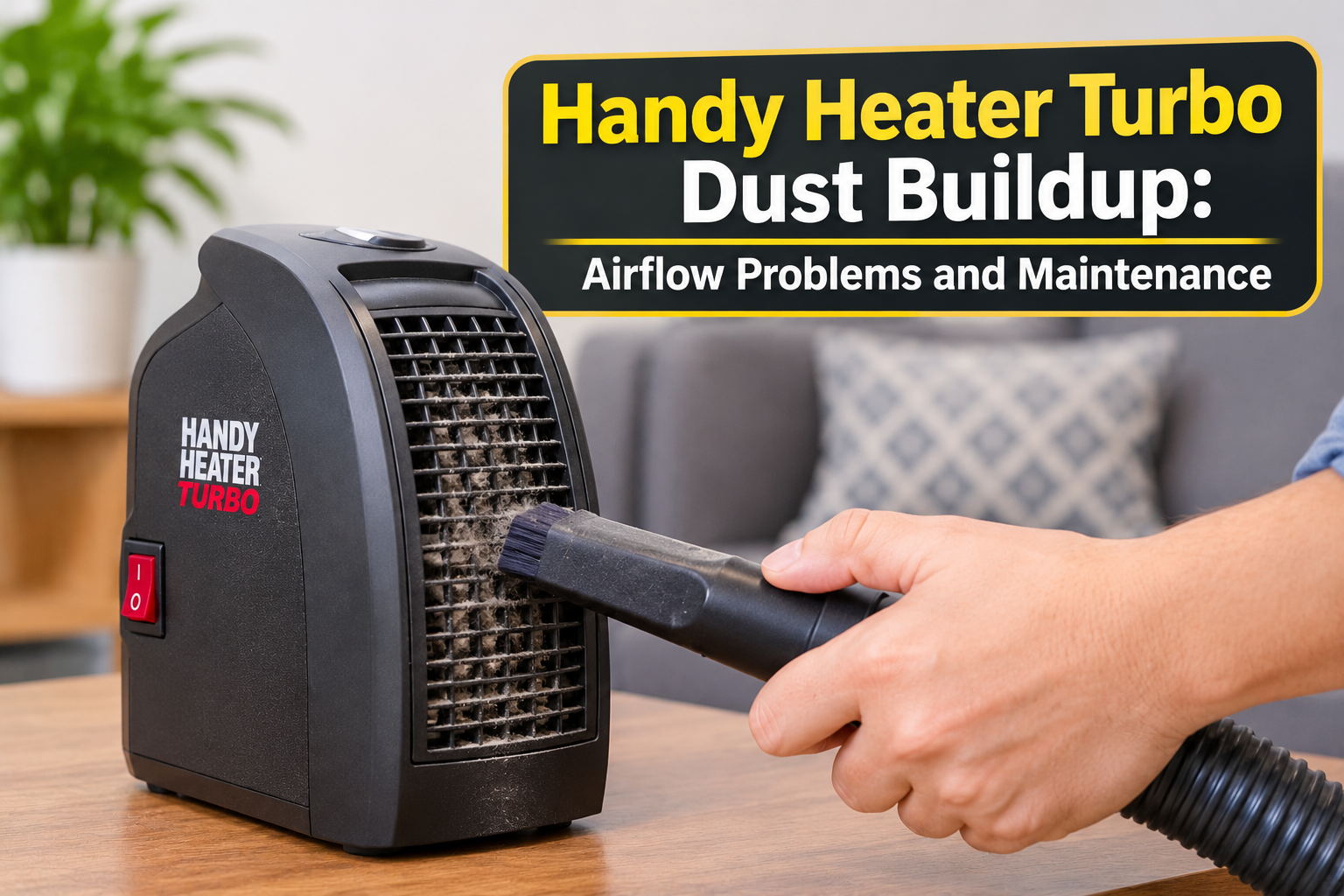
Dust builds up quickly inside a small heater. A layer of lint over the intake grille, or on the sensor area, can trap heat around the thermostat. The heater then senses a warmer environment than the room really has and shuts off early. Blocked airflow can also trigger the overheat protection, which cuts power for safety.
3. Weak or Unstable Power Supply
Heaters draw a lot of electricity. A loose plug, a worn socket, a power strip, or a long extension cord can reduce the power that reaches the heater. The fan may still run, but the element may not heat properly. Manufacturers generally advise plugging a heater straight into a wall outlet and not sharing that outlet with other high-power appliances.
4. Overheat Protection Has Tripped
Portable heaters include a safety cut-out that switches the unit off when it gets too hot. When this protection activates, the heater may stay off or restart only after cooling down. Repeated tripping usually means that airflow is restricted, the heater is too close to a wall or furniture, or the thermostat is not controlling the temperature as it should.
5. Placement Near Drafts or Heat Sources
The sensor reads the air around the heater. If the heater sits in a cold draft near a window or door, it may run constantly. If it sits near a hot surface, sunlight, or on top of a rug that traps warmth, it may switch off too early. Placement changes the reading, so it affects how the thermostat behaves.
6. A Worn or Sticky Thermostat Switch
Switches that open and close thousands of times can wear out. A worn switch may stick closed, so the heater never turns off, or stay open, so the heater never turns on. This is an internal fault, and it is not something to repair at home.
7. A Failed Sensor or Control Component
In heaters with electronic controls, a faulty sensor or control component can send wrong readings. The result is erratic heating, a heater that ignores the dial, or one that shuts down without a clear reason. This also calls for replacement, since opening the casing is unsafe and may void any warranty.
Step-by-Step: How to Troubleshoot the Thermostat
Follow these steps in order. They move from the simplest check to the most revealing, and each one is safe to do without opening the heater.

Step 1: Unplug the Heater and Let It Cool
Switch the heater off, unplug it, and wait about 30 minutes. This lets the overheat protection reset if it tripped, and it makes the heater safe to handle.
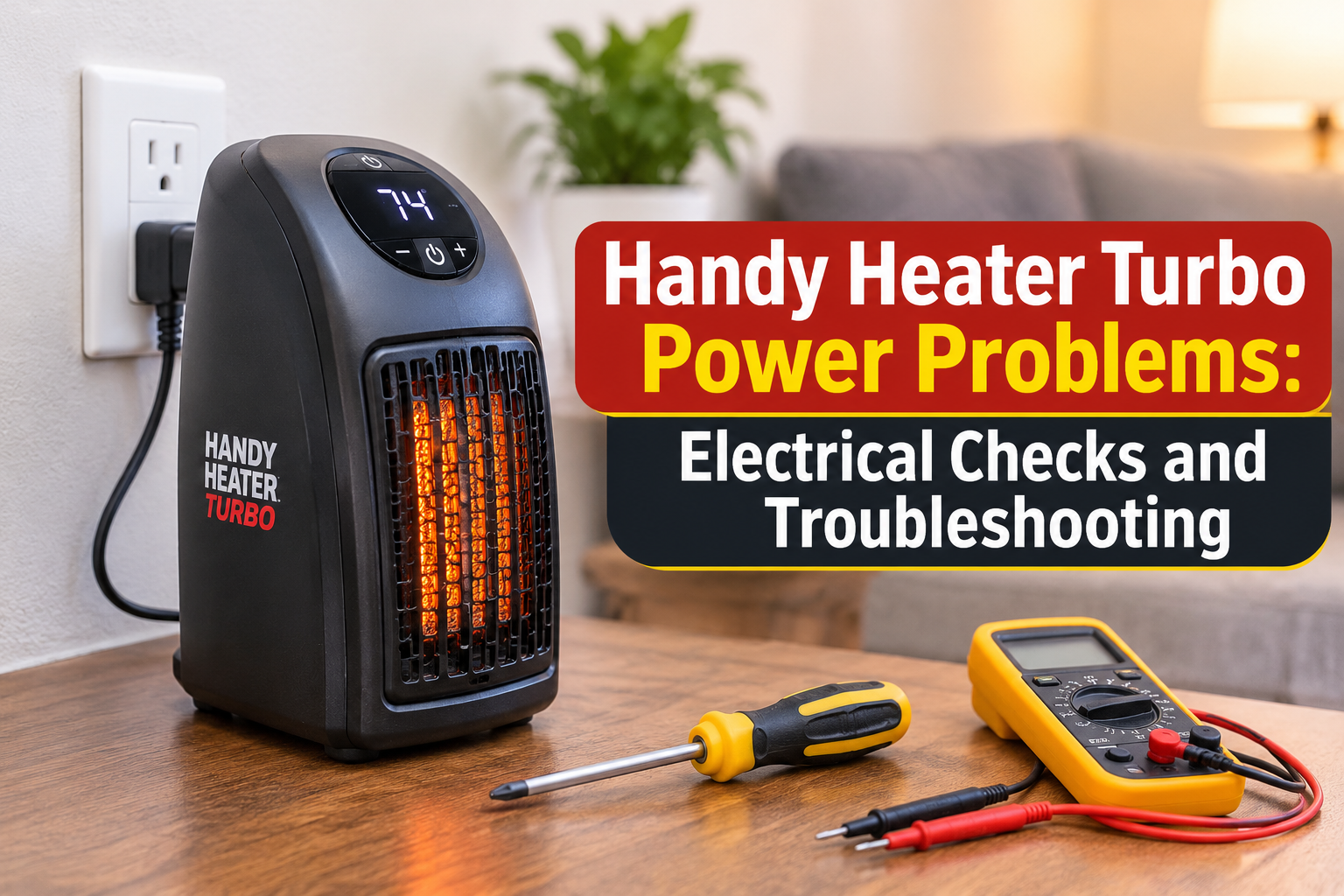
Step 2: Check the Outlet and Cord
Plug the heater into a wall outlet that you know works, and avoid extension cords and power strips. Look along the cord and plug for burn marks, bent pins, cracks or a plug that feels hot. If you see any damage, stop using the heater immediately.
Step 3: Clean the Vents and Grille
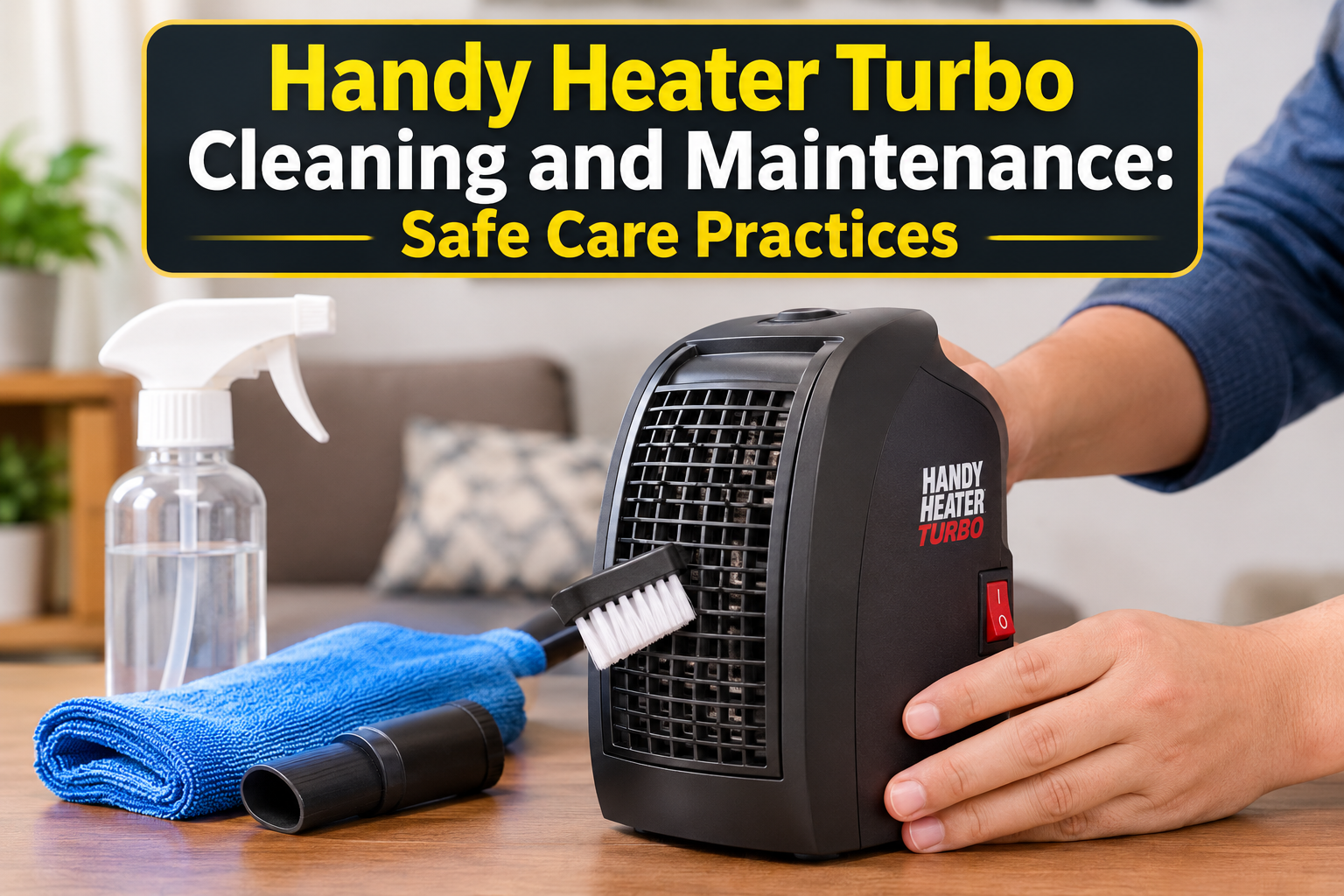
With the heater unplugged and cool, gently remove dust from the intake and outlet grilles using a soft brush or a vacuum cleaner with a brush attachment. Do not use water or spray cleaners. Clear airflow is often all that a struggling thermostat needs.
Step 4: Reposition the Heater
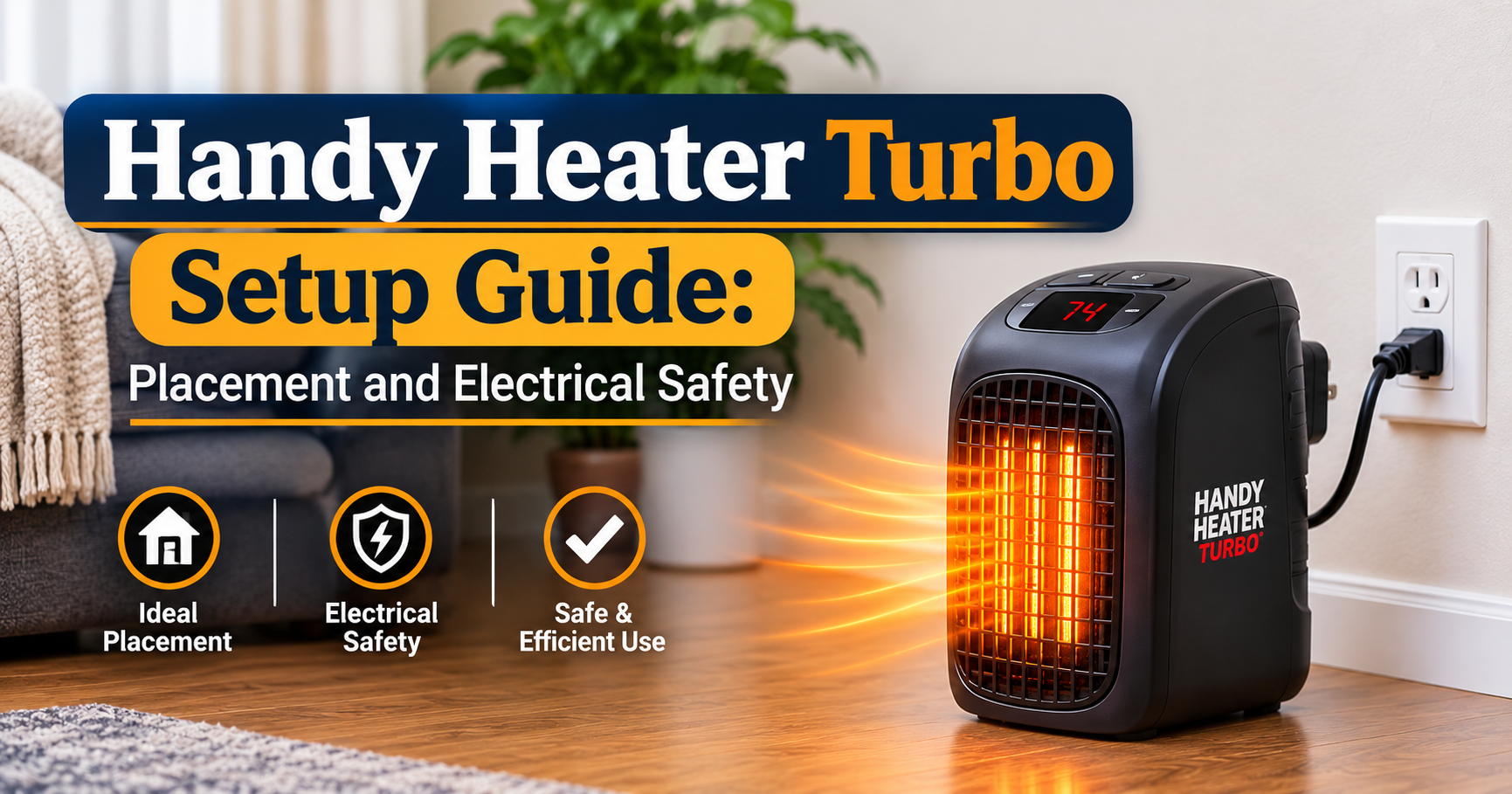
Place it on a flat, hard surface, around three feet (one metre) away from curtains, furniture and walls. Keep it away from cold drafts, direct sunlight, and other heat sources so the sensor reads the true room temperature.
Step 5: Test the Dial
Plug the heater in and turn the dial to its highest setting. The heater should start heating within a short time. Then slowly turn the dial down. Many heaters make a soft click as the thermostat switches off. If the heater responds to the dial, the thermostat is probably working and the earlier problem was dust, placement or power. If nothing changes at any setting, the control is likely faulty.
Step 6: Retest While You Are in the Room
Run the heater for 15 to 20 minutes while you are present, and watch how it behaves. A normal heater warms the air, cycles off when the room is comfortable and then comes back on. If it keeps overheating, repeatedly shuts down, smells of burning, or never cycles, stop using it.
How to Tell If the Thermostat Is the Real Problem
Because several faults look alike, it helps to compare the symptoms. These pointers can help you decide where the fault lies:
| What You Notice | Likely Cause | What to Do |
|---|---|---|
| Fan runs, air stays cool | Low dial setting, weak power or a failed element or thermostat | Use a wall outlet, raise the dial, then retest |
| Turns off after a few minutes | Dust, blocked vents or overheat protection | Clean the vents and move the heater |
| Never switches off at any setting | Stuck thermostat switch | Unplug and stop using it |
| Dial turns but nothing changes | Worn dial or failed control | Contact the seller or replace the heater |
| Burning smell or visible damage | Serious fault or damaged wiring | Unplug immediately and do not use again |
Heater Safety: What to Do and What to Avoid
A faulty thermostat is not only an inconvenience. If it fails to switch the heater off, the unit can overheat. For this reason, safety always comes before troubleshooting.

- Never open the casing. Internal parts carry mains voltage, and tampering can create a fire or shock risk.
- Do not cover the heater. Drying clothes or placing blankets on it blocks airflow and causes overheating.
- Avoid extension cords. Plug directly into a wall socket whenever possible.
- Keep children and pets away. The grille and casing can become hot.
- Do not leave it running unattended. Switch it off when you leave the room or go to sleep.
- Stop using it if it smells of burning. Unplug it and let it cool, then do not use it again until it has been checked or replaced.
When to Stop Using the Heater and Replace It
It is time to retire the heater if any of the following apply:
- The heater does not respond to the dial after you have cleaned it and tested it on a wall outlet.
- It stays on at a high temperature no matter how you adjust the dial.
- The plug, cord or casing is damaged, discoloured or melted.
- The overheat protection trips again and again, even with clear airflow.
- You notice a persistent burning smell.
If the heater is still within its warranty or return period, contact the seller first, because a faulty thermostat on a new unit is often covered. Keep your proof of purchase and describe the symptoms clearly, including what you have already tried.
How to Keep Your Heater’s Thermostat Working Longer
A little routine care goes a long way in extending the life of a portable heater:
- Clean the vents regularly. Dust the grilles every couple of weeks during the heating season.
- Store it properly. At the end of winter, clean it, let it dry fully, and keep it in a dry place, ideally in its original box.
- Handle the dial gently. Turn it smoothly and avoid forcing it past its stops.
- Use the right setting. Constantly running the heater at its maximum setting in a small room causes more switching and wear.
- Keep the heater level. A heater that is knocked over or tilted may trigger its safety features.
What to Look for in a Replacement Heater
If your heater has reached the end of its life, a few features will help you pick a safer and more reliable model next time:
- An adjustable thermostat. A clearly marked dial or digital control makes it easier to keep the room comfortable.
- Overheat protection. This is an essential safety feature that cuts power if the unit gets too hot.
- A tip-over switch. It switches the heater off automatically if it is knocked over.
- The right power for your room. As a rough guide, electric heaters need about 10 watts for every square foot of floor area. Small personal heaters suit small spaces and desks, and larger rooms need more output.
- Safety certification. Look for recognised safety marks for your region on the product and packaging.
- A solid build and a good warranty. A sturdy casing, a firm dial, and a clear return policy give you protection if something fails early.
- Quiet operation. If you plan to use the heater in a bedroom or office, check user feedback on fan noise.
Frequently Asked Questions
Why is my Handy Heater Turbo not heating even though the fan works?
The fan and the heating element are separate parts. If the fan runs but the air stays cool, check the dial setting, use a wall outlet, and clean the vents. If the heater still does not heat, the thermostat or the heating element may have failed, and the unit should be replaced or checked by the seller.
Why does my heater turn off by itself after a few minutes?
The most common reasons are blocked vents, dust, poor placement, or the overheat protection activating. Unplug the heater, let it cool, clean the grilles, and move it into an open space. If it keeps switching off, stop using it.
Can I repair a faulty heater thermostat myself?
It is not recommended. The parts inside carry mains voltage, and incorrect repairs can cause fire or electric shock. Cleaning the outside vents is safe, but internal repairs should be left to a qualified technician, or you should replace the heater.
Is it normal for the heater to click on and off?
Yes. A soft click or a short pause as the thermostat switches the element is normal. Loud popping, buzzing, sparks, or a burning smell are not normal, and you should stop using the heater at once.
Is it safe to use a heater with a thermostat that does not switch off?
No. If the heater keeps running at full power and the thermostat does not cycle, it can overheat. Unplug it and do not use it again until it has been replaced or inspected.
How long should a portable heater last?
This varies by quality and how often you use it, but with regular cleaning and careful use, many portable heaters can serve several winters. Cheap units used for many hours a day will wear out sooner.
Final Thoughts
A Handy Heater Turbo thermostat that stops working is usually caused by something simple: a low dial setting, dust, blocked airflow, poor placement, or a weak power connection. Work through the six-step checklist, clean the vents, use a wall outlet, and test the dial. In many cases the heater will return to normal.
If the heater still ignores the dial, never switches off, trips its protection repeatedly, or gives off a burning smell, the safest choice is to stop using it. Do not open the casing. Contact the seller if the unit is under warranty, or choose a replacement with an adjustable thermostat, overheat protection and a tip-over switch. Your safety and your home matter more than saving a faulty heater.