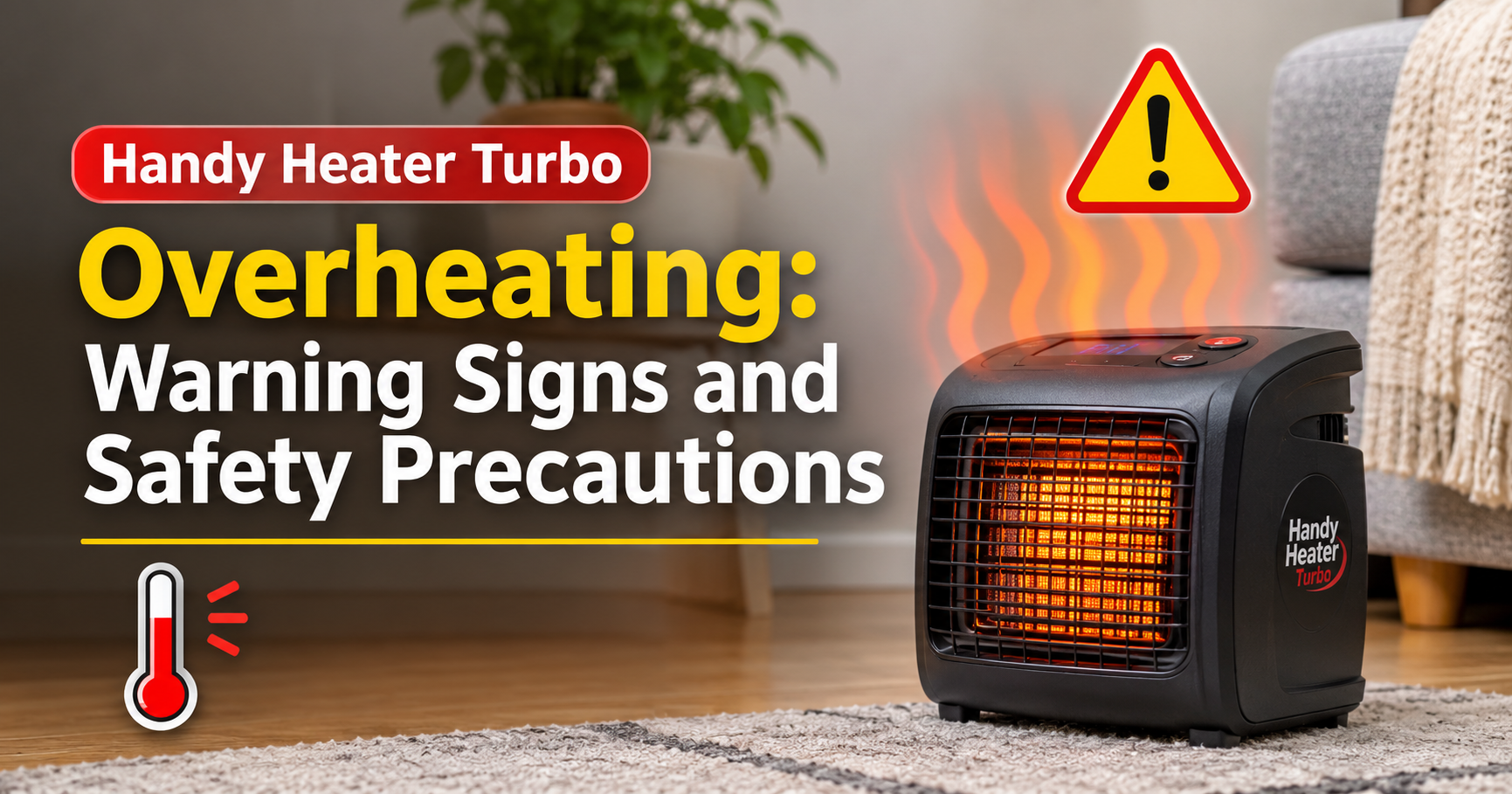
A handy heater is a small, powerful and easy-to-carry heater that warms a room fast. Its turbo mode is the reason many people buy it: one press of a button and the heater pushes out maximum heat. But if your handy heater gets too hot, smells strange, shuts off by itself or feels hot on the casing and plug, that same turbo mode can quickly turn from helpful to risky.
This guide explains why a handy heater overheats in turbo mode, which warning signs you should never ignore, what you can safely check at home, and how to pick a heater that handles high power better. Read it from start to finish before you use turbo mode again.
What Turbo Mode Actually Does
Most handy heaters have a heating element (a coil or ceramic plate), a fan, a thermostat and a safety cutoff. In normal or low mode, the heater uses less power and the element stays at a moderate temperature. In turbo mode, the heater sends the maximum amount of electricity to the element and usually runs the fan faster as well.
That means three things happen at once: the element gets much hotter, the plug and cable carry more current, and the inside of the heater needs a lot more airflow to stay safe. If any one of these is weak, the heater will overheat. Turbo mode is meant for short bursts, not for all-day use.
Is It Normal for a Handy Heater to Get Hot?
Yes, some heat is normal. The front grille will be very hot, and the body can feel warm, especially in turbo mode. What is not normal is the following:
- The plastic body is too hot to touch comfortably, especially near the back or the top.
- The power plug or the socket feels hot or looks discolored.
- You smell burning plastic, hot metal or a sharp electrical odor that does not fade after a minute or two.
- The heater switches itself off and on repeatedly.
- The fan is slow, noisy, wobbly or has stopped completely while the heater is still on.
- You see sparks, flickering lights or smoke.
If you notice any of the last three signs, switch the heater off and unplug it immediately and do not use it again until it has been checked or replaced.

The 6 Most Common Causes of Turbo Overheating
1. Blocked Airflow
This is the number one cause. A handy heater needs free air to move through the front grille and the rear vents. If the heater is pushed against a wall, placed under a table, covered by a blanket or sitting too close to a curtain or sofa, the hot air has nowhere to go. The heat stays inside the body, the temperature rises quickly in turbo mode and the safety cutoff starts to trigger.
2. Dust and Lint Buildup
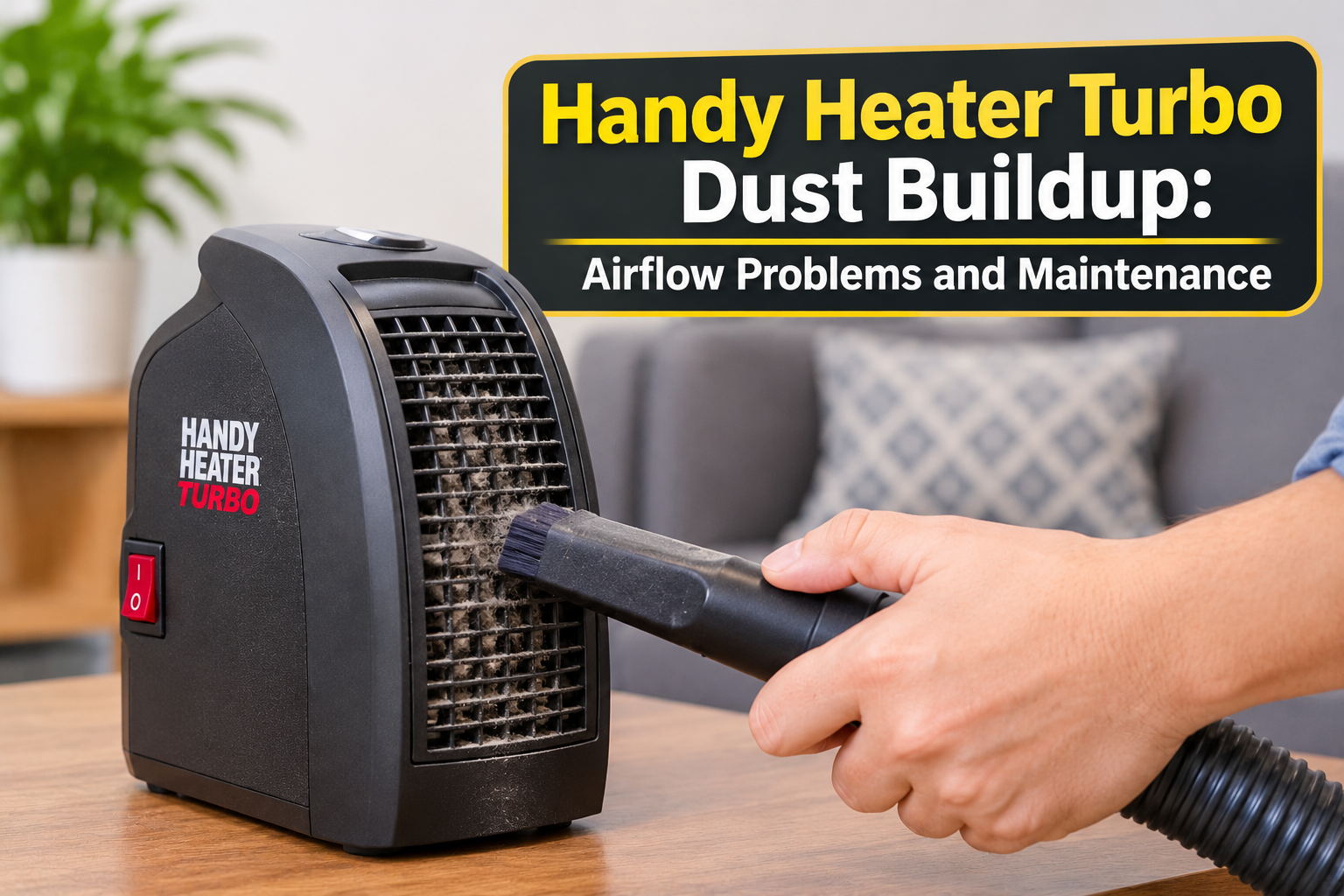
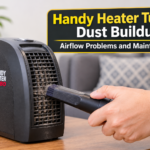
Over a season, dust, pet hair and lint collect on the rear intake and around the fan. A thin dust layer acts like a blanket on the element and also slows the fan. You often notice this as a burning dust smell the first time you use the heater after storage, but heavy dust can also cause real overheating, especially at maximum power.
3. A Weak or Failing Fan
The fan is the cooling system of the heater. If the motor is worn, the blades are dirty or the bearings are dry, the fan spins too slowly. The element stays powered, but the heat is not carried away. The result is a hot, smelly heater and a thermal cutoff that keeps tripping.
4. A Faulty Thermostat or Thermal Cutoff
The thermostat tells the heater when to stop heating, and the thermal fuse is the last line of defense. If the thermostat sensor is worn, dirty or out of position, the heater may not know the room is already warm and will keep heating at full power. This is a serious fault that is not safe to repair at home.
5. Weak Power Supply, Loose Plugs and Extension Cords
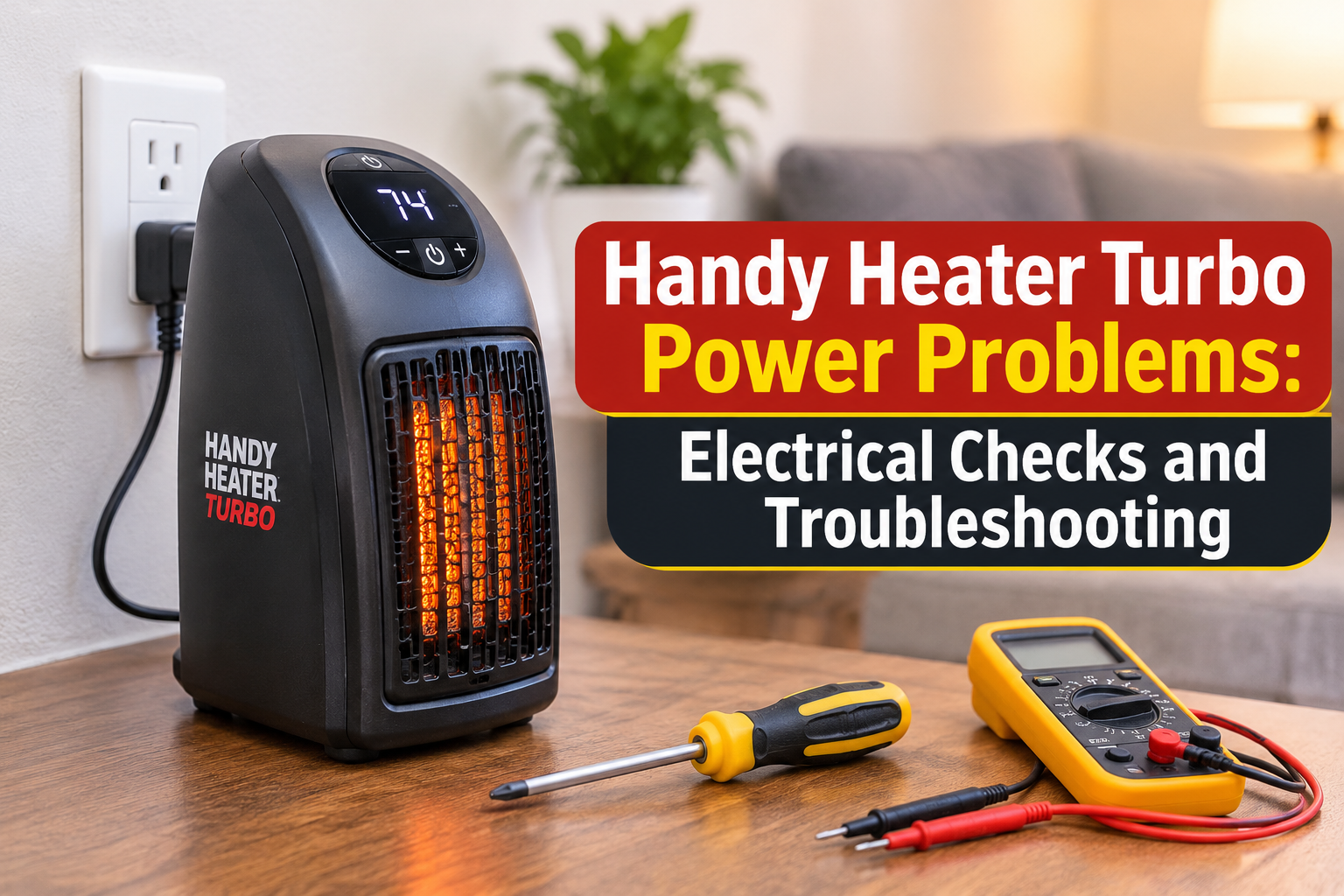
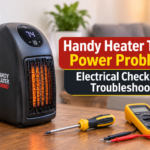
Heaters draw a lot of power. A loose plug, an old wall socket, a thin extension cord or a shared multi-plug adapter creates resistance, and resistance creates heat at the plug and cable instead of the heating element. A hot plug is a clear warning: the problem is no longer only inside the heater.
6. Running Turbo Mode for Too Long
Even a healthy heater is not designed to sit at maximum output for many hours. Long turbo sessions stress the element, the wiring, the switch and the plastic parts. Over time, components wear out faster and the chance of overheating rises.
Where You Place the Heater Matters
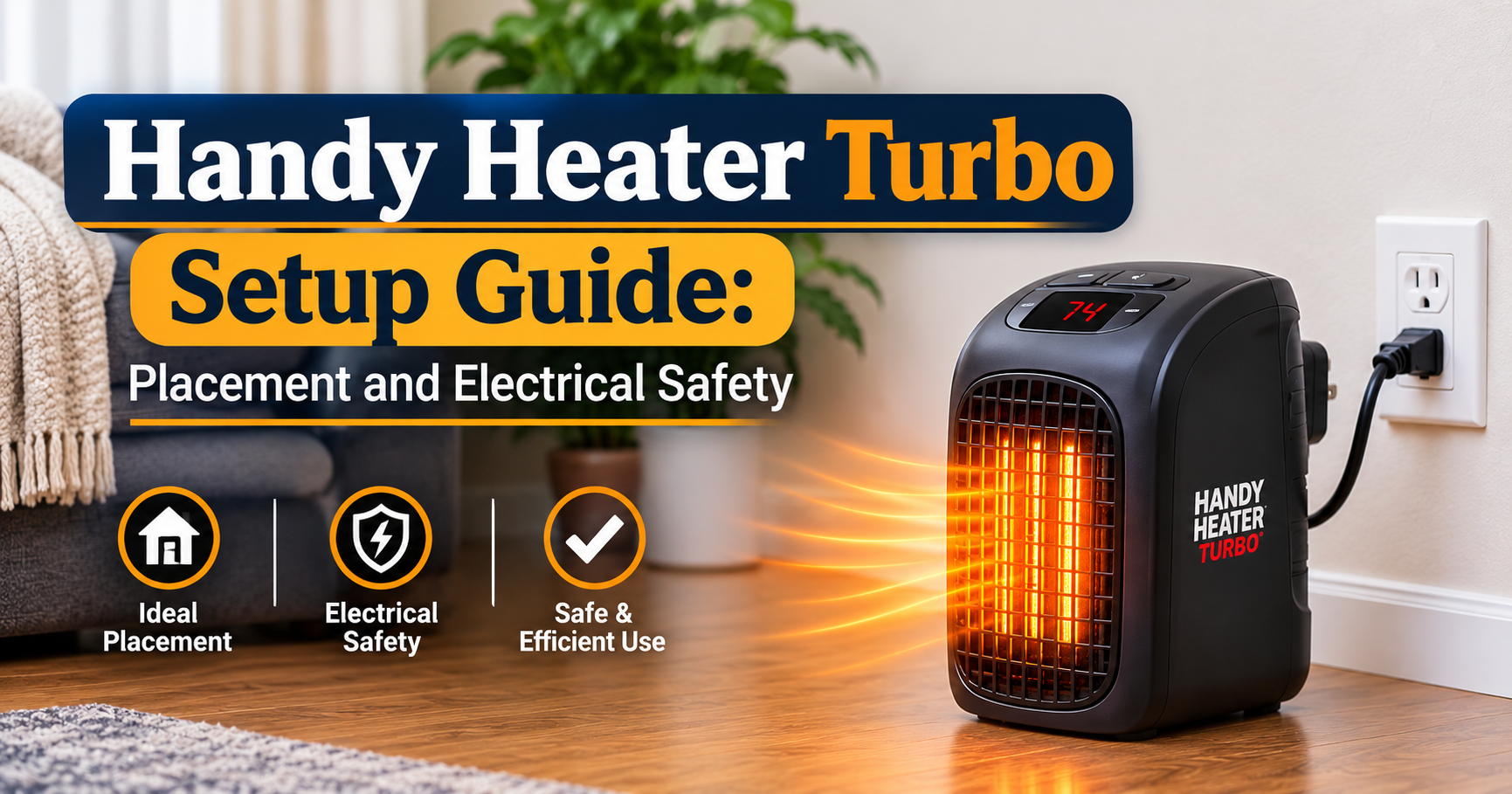
Good placement can solve many overheating problems without any repair. Put the heater on a flat, hard, level floor, never on a carpet, bed, sofa or table that can tip. Keep the front of the heater clear for at least 3 feet (about 90 cm) and leave about 1 foot (30 cm) on each side and the back, unless your manual states a larger distance. Keep curtains, bedding, clothes, paper and furniture well outside this zone.

Step-by-Step: What To Do When Your Handy Heater Overheats
If your heater becomes too hot, follow these steps in order. Do not skip the cooling step and do not open the heater while it is plugged in.

- Switch it off and unplug it. Use the power switch first, then pull the plug from the wall by holding the plug, never the cable.
- Let it cool completely. Wait at least 30 minutes. The grille and the inside stay hot for a while after switching off.
- Check the vents and surroundings. Move the heater away from walls, furniture and fabric. Look for anything blocking the front or rear vents.
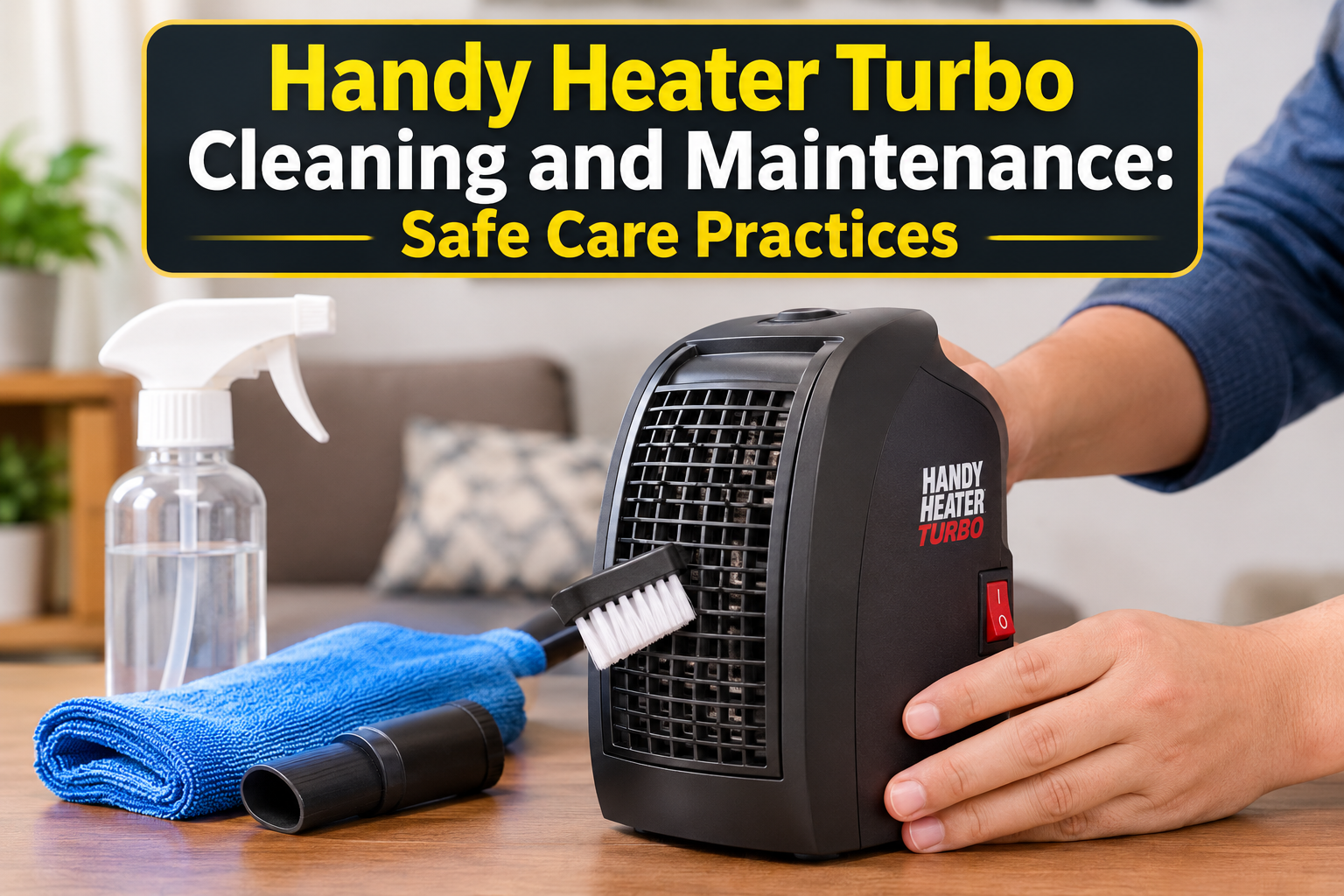
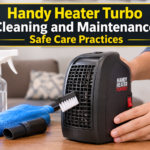
- Clean the dust. With the heater unplugged and cool, use a soft brush or a vacuum cleaner with a brush attachment on the grille and rear intake. Do not use water or a wet cloth on the inside.
- Check the plug, cable and socket. Look for discoloration, melted plastic, a bent pin or a loose fit. Plug the heater straight into a good wall socket. Do not use an extension cord or a shared adapter.
- Test on a lower setting. Run the heater on normal or low heat for about 15 minutes in an open, clear area while you stay in the room. Touch the body carefully to see if it feels reasonable.
- If it still overheats, stop using it. If it still gets too hot, smells of burning, trips off repeatedly or the fan does not run properly, stop using it. Contact the seller or the manufacturer for service or replacement.
How to Use Turbo Mode Safely
Turbo mode is best used as a quick warm-up tool. Start in turbo for about 15 to 30 minutes, or until the room feels comfortable, then step down to normal or eco mode to keep the temperature steady. This saves electricity, reduces stress on the heater and lowers the chance of overheating. Always follow the usage time given in your own manual, because different models have different limits.

A few more habits help a lot:
- Never leave the heater running while you sleep or when the room is empty.
- Never cover the heater or use it to dry clothes.
- Keep children and pets away from the front of the heater.
- Use a heater with a built-in tip-over switch if you have children, pets or a busy room.
- Check that your smoke alarm works.
- Plug the heater into its own wall socket whenever you can.
Cleaning and Maintenance Checklist
A short routine every few weeks during the heating season prevents most overheating complaints:
- Weekly: Wipe the outside with a dry cloth and look at the vents for dust or lint.
- Monthly: With the heater unplugged and cool, clean the front grille and rear intake with a soft brush or vacuum.
- Before storage: Clean the heater, wrap the cable loosely, and store it in a dry, covered place.
- Before first use each season: Inspect the cable and plug, and test the heater briefly on low heat in an open space.
When to Stop Using Your Heater and Replace It
Some problems are not worth fixing. Replace the heater if you notice any of the following:
- A cracked, melted or deformed body or switch.
- A damaged, frayed or discolored cable or plug.
- Repeated shut-offs even after cleaning and correct placement.
- A strong burning smell that returns every time you use it.
- The heater is old, has been repaired before, or the safety features no longer respond.
Opening a heater and bypassing the thermostat or thermal fuse is dangerous and can cause a fire. If the heater is under warranty, use the warranty. If it is not, replacing it is the safest and often the cheapest choice.
What To Look For in a Safer Handy Heater
If your current heater keeps overheating, or you are shopping for a new one, these features matter more than a long list of marketing words:
- Overheat protection: An automatic cutoff that switches the heater off when the internal temperature becomes too high.
- Tip-over protection: A switch that cuts power if the heater falls or is knocked over.
- Adjustable thermostat and multiple modes: So you can use turbo briefly and then drop to a lower setting.
- Quality heating element: Ceramic (PTC) elements generally run more stable than basic exposed coils.
- Cool-touch or sturdy housing: A well-built body that does not warp or become dangerously hot.
- A thick, well-fitted power cable and plug: A short, solid cable that stays cool during use.
- Suitable power for the room: A heater that is too small will run on turbo constantly. Choose a heater that matches your room size.
- Safety certification and clear instructions: Look for recognized safety marks for your country and a manual with clear usage limits.
- Easy-to-clean design: Removable or easy-to-reach vents make regular cleaning simple.
Be careful with very cheap, unbranded heaters that promise huge power from a tiny body. If the specifications look too good to be true, they probably are. Read recent customer reviews and look for mentions of overheating, burning smell or failed switches before you buy.
Frequently Asked Questions
Why does my handy heater get so hot in turbo mode?
Turbo mode sends maximum power to the heating element, so the heater naturally produces the most heat. It becomes a problem when airflow is blocked, the fan is weak, the vents are dusty or the power connection is poor.
Is it safe to run a handy heater in turbo mode all night?
No. Turbo mode should be used for short warm-up periods, and no portable heater should be left running while you sleep or when nobody is in the room.
Why does my heater turn off by itself in turbo mode?
This is usually the overheat protection working. It means the heater reached a temperature that is too high. Check for blocked vents, dust and a failing fan. If it keeps happening after cleaning and moving the heater, stop using it.
Can I use an extension cord with my handy heater?
It is best to avoid it. Heaters draw high current, and many extension cords overheat. Plug the heater directly into a wall socket whenever possible.
Why does my heater smell like burning?
A light dusty smell for a few minutes at the start of the season is common, because dust burns off the element. A strong or lasting smell of burning plastic, rubber or hot metal is a warning sign. Switch off, unplug and inspect the heater.
Can I repair an overheating handy heater myself?
You can safely clean the vents, move the heater and check the outside of the plug and cable. You should not open the heater or touch the thermostat, wiring or thermal fuse. Leave internal repairs to a qualified technician or replace the heater.
How long can a handy heater safely run?
It depends on the model, so follow the manual. As a general habit, use turbo for 15 to 30 minutes, then switch to a lower mode, and give the heater regular breaks when you are present in the room.
Final Thoughts
A handy heater that overheats in turbo mode is giving you a clear message: something is limiting airflow, power or cooling, and the heater is protecting itself. In most cases, you can improve the situation by moving the heater to an open space, cleaning the dust, avoiding extension cords and using turbo only as a short warm-up mode.
If the heater still runs too hot, smells of burning, trips off again and again or has a damaged plug or body, do not take the risk. Stop using it and replace it with a heater that has proper overheat and tip-over protection. Your safety is always worth more than a few extra minutes of warmth.
Safety note: This article gives general information. Always follow your heater’s instruction manual and the safety guidance for your country. If you suspect an electrical fault, stop using the heater and contact a qualified professional.