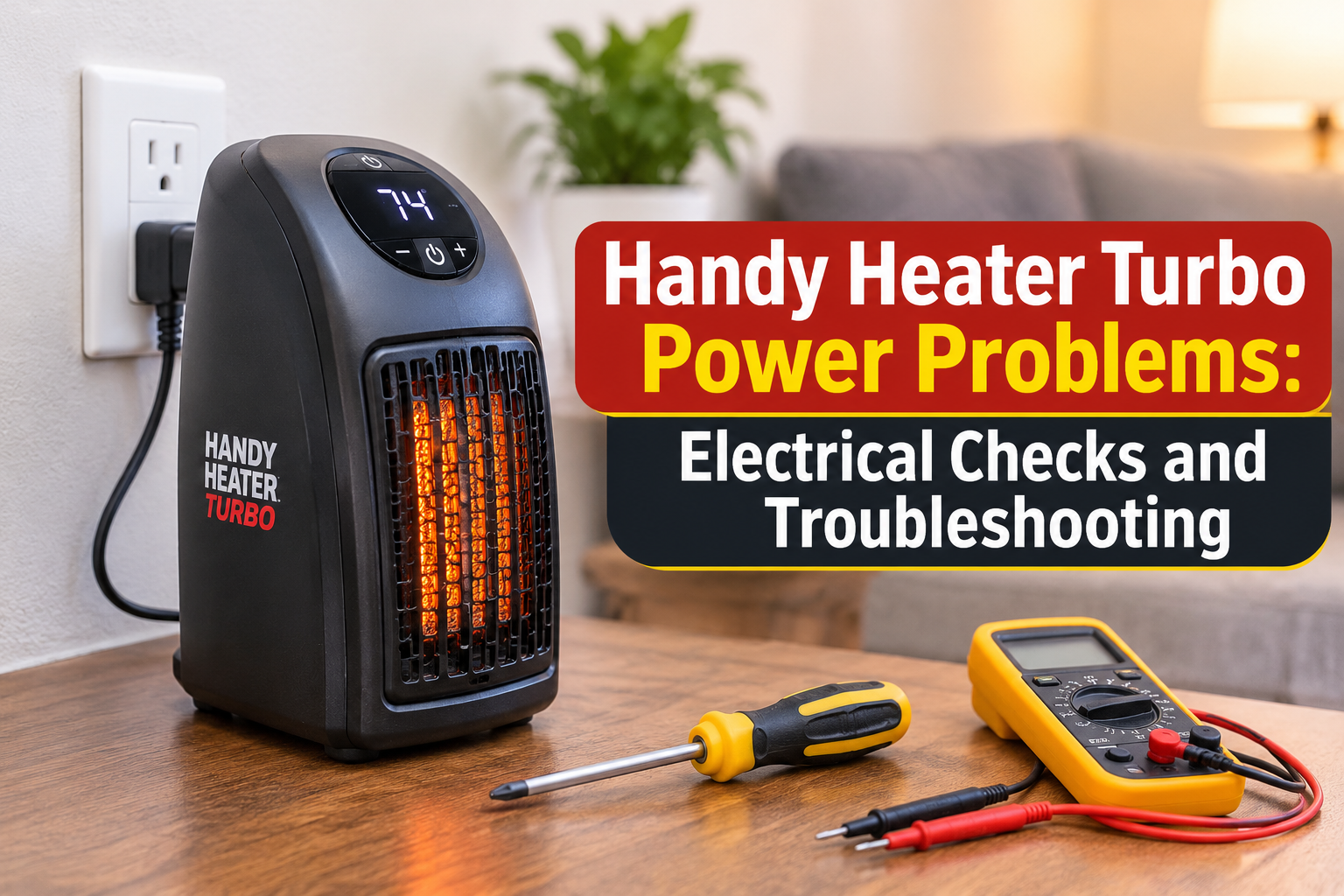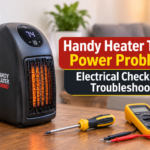
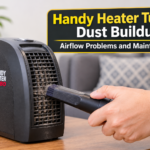
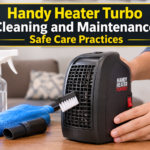



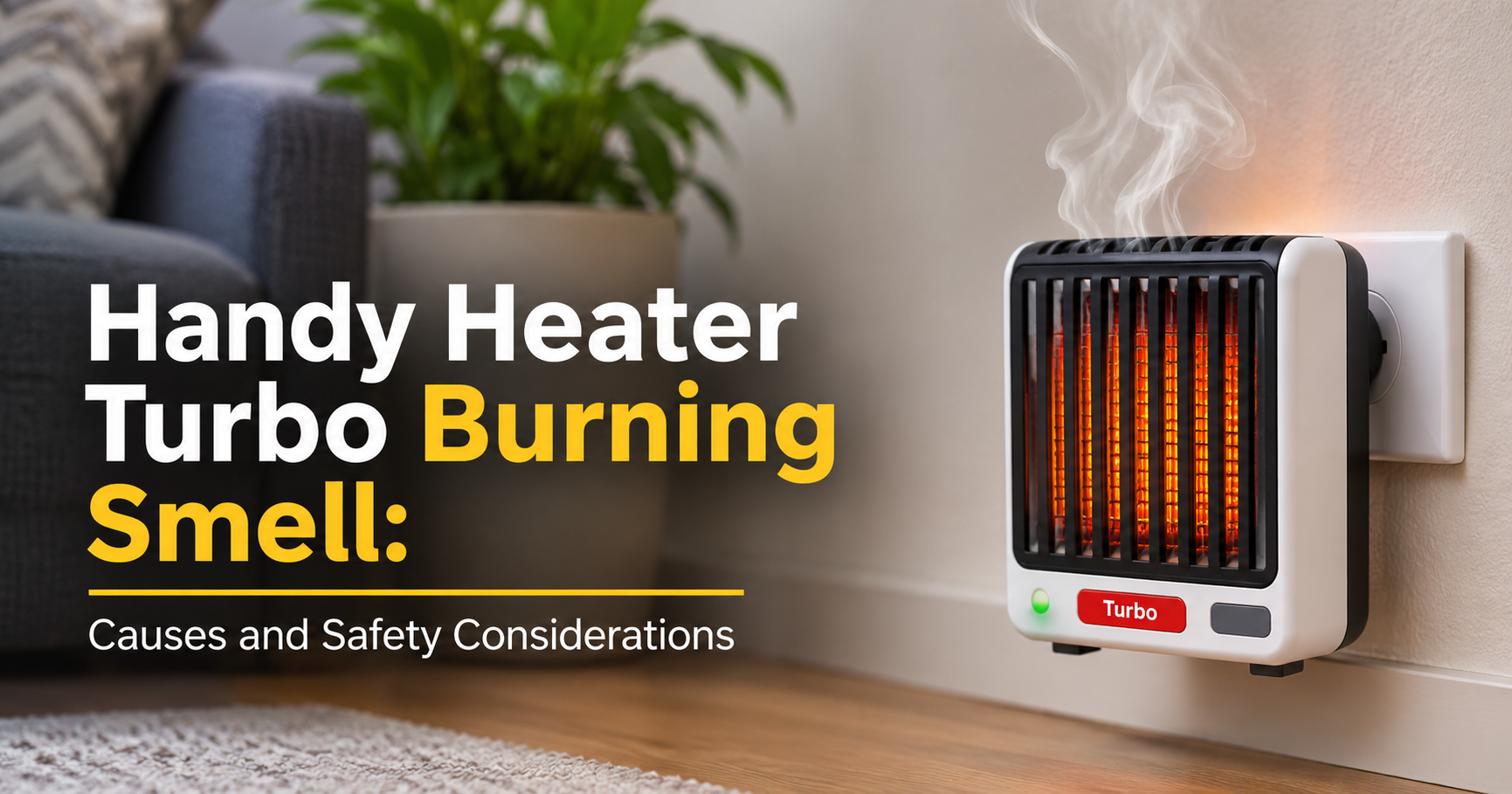
You switch your handy heater to turbo mode on a cold evening, expecting quick warmth. Instead, a sharp burning smell fills the room. It is a worrying moment, and it is also a very common one. Compact heaters with a turbo setting push the heating element to full power, and that is exactly when hidden problems show up as an odour.
The good news is that many cases are harmless and fixable in a few minutes. The bad news is that some are real fire hazards. This guide explains what causes a handy heater turbo burning smell, how to tell a harmless smell from a dangerous one, what to do step by step, and how to prevent it from coming back.
Quick answer
A light dusty or burnt-hair smell that fades within 10 to 15 minutes is usually dust burning off the element. A hot plastic, fishy, acrid or rubber smell, any smoke, or any sparks means you should switch off, unplug and stop using the heater until it has been checked.
Why Does Turbo Mode Make the Smell Worse?
A portable heater works by passing electricity through a heating element, which can be a metal coil, a ceramic plate or a quartz tube. A fan then blows air across the hot element and into the room. On a low setting the element runs at a moderate temperature. In turbo mode it runs at maximum wattage, so it gets hotter and stays hotter for longer.
That extra heat does three things. It burns off any dust or residue sitting on the element much faster. It heats the casing, the wiring insulation and the plastic parts closer to their limits. It also draws the most current through the cord, plug and socket, so a weak connection is more likely to overheat. This is why a heater can seem fine on low and then smell strongly the moment you press turbo.
6 Common Causes of a Burning Smell

1. Dust and lint on the heating element
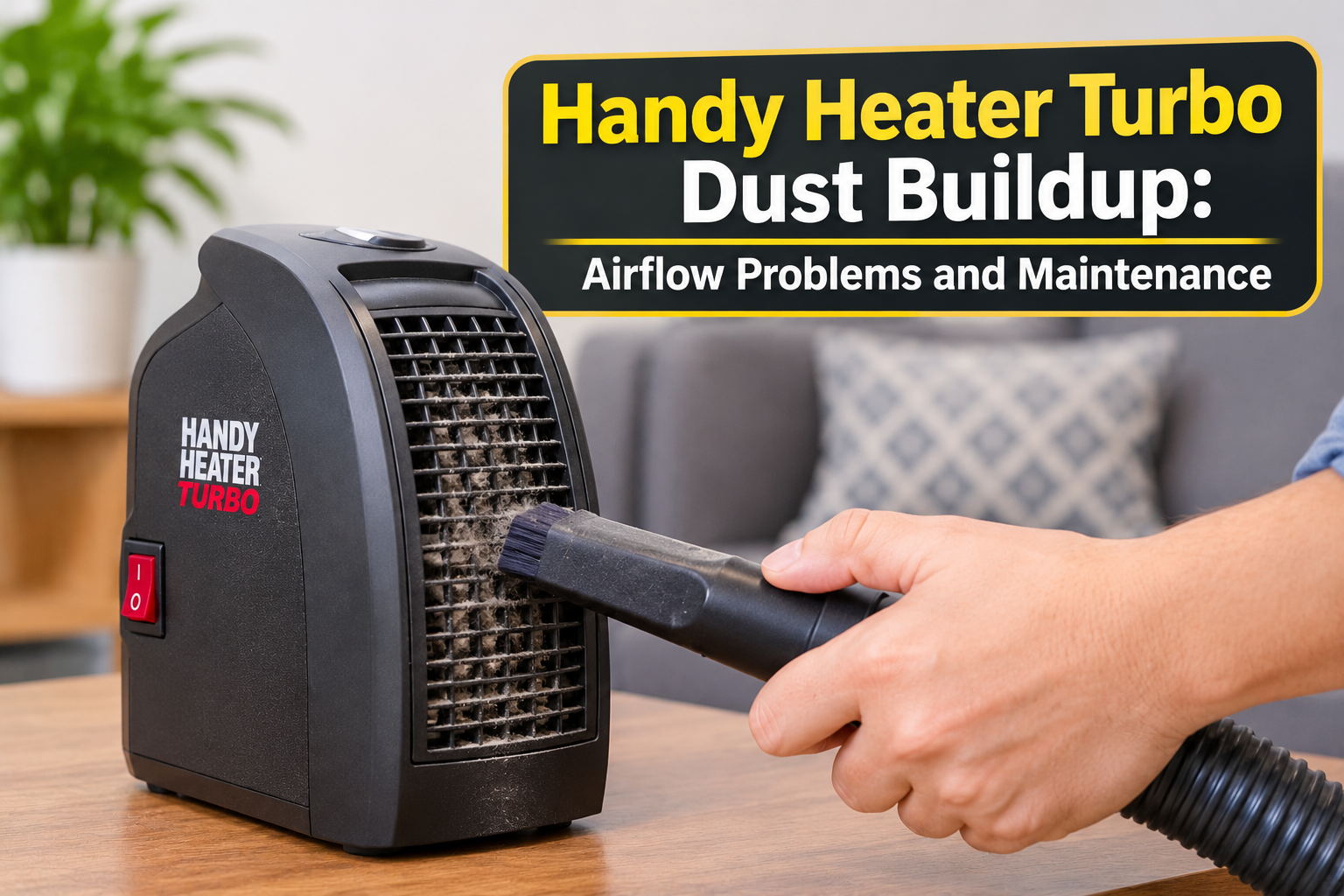
This is the number one cause, especially if the heater has been stored for months. Dust, lint, pet hair and tiny fibres settle on the grille and the element. When the element reaches full temperature, this layer burns and produces a smell like burnt hair or hot dust. It usually fades quickly as the debris burns away.
2. Factory residue on a brand-new heater
New heaters can carry traces of manufacturing oils, protective coatings or adhesives. The first few hours of use often release a mild chemical or “new electronics” smell. This is normal when it is light and gets weaker each time you run the heater. Running the heater in a ventilated room for the first sessions helps clear it.
3. Overheating plastic parts
A sharp smell of hot or melting plastic is a warning sign. It can come from a casing that is getting too hot, a fan housing near the element, or an object resting against the heater. Plastic odour that does not fade, or that gets stronger over time, should never be ignored.
4. Loose or damaged wiring, plug or socket
A worn cord, a loose internal connection or a plug that does not fit snugly can create resistance and heat. The smell is often described as fishy, acrid or like electrical burning. A warm or discoloured plug is another clue. This is a higher-risk problem because the heat is produced where it should not be.
5. Blocked airflow
If the intake or outlet grille is covered, or the heater sits too close to a curtain, blanket or wall, heat cannot escape. The heater overheats, the casing bakes, and nearby fabric can start to smell scorched. Many heaters will then trip their overheat protection and shut off.
6. A weak or struggling fan motor
The fan carries heat away from the element. If the motor is clogged with dust or its bearings are worn, it spins slower and the heater runs hotter than designed. You may notice a hot-dust or burning-rubber smell together with a buzzing, rattling or grinding sound.
Which Smell Means What? A Simple Guide
Different smells point to different problems. Use the chart below as a first check, then follow the safety steps in the next section.

| Smell | What to do |
|---|---|
| Dusty or burnt hair | Unplug, cool, clean the grille and vents, then retest on a low setting. |
| Light new-product smell | Run in a ventilated room for short sessions until it fades. |
| Hot or melting plastic | Switch off, check clearance and vents. If it returns, stop using it. |
| Fishy, acrid or electrical | Unplug at once. Do not use again until a qualified person has checked it. |
| Smoke, sparks or flames | Unplug if safe, leave the area, and call emergency services if there is fire. |
What To Do Right Now If Your Heater Smells Burnt

- Switch it off and unplug it. Pull the plug from the wall socket, not just the power button. Hold the plug, not the cord.
- Ventilate the room. Open a window or door and keep people and pets away from the smell.
- Let it cool completely. Give it at least 30 minutes before touching the body or grille.
- Inspect it. Look for dust build-up, melted or discoloured plastic, scorch marks, a damaged cord, or a plug that looks darkened or warped.
- Check the surroundings. Make sure nothing was touching or blocking the heater, and that the socket is not loose or warm.
- Decide. If you only find dust, clean it and retest. If you find damage, melting or sparks, stop using the heater.
Stop using the heater if:
- You see smoke, sparks or any flame
- The plug, cord or casing is melted, cracked or discoloured
- The smell is strong plastic, fishy or electrical and returns after cleaning
- The heater trips repeatedly or the socket gets hot
How To Clean a Handy Heater Safely
If dust is the likely culprit, a careful clean often solves the problem for good. Always do this with the heater unplugged and fully cool.
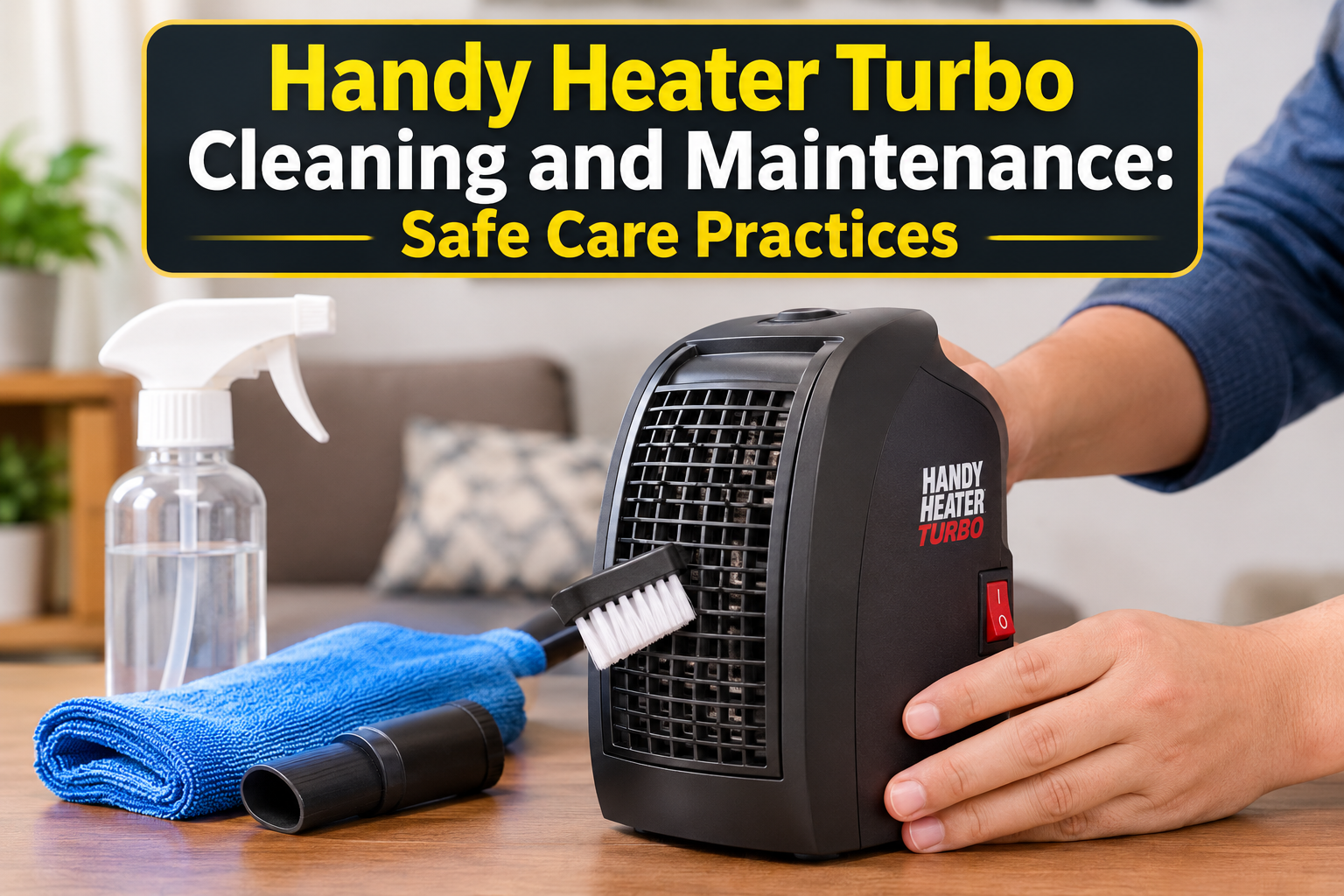
- Use a soft brush or the brush attachment of a vacuum cleaner to remove dust from the front grille and rear vents.
- Use short bursts of compressed air to blow dust out of the vent slits, holding the can upright.
- Wipe the outer casing with a slightly damp cloth, then dry it with a clean towel. Never let water get inside.
- Do not use sprays, oils or cleaning chemicals on or near the element.
- Do not open the heater beyond what the manual allows. Opening sealed parts can void the warranty and is unsafe without training.
- Make sure it is completely dry before plugging it back in.
After cleaning, run the heater on a low setting for 10 to 15 minutes in a ventilated room. If there is only a faint smell that disappears, step up to turbo gradually. If the odour is strong from the start, switch it off.
How To Prevent a Burning Smell in Turbo Mode

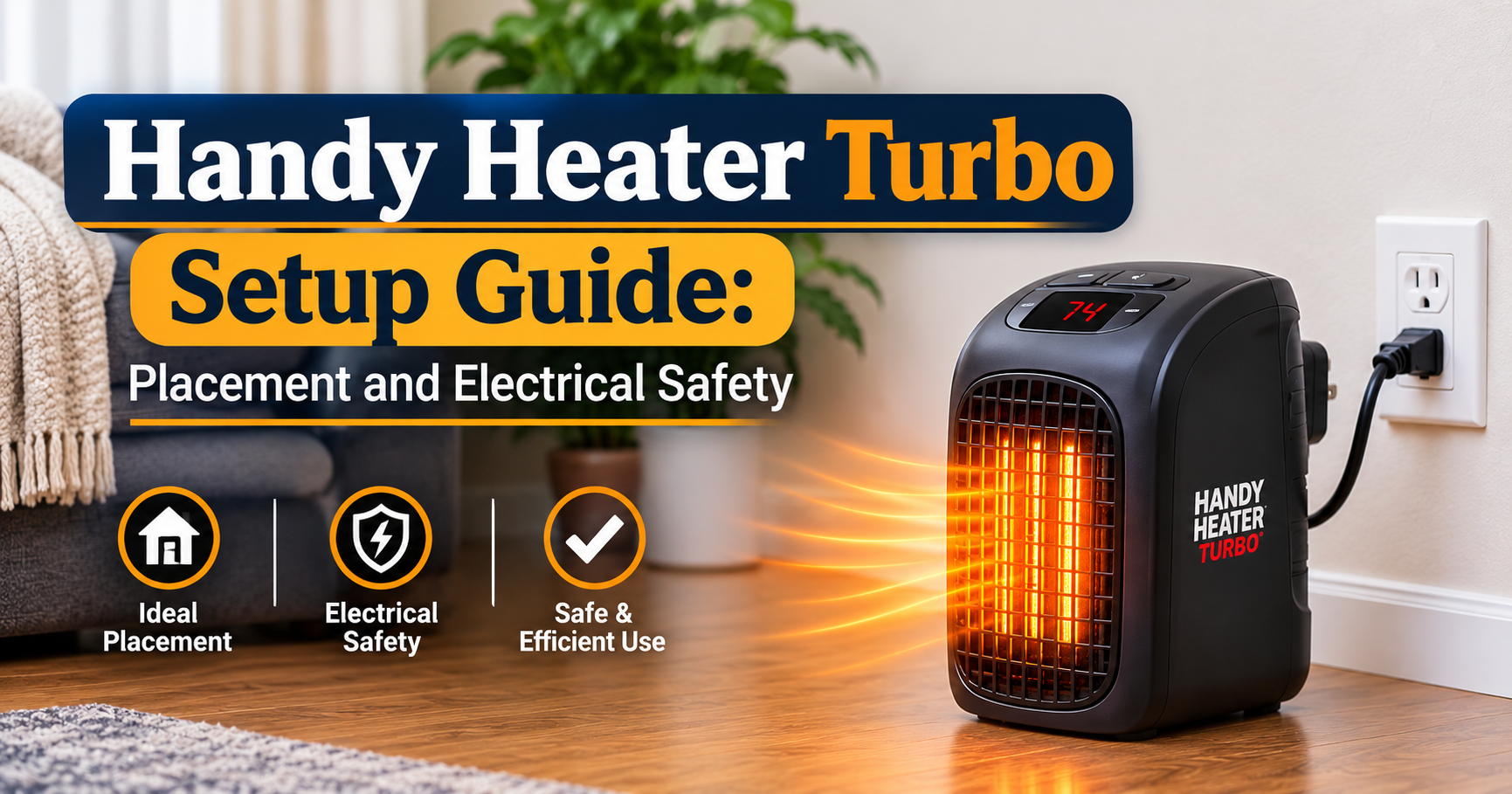
- Keep a clear zone. Leave about 3 feet (90 cm) of free space on all sides, away from curtains, bedding, sofas and papers.
- Plug straight into the wall. High-wattage heaters should not run through extension cords or multi-plug strips, which can overheat.
- Place it on a flat, hard surface. Never use it on a bed, thick carpet or an unstable surface, and never cover it.
- Clean it regularly. Before each heating season and every few weeks of heavy use, remove dust from the grille and vents.
- Do not run turbo all day. Use turbo to warm the room quickly, then drop to a lower setting or use the thermostat to maintain the temperature.
- Never leave it unattended. Switch it off when you leave the room, go to sleep or leave the house.
- Store it properly. Keep it in a dry, dust-free place and cover it loosely in the off-season.
Is a Burning Smell Dangerous?
It depends on the smell and how long it lasts. A short-lived dusty odour is generally not dangerous. A persistent plastic, electrical or rubber smell can indicate overheating components and a fire risk. Electric heaters do not burn fuel, so they do not produce carbon monoxide the way gas or kerosene heaters can. Even so, a burning smell from any electrical appliance should be treated as a warning, because the same heat that makes the smell can ignite nearby materials.
If anyone in the room has headaches, eye or throat irritation, or breathing difficulty while the smell is present, ventilate the room, move outdoors and seek medical advice if symptoms continue.
When To Repair, Replace or Contact the Seller
If your heater is still under warranty, contact the seller or manufacturer before trying any internal repair. A damaged cord, a melted plug or a failed fan should be handled by a qualified technician or replaced. For a low-cost compact heater, replacement is often the safer and more economical choice once you see signs of internal damage.
What To Look For When Buying a Safer Replacement
If you decide to replace your heater, certain features reduce the chance of overheating and burning smells:
- Overheat protection: automatically cuts power if internal temperature gets too high.
- Tip-over switch: shuts the heater off if it is knocked over.
- Safety certification: look for a recognised safety mark for your region on the product and the packaging.
- Adjustable thermostat: maintains temperature without running at full power constantly.
- Ceramic heating element: many ceramic designs run cooler on the outside and are popular for small rooms.
- Cool-touch or flame-retardant housing: adds a layer of protection around the heating parts.
- Wattage that fits your room: a heater that is too small is tempted to run on turbo all the time.
Frequently Asked Questions
Is it normal for a handy heater to smell when first used?
A mild smell during the first few hours is common as factory residue burns off. It should fade with each use. If it stays strong or gets worse, stop using it.
Why does the smell only happen in turbo mode?
Turbo runs the element at maximum temperature, so dust burns faster and weak connections heat up more. Problems that stay hidden on low power often appear on turbo.
How long should a dusty burning smell last?
Usually 10 to 15 minutes at most. If it lasts longer or returns after cleaning, look for another cause.
Can I keep using the heater on low if it only smells on turbo?
It is safer to find the cause first. A smell that appears only on turbo can still point to a connection or component under stress.
Can a burning smell damage my health?
Brief exposure to dust smell is unlikely to cause harm, but fumes from overheating plastic or electrical parts can irritate the eyes, nose and throat. Ventilate the room and stop using the heater.
Should I leave the heater on while I sleep?
No. Switch it off before sleeping, even if the heater has automatic safety features.
Final Thoughts
A handy heater turbo burning smell is not something to panic over, but it is not something to ignore either. In many cases, a quick clean solves the problem. When the smell is plastic, rubber or electrical, or when you notice smoke, sparks or damaged parts, the heater has done its job by warning you. Switch it off, unplug it, and replace or repair it before using it again. Safe placement, regular cleaning and sensible use of turbo mode will keep your heater working well and your home safe all winter.
This article offers general safety information and does not replace the manufacturer’s manual or professional electrical advice. Always follow the instructions supplied with your heater.