
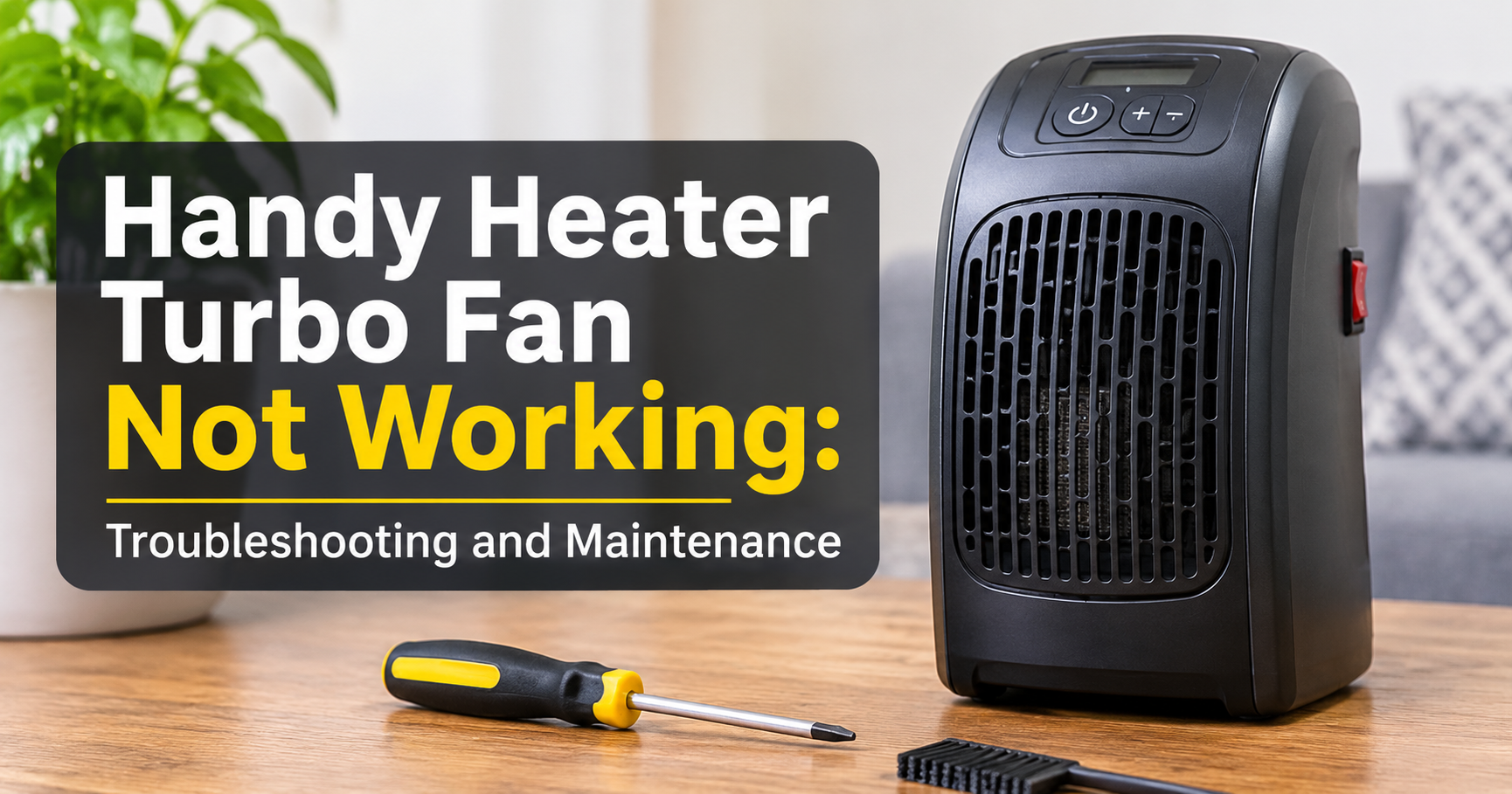
You switch on your handy heater on a cold morning, expecting a rush of warm air, and nothing happens. The unit may glow, click, or hum, yet the turbo fan stays completely still. A handy heater turbo fan not working is one of the most common complaints with compact heaters, and in many cases the cause is simple and easy to fix at home.
This guide explains how the heater works, why the turbo fan stops, how to test each possible cause safely, and when it is smarter to replace the unit instead of repairing it.
Quick Safety Notes Before You Start
- Always unplug the heater and let it cool for at least 30 minutes before touching any part.
- Never open the casing while the heater is connected to power.
- Do not use water or spray cleaners on the vents, fan, or internal parts.
- If you notice a burning smell, melted plastic, or a damaged cord, stop using the heater immediately.
How the Turbo Fan in a Handy Heater Works
A handy heater has two main jobs. The heating element produces heat, and the turbo fan pushes that heat into the room. When you turn the unit on, electricity passes through the plug, the switch, and the safety devices before reaching the heating element and the fan motor.
The fan is not just for comfort. It also moves air across the heating element so the element does not overheat. Because of this, most heaters include a thermal fuse or overheat cut-off that interrupts power if something goes wrong. If one of these safety parts trips or fails, the fan and the heat can both stop.

Common Signs of a Failing Turbo Fan
- The fan does not spin at all when the heater is on.
- The fan spins slowly or starts and then stops.
- You hear a buzzing, rattling, or grinding noise.
- Warm air barely comes out, or the heater shuts off after a short time.
- There is a hot or dusty smell near the vents.
- The heater works only when you tap it or move the cord.

9 Causes of a Handy Heater Turbo Fan Not Working (and How to Fix Them)
1. The Heater Is Not Getting Power
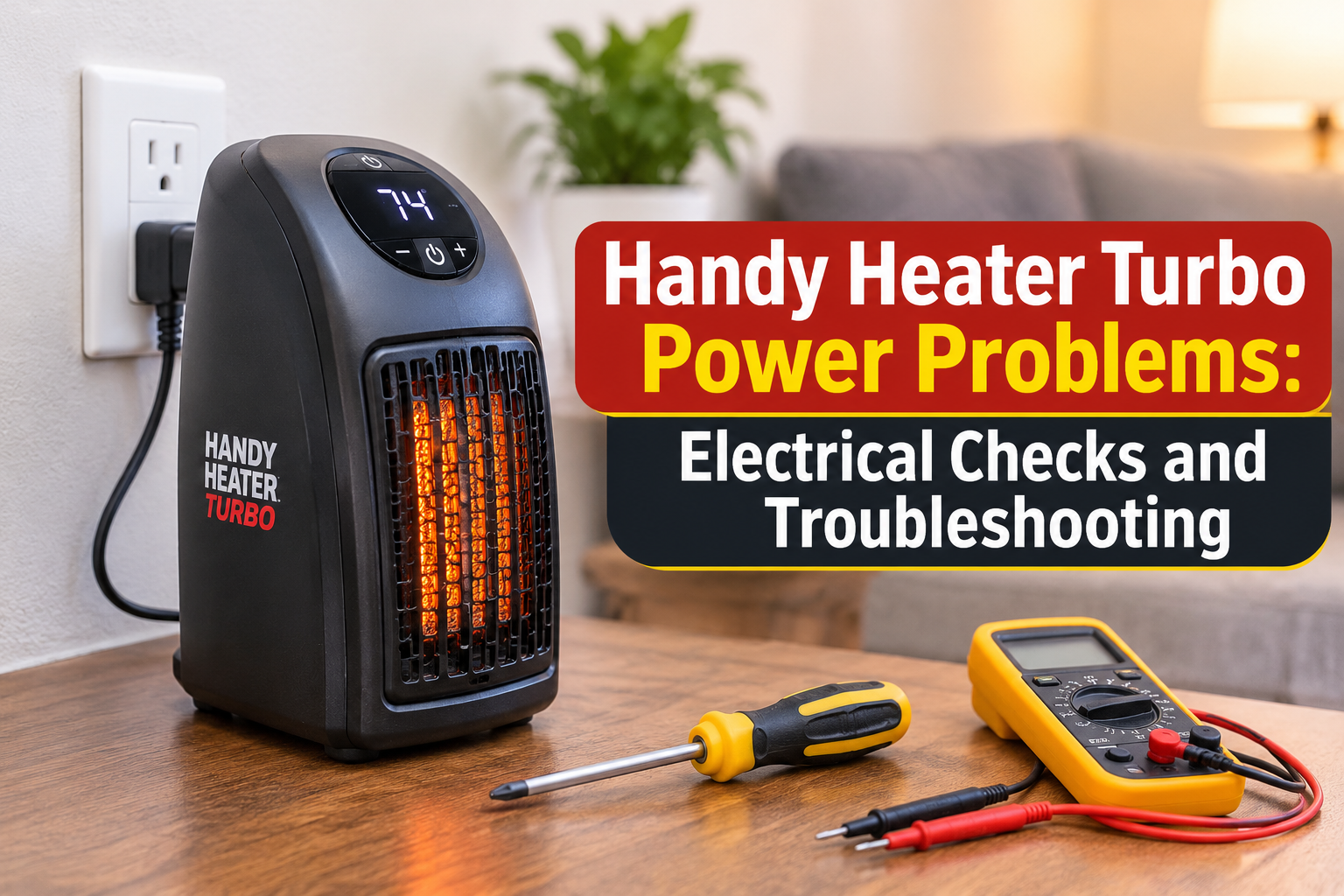
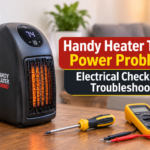
This is the simplest cause and the first thing to check. A loose plug, a dead wall socket, or a tripped circuit breaker can stop the fan from receiving power.
Fix: Plug the heater directly into another working wall socket. Avoid extension cords and power strips, since high-wattage heaters can overload them. Reset the breaker if it has tripped.
2. Damaged Power Cord or Plug
Cords that are bent, pinched, or worn can break internally, even when the outside looks fine. A warm plug, scorch marks, or a cord that works only at certain angles points to a damaged cable.
Fix: Do not tape or repair a damaged heater cord yourself. Stop using the unit and have a qualified technician replace the cord, or replace the heater.
3. Overheat Protection Has Tripped
Heaters have built-in protection that cuts the power when the internal temperature gets too high. Blocked vents, dust, or placing the heater too close to furniture can trigger it.
Fix: Unplug the heater, move it to an open area, and let it cool for 30 minutes. Clear the vents, plug it in, and test again. If the heater keeps shutting off, the protection may be doing its job because of an airflow problem, so continue with the cleaning steps below.
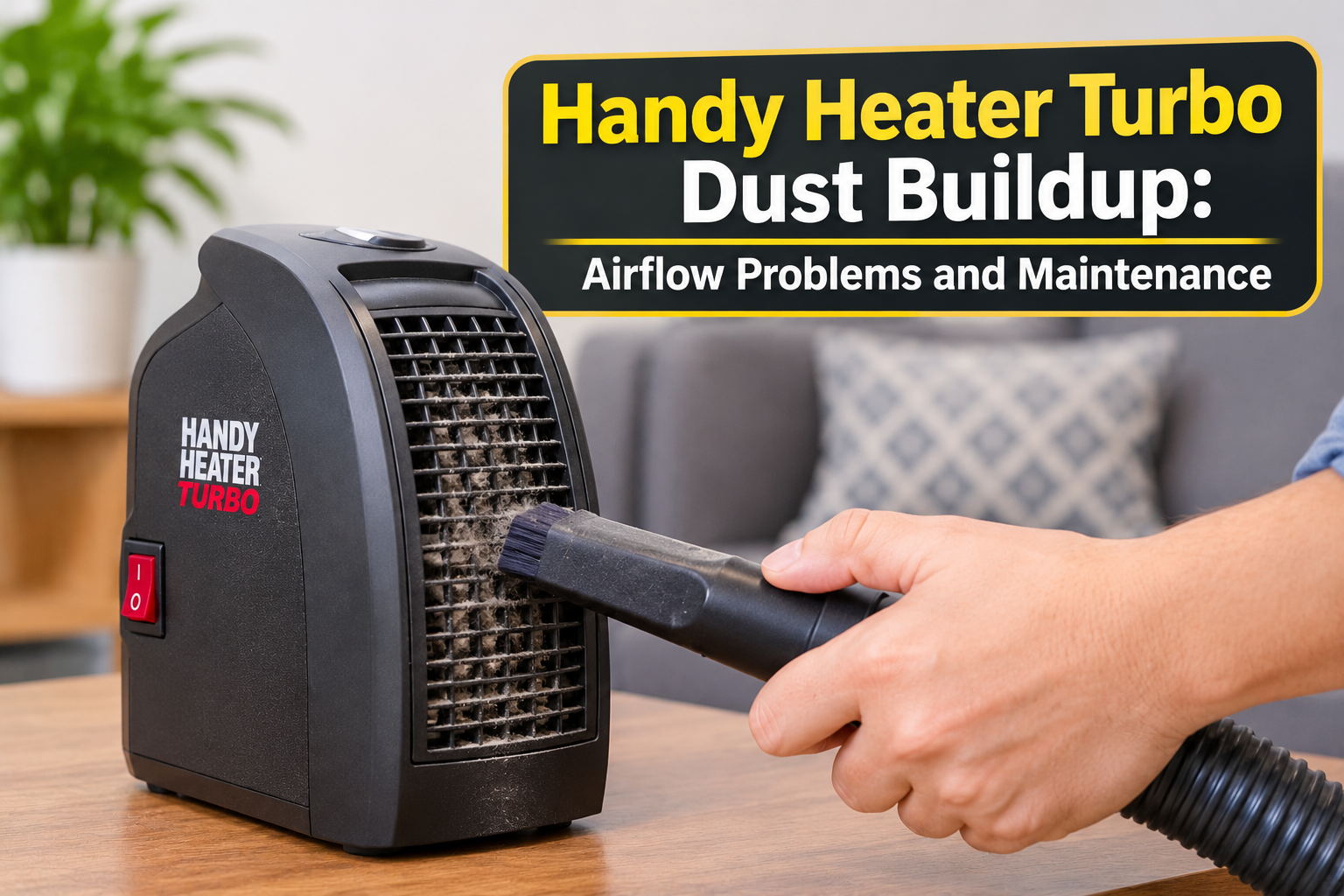
4. Dust and Lint Buildup
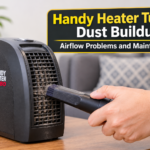
Dust collects on the fan blades, around the motor, and across the vents. Over time it creates drag, slows the fan, and can make the motor stall. It also traps heat and increases the risk of overheating.
Fix: Clean the vents and visible blades regularly using the steps shown later in this guide.
5. Blocked or Bent Fan Blades
A small piece of fabric, hair, pet fur, or paper can get pulled in and jam the blades. A heater that has been dropped may also have a bent blade that rubs against the housing.
Fix: With the heater unplugged, look through the grille with a flashlight. Remove loose debris gently with a soft brush or wooden stick. If a blade looks bent or cracked, the fan assembly needs professional service.
6. Tip-Over Switch Is Activated
Many compact heaters have a tip-over switch that turns off the heater if it leans or falls. If the heater sits on a slightly uneven surface or on a soft rug, the switch can stay in the off position.
Fix: Place the heater on a flat, hard, stable surface and test again.
7. Faulty On/Off or Mode Switch
Switches wear out after many uses. A worn switch may show lights or make clicking sounds without sending power to the fan.
Fix: Try each mode and temperature setting. If the fan works in only one position, the switch is likely damaged and should be replaced by a technician.
8. Worn or Failed Fan Motor
Motors wear out with age, heat, and dust. Signs include a humming sound without rotation, a fan that spins only when pushed by hand, or a motor that stops after a few minutes.
Fix: Motor replacement is possible in some models, but for low-cost handy heaters the repair often costs close to the price of a new unit.
9. Loose Internal Wiring or Failed Thermal Fuse
Vibration and heat can loosen internal connections. A thermal fuse that has blown will permanently cut power to the heater until it is replaced.
Fix: These are internal electrical parts. Do not open the heater unless you are trained. Contact an authorized service center or a qualified electrician.
Step-by-Step Troubleshooting Guide
- Unplug the heater and let it cool for 30 minutes.
- Test a different wall socket to rule out a power problem.
- Inspect the cord and plug for damage, heat marks, or loose pins.
- Check the placement: flat surface, open space, and clear of curtains or furniture.
- Clean the vents and blades with a soft brush and vacuum.
- Plug in and test each mode and temperature setting.
- Stop and seek service if the fan is still not working or you notice any burning smell.

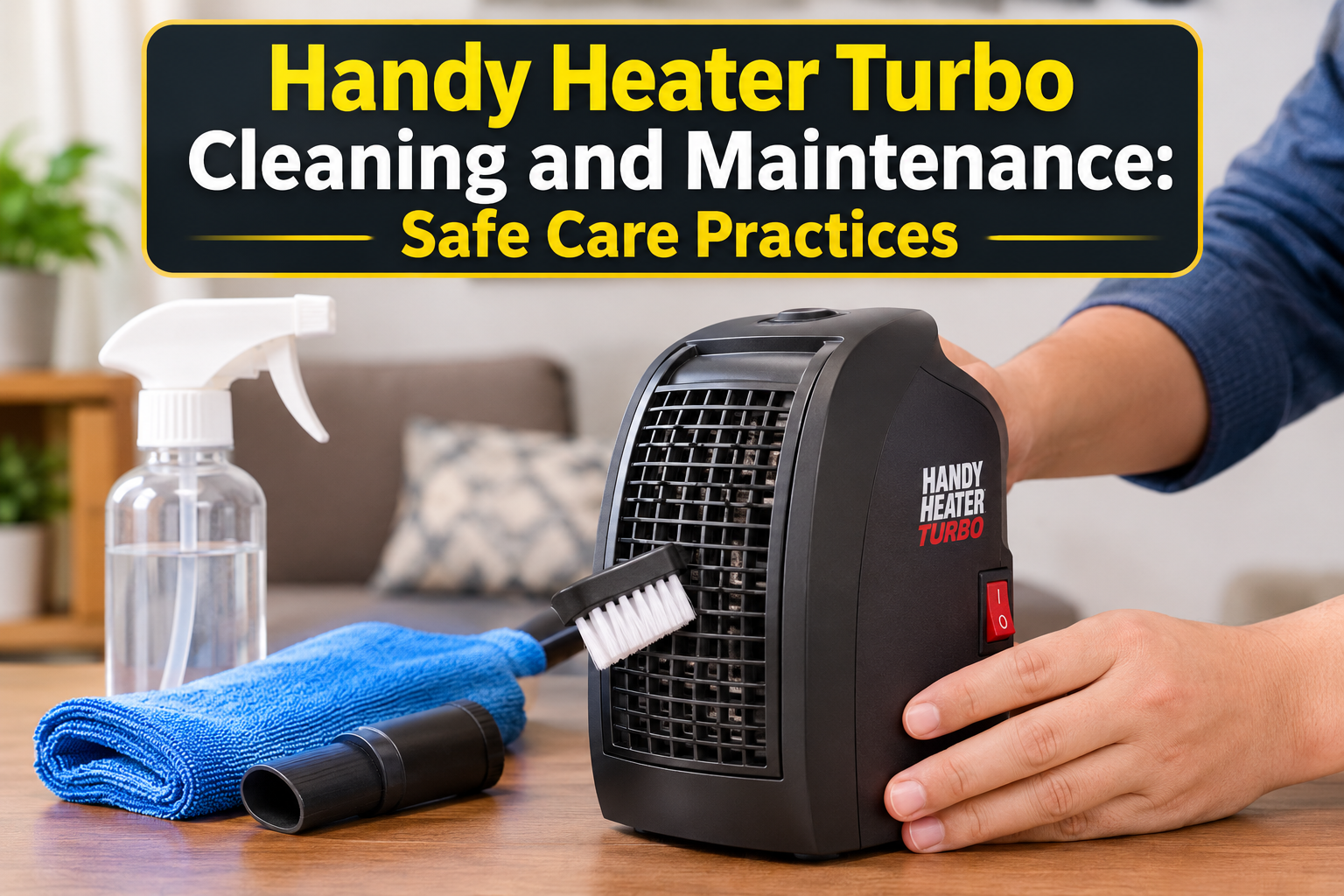
How to Clean a Handy Heater Safely
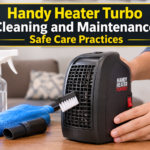
Regular cleaning solves a large share of fan problems. It takes about five minutes and needs no special tools.
- Unplug the heater and wait until it is fully cool.
- Use a vacuum with a soft brush attachment to remove dust from the front and rear vents.
- Use a dry microfiber cloth or a soft paintbrush to clean around the fan blades.
- Wipe the outer casing with a slightly damp cloth, then dry it completely.
- Make sure the heater is fully dry before plugging it in again.

Quick Reference Table
| Symptom | Likely Cause | Best Action |
|---|---|---|
| No lights, no fan | No power, damaged cord, blown fuse | Test the socket, inspect the cord, call service |
| Fan stops after a few minutes | Overheat protection, dust buildup | Cool down and clean the vents |
| Humming but no spinning | Jammed blades or failing motor | Remove debris, otherwise service |
| Heater turns off when moved | Tip-over switch | Place it on a flat, hard surface |
| Fan works only in one mode | Worn switch | Replace the switch or heater |
| Burning smell | Overheating or damaged wiring | Unplug immediately and stop use |
Repair or Replace? How to Decide
Consider repairing the heater if the unit is new, still under warranty, or the problem is clearly minor, such as dust or a loose plug connection. A warranty claim is usually the best first step for a heater that is only a few months old.
Consider replacing it if:
- The cord, plug, or casing is damaged or discolored by heat.
- The motor has failed and the repair cost is close to the price of a new heater.
- The heater is several years old and has shut off unexpectedly more than once.
- You notice sparks, a strong burning smell, or melted parts.
What to Look for in a Replacement Heater
- Safety features: tip-over protection, overheat protection, and a cool-touch housing.
- Room size and wattage: choose power that suits the room so the heater does not run at full load constantly.
- Fan quality: a quiet, balanced fan with sturdy blades lasts longer.
- Easy-clean design: accessible vents make regular maintenance simple.
- Safety certification and warranty: look for recognized safety marks and a clear warranty period.
- Thermostat and timer: these help control heat and save energy.
How to Prevent Turbo Fan Problems
- Clean the vents once a month during heavy use.
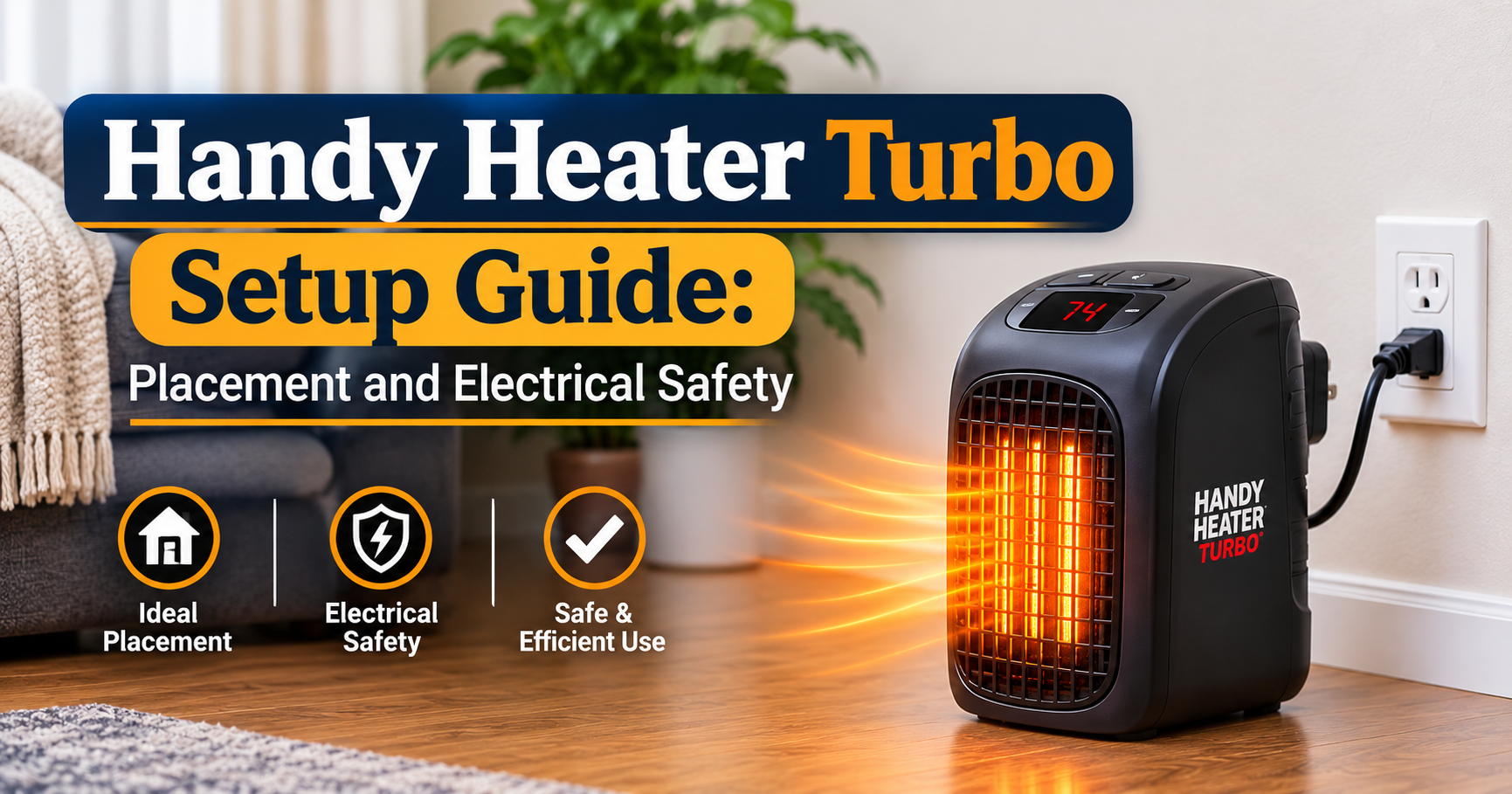
- Keep the heater at least three feet away from curtains, bedding, and furniture.
- Place it on a flat, hard surface, never on a bed or a thick rug.
- Plug it directly into a wall socket, not an extension cord.
- Do not cover the heater or use it to dry clothes.
- Store it in a dry, dust-free place after the winter season, ideally in its original box or a cover.
- Do not leave it running unattended for long hours or while you sleep.
Frequently Asked Questions
Why is my handy heater turbo fan not spinning but the light is on?
The light usually has a separate small circuit. The fan may be blocked, the motor may have failed, or a safety switch may be stopping power to the fan. Unplug the heater, check for debris, clean the vents, and test again.
Can I use the heater if the fan is not working?
No. Without airflow, the heating element can overheat quickly, which increases the risk of damage and fire. Do not use a heater with a non-working fan.
Why does the fan stop after a few minutes?
This often points to overheating from blocked vents or dust, a weak motor, or a safety device cutting power. Clean the unit and place it in an open area. If it keeps happening, have it checked.
Can I oil the fan motor to fix it?
It is not recommended. Oil can attract dust and may become a fire hazard near the heating element. Use only service parts and methods recommended by the manufacturer.
How long does a handy heater turbo fan usually last?
With regular cleaning and normal use, many compact heaters last several winters. Heavy daily use, dusty rooms, and poor storage shorten the life of the motor.
Is it worth repairing a low-cost handy heater?
Often it is not, especially when the motor or internal wiring has failed. If the heater is under warranty or the issue is only dust or a blocked fan, repair or cleaning is worthwhile.
Final Thoughts
When a handy heater turbo fan stops working, start with the basics: power supply, placement, and cleaning. Many problems come from dust, blocked vents, or a tripped safety switch and can be solved in a few minutes. If the fan is still not working after these checks, or you notice damaged cords, burning smells, or repeated shut-offs, stop using the heater and choose service or replacement. Safety is always more important than saving a few dollars.