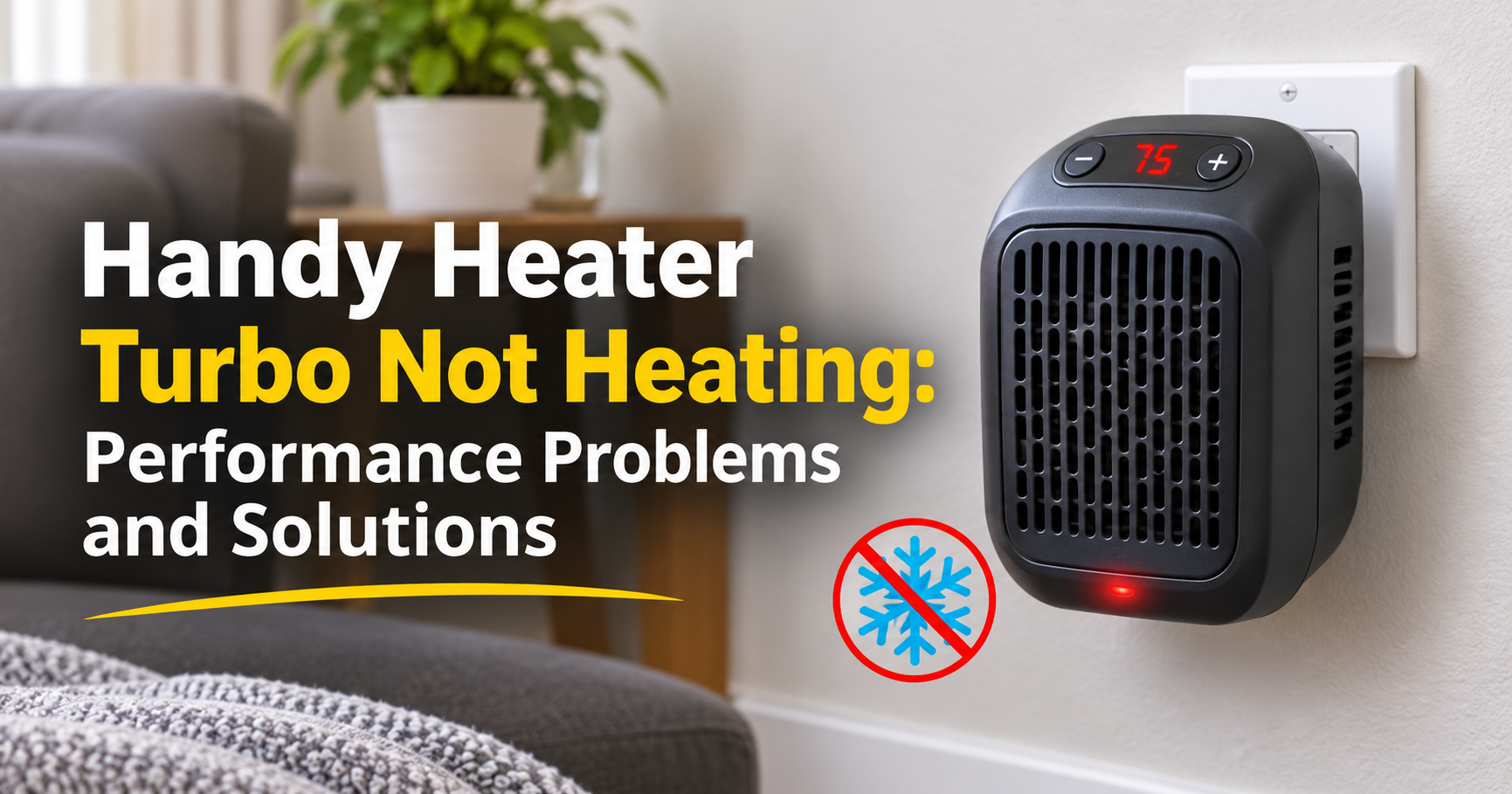
You switch on your Handy Heater Turbo on a cold evening, the fan hums, the light glows, and then you realize the air coming out is cold or barely warm. It is frustrating, especially when you were counting on that quick burst of warmth. The good news is that in most cases a Handy Heater Turbo that is not heating has a simple, fixable cause.
In this complete guide you will learn how a small turbo-style heater works, the most common reasons it stops producing heat, a clear step-by-step method to fix it, important safety rules, and how to prevent the problem in the future. You will also learn when it is time to stop troubleshooting and replace the unit.
Quick answer
The most common reasons a Handy Heater Turbo stops heating are blocked air vents or a dirty filter, a tripped safety cut-off, a faulty outlet or cord, a thermostat set too low, and a worn heating element. Start with the simple checks first, because they solve most cases in minutes.
Table of Contents
- How a Handy Heater Turbo Works
- Signs Your Heater Is Not Heating Properly
- Top Reasons a Handy Heater Turbo Stops Heating
- Quick Troubleshooting Flowchart
- Step-by-Step Fix Guide
- Safety Rules While Troubleshooting
- Cleaning and Maintenance Tips
- When to Repair and When to Replace
- Tips for Choosing a Reliable Heater
- Frequently Asked Questions
- Final Thoughts
How a Handy Heater Turbo Works
A compact turbo heater is a small electric fan heater. Inside it there are three main parts that work together: a heating element, a fan, and safety controls.
- Heating element: A resistance element (often ceramic or a metal coil) that becomes hot when electricity passes through it.
- Fan: Pulls room air across the hot element and pushes the warmed air back into the room. This is why a turbo or fan heater warms a small space quickly.
- Safety controls: A thermostat, an overheat protection switch or thermal fuse, and often a tip-over switch. These shut the heating part down if the unit gets too hot or falls over.
Because heat only appears when all of these parts cooperate, a failure in any one of them can leave you with a fan that runs but air that stays cold. That is why careful, step-by-step troubleshooting works best.
Signs Your Heater Is Not Heating Properly
Not heating can look different from one case to another. Watch for these common patterns:
- The fan runs, but the air stays cold.
- The air is only lukewarm, even on the highest setting.
- The heater warms up for a minute or two and then blows cold air again.
- The power light turns on, but there is no warmth at all.
- The unit does not turn on, or shuts off by itself after a short time.
- There is a weak airflow from the vents.
Noticing the exact pattern helps you narrow down the cause quickly, as explained in the next section.
Top Reasons a Handy Heater Turbo Stops Heating

1. Dirty Air Filter or Blocked Vents
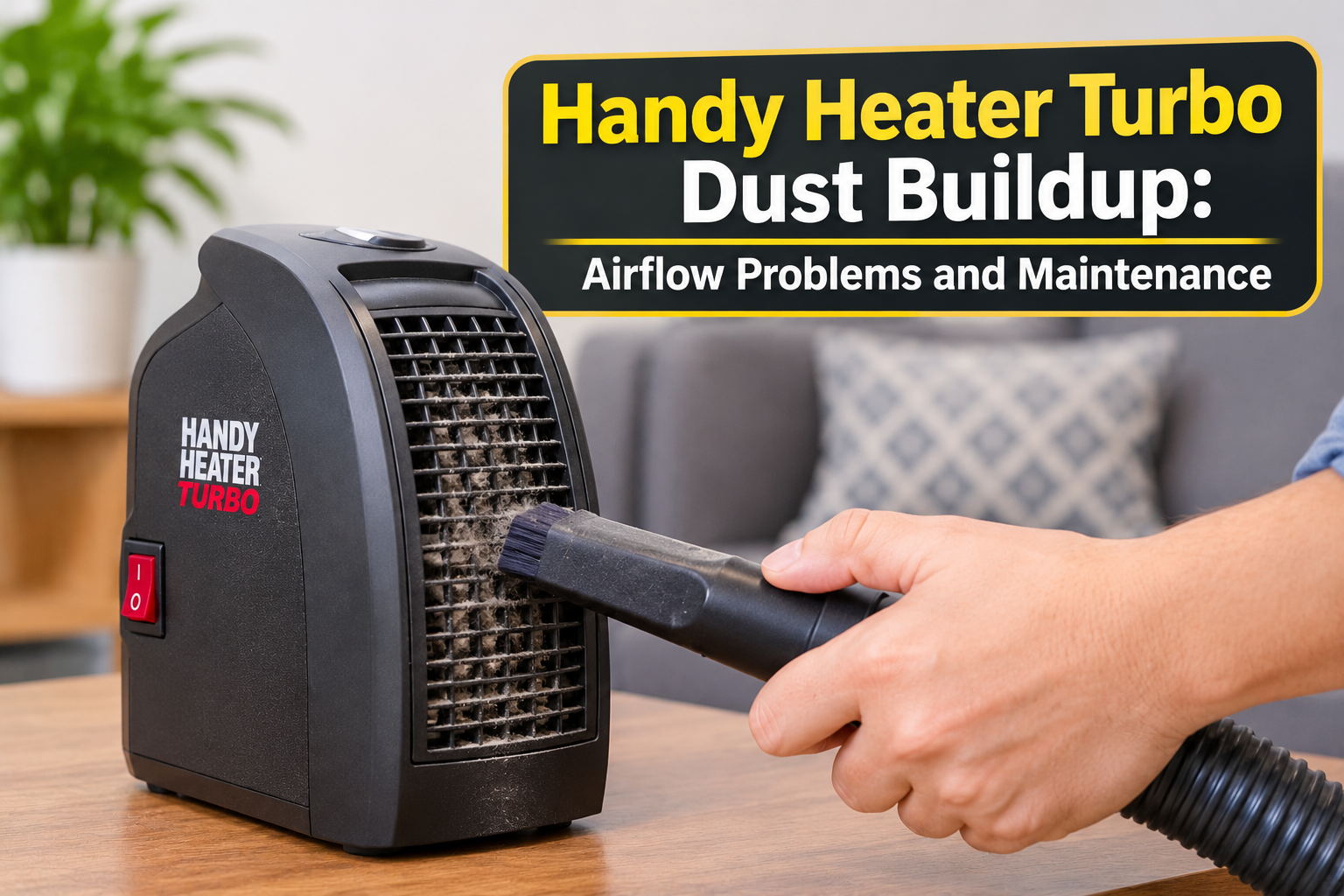
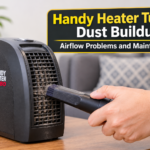
This is the number one cause. Dust, pet hair and lint collect on the air intake and vents. When airflow is restricted, the heating element cannot release its heat, the inside temperature rises quickly, and the overheat protection cuts off the heat to protect the unit. The fan may keep running while the heating stays off.
2. Tripped Overheat Protection or Thermal Fuse
Almost every modern heater has a built-in protection device. When it activates because of blocked airflow or high temperature, the heater stops heating. Some units reset by themselves after cooling down, while others need to be unplugged for a while before they work again. If a thermal fuse has permanently failed, the heater will not produce heat even though the fan works.
3. Faulty Power Outlet, Plug or Cord
A heater draws a lot of electricity compared to most household devices. A loose outlet, a worn plug, a damaged cord or a poor connection can deliver enough power to run the fan but not enough to heat the element. A warm or discolored plug is a serious warning sign.
4. Thermostat Setting Too Low
If the thermostat is set below the current room temperature, the heater simply will not heat, because it believes the room is already warm enough. This is a very simple but frequent reason, especially when the control knob has been moved by accident.
5. Wrong Mode Selected
Some heaters have separate fan-only, low heat and high heat or turbo modes. If the unit is in fan-only mode, it will blow room-temperature air. Always check that the correct heat mode is selected.
6. Worn or Damaged Heating Element
Over time, especially with heavy use, the heating element can weaken or break. When this happens, the heater produces little or no heat, even though the fan and lights work normally. Heaters with this problem usually need professional service or replacement.
7. Tip-Over or Safety Switch Problem
If the heater is placed on a soft, uneven or tilted surface, the tip-over switch may stay engaged and prevent heating. Dust inside the switch can also cause it to misread the position.
8. Cold or Very Large Room
A compact heater is designed for small spaces. In a very large, drafty or extremely cold room, it may seem like it is not heating when it is actually just being overwhelmed by the space.
Quick Troubleshooting Flowchart
Use this simple flowchart to find the likely problem in under a minute.

Step-by-Step Fix Guide

Step 1: Unplug the Heater and Let It Cool
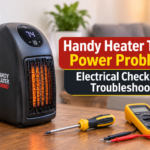
Before touching, moving or inspecting the heater, unplug it from the wall and wait at least 15 to 20 minutes. This keeps you safe and also allows the overheat protection to reset if it has been triggered.
Step 2: Test the Wall Outlet
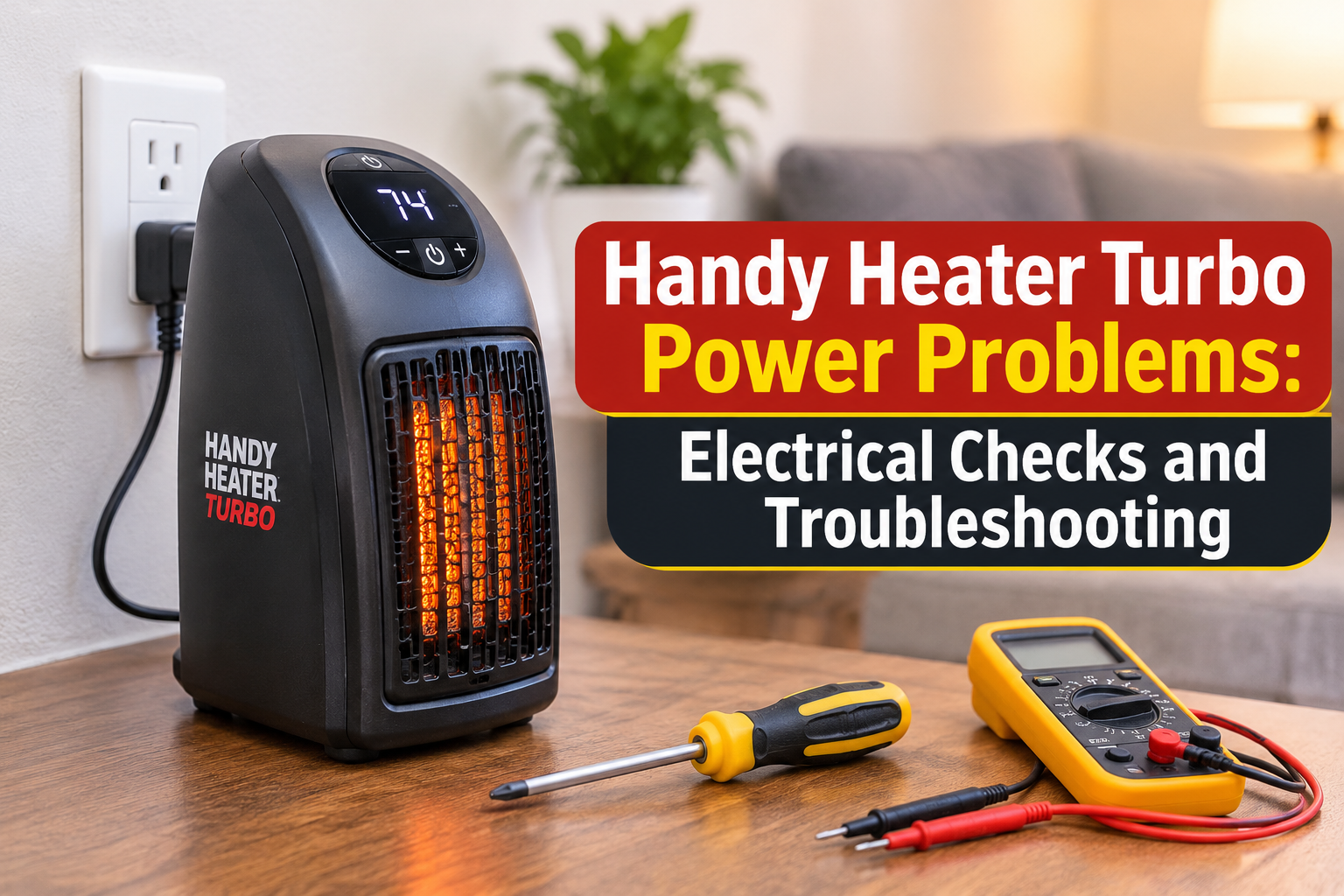
Plug a lamp or phone charger into the same outlet to confirm that it has power. If the outlet is dead, check your home circuit breaker. Try another outlet on a different circuit if possible. Plug the heater directly into the wall, not into a power strip or extension cord.
Step 3: Inspect the Cord and Plug
Look carefully along the whole cord for cuts, kinks, burns or exposed wires. Check the plug prongs for bending or discoloration. If you see any damage, do not use the heater. A damaged cord is a fire and shock risk.
Step 4: Check Mode and Thermostat Settings
Set the thermostat to the maximum level and select the highest heat or turbo mode. If your heater has a timer, make sure it is not turned on in a way that turns off the heat.
Step 5: Clean the Air Intake, Filter and Vents
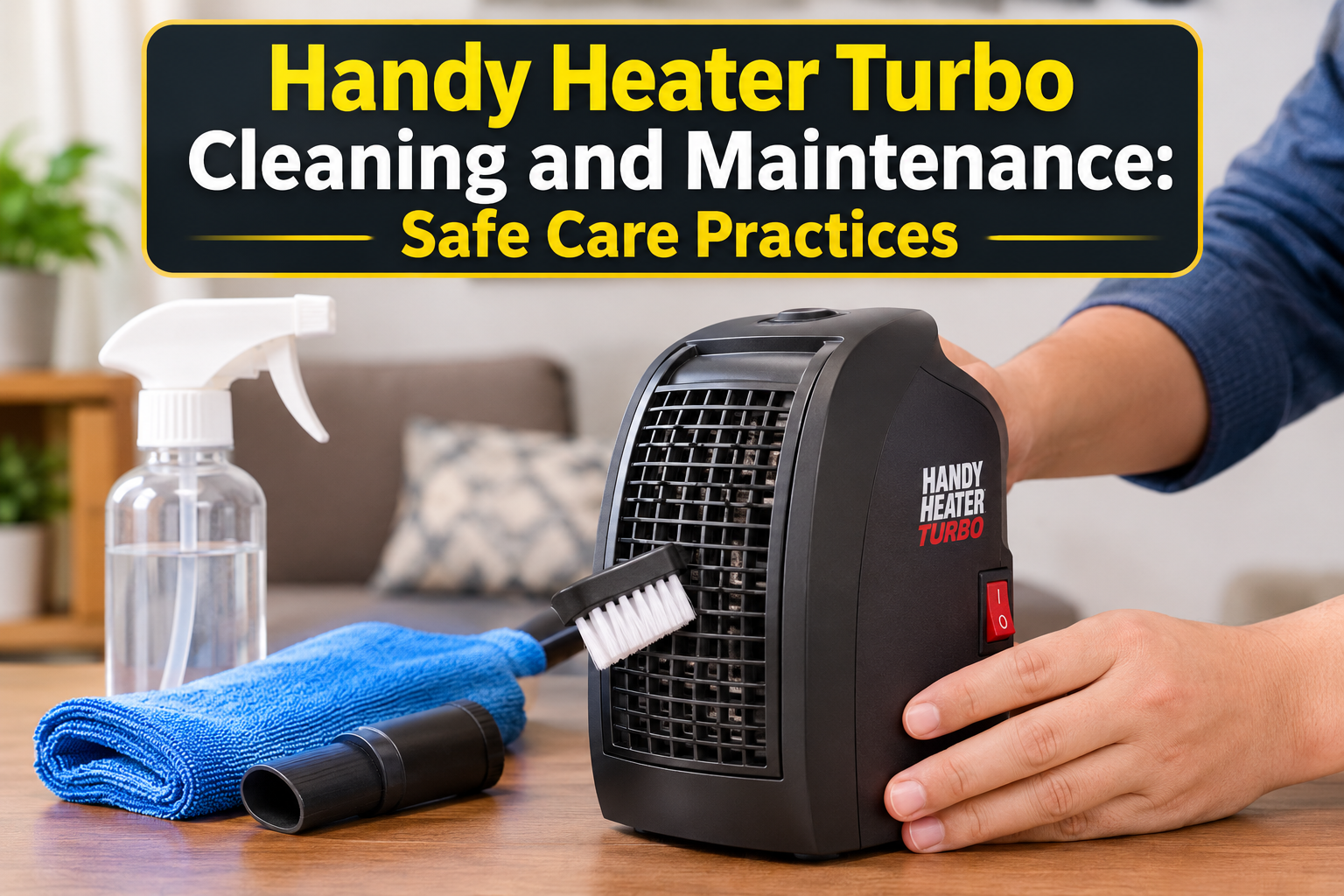
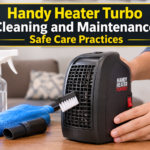
With the unit unplugged and cool, use a soft brush or a vacuum with a brush attachment to remove dust from the intake grille and the front vents. If your model has a removable filter, take it out and clean it according to the instructions in the manual. Do not use water on internal parts.
Step 6: Place the Heater on a Hard, Level Surface
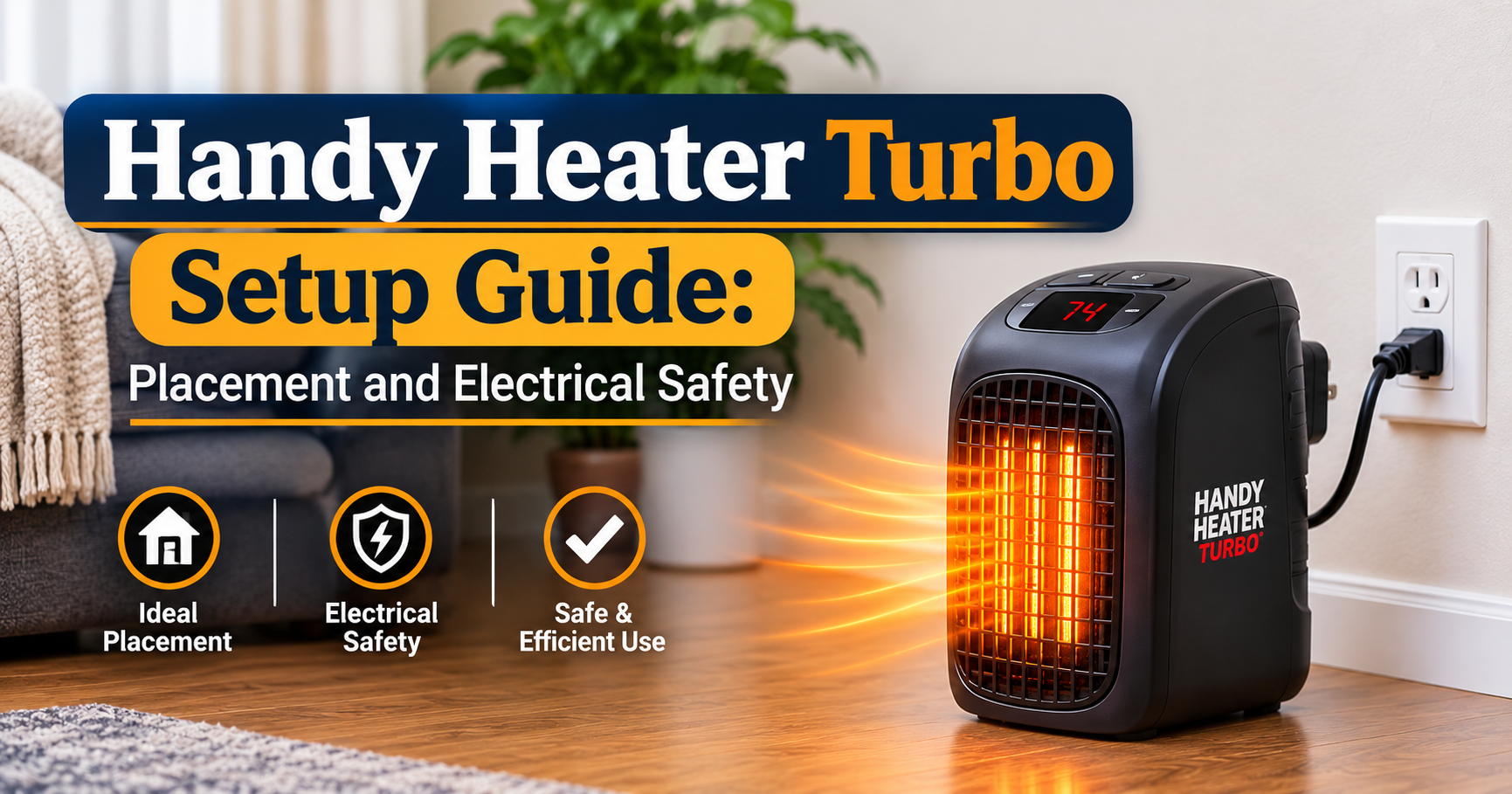
Move the heater to a flat, stable floor. Soft carpet, a bed or an uneven surface can interfere with the tip-over safety switch. Keep the unit upright.
Step 7: Restart and Test for Five Minutes
Plug the heater back in, turn it on, and wait about five minutes. Hold your hand a safe distance from the airflow. If it is warm, the problem is solved. If it is still cold, the heating element or an internal safety part may be faulty.
Important
Do not open the heater casing or try to repair the internal wiring yourself unless you are a trained technician. Internal parts can retain heat and hold electrical risk. If the simple checks above do not solve the problem, contact the manufacturer or a qualified repair service.
Safety Rules While Troubleshooting

- Always unplug first. Never inspect, clean or move a heater while it is plugged in.
- Give it space. Keep the heater at least three feet away from curtains, bedding, sofas, paper and anything that can burn.
- Avoid extension cords and power strips. Heaters draw a high current, and these can overheat.
- Stop at the smell of burning. If you notice a burning smell, smoke, sparks or a very hot plug, unplug the heater immediately and stop using it.
- Keep it dry. Do not use or clean a heater with wet hands or near water.
- Never leave it unattended around children or pets, and turn it off when you leave the room or go to sleep unless the manufacturer states otherwise.
Cleaning and Maintenance Tips
A little regular care keeps a small heater working properly for many seasons.
- Clean regularly: Dust the vents and filter every two to four weeks during heavy use.
- Store properly: At the end of winter, clean the heater, wrap it, and store it in a dry place. Avoid damp areas such as basements.
- Wind the cord loosely: Tight wrapping can damage the wires inside the cord.
- Do not block the airflow: Keep the front and the back of the heater free from objects.
- Run it in sensible intervals: Continuous heavy use for many hours may shorten the life of the heating element.
- Read the manual: Each model has its own reset procedure and maintenance recommendations.
When to Repair and When to Replace
Small electric heaters are relatively inexpensive, so repairs are often not worth the cost. Use the following as a rough guide.
| Situation | Best Action |
|---|---|
| Dusty vents, low thermostat, wrong mode | Clean and adjust settings |
| Dead outlet or tripped breaker | Use a different outlet or call an electrician |
| Damaged cord or plug, melted parts | Stop use and replace the heater |
| Fan runs but no heat after cleaning and reset | Contact the manufacturer or replace |
| Burning smell, sparks, repeated shutoffs | Stop use immediately and replace |
| Heater is several years old and weak | Replace with a newer, safer model |
Tips for Choosing a Reliable Heater
If your heater has reached the end of its life, or if you want to avoid this problem in the future, look for the following features in your next purchase:
- Overheat protection: An automatic shut-off if the unit gets too hot.
- Tip-over protection: The heater turns off if it falls or tilts.
- Adjustable thermostat: Lets you control comfort and saves energy.
- Multiple heat settings: Low, high and fan-only modes for flexible use.
- Easy-to-clean design: A removable filter or easy-access grille makes maintenance simple.
- Suitable size and power: Choose a model matched to the room size you plan to heat.
- Safety certifications: Look for recognized safety marks for your region.
- Warranty and support: A clear warranty and available customer service are valuable if something goes wrong.
- Cool-touch housing and quiet fan: Useful for homes with children and for bedrooms and offices.
Read honest customer reviews, and pay attention to comments about durability and how the heater performs after a few weeks of use, not only on the first day.
Frequently Asked Questions
Why is my Handy Heater Turbo blowing cold air?
The most common reasons are a dirty filter or blocked vents, a tripped overheat protection, the wrong mode, a low thermostat setting or a worn heating element. Unplug the heater, let it cool, clean it and check the settings first.
Why does the fan work but there is no heat?
This usually means the fan motor is fine but the heating element is not getting power or is blocked from working by a safety cut-off. Overheat protection, a failed thermal fuse or a worn element are likely causes.
How long should I wait for the heater to reset?
Unplug the heater and wait 15 to 30 minutes so that it can cool down completely. Then plug it into a wall outlet and test again.
Why does my heater heat for a few minutes and then stop?
Blocked airflow causing the unit to overheat is the most frequent reason. It may also be caused by a poor outlet connection or a weak thermostat sensor. Clean the vents and test in a different outlet.
Can I use an extension cord with my heater?
It is best to avoid it. Heaters use a lot of power, and an extension cord or a power strip may overheat. Plug the heater directly into a wall outlet.
Is it safe to repair the heater myself?
Cleaning and basic checks are safe when the unit is unplugged. Opening the casing or working on the internal wiring should be left to a qualified technician.
How long does a small electric heater usually last?
Lifespan depends on the build quality, how often it is used and how well it is maintained. Regular cleaning and sensible use help it last longer.
My heater smells strange when I turn it on. Is this normal?
A light dusty smell can appear the first time you use the heater after storage as dust burns off. A strong burning or plastic smell is not normal, and you should unplug it immediately and stop using it.
Final Thoughts
A Handy Heater Turbo that is not heating is usually not a disaster. In many cases the problem comes from dust, a safety shutoff, a simple setting or an outlet issue that you can fix in a few minutes with a careful, step-by-step check. Always begin by unplugging the heater, test the outlet, inspect the cord, check your settings and clean the vents.
If the heater still blows cold air after these steps, or if you notice any burning smell, damaged cord, sparks or an overheated plug, stop using it and contact the manufacturer or a qualified technician. When a heater is old or damaged, replacing it with a safer, well-reviewed model is the smartest choice for your comfort and your home.
Stay warm, and keep safety first this winter.
Disclaimer: This article is for general information only. Always follow the instructions and safety warnings in your heater’s user manual, and consult a qualified professional for electrical repairs.