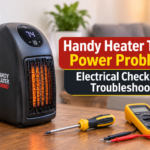
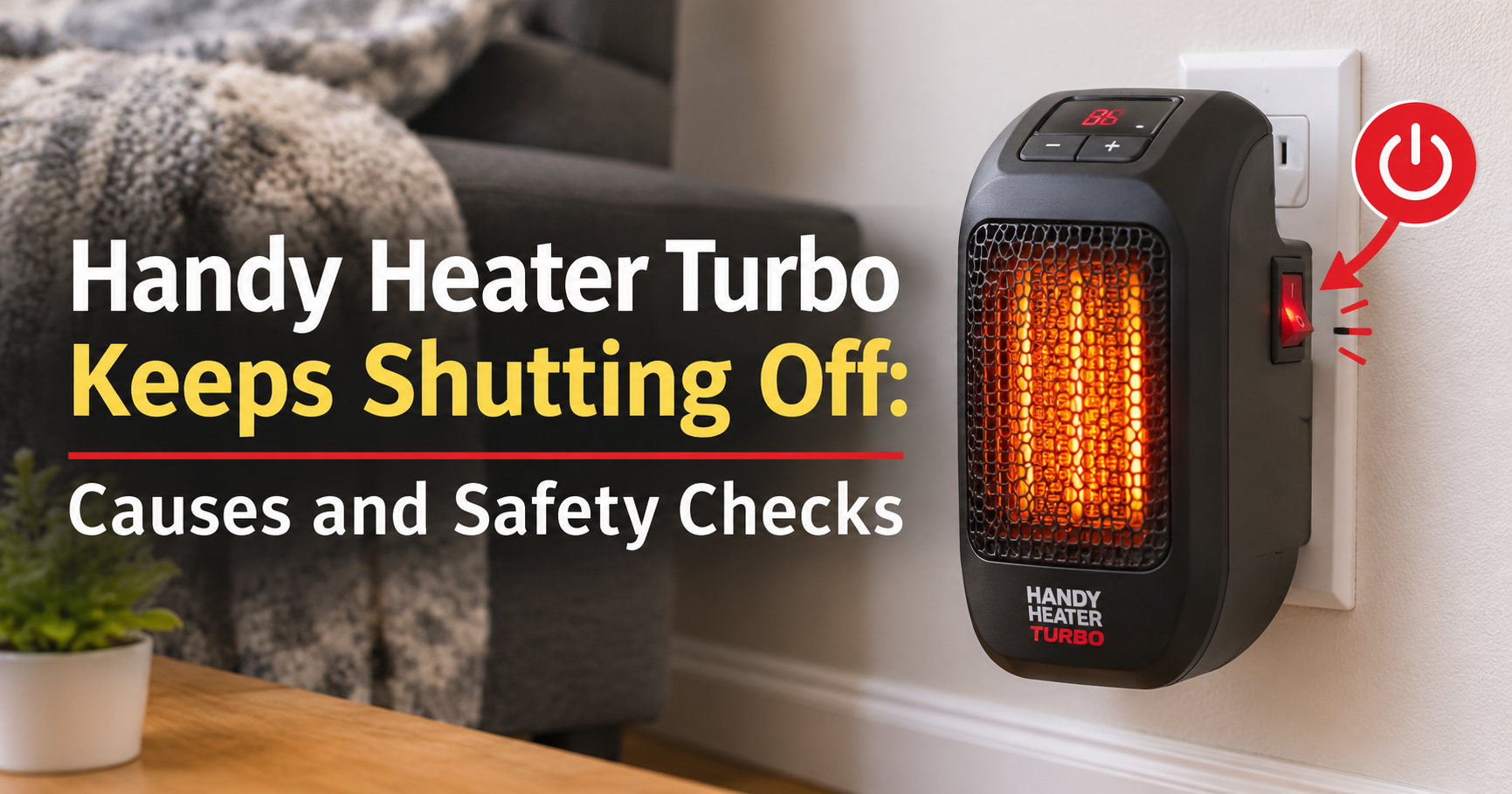
You plug in your Handy Heater Turbo on a cold evening, enjoy a few minutes of warmth, and then it clicks off. You switch it back on, and a short while later it happens again. It is frustrating, and it is also a little worrying. Is the heater broken? Is something unsafe? Or is it simply doing what it was designed to do?
The good news is that a heater that keeps shutting off is very often protecting itself, and you, from a problem that can be fixed at home in a few minutes. This guide explains why a Handy Heater Turbo can shut off by itself, how to find the real cause step by step, how to clean and place it correctly, and when it is time to stop using it and replace it.
Quick answer
The most common reasons a Handy Heater Turbo keeps shutting off are dust-blocked vents that trigger overheat protection, poor placement (against a wall, on a soft surface or slightly tilted), a loose outlet or worn plug, use of an extension cord or power strip, and a tripped breaker. Unplug the heater, let it cool, clean the vents, plug it straight into a different wall outlet, and place it on a flat, hard floor. If it still shuts off, stop using it and replace it.
Why Compact Heaters Shut Off in the First Place
Small plug-in and portable heaters of this type are designed with built-in safety features. Although the exact design varies by model, you will usually find some combination of the following:
- Overheat protection: a thermal cut-off that switches the heater off when internal temperature climbs too high, often because air cannot flow freely.
- Tip-over protection: a switch that cuts power if the heater is knocked over or sits at a noticeable angle.
- Thermostat control: a sensor that pauses heating once the air around the heater reaches the temperature you want, then restarts it as the room cools.
These features exist to prevent fires and damage, so a shut-off is not automatically a defect. It is a signal. Your job is to work out what the heater is reacting to. Always check the label and the user manual of your own unit for the exact power rating and safety features, because specifications can differ between versions.
Is the Shut-Off Normal or a Problem?
Before troubleshooting, it helps to separate normal behavior from a real fault.
| Behavior | Likely meaning |
|---|---|
| Heating pauses, then restarts by itself as the room cools | Normal thermostat cycling, especially in a small room |
| Shuts off after a few minutes and will not restart until it cools down | Overheat protection, usually from blocked airflow or dust |
| Shuts off when you bump the heater or the plug | Loose connection or a worn outlet or plug |
| Shuts off together with other devices or lights | Tripped breaker or overloaded circuit |
| Shuts off with a burning smell, buzzing or a very hot plug | Serious fault: stop using the heater immediately |

7 Common Causes of a Handy Heater Turbo Shutting Off
1. Dust-Blocked Vents Triggering Overheat Protection
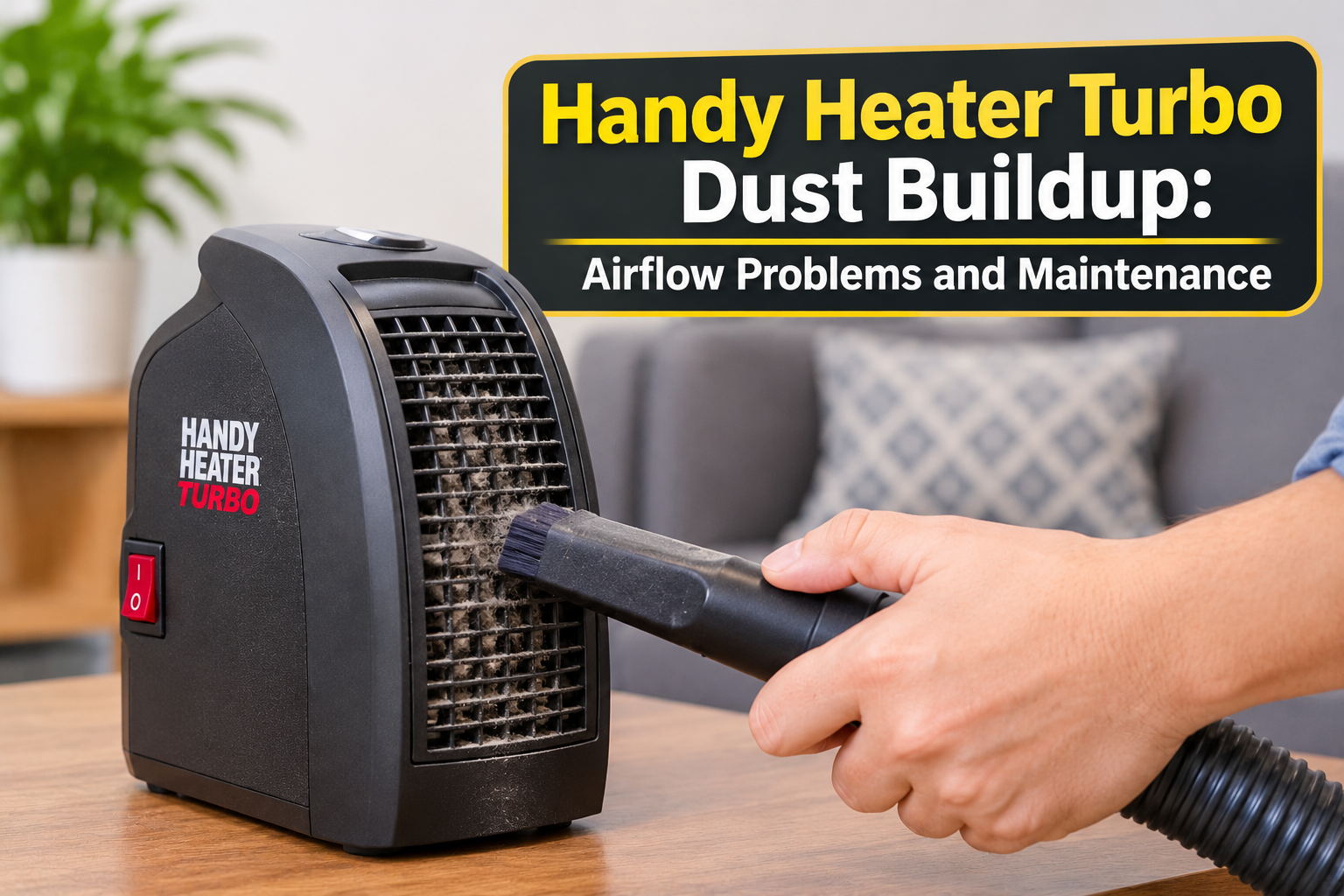
This is the number one cause. Compact heaters pull in room air, warm it, and push it out. Dust, pet hair, lint and fibers collect on the grille and around the intake, and airflow drops. With less air moving through, the internal temperature rises quickly, and the overheat protection switches the heater off to stay safe. After it cools for a while, it may work again, which is why the problem seems to come and go.
Signs: visible dust on the grille, weak airflow, the heater turns off after a few minutes of use and the case feels very warm.
2. Poor Placement or Tilting
If the heater sits on a rug, bed, sofa or any soft surface, it can tilt slightly or have its vents partly covered. Placing it very close to a wall, a curtain or furniture can also trap hot air near the unit. Either situation can trip the tip-over switch or the overheat protection.
3. A Loose Outlet or Worn Plug
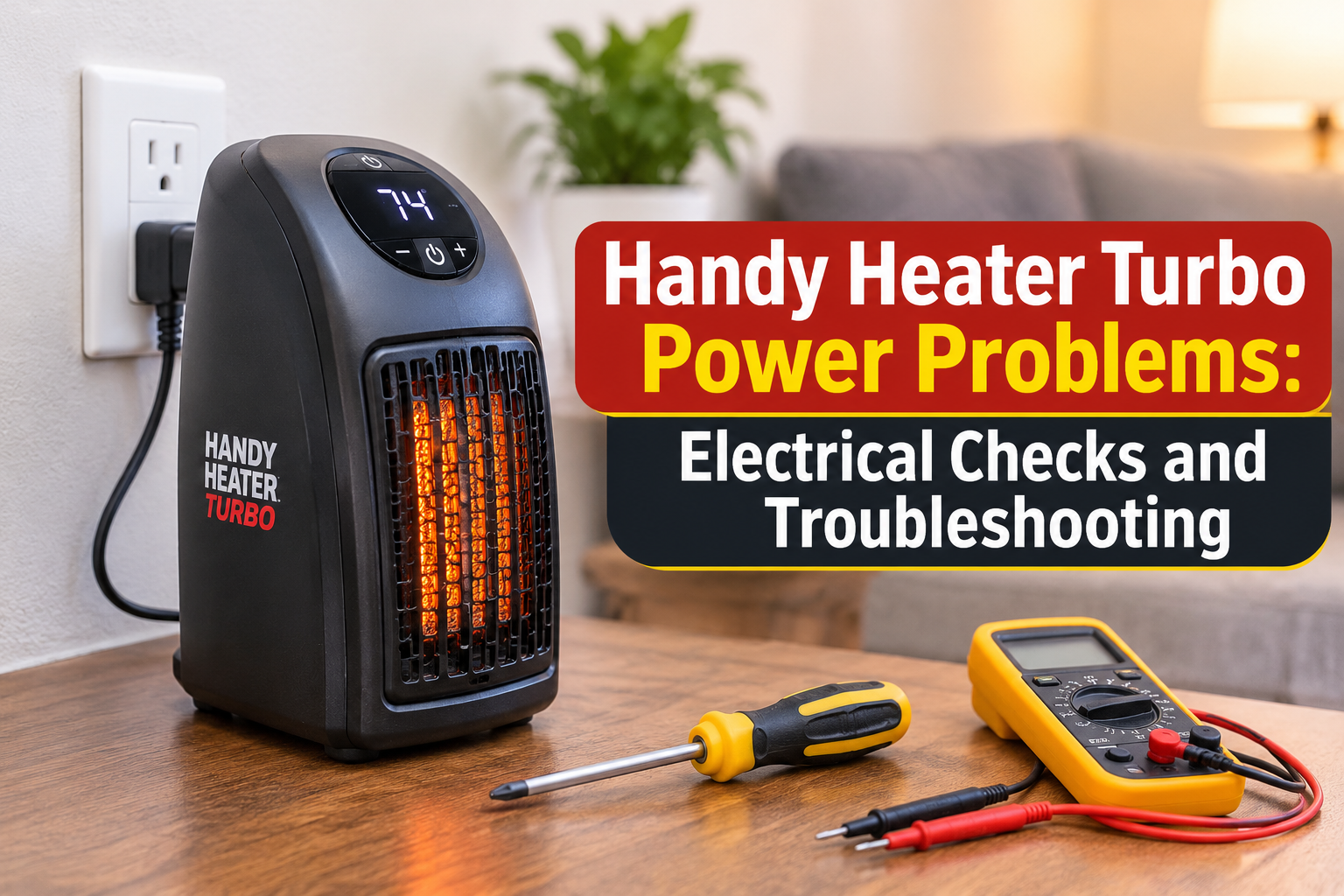
An older wall outlet can lose its grip on the plug. A heater draws a lot of power compared with a phone charger or a lamp, so even a small loss of contact can cut power for a moment. If the heater shuts off when the cord moves, or the plug feels loose in the socket, this is a strong clue. A loose connection also creates heat at the plug, which is a safety concern.
4. Extension Cords and Power Strips
Heaters should be plugged directly into a wall outlet. Extension cords and power strips are usually not built for the steady, heavy load of a heating appliance. They can cause voltage drop, overheating at the connection, or an overload that cuts power. Many heater manuals specifically tell you not to use them, and this is one of the easiest causes to remove.
5. A Tripped Breaker, GFCI or Overloaded Circuit
If the heater shares a circuit with other high-power devices such as a kettle, hair dryer, microwave or another heater, the total load can exceed what the circuit can handle. The breaker or the GFCI outlet may trip, and it can look as though the heater itself shut off. Check whether other lights or devices on the same circuit also lost power.
6. The Thermostat Reached Its Target
In a small, well-closed room, a heater can bring the air to the set temperature very quickly. The thermostat then switches the heating off, and the heater restarts when the temperature drops. This is normal and does not mean the heater is faulty. If the room feels comfortably warm when it clicks off, there is nothing to fix.
7. A Failing Fan or Internal Component
If you have cleaned the vents, fixed the placement, removed extension cords and tested another outlet, and the heater still shuts off, a worn part is likely the cause. A fan that spins slowly or unevenly, a faulty thermostat or a damaged thermal fuse can all produce repeated shut-offs. These parts are not meant to be repaired at home. The safest choice is to retire the unit.
Safety warning
Never open the heater, bypass the thermal cut-off, tape down a switch or use any trick to keep it running. The safety cut-off is the part that protects your home. If the plug or cord is very hot, discolored or melted, or you notice a burning smell or sparks, unplug it only if it is safe to do so, stop using the heater, and have the outlet checked by a qualified electrician.
Step-by-Step Troubleshooting Guide
Work through these steps in order. They go from the easiest and most common fixes to the less common ones.

- Unplug the heater and let it cool for at least 15 minutes. This resets the overheat protection and lets you handle the unit safely.
- Clean the vents and grille. Follow the cleaning routine in the next section. This fixes the problem in a large share of cases.
- Try a different wall outlet. Choose one that is in good condition and holds the plug firmly. If the heater works normally in the new outlet, the first outlet was the problem.
- Remove any extension cord or power strip. Plug the heater straight into the wall.
- Check the breaker or GFCI. Reset it if it tripped, and avoid running other high-power devices on the same circuit while the heater is on.
- Fix the placement. Put the heater on a flat, hard, level floor with open space in front and around it.
- Run a test. Turn the heater on and watch it for 20 to 30 minutes while you stay in the room. If it runs steadily, you have found and fixed the cause.
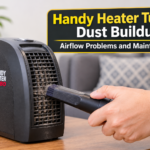
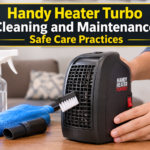
How to Clean Your Heater Safely
Regular cleaning is the best way to prevent overheat shut-offs. Do this whenever you notice dust on the grille, and at least once at the start of the cold season.

- Unplug and cool. Never clean a heater that is plugged in or still warm.
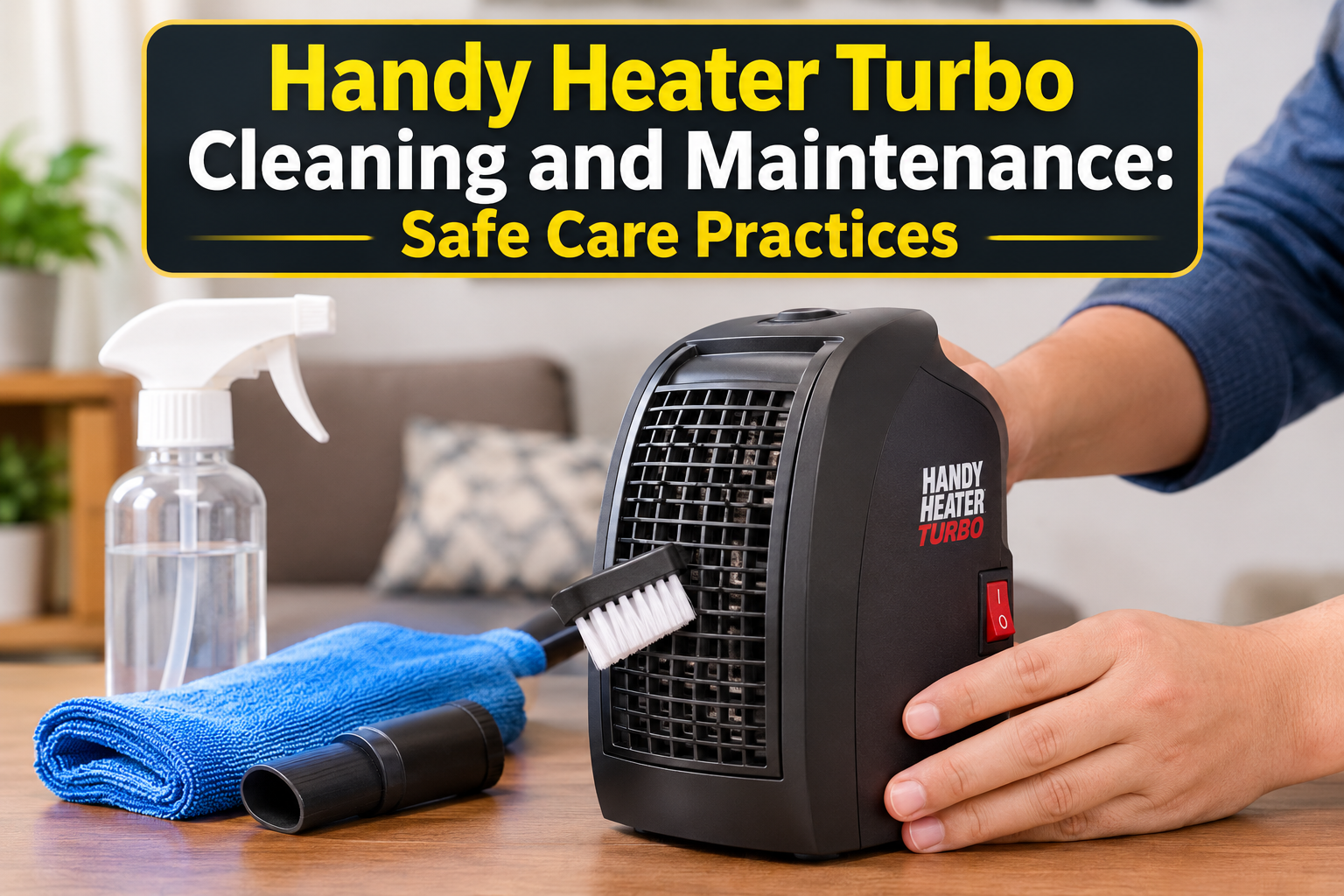
- Use a soft dry brush. Gently loosen dust from the grille and vent openings.
- Vacuum the dust. A vacuum with a brush attachment removes the loosened dust without pushing it deeper.
- Wipe the outside and let it dry completely. Use a cloth that is only slightly damp. Do not spray water or cleaning products on or into the heater, and do not plug it back in until it is fully dry.
The Right Way to Place Your Heater
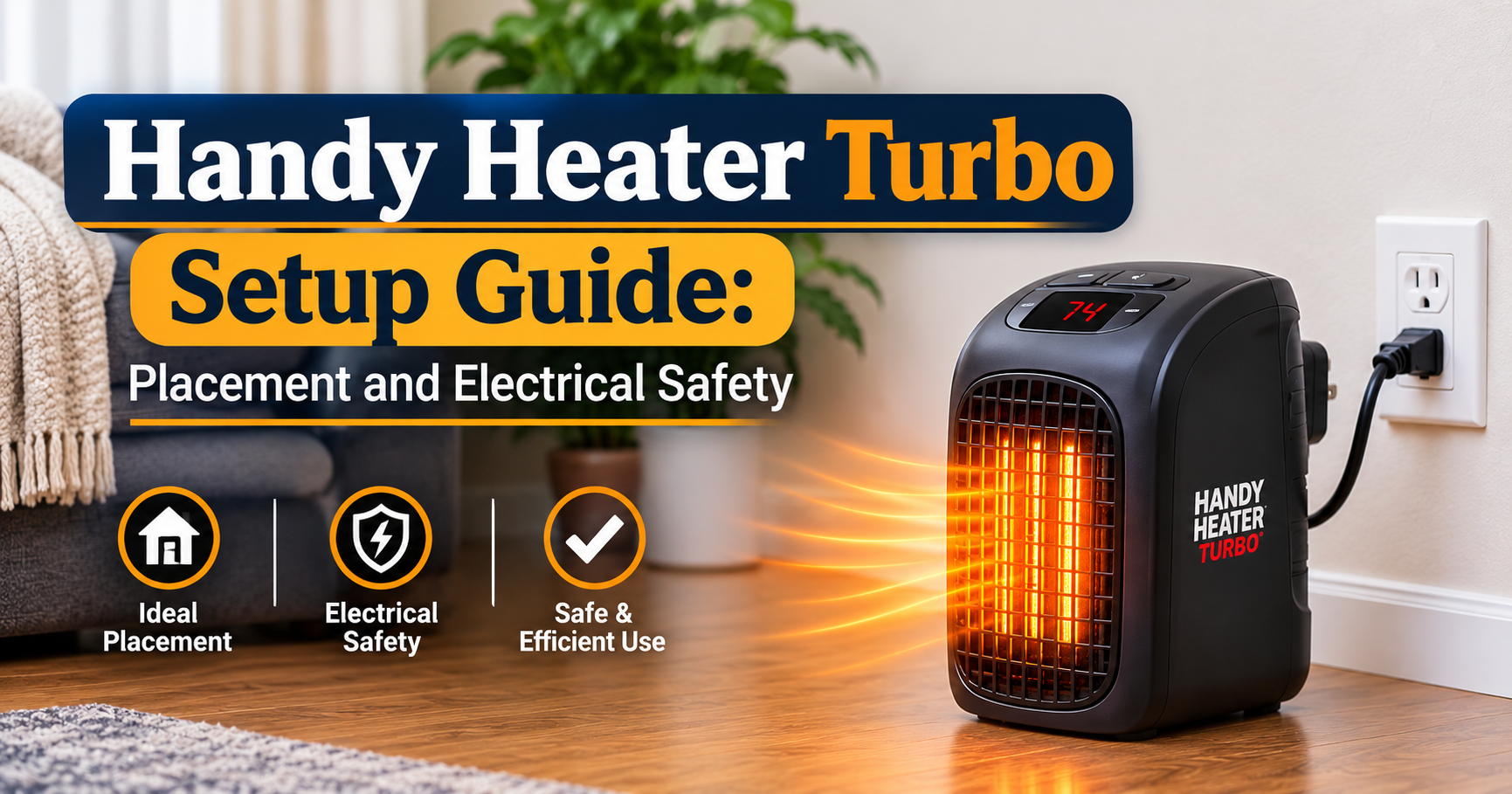
Good placement prevents a surprising number of shut-offs and, more importantly, lowers fire risk. Keep about three feet (roughly one meter) of clear space around the heater, away from curtains, bedding, paper, clothes and furniture.

- Use a flat, level, hard surface, not a carpet, bed or sofa.
- Do not cover the heater or use it to dry clothes or towels.
- Keep the intake and outlet vents free from obstruction.
- Keep children and pets away from the front of the unit.
- Do not leave it running unattended or while you sleep unless the manual clearly allows it.
What You Should Not Do
- Do not use an extension cord or power strip.
- Do not keep resetting the heater again and again without finding the cause.
- Do not disassemble the heater or try to repair internal parts.
- Do not block the vents to “keep the heat in.”
- Do not ignore a hot plug, burning smell or damaged cord.
Simple Maintenance Schedule
| When | What to do |
|---|---|
| Every use | Check that the vents are clear and the plug sits firmly in the outlet |
| Every 2 to 4 weeks in season | Dry brush and vacuum the grille and vents |
| Start of the cold season | Inspect the cord and plug for damage and do a full cleaning |
| End of the cold season | Clean, dry fully and store in a dry, dust-free place |
When to Replace Your Heater
Consider replacing the heater if any of these apply:
- It keeps shutting off even after cleaning, a new outlet, no extension cord and proper placement.
- The cord, plug or body shows cracks, discoloration or melting.
- You notice a burning smell, buzzing, sparks or a weak, uneven fan.
- The heater is old and has had repeated problems.
If the unit is still under warranty, contact the seller or manufacturer before discarding it.
What to Look for in a Replacement Heater
If you decide to buy a new heater, these features make troubleshooting less likely and use safer:
- Tip-over and overheat protection built in as standard.
- An adjustable thermostat so you can control the temperature.
- A power rating suited to your room size and your circuit.
- A sturdy plug and a cord of good quality that fits snugly in the outlet.
- A removable or easy-to-clean grille for simple dust control.
- Recognized safety certification marks for your country.
Frequently Asked Questions
Why does my Handy Heater Turbo turn off after a few minutes?
The most likely reason is overheat protection caused by dust-blocked vents or poor airflow. Unplug it, let it cool, clean the vents and place it on a flat, hard surface with open space around it.
Is it normal for a heater to turn itself off?
Yes, if it is the thermostat pausing heating once the room is warm and then restarting. It is not normal if it shuts off quickly, will not restart, or comes with a smell, noise or a hot plug.
Can I use an extension cord with this heater?
It is best to avoid it. Plug the heater directly into a wall outlet to prevent overheating and voltage drop.
Can I fix the heater myself if the internal part is faulty?
No. Internal repairs are unsafe for a non-professional, and a compact heater is usually safer to replace than to repair.
How long should I wait before turning it back on?
Unplug it and wait at least 15 minutes so it cools down fully before you restart it.
Why does the heater work in one outlet but not another?
The first outlet may be worn, loose or on an overloaded circuit. Use the outlet that holds the plug firmly and does not share the circuit with other heavy appliances.
Final Thoughts
A Handy Heater Turbo that keeps shutting off is usually asking for help rather than failing outright. In most homes the cause is simple: dust in the vents, poor placement, a loose outlet or an extension cord. Cleaning the heater, plugging it straight into a good wall outlet and giving it a clear, flat spot to work from solves the problem in many cases.
If you have tried every step and the heater still switches off, do not look for a way around the safety system. Retire the unit and choose a replacement with solid safety features. A few minutes of care now keeps your home warm, and just as importantly, keeps it safe.