


Stepping out of a hot shower into a freezing bathroom is one of the least pleasant parts of a cold morning. Tiled walls, hard floors and wet skin make a bathroom feel colder than almost any other room in the house. That is why so many people look for a portable electric heater for the bathroom: it is affordable, needs no installation, and warms the room in minutes.
But a bathroom is also the one room where electricity and water sit closest together. Choosing the wrong heater, or placing the right heater in the wrong spot, can create a real shock or fire risk. This guide explains how portable bathroom heaters work, which types make sense, what safety features to look for, how much power you need, and how to use one correctly day after day.
Quick Summary
- Choose a heater designed or rated for damp areas, ideally with a splash-proof rating such as IPX4 or higher.
- Keep the heater at least 3 feet (about 1 meter) away from the bathtub, shower, sink and any standing water.
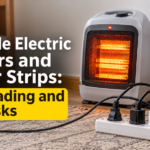
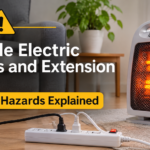
- Plug it directly into a GFCI-protected wall outlet. Never use an extension cord or power strip.
- Pick a model with tip-over protection, overheat protection and a thermostat.
- 1000 to 1500 watts is enough for most bathrooms.
- Turn the heater off before you shower and never leave it running while you are out of the room.
Is It Safe to Use a Portable Electric Heater in a Bathroom?
It can be, but only with the right product and careful habits. Water conducts electricity, and a bathroom is full of water, steam and wet surfaces. A heater that works perfectly well in a bedroom may not be built to handle moisture, and humidity can damage the internal parts of an ordinary heater over time.
Three things decide whether a bathroom heater is safe:
- The heater itself. It should be built for damp conditions and carry recognised safety certification.
- The location. It must sit on a dry, stable, hard floor, well away from water.
- The electrical supply. The outlet should have GFCI (ground fault circuit interrupter) protection, which cuts power quickly if it detects a leak of current.
Important note: electrical rules differ from country to country. In some regions, plug-in portable heaters are not permitted inside bathrooms at all, and only fixed, permanently wired bathroom heaters are approved. Always check your local regulations and the manufacturer’s manual before use.
Bathroom Heater Placement: The 3-Foot Rule
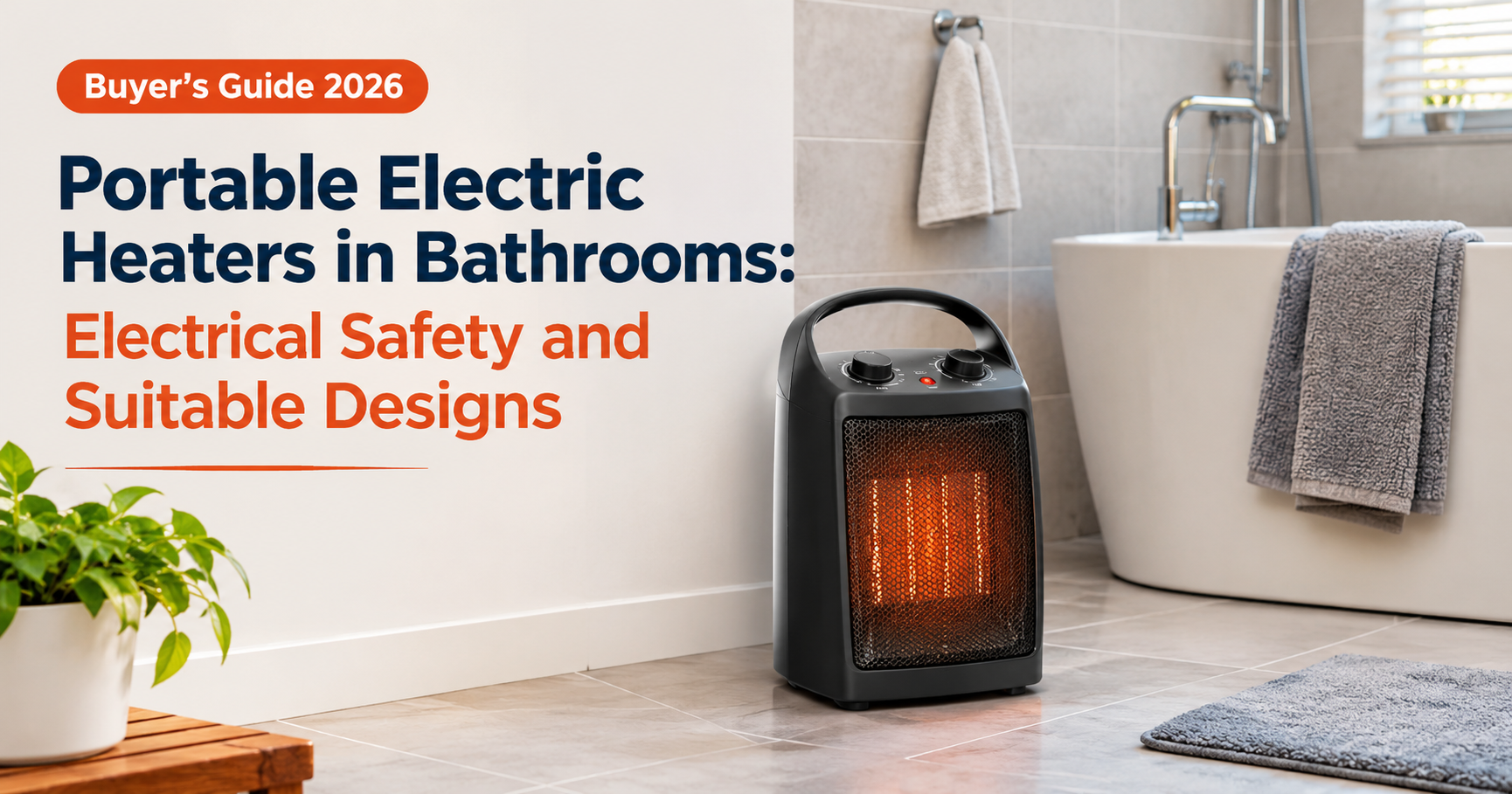
The most important safety habit is distance. Keep the heater at least 3 feet (1 meter) from the tub, shower, sink and any place where water can splash or pool. Also keep it clear of towels, shower curtains, bath mats, robes and anything else that can burn or fall onto it.

Golden placement rules
- Place it on a flat, dry, hard surface. Never put it on a rug, a bath mat, a stool or the edge of the tub.
- Point the airflow into open space, not at a wall corner or a pile of towels.
- Leave open space around the front and sides so air can circulate.
- Route the cord so nobody can trip over it, and keep it away from wet floor areas.
- Never hang towels or clothes on the heater to dry them.
Types of Portable Heaters for the Bathroom
Not every heater suits a small, damp, tiled room. Here are the options people compare most often.

1. Ceramic fan heaters
These use a PTC (positive temperature coefficient) ceramic element and a fan to push warm air into the room. They heat up quickly, are compact and are usually the most popular choice for bathrooms. Many have built-in thermostats and tip-over switches. The main drawback is some fan noise.
2. Infrared (radiant) heaters
Infrared heaters warm people and objects directly rather than heating all the air first. That makes them feel warm almost instantly, which is ideal for the few minutes after a shower. They work best for spot warming and are less effective at heating a whole large room.
3. Oil-filled radiators
They give steady, gentle warmth and stay warm after switching off. However, they are heavy, slow to start and bulky for small bathrooms. Surfaces can stay hot, so placement needs extra care.
4. Wall-mounted bathroom heaters
Strictly speaking these are not portable, but they are worth knowing about. A fixed, correctly installed bathroom heater is designed for damp zones and keeps the floor clear. If you plan a long-term solution and can arrange a qualified installation, this is often the safest route.
5. Heated towel rails
These provide mild background heat and warm, dry towels. Their output is limited, so they work best as a comfort addition rather than the main heat source.
Key Features to Look for in a Bathroom Heater
When you compare models, use the checklist below. The more boxes a heater ticks, the safer and more comfortable it will be.

Water and moisture protection (IP rating)
The IP (Ingress Protection) rating shows how well a product resists solids and water. For bathroom use, look at the second digit, which describes water resistance. IPX4 means the heater withstands splashing from any direction. Higher ratings offer more protection. A heater with no IP rating is not designed for a damp environment, even if it looks sturdy.
Tip-over protection
If the heater is knocked over, a tip-over switch cuts the power immediately. This feature matters most in small bathrooms with pets or children.
Overheat protection
A thermal cut-out switches the heater off automatically if internal temperatures climb too high, for example if the vents get blocked.
Adjustable thermostat
A thermostat keeps the room at a steady temperature and prevents constant overheating. It also saves electricity because the heater cycles on and off instead of running at full power all the time.
Timer
A timer is a very useful extra. Set it to 15 or 30 minutes and the heater shuts itself off, which helps if you forget it.
Cool-touch housing
A well-insulated body and a protective grille reduce the risk of burns, especially in homes with young children.
Safety certification
Look for recognised marks such as UL, ETL or CE, depending on your country. Certification shows the product has been independently tested against safety standards.
How Much Wattage Do You Need?
Bathrooms are usually small, so you do not need a very powerful heater. A common rule of thumb is about 10 watts of heating power per square foot of floor area (roughly 100 watts per square meter) for a reasonably quick warm-up. Poor insulation, an exterior wall or an exhaust fan running at the same time will increase the need.

Most portable heaters sold for home use top out at 1500 watts, which is the practical limit for a standard 120 volt, 15 amp household circuit. A bigger number does not always mean a better heater, and a 1000 to 1500 watt unit comfortably handles the typical bathroom.
How much does it cost to run?
The calculation is simple: power in kilowatts multiplied by hours of use, multiplied by your electricity rate. A 1.5 kW heater running for half an hour uses 0.75 kWh. Because bathroom heaters run for short periods, the extra cost per day is usually small, particularly when a thermostat and timer are used.
How to Use a Portable Heater in the Bathroom: Step by Step
- Read the manual first. Confirm the model is approved for bathroom or damp-area use.
- Dry the floor and your hands. Never plug in, switch on or adjust the heater with wet hands.
- Position it at least 3 feet from water. Choose a stable, hard, dry surface with free space around it.
- Plug directly into a GFCI outlet. Test the GFCI button regularly, as shown in the outlet’s instructions.
- Warm the room before you get in. Switch the heater on 10 to 15 minutes before showering, then turn it off and unplug it before the water starts.
- Use it again after the shower. Switch it back on once you are dry and out of the wet area to keep the room comfortable while you dress.
- Turn it off and unplug it when you leave. Never leave a heater running in an empty room.
Common Mistakes to Avoid
- Using an ordinary bedroom heater. Without moisture protection, damp air can damage components and increase risk.
- Using extension cords or power strips. Heaters draw a lot of current, and extension cords can overheat.
- Placing the heater on the tub edge or a wet counter. A fall into water is a serious danger.
- Covering the heater. Blocking the vents traps heat and can start a fire.
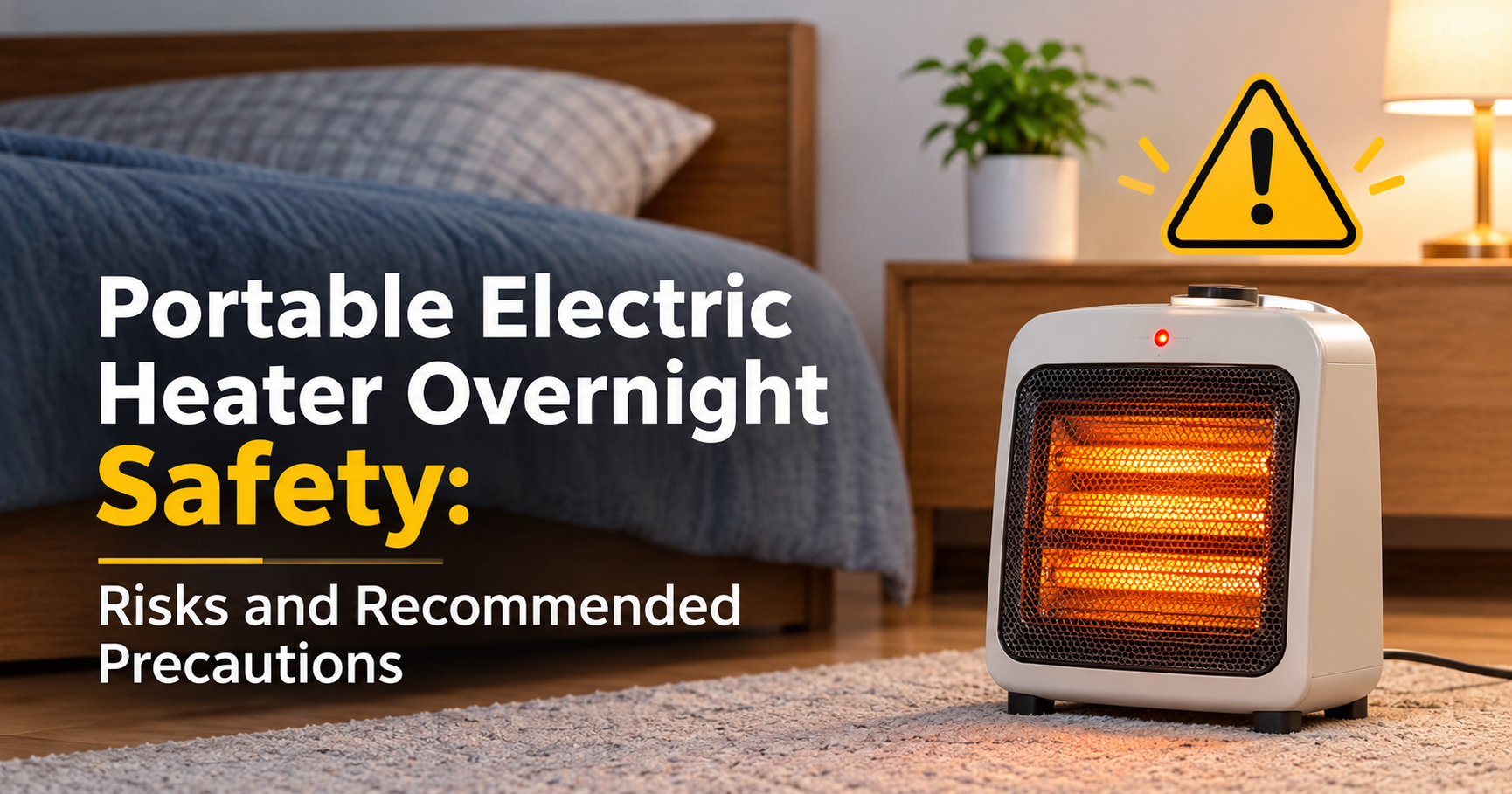
- Running it all night. Bathroom heaters are for short, supervised use.
- Ignoring damage. A frayed cord, cracked housing or discoloured plug means it is time to stop using the unit.
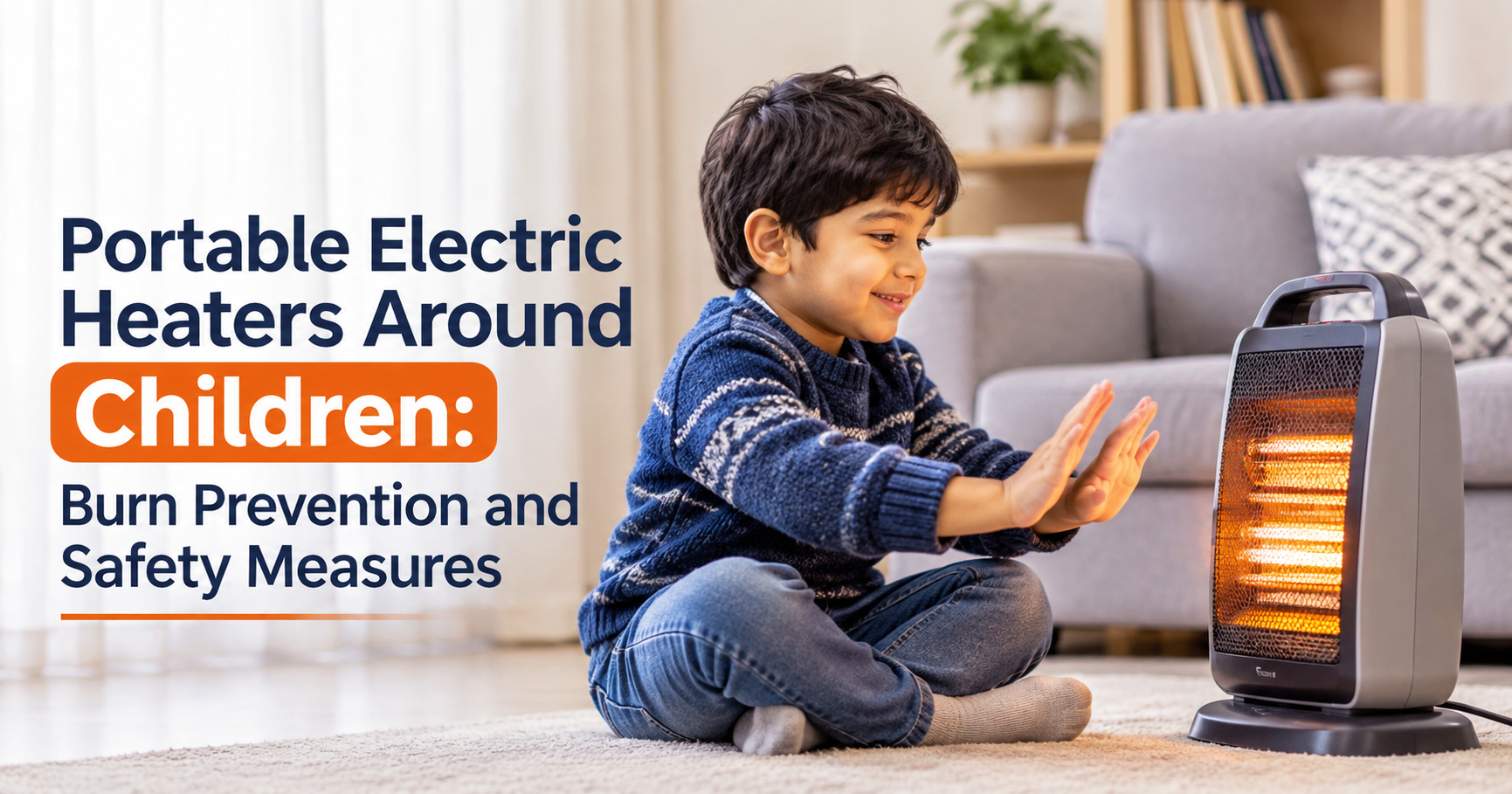
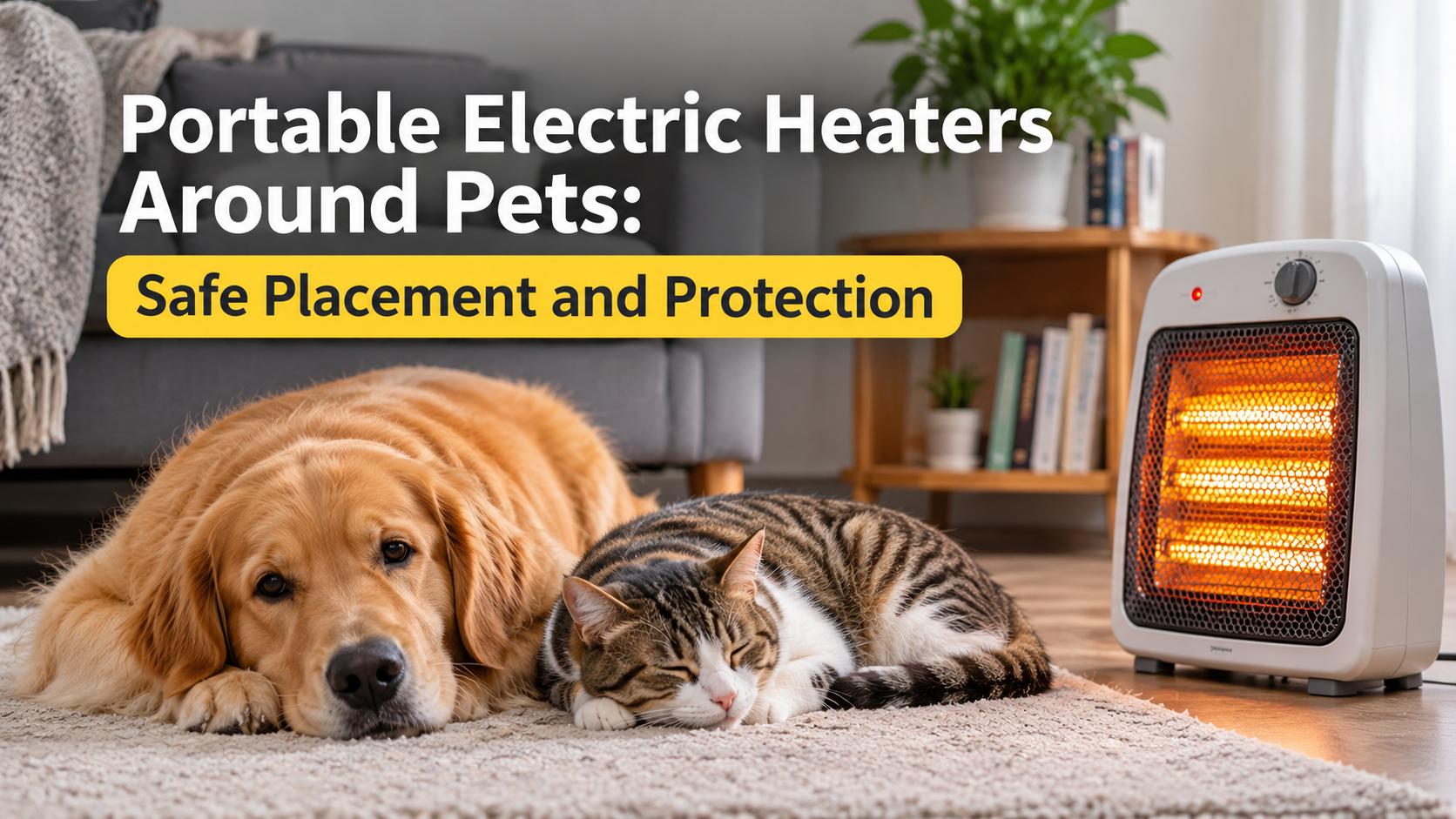
- Leaving children or pets alone with it. Teach everyone in the home that the heater is not a toy.
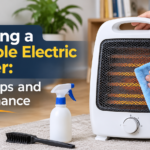
Cleaning and Maintenance Tips
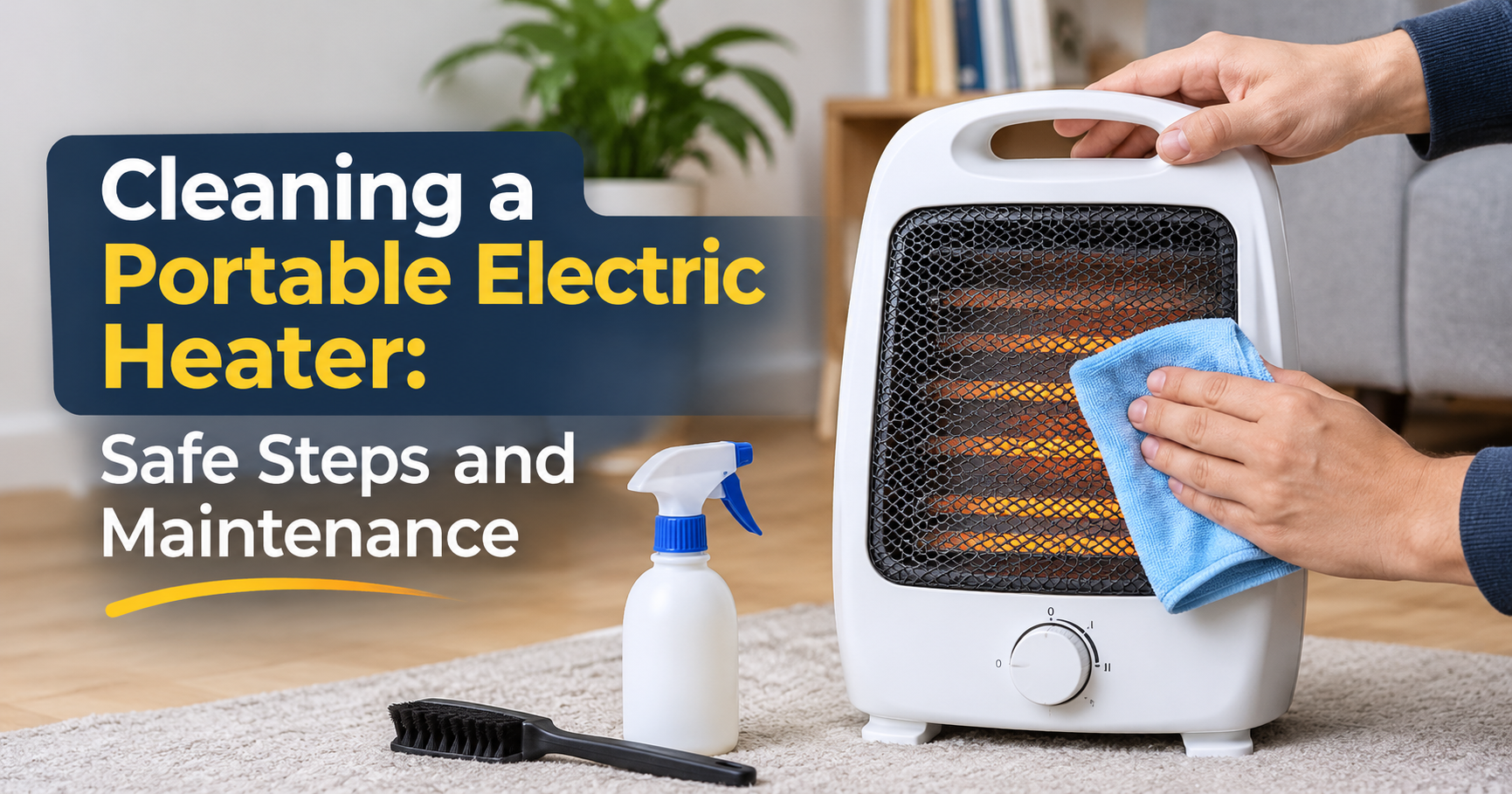
- Unplug the heater and let it cool completely before cleaning.
- Use a soft, dry brush or a vacuum with a brush attachment to remove dust from the grille and vents.
- Wipe the outer body with a slightly damp cloth, never with running water, then dry it fully.
- Check the cord and plug often for heat marks, cracks or looseness.
- Store the heater in a dry place away from the bathroom when it is not needed, especially in warm months.
Tips to Warm Your Bathroom More Efficiently
- Close the door and any windows while warming up to keep heat in.
- Seal gaps under the door and around windows with weatherstripping.
- Use warm bath mats and slippers so cold tiles feel less harsh.
- Ventilate after showers with the exhaust fan so moisture does not linger. This also helps the heater last longer.
- Use the thermostat and timer instead of leaving the heater on high.
Frequently Asked Questions
Can I use a regular space heater in the bathroom?
It is best not to. Choose a heater that is designed or rated for bathroom or damp-area use, with a splash-resistant IP rating and certification.
How far should a portable heater be from the shower?
Keep it at least 3 feet (about 1 meter) from the bathtub, shower, sink and any standing water. More distance is better, and it should always be outside the splash zone.
Is a ceramic or infrared heater better for a bathroom?
Ceramic fan heaters warm the whole room quickly, while infrared heaters give instant warmth to the person standing in front of them. Ceramic is better for general room warming and infrared is better for quick spot heating.
What wattage is best for a bathroom heater?
Between 1000 and 1500 watts is enough for most bathrooms. Very small half-baths can manage with a lower-wattage unit.
Can I leave a bathroom heater on overnight?
No. Heaters should be used for short, supervised periods and switched off when you leave the room or go to sleep.
Do I need a GFCI outlet?
Yes, in most places electrical codes require GFCI protection for bathroom outlets, and it is strongly recommended for any heater used there. If your outlet is not GFCI protected, ask a qualified electrician to upgrade it.
Is it safe to use a heater with children in the house?
It can be, if you choose a cool-touch model with tip-over protection, keep it well out of reach and never leave children alone in the room while it is on.
Final Thoughts
A portable electric heater can turn a chilly bathroom into a warm, comfortable space in a few minutes, but only when safety comes first. Choose a heater built for damp areas, check for an IP rating, tip-over and overheat protection, and a thermostat. Keep it at least 3 feet from water, plug it into a GFCI outlet, and switch it off whenever you are not in the room. Follow these habits and you can enjoy a warm bathroom through the coldest months with far less risk.
Disclaimer: This article is for general information only. Always follow the manufacturer’s instructions and your local electrical regulations, and consult a qualified electrician for any wiring or outlet questions.