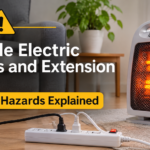
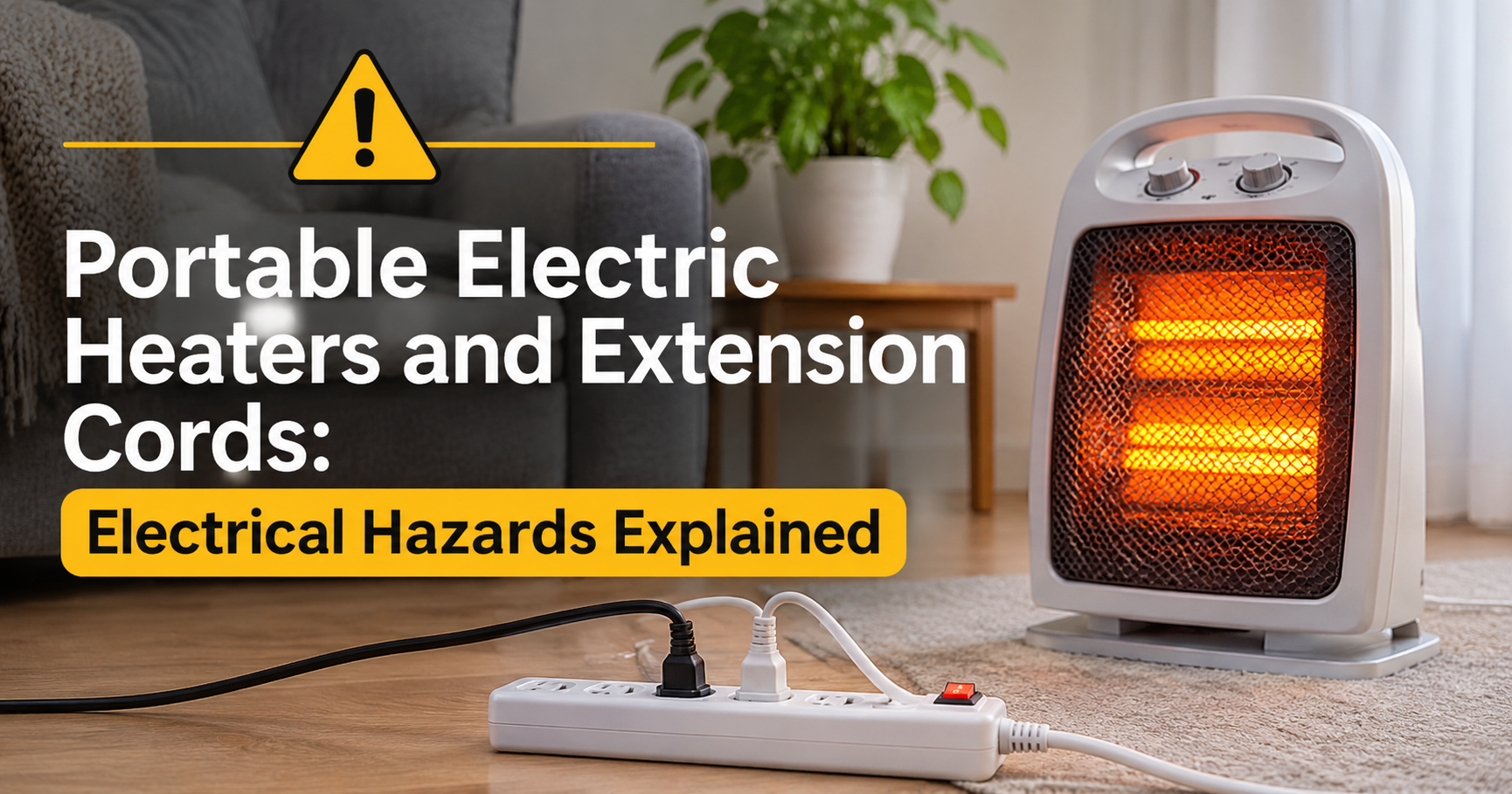
When the temperature drops, a portable electric heater is one of the quickest ways to warm up a room. But the nearest wall outlet is not always where you want the heater to sit, and that is when many people reach for an extension cord. It looks harmless. It often is not.
Portable electric heaters are among the highest-wattage appliances in a typical home. They draw power continuously for hours, and they push cords, plugs, and outlets harder than almost anything else you plug in. Understanding portable electric heater extension cord safety can be the difference between a cozy evening and a dangerous electrical fire.
This guide explains why heaters and extension cords are a risky pairing, what to do if you truly have no alternative, how to choose a cord that can handle the load, and which warning signs mean you should stop using the heater immediately.
Quick Answer: Should You Use an Extension Cord With a Portable Heater?
The safest answer is no. Most heater manufacturers and fire safety organizations recommend plugging a portable electric heater directly into a wall outlet. The cord that comes with the heater is designed for the heater’s power draw, while a typical household extension cord is not.
The simple rule
Plug the heater directly into a wall outlet whenever possible. Use an extension cord only as a last resort, and only if it is a short, heavy-duty cord rated for the heater’s wattage.
Why Heaters and Extension Cords Are a Risky Combination
1. Heaters Draw a Very High Current
A standard 1500-watt portable heater, the most common size sold for home use, draws roughly 12.5 amps on a 120-volt circuit. That is close to the limit of a standard 15-amp household circuit. Compare that with a phone charger, a lamp, or a television, which each draw a small fraction of an amp. A heater is a heavy, sustained load.
Many general-purpose extension cords are built for lighter loads such as lamps and chargers. When a thin cord carries a heavy load for hours, the wires heat up. The insulation can soften, melt, and eventually fail.
2. Heat Builds Up Where You Cannot See It
Electrical resistance turns some of the energy flowing through a cord into heat. A cord that is too thin, too long, or damaged has more resistance, so it gets hotter. The hottest part is often the plug, the connection point, or a section hidden under furniture or bedding.
3. Extra Connection Points Add Weak Spots
Every plug-and-socket connection adds resistance. A loose or worn connection can create a hot spot or even arcing. Using an extension cord adds at least one more connection to the circuit, and that connection is a common place for overheating to begin.
4. Cords Are Easily Damaged and Easily Misused
Extension cords get pinched by doors, run under rugs, wrapped around furniture legs, and stepped on. Damage is often invisible from the outside. A heater running through a damaged cord is a serious hazard.

Extension Cords vs. Power Strips vs. Surge Protectors
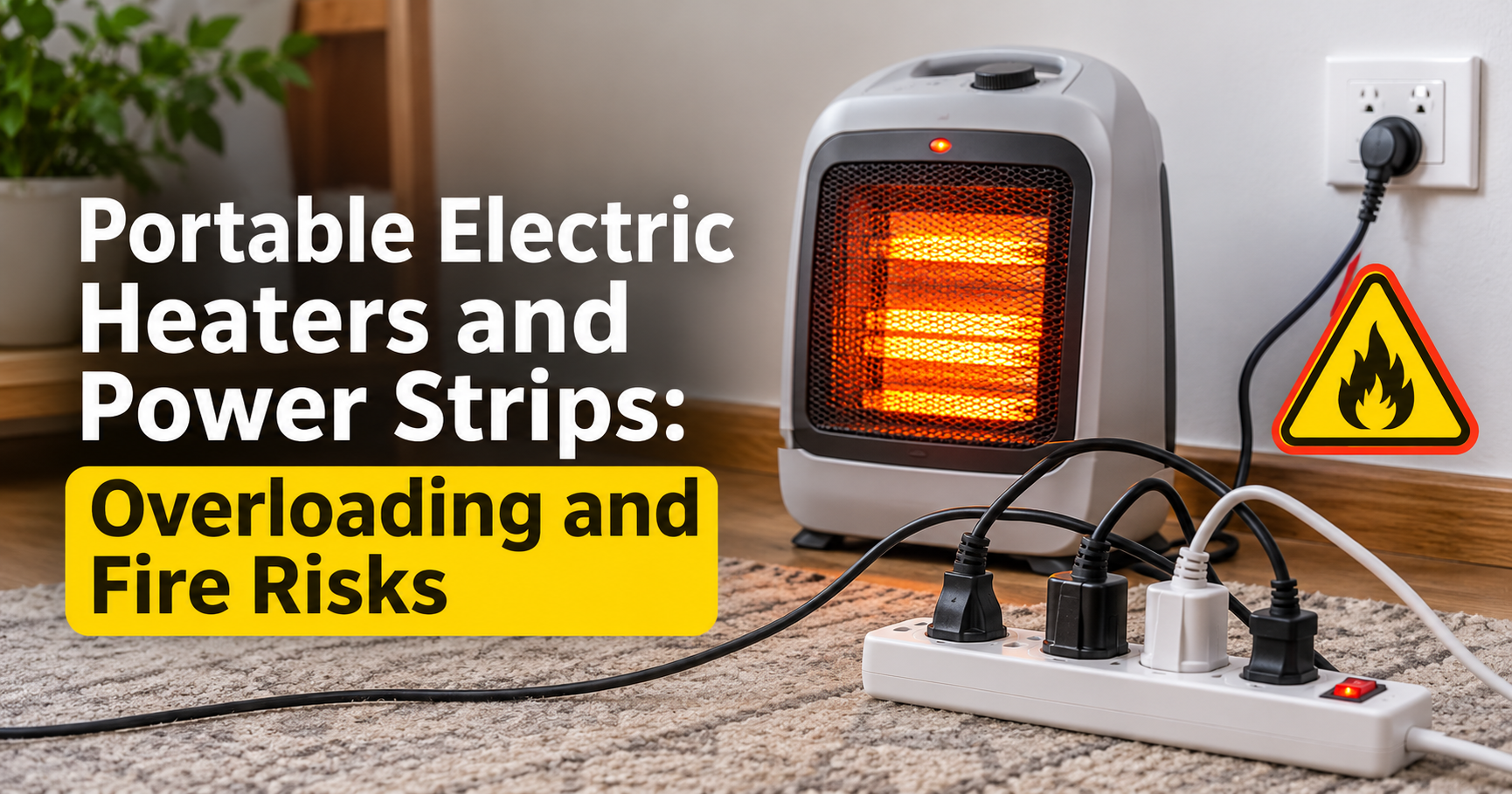
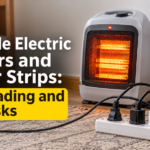
People often ask whether a power strip or surge protector is safer than a plain extension cord. For a portable heater, the answer is the same: avoid them.
- Power strips: They are built to share many small loads, not to supply one large, continuous load. The internal wiring and switch are usually not designed for a heater’s current.
- Surge protectors: They protect electronics from voltage spikes, but they do not make a heater safer. Their internal components and circuit breaker are not intended for continuous heavy heating loads.
- Standard extension cords: Many are fine for lamps but not for heaters, particularly thin, light-duty, or long cords.
- Heavy-duty extension cords: If you must use a cord, this is the only type worth considering.
If You Have No Other Option: How to Choose the Right Extension Cord
Sometimes the outlet really is out of reach, such as in an older home with few outlets. If you have exhausted other options, such as moving the heater or having an electrician add an outlet, choose a cord carefully.
Check the Wire Gauge (AWG)
Wire gauge is measured in AWG (American Wire Gauge), and the rule is counterintuitive: the lower the number, the thicker the wire and the more current it can safely carry. For a 1500-watt heater, a 16-gauge cord is generally too light. A 14-gauge cord is the bare minimum for very short runs, and a 12-gauge cord is the better choice. For longer runs, a 10-gauge cord offers more margin.

Keep the Cord as Short as Possible
The longer the cord, the more electrical resistance it has, and the more heat it generates. Choose the shortest cord that will reach, often 6 feet or less. Never use a cord that is much longer than you need, and never leave excess cord coiled up, because coiling traps heat.
Look for the Right Ratings and Certifications
- Amp and watt rating: The cord’s rating should be equal to or higher than the heater’s. Check the label on the heater for its wattage, and the label on the cord for its amperage and wattage rating.
- Safety certification: Choose a cord with a recognized safety mark such as UL, ETL, or CSA. Avoid unmarked or unbranded cords.
- Heavy-duty construction: Look for descriptions such as “heavy-duty” or “appliance cord,” and thicker outer jackets such as SJT or SJTW.
- Grounded 3-prong plug: If the heater has a three-prong plug, the cord must have one too. Never remove the grounding pin or use an adapter that bypasses it.
- Indoor rating: Make sure the cord is rated for indoor use, or for indoor and outdoor use if the heater is used in a garage or workshop.
Check the Heater’s Own Instructions
Read the manual. Many manufacturers specifically say not to use an extension cord at all, and using one may void the warranty. If the manual forbids it, follow the manual.
Safe Setup: Step-by-Step
- Try the wall outlet first. Move the heater or rearrange the furniture so the heater’s own cord reaches the outlet.
- Inspect the outlet. It should grip the plug firmly. A loose, cracked, warm, or discolored outlet should be checked by a licensed electrician before you use a heater.
- Inspect the cord. Look for cracks, fraying, bent prongs, and exposed wire. Replace damaged cords rather than repairing them with tape.
- Use a single, heavy-duty cord. Never connect two cords together.
- Push plugs in fully. A partially inserted plug creates resistance and heat.
- Lay the cord flat and visible. Do not run it under rugs, carpets, or furniture, and do not cover it.
- Keep the circuit uncrowded. Do not run other high-wattage appliances, such as a hair dryer, microwave, or space heater, on the same circuit.
- Check the plug and cord after 10 to 15 minutes. They may feel slightly warm, but they should never feel hot.
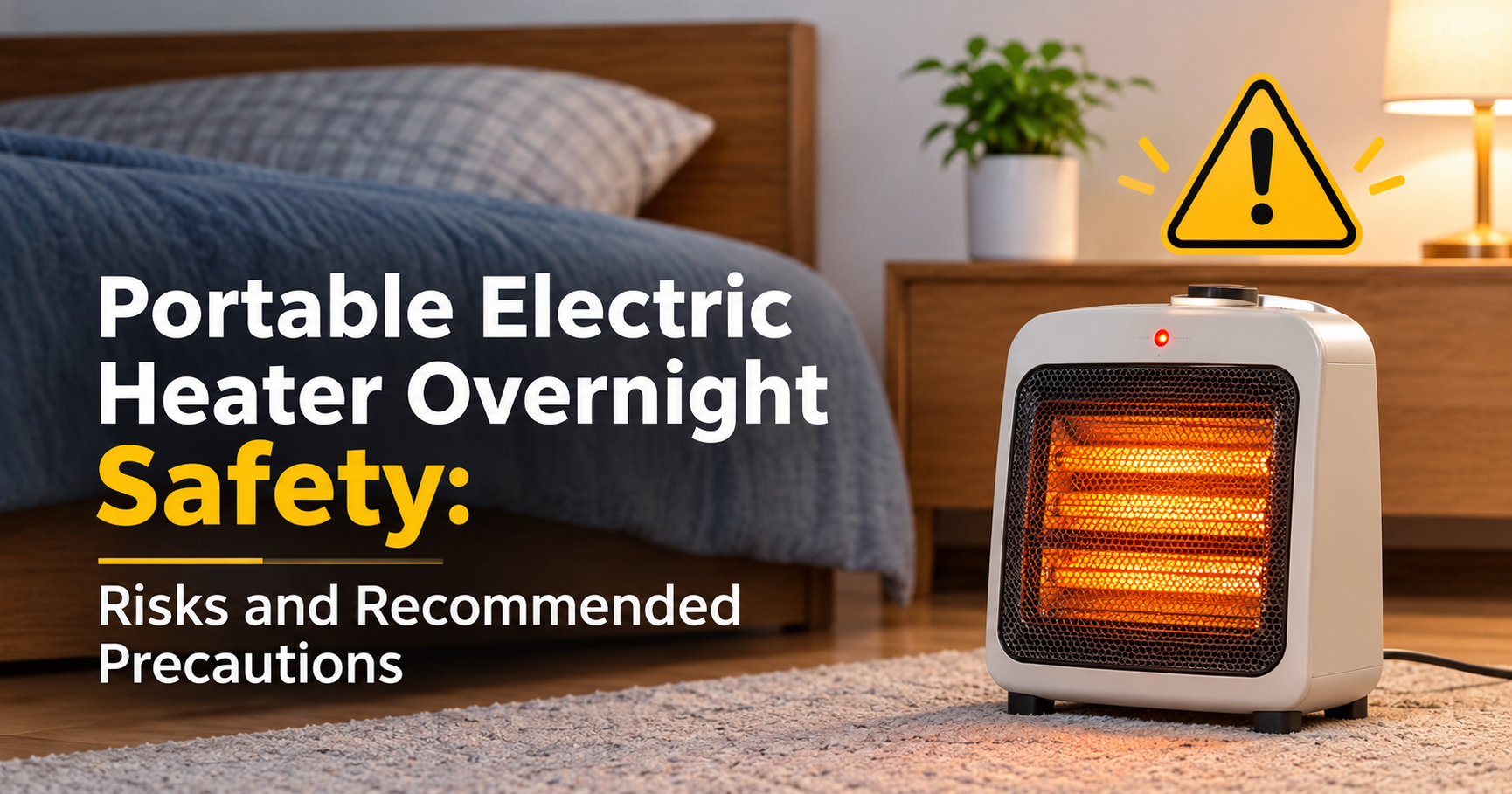
- Never leave the heater unattended. Turn it off and unplug it when you leave the room, go to sleep, or leave the house.
Warning Signs You Should Never Ignore
Overheating cords often give clues before something fails. Turn the heater off, unplug it carefully, and stop using the cord if you notice any of these signs:

- A plug, cord, or outlet that feels hot to the touch
- A burning or melting plastic smell
- Brown or black discoloration around the plug or outlet
- The heater turning on and off or lights dimming when it runs
- A circuit breaker that trips repeatedly
- Cracked, frayed, or stiff cord insulation
Important
If you notice any of these signs, do not simply keep using the heater and hope for the best. Let everything cool, replace the cord or heater if needed, and have the outlet checked by a qualified electrician if it shows heat damage.
Other Heater Safety Rules That Go Hand in Hand
- Keep a clear space. Maintain at least 3 feet (about 1 meter) of clearance between the heater and curtains, bedding, furniture, paper, and clothing.
- Use a stable, flat, hard surface. Do not place a heater on carpet that blocks the base, on a table, or on any unstable surface.
- Choose a heater with built-in safety features. Look for tip-over protection, overheat protection, and a certified safety mark.
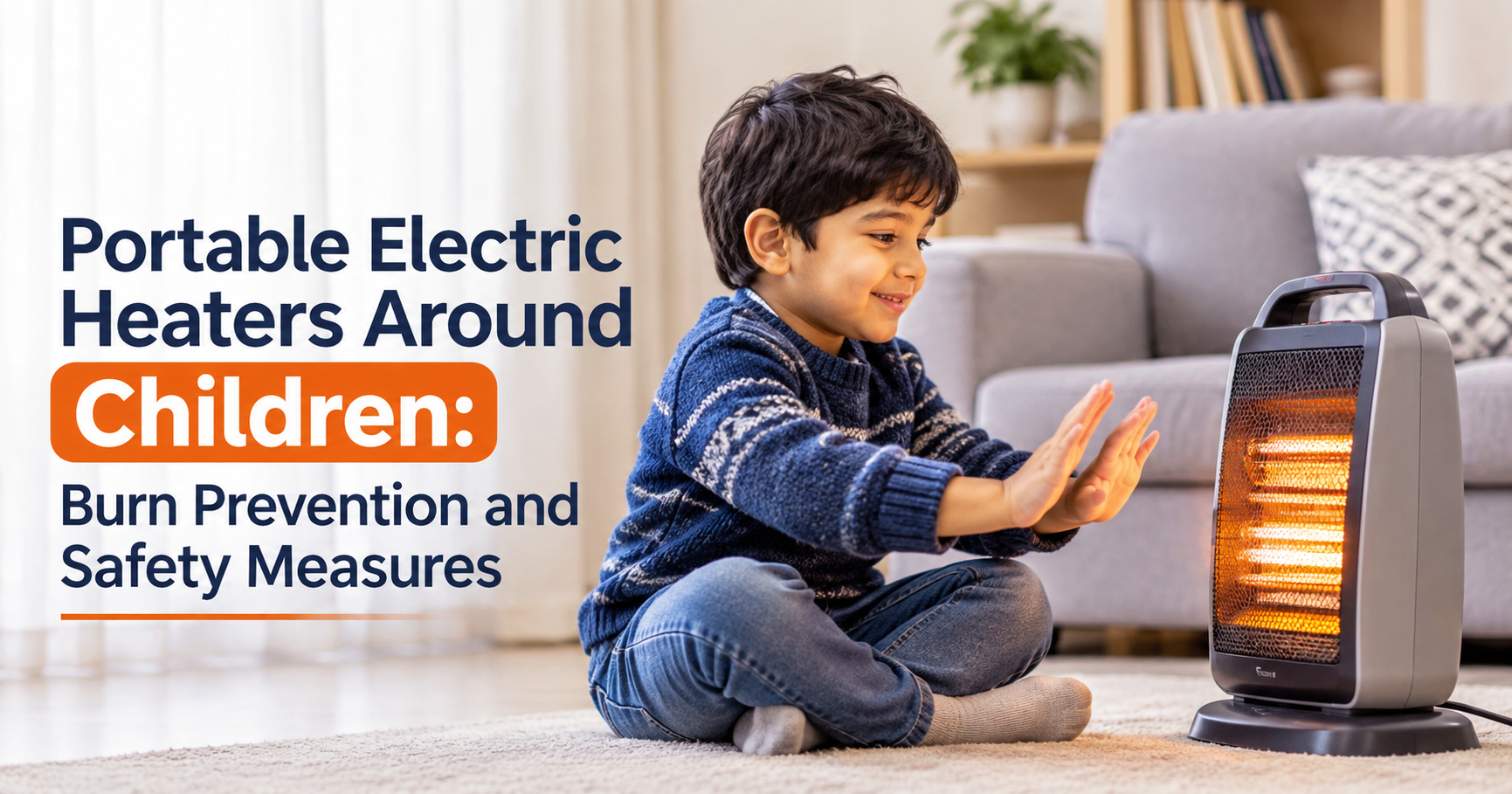
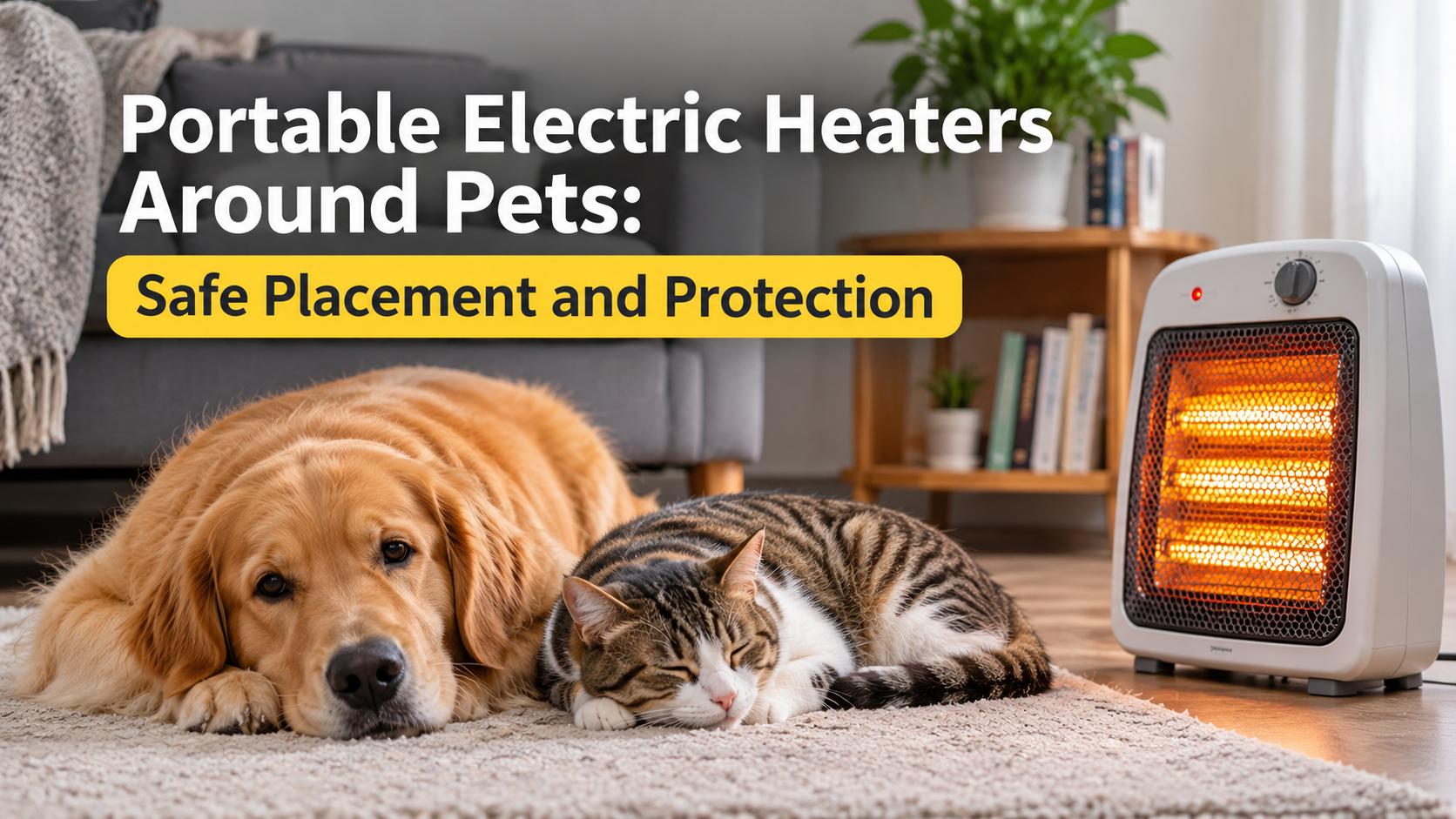
- Keep children and pets away. The surfaces and cord can cause burns and trip hazards.
- Do not use a heater in damp areas unless it is specifically rated for that environment.
- Install working smoke alarms and carbon monoxide alarms. Electric heaters do not produce carbon monoxide, but alarms are essential home protection overall.
- Do not use a heater with a damaged cord or plug. Replace the heater if the cord is built in and cannot be replaced safely.
Better Alternatives to Using an Extension Cord
- Move the heater closer to an outlet. Often the simplest and safest fix.
- Have an electrician add an outlet. If you regularly heat a room that lacks a convenient outlet, a permanent solution is much safer than a temporary cord.
- Choose a heater with a longer factory cord. Some models come with longer cords designed for the unit’s power draw.
- Consider a lower-wattage heater. A 750-watt setting or a smaller heater draws less current, which reduces the load on the cord.
- Use a wall-mounted or hardwired heater. For permanent heating in a room, these are professionally installed and avoid cords entirely.
A Note for Countries With 220 to 240 Volts
In regions with 220 to 240-volt household power, the same wattage heater draws fewer amps, so a 1500-watt heater uses roughly 6 to 7 amps. This gives more margin, but it does not remove the risks. Thin, long, or damaged cords still overheat, and extension sockets and multi-plugs are still not designed to carry a heater’s load for hours. Always check the ratings on the cord and the heater, and use certified, heavy-duty products.
Frequently Asked Questions
Can I use a 14-gauge extension cord with a 1500-watt heater?
A 14-gauge cord is the minimum for very short runs and only if it is rated for the load. A 12-gauge cord is the safer choice. Wall outlet connection is still best.
Is it safe to leave a heater on overnight with an extension cord?
No. Leaving a heater running unattended or while you sleep is risky even when plugged directly into a wall outlet, and adding an extension cord increases the risk.
Can I use a power strip with a small heater?
It is not recommended. Even small heaters draw a lot of current compared with the electronics power strips are built for. Plug the heater directly into the wall.
How long can an extension cord be for a portable heater?
As short as possible. In most situations a cord of about 6 feet is more than enough, and longer cords are best avoided. If a longer run is unavoidable, use a thicker cord such as 12 or 10 gauge.
Why does my heater’s plug feel warm?
A slightly warm plug can be normal under heavy load. A plug that is hot to the touch, discolored, or smells of burning plastic is not normal. Unplug the heater immediately and have the outlet and plug inspected.
Does a heater’s built-in thermostat protect the extension cord?
No. A heater’s thermostat and overheat protection control the heater’s own temperature. They do not protect an overloaded cord, plug, or outlet.
Final Thoughts
A portable electric heater and an extension cord may seem like a convenient combination, but the extra heat, resistance, and potential for damage make it one of the most common household electrical hazards in cold weather. Plug the heater directly into a wall outlet, keep it clear of anything flammable, and never leave it unattended.
If you truly must use a cord, choose a short, heavy-duty, properly rated, certified cord, such as 12 gauge, and check it regularly for heat and damage. When in doubt, move the heater, upgrade the outlet, or consult a licensed electrician. A few minutes of preparation is a small price for a warm, safe home.
Disclaimer: This article is for general information only and does not replace the instructions of your heater’s manufacturer or the advice of a licensed electrician. Always follow local electrical codes and the product manual.