

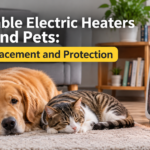
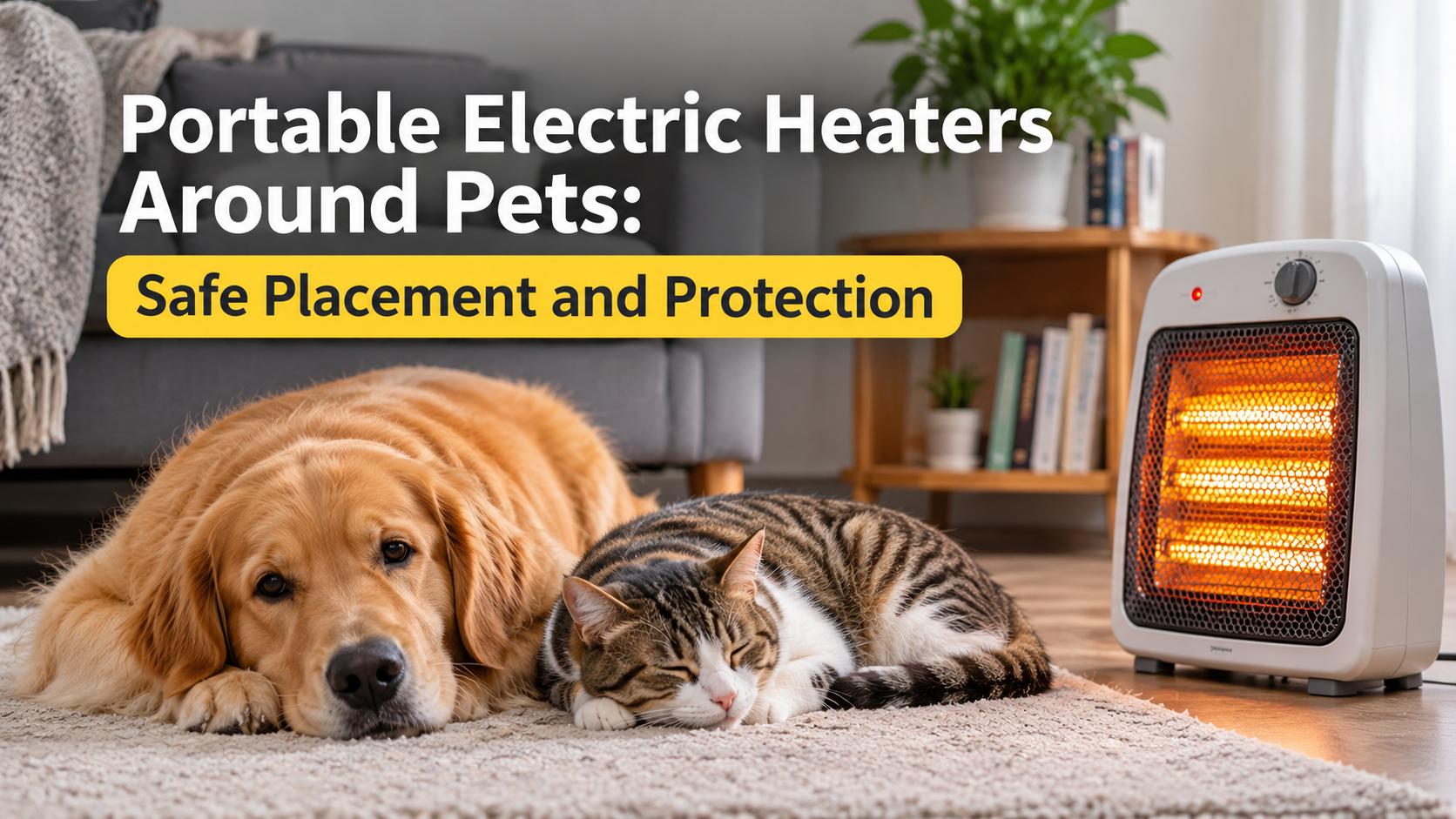
When temperatures drop, a portable electric heater can make a room comfortable in minutes. It also creates a new set of risks for the animals who share your home. Dogs, cats, rabbits, ferrets, birds and small pets all behave very differently from adults, and most of them have no idea that a glowing coil or a hot metal grille can cause serious harm. This guide explains how portable electric heaters work, what the real dangers are for pets, how to choose a safer model, and how to set up your room so that everyone stays warm and protected.
- Keep every heater at least 3 feet (about 1 meter) from pets, bedding, and anything flammable.
- Choose a model with tip-over shutoff, overheat protection, and a cool-touch exterior.
- Never leave a heater running when no one is home or while pets are alone.
- Plug directly into a wall outlet and keep cords out of chewing range.
- Watch for signs of overheating and dehydration in your pet.
Why Portable Electric Heaters Are a Special Concern for Pets
Humans understand heat. We pull our hand away from a hot surface and we know not to touch a glowing element. Pets learn this the hard way, if at all. Several characteristics of animal behavior make heaters a higher-risk appliance in a home with pets:
- Heat-seeking behavior. Cats in particular love warm spots and will curl up against a heater, sometimes close enough to be burned.
- Curiosity and chewing. Puppies, kittens, rabbits and ferrets chew electrical cords, which can lead to electric shock or a short circuit.
- Active, unpredictable movement. A wagging tail, a playful jump or a chasing game can knock a lightweight heater over.
- Fur and coat. A dense coat can hold heat against the skin, and loose fur can drift onto a hot surface.
- Limited ability to cool down. Dogs mainly cool themselves by panting, and cats by grooming and seeking cooler spots. In a heated room with no escape route, both can overheat.
The Main Risks to Know About
1. Burns
Contact burns are the most common heater injury in pets. Radiant heaters and some oil-filled models have surfaces that can reach temperatures high enough to burn skin within seconds. A pet that sleeps against a hot panel may not move away until the damage is done, and thick fur can hide the early signs. Burns often show up on the belly, paws, nose and the side of the body facing the heater.
2. Fire
Pet bedding, blankets, toys, loose fur and dust are all flammable. A heater placed too close to a pet bed or a pile of blankets raises the chance of ignition. A tipped heater can also ignite carpet or rugs if it lacks an automatic shutoff.
3. Electrical Shock From Chewed Cords
Chewing a live cord can cause burns inside the mouth, fluid in the lungs, or cardiac problems. Even a cord that seems intact can be damaged by teeth and become a hazard later.
4. Overheating and Dehydration
A closed room with a strong heater can become too warm for a pet that cannot leave. Heavily coated breeds, flat-faced breeds, older animals, puppies and animals with heart or breathing conditions are especially sensitive.
5. Dry Air
Electric heaters can reduce indoor humidity. Dry air may irritate the skin, nose and eyes, and it can worsen coughing in sensitive animals. Birds and small mammals are particularly affected by dry air.
6. Fumes in Birds
Some heaters, when new or when dusty, release an odor as they warm up. Birds have very sensitive respiratory systems, and fumes from certain non-stick coatings and heated dust can be dangerous to them. If you keep birds, ventilate well and consult an avian veterinarian about heater use near them.
How to Choose a Safer Portable Heater When You Have Pets
No heater is completely risk-free around animals, but some designs are noticeably safer than others. Look for the following features before you buy:
Essential Safety Features
- Tip-over protection. The heater shuts off automatically if knocked over.
- Overheat protection. An internal sensor cuts power if the unit gets too hot.
- Cool-touch housing. A body that stays safe to touch reduces burn risk if a pet brushes against it.
- Thermostat control. The heater cycles on and off, preventing the room from overheating.
- Timer or auto shutoff. Useful for limiting run time.
- Recognized safety certification. Look for a mark from an accredited testing laboratory on the product and packaging.
- Stable, wide base. A low center of gravity makes it harder to knock over.
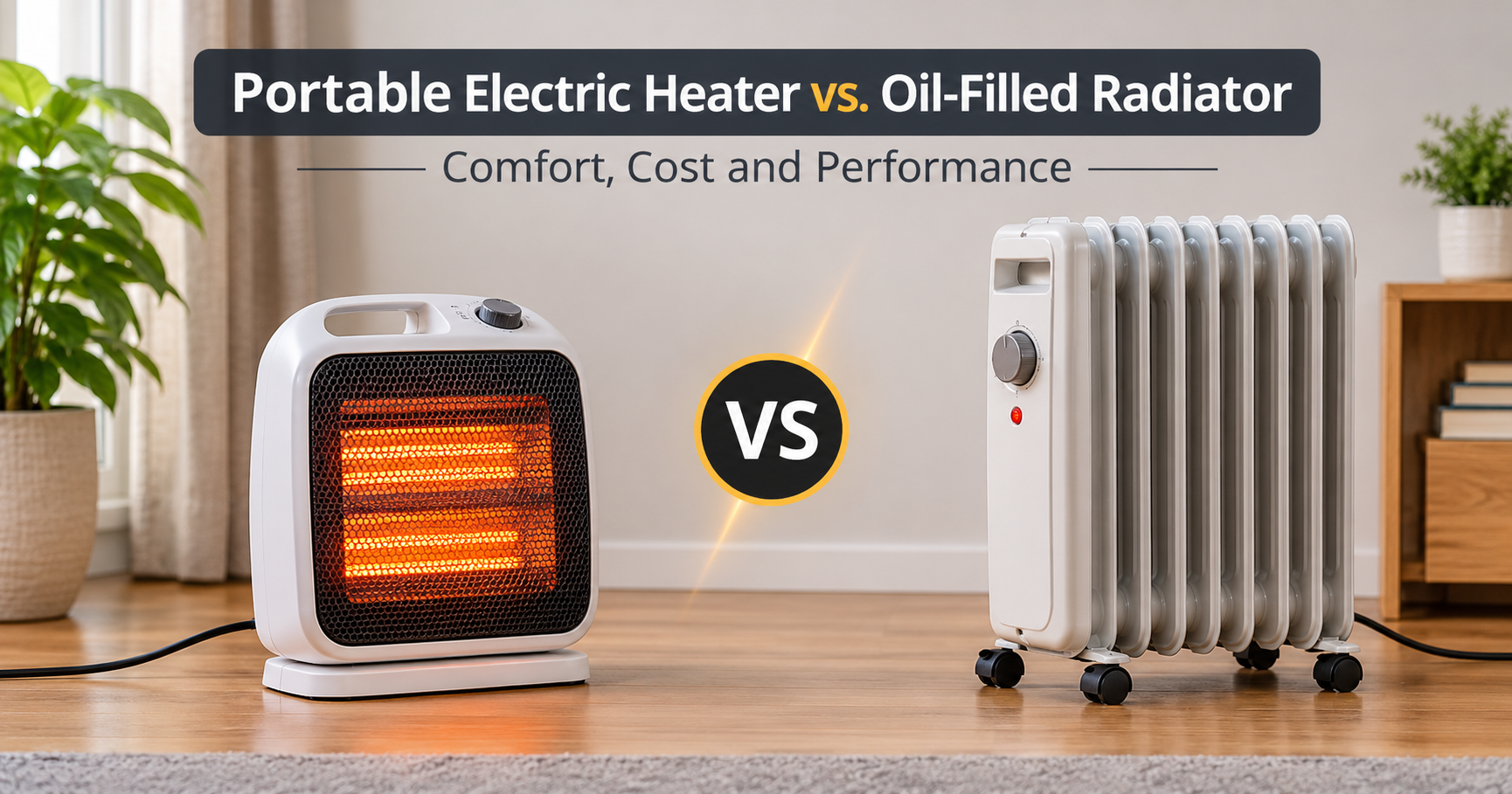
Heater Types Compared
| Heater Type | How It Heats | Pet-Related Pros | Pet-Related Cons |
|---|---|---|---|
| Ceramic fan heater | Fan blows air over a heated ceramic element | Heats quickly; many have cooler exteriors and tip-over shutoff | Fan can attract curious pets; grille can still get hot |
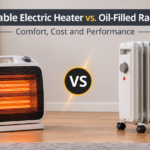
| Oil-filled radiator | Heats oil that warms the surface fins | No exposed element; quiet; steady heat | Surface can get hot enough to burn; heavy and slow to heat |
| Radiant (infrared) heater | Directly warms objects and people in its path | Good for spot heating | Exposed glowing element; highest burn and fire risk around pets |
| Convection panel heater | Warms air that circulates through the room | Slim, often wall-mountable, no exposed element | Panel surface can still become hot |
| Tower heater | Fan-forced heat in a narrow vertical unit | Small footprint; usually has tip-over protection | Narrow base can be pushed over by large pets |
For most pet households, a ceramic or oil-filled model with a cool-touch exterior, thermostat and tip-over protection is a sensible starting point. Radiant heaters with exposed elements are generally the least suitable choice where animals roam freely.
Where to Place a Heater in a Home With Pets
- Keep a clear zone of at least 3 feet. Nothing flammable and no pet bed should sit inside this space.
- Use a hard, flat, level surface. Avoid carpet, rugs and soft furniture, which can tilt the heater or catch fire.
- Place it where pets cannot knock it over. Avoid high-traffic paths and play areas.
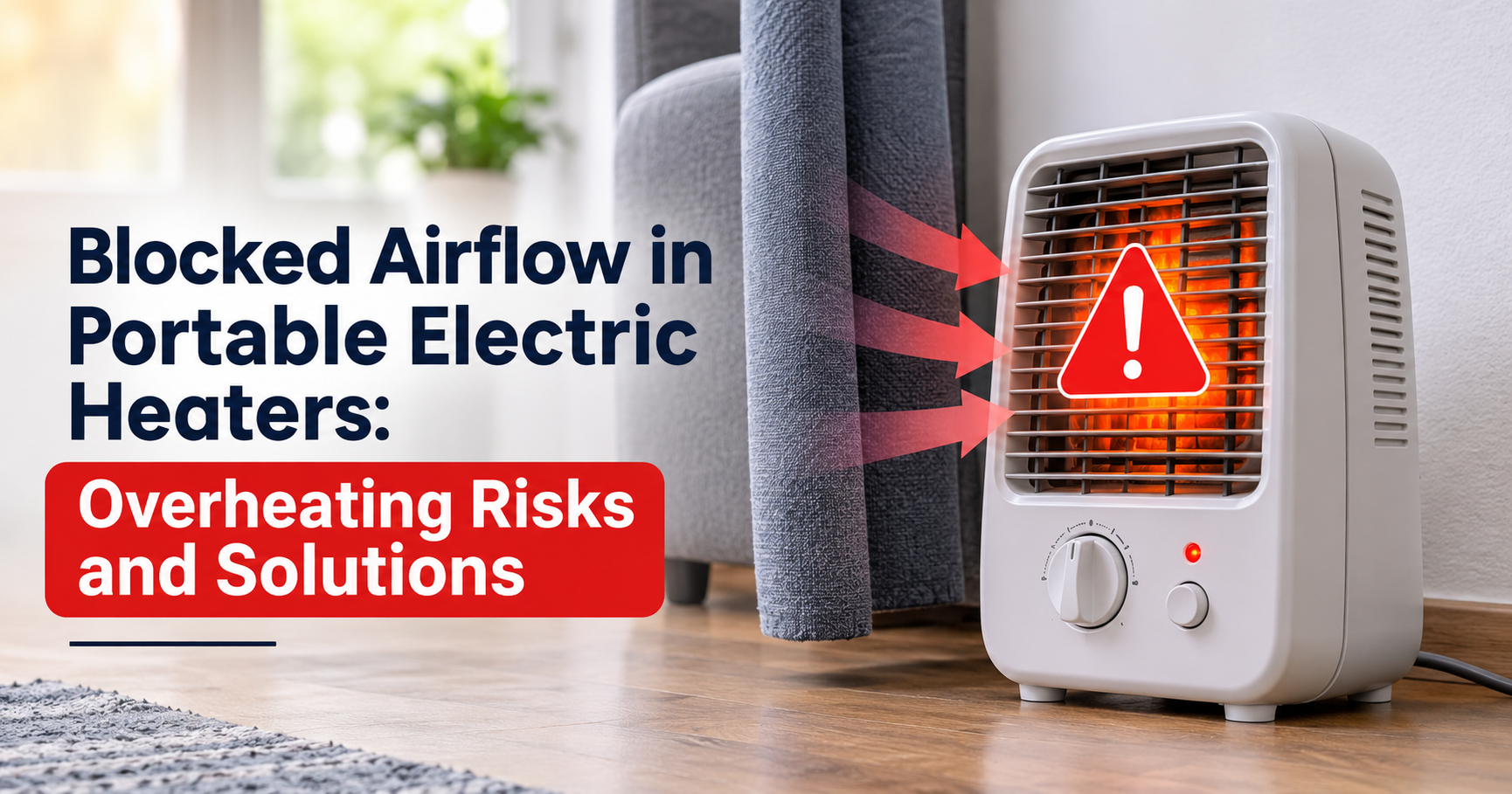
- Keep it away from curtains, bedding and furniture. Fabrics can ignite or trap heat.
- Use a pet gate or barrier if needed. A sturdy gate or heater guard can keep animals from approaching. Make sure the barrier itself does not block airflow or touch the heater.
- Do not place it near water bowls or in damp areas. Water and electricity should never mix.
- Do not cover it. Never drape a towel or blanket over a heater, including to keep pets from touching it.
Cord and Electrical Safety
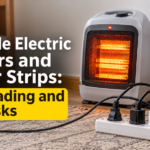
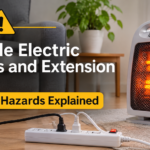
- Plug the heater directly into a wall outlet. Extension cords and power strips are common causes of overheating with high-wattage appliances.
- Route the cord along a wall where pets cannot reach it, or use cord covers made for chewing animals.
- Inspect the cord regularly for bite marks, fraying, discoloration or heat damage. Stop using the heater if you see any.
- Choose a model with a shorter cord when possible, so there is less slack to chew.
- Unplug the heater when it is not in use.
Setting the Right Temperature for Pets
Most healthy adult dogs and cats are comfortable in a home kept at a moderate indoor temperature, typically somewhere in the same range that feels comfortable to people wearing light indoor clothing. Pets already wear a coat, so a room that feels pleasantly warm to you can feel hot to them. Aim for a gentle warmth, not a hot room.
Some animals need extra attention:
- Puppies, kittens and senior pets regulate temperature less efficiently and may need a little more warmth, but also overheat more easily.
- Short-haired, small or thin breeds often feel cold sooner. A sweater or extra blanket in a safe spot may be a better solution than a hotter room.
- Thick-coated and flat-faced breeds such as huskies, malamutes, bulldogs and pugs can overheat quickly and usually need a cooler environment.
- Reptiles, birds and small mammals have species-specific needs. Their cages should never rely on a household space heater. Ask a veterinarian for the correct heating method for your species.
The best approach is to give your pet choices. Keep part of the home cooler so animals can move away from the warm area whenever they want.
Signs Your Pet Is Too Hot or Has Been Burned
Signs of Overheating
- Heavy or fast panting that does not settle
- Excessive drooling
- Bright red gums or tongue
- Restlessness, pacing or trying to find a cooler place
- Weakness, stumbling or lying flat on a cool floor
- Vomiting or collapse in severe cases
If you see these signs, move your pet to a cooler area, offer small amounts of cool water, turn off the heater, and contact a veterinarian promptly. Heat stress can become an emergency quickly.
Signs of Burns
- Red, swollen or blistered skin
- Singed or missing fur in patches
- Licking or biting at one spot
- Whimpering when touched
- Limping if the paws are affected
Do not apply creams, ointments or home remedies unless a veterinarian tells you to. Contact your vet for guidance, since burns can look minor at first and worsen over the following days.
Special Considerations for Different Pets
Dogs
Dogs are generally good at moving away from heat, but excited or anxious dogs may not. Large dogs can knock over small heaters, and puppies may chew cords. Introduce the heater slowly, keep it behind a barrier, and watch your dog’s behavior the first few times it is on.
Cats
Cats actively seek warmth and often choose the spot closest to the heat source. This makes burns and singed whiskers or fur more likely. Offer a safe warm alternative, such as a heated pet bed designed for cats and used according to its instructions, placed away from the space heater. Keep curtains and cat trees outside the clear zone.
Puppies and Kittens
Young animals are the most likely to chew cords, climb on a heater or squeeze into gaps behind it. Use a barrier or keep them in a heater-free room when you cannot supervise.
Senior Pets
Older animals with arthritis often enjoy warmth, but they may move slowly and may not react fast to heat. Position their bed in a gently warmed area that is not within reach of the heater, and check that they can still move away freely.
Birds, Rabbits, Guinea Pigs and Small Pets
These animals are very sensitive to temperature swings, dry air and fumes. Do not place a space heater near their cage. Keep their enclosure in a room with steady, moderate temperature and ask a veterinarian about safe options for your species.
Safer Ways to Keep Pets Warm Without Relying on a Space Heater
- Raise the pet bed off cold floors with a thick, washable cushion or an elevated bed.
- Add extra blankets that your pet can burrow into or leave at will.
- Close doors and use draft stoppers to keep warm air in and cold air out.
- Use pet-specific self-warming mats that reflect the animal’s own body heat.
- Dress short-coated or small dogs in a well-fitting sweater or coat for walks and cold rooms.
- Improve overall home insulation so a smaller amount of heating is needed.
Daily Habits That Keep Everyone Safe
- Inspect the heater and cord each time before use.
- Turn the heater off when you leave the room for long, go to sleep or leave the house.
- Supervise new pets, puppies and kittens around the heater until you are confident in their behavior.
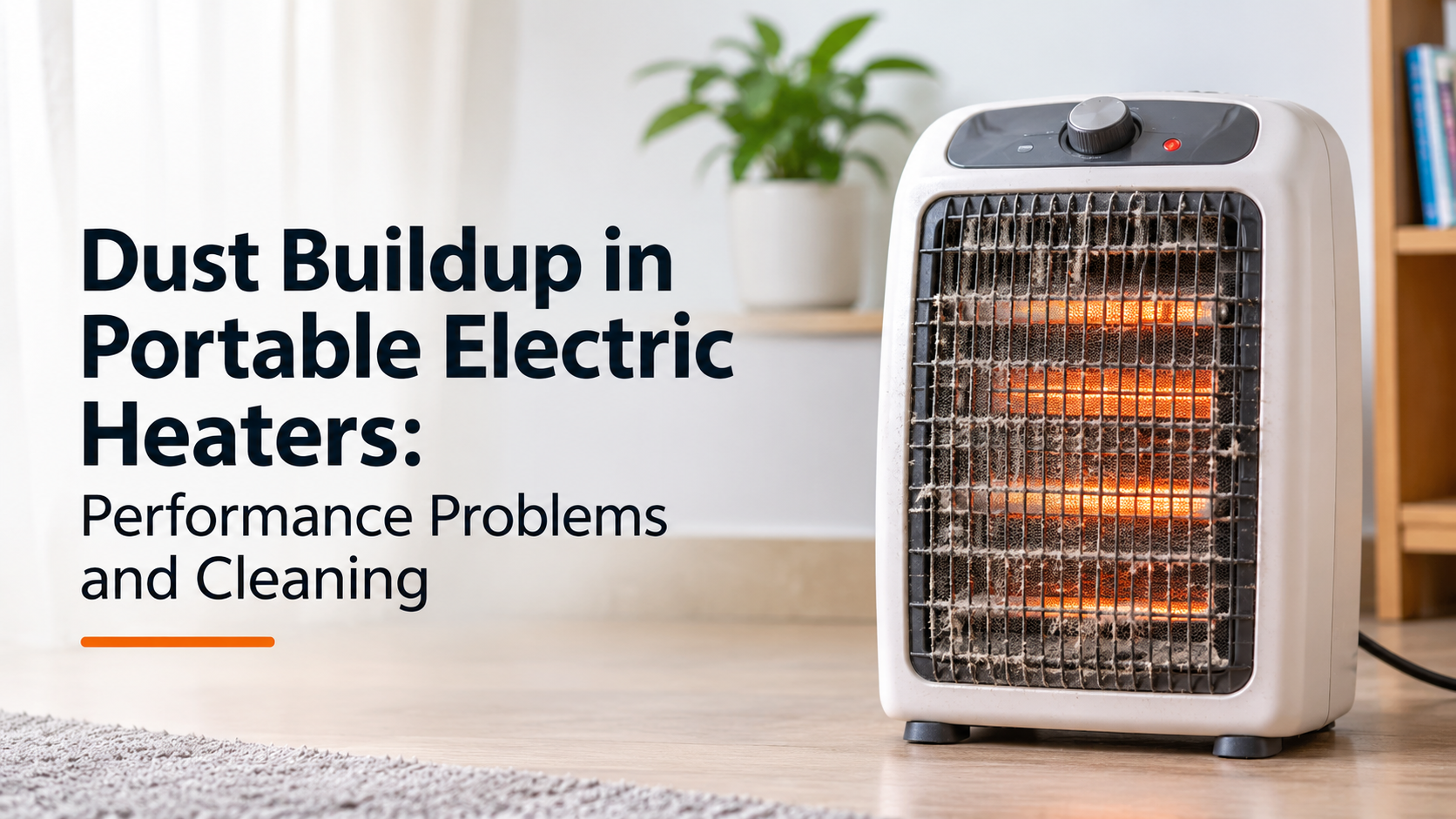
- Vacuum the area around the heater often to remove fur and dust.
- Keep fresh water available in a cool area of the room at all times.
- Test smoke and carbon monoxide detectors regularly, especially in homes where other heating appliances are in use.
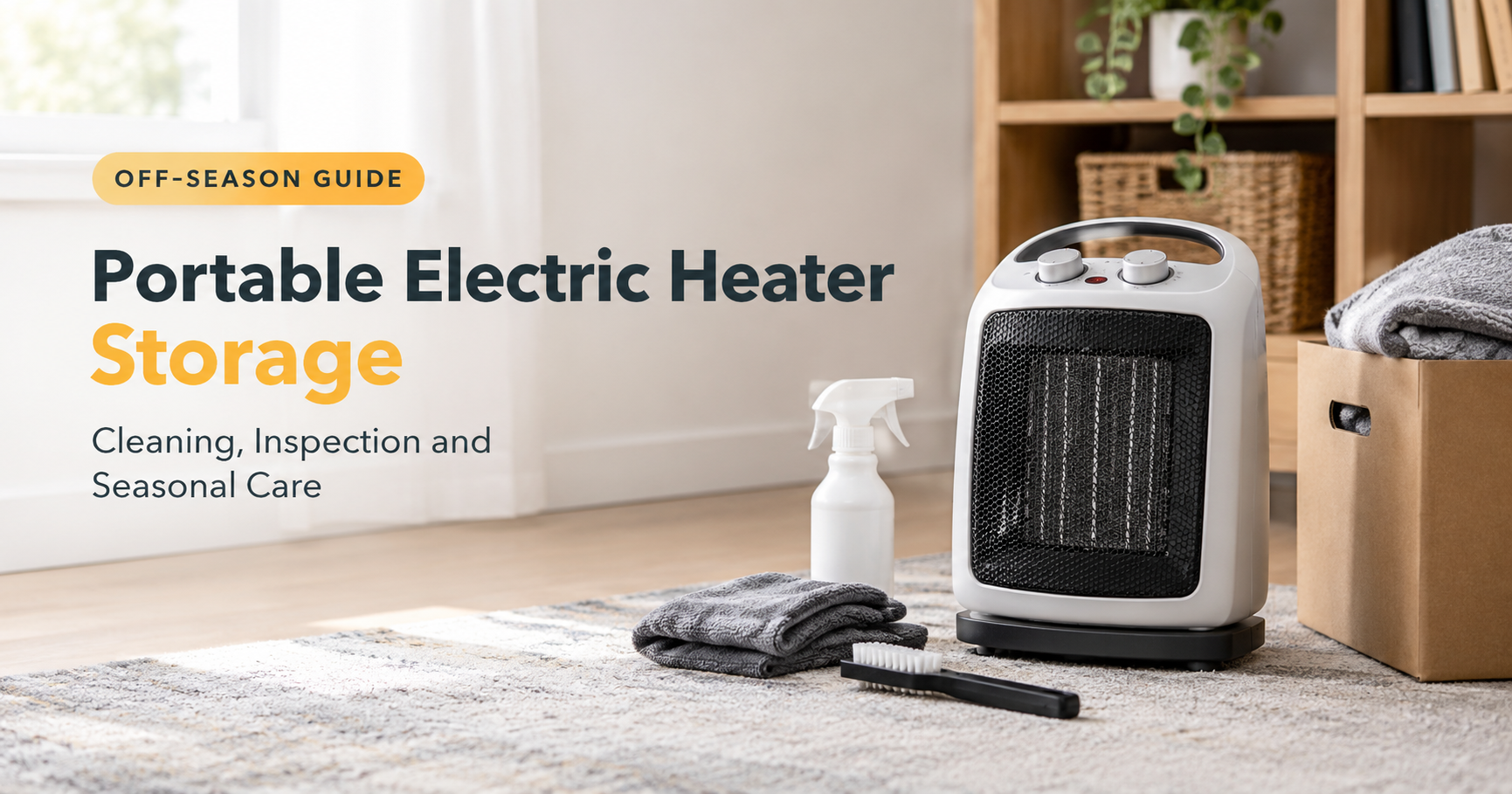
- Store the heater safely in the off-season, with the cord neatly wrapped and out of reach.
Frequently Asked Questions
Is it safe to leave a portable electric heater on when pets are home alone?
It is best not to. Even heaters with safety features can fail, and an unsupervised pet can chew a cord, knock the unit over or overheat. Turn the heater off when you leave and use other warming methods that are safe without supervision.
How close can a pet sleep to a space heater?
A general rule is at least 3 feet (about 1 meter), and more if the heater gets very hot. Check the manufacturer’s instructions for the model you own.
Are oil-filled heaters safe for pets?
They are often considered a better choice because they have no exposed heating element and can be fairly stable. The surface can still become hot, so keep pets from touching it and maintain a clear zone.
Can a heater make my pet sick?
Yes, indirectly. Overheating, dehydration and dry air can all cause problems. Fumes from a new or dusty heater can also bother sensitive animals, especially birds. Ventilate the room, and let a new heater run for a short time while pets are in another space.
Do ceramic heaters release harmful fumes?
Most ceramic heaters do not produce harmful fumes during normal use. A brief odor when first turned on is common as dust burns off. Persistent smells, smoke or a burning-plastic odor mean you should turn it off and unplug it right away.
What should I do if my pet chews the heater cord?
Unplug the heater from the wall only after making sure it is safe to do so, for example by switching off power at the breaker if your pet is still in contact. Then contact a veterinarian immediately. Even if your pet looks fine, internal injuries from electrical shock can appear later.
Is it better to use a heater or a heated pet bed?
For direct warmth for a pet, a product specifically designed for animals and used as instructed is generally a safer option than a household space heater. A heater warms a room, while a heated pet bed warms only the animal’s resting spot at a controlled level.
Final Thoughts
A portable electric heater and a pet can share a home safely, as long as you plan for the way animals actually behave. Choose a model with modern safety features, give it plenty of clear space, keep cords out of reach, and never leave it running when you are not there to watch. Pay attention to your pet’s comfort and body language, and offer cooler areas to retreat to. A few simple habits can keep your home warm through winter without putting your four-legged family members at risk.
Disclaimer: This article is for general information only and is not a substitute for professional veterinary advice. If your pet shows signs of burns, overheating, electric shock or any other distress, contact a veterinarian immediately.