







Disclosure: This article is written for information purposes. If you buy a product through our recommendations on this site, we may earn a small commission at no extra cost to you.
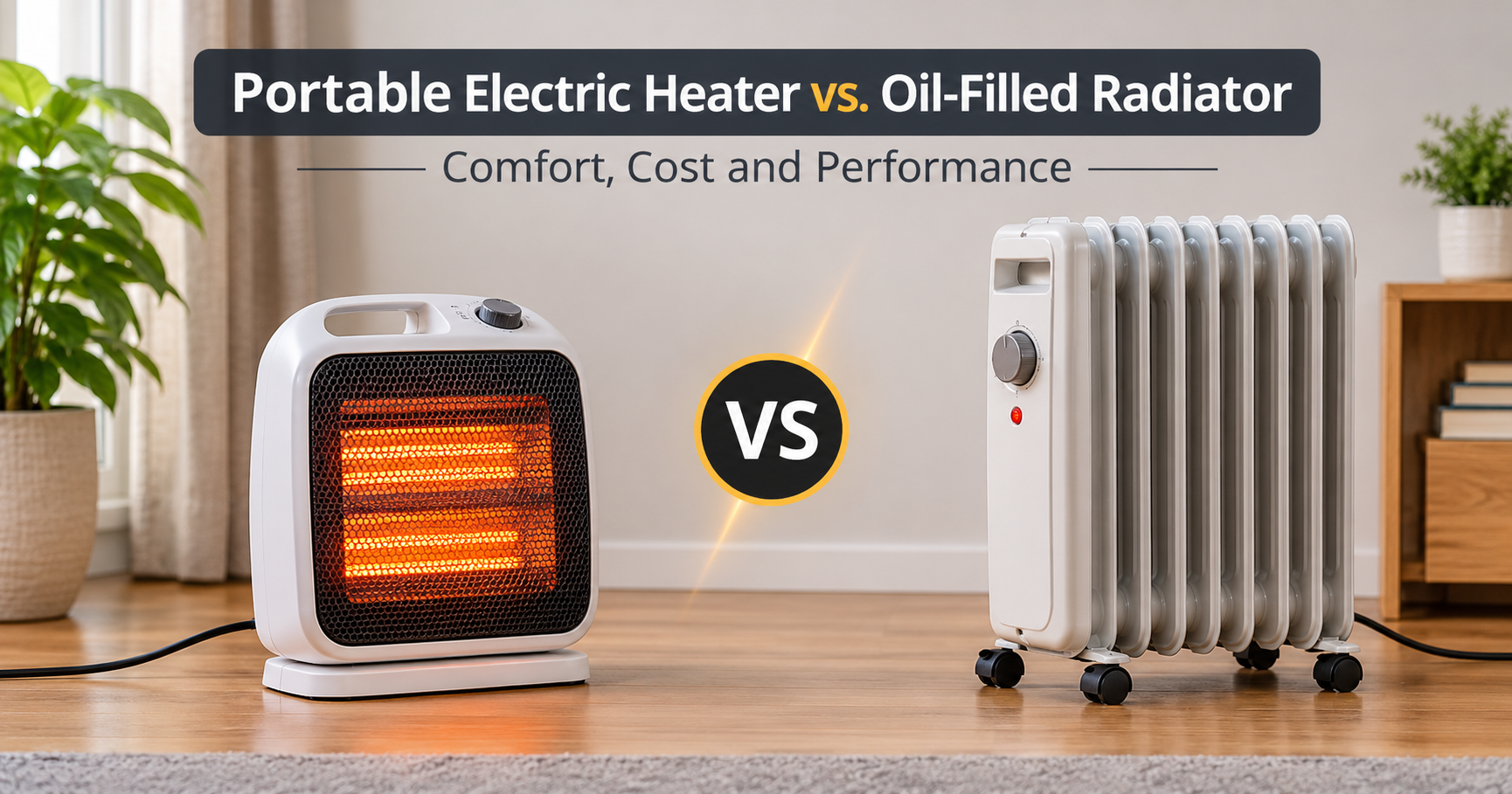
When the temperature drops, one question comes up again and again: portable electric heater vs oil filled radiator – which one is actually better? Both plug into a wall socket, both turn electricity into heat, and both promise a warmer room. Yet they behave very differently once you switch them on.
A portable electric heater (fan, ceramic or infrared) warms a room in minutes but cools down just as quickly. An oil filled radiator takes longer to get going, but it keeps radiating gentle heat quietly for a long time. Which one suits you depends on your room size, how long you use the heater each day, your budget and how sensitive you are to noise.
In this guide we compare the two types side by side on heat-up speed, running cost, safety, noise, comfort and more, so you can choose with confidence.
Quick Answer
Choose a portable electric heater if you want fast heat in a small space, use the heater for short periods, need something light that you can carry from room to room, or want the lowest upfront price.
Choose an oil filled radiator if you want quiet, steady warmth for hours, such as in a bedroom or home office, and you do not mind waiting 20 to 30 minutes for the room to warm up.
Portable Electric Heater vs Oil Filled Radiator: Quick Comparison
| Feature | Portable Electric Heater | Oil Filled Radiator |
|---|---|---|
| Heat-up speed | Very fast, noticeable within minutes | Slow, usually 15 to 30 minutes |
| Heat after switch-off | Stops almost immediately | Keeps radiating warmth for a while |
| Noise | Fan models hum or whir | Nearly silent, with an occasional soft tick |
| Typical power | 750 W to 1500 W | 700 W to 1500 W, usually in 2 or 3 settings |
| Portability | Light and compact | Heavier, usually on wheels |
| Feel of the heat | Direct blast of warm air | Soft, even, radiant warmth |
| Upfront price | Lower | Higher |
| Best for | Small rooms, short bursts, quick top-ups | Bedrooms, offices, longer daily use |
How a Portable Electric Heater Works
A portable electric heater passes electricity through a heating element. That element gets hot, and the heat is transferred to the air or to nearby objects. There are three common designs:
- Fan heaters blow air across a hot coil. They are the cheapest and fastest, but the fan makes noise.
- Ceramic heaters use ceramic plates that heat up quickly and hold a steady temperature. They are popular because they are compact and usually come with a thermostat.
- Infrared (radiant) heaters warm people and objects directly, much like sunshine. They are useful when you want to feel warm quickly without heating the whole room.
Because there is no thermal mass to heat up first, you feel the difference almost straight away. The flip side is that the warmth disappears as soon as the heater turns off.
How an Oil Filled Radiator Works
An oil filled radiator looks like an old-fashioned central-heating radiator, but it is a self-contained electric unit. Inside the metal fins is sealed thermal oil. An electric element at the bottom heats the oil, and the hot oil transfers its heat to the metal fins, which release warmth into the room.
A common misunderstanding is that the oil is burned or used up. It is not. The oil is permanently sealed inside and acts only as a heat store, so it never needs to be refilled. Because the oil holds heat, the radiator warms up slowly but also cools down slowly, and many models keep giving off warmth for a while after the thermostat switches the element off.
Head-to-Head Comparison
1. Heat-Up Speed
If you walk into a cold room and want warmth now, the portable electric heater wins easily. A fan or ceramic heater can make the area around it feel noticeably warmer within a couple of minutes. An oil filled radiator has to heat its oil and fins first, so expect a wait of roughly 15 to 30 minutes before the room feels comfortable.
2. Heat Retention and Comfort
This is where the oil filled radiator shines. Once warm, it delivers soft, even heat that feels more like central heating. The thermostat switches the element on and off to hold the temperature, and the stored heat in the oil smooths out the swings. Portable heaters tend to feel more like short bursts of heat, and fan models can create a draught-like effect that some people find uncomfortable.
3. Running Cost and Energy Use
Here is a fact that surprises many shoppers: both types convert virtually all the electricity they use into heat. A 1500 W portable heater and a 1500 W oil filled radiator use the same amount of electricity per hour at full power. The real difference is in how you use them.
A simple example: a 1500 W heater uses 1.5 kWh per hour. If your electricity costs $0.16 per kWh, running it flat out costs about $0.24 per hour. Replace the price with your own tariff to see your real figure.
- A portable heater is cheaper for short sessions, because it heats you quickly and you can switch it off.
- An oil filled radiator can be cheaper for long sessions in a well-closed room. Once the room is warm, the thermostat cycles the element on and off, and the radiator keeps releasing stored heat in between.
- Any heater with a good thermostat and timer will help you avoid wasting power.
4. Noise Level
Oil filled radiators are almost silent. You may hear a faint tick as the metal expands and contracts. Fan heaters are noticeably louder, and even quiet ceramic models produce some fan noise. If you want to heat a bedroom while you sleep or a home office where you take calls, the oil filled radiator is the more peaceful choice. Infrared heaters without fans are also quiet.
5. Safety
Modern heaters of both types are safe when they are certified and used correctly. The main differences are these:
- Portable heaters often have an exposed grille or element area and a fan, so they should be kept clear of curtains, bedding and anything flammable.
- Oil filled radiators have no glowing element or fan grille, but their metal surfaces still get hot, so keep children and pets from touching them.
- Look for tip-over protection and overheat protection on any model you buy, whatever the type.
6. Portability and Space
Portable heaters are light, compact and easy to move from the living room to the bathroom landing to the garage. Oil filled radiators are heavier and bulkier, although most come with wheels and a carry handle. If you move your heater around daily, the portable heater is more convenient. If it will stay in one room all winter, the extra weight does not matter.
7. Air Quality and Dryness
No electric heater burns fuel, so neither produces fumes at the point of use. Heating air always lowers its relative humidity, so a room can feel drier with either type. Fan heaters can feel drier and may stir up dust because they move air, while the gentle radiant heat of an oil filled radiator tends to feel softer, which many people with sensitive skin or throats prefer.
8. Durability and Maintenance
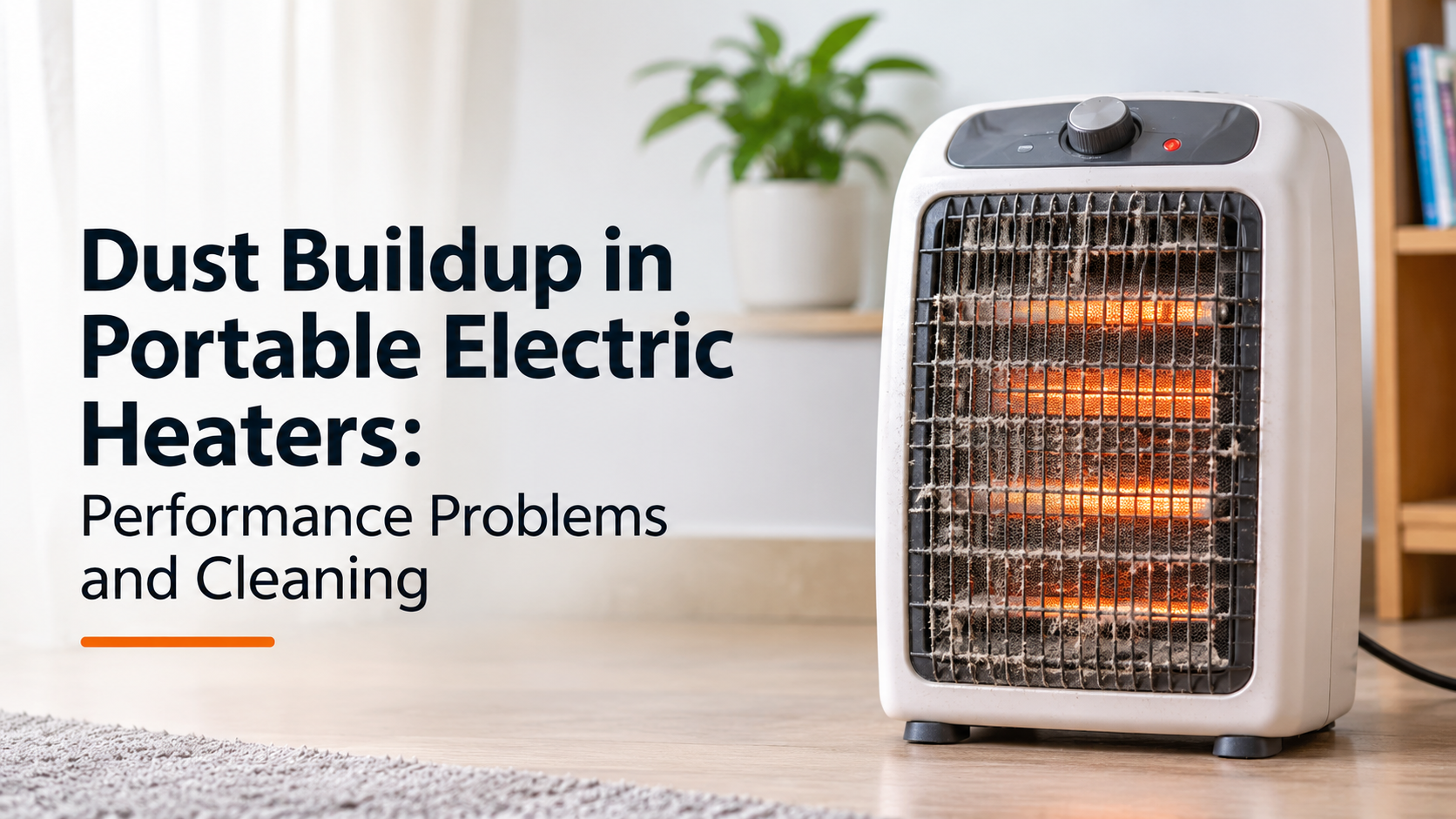
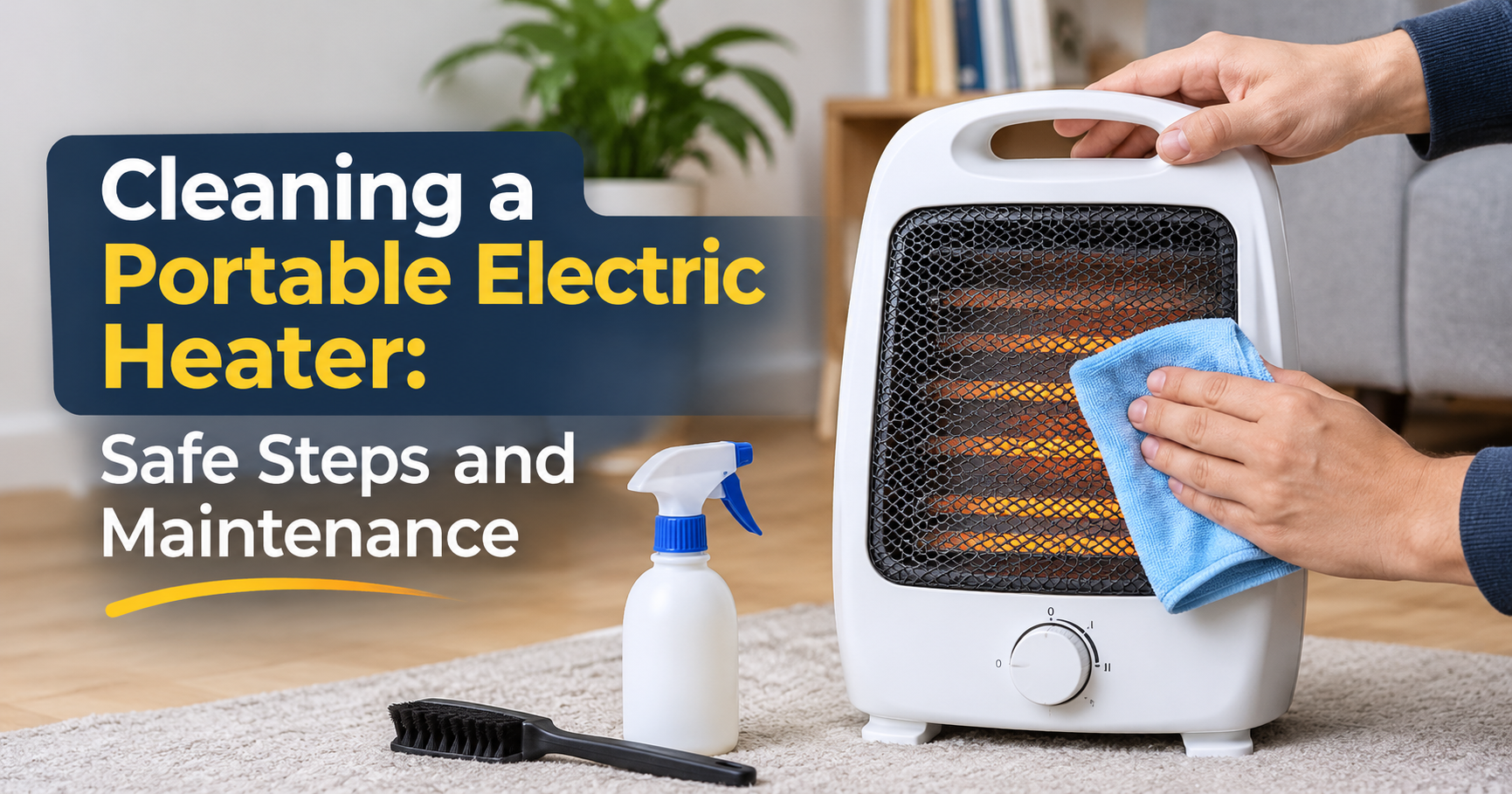
Oil filled radiators have very few moving parts and nothing to refill, and they often last many years. Fan heaters have motors and small components that can wear out sooner. Both need very little care: unplug, let the unit cool, and wipe the outside with a dry or slightly damp cloth. Fan heaters also benefit from occasional dust removal around the vents.
Which Heater Is Right for Your Room Size?
Whichever type you pick, choose the right wattage for the room. A common rule of thumb is about 10 watts of heating power for every square foot of floor space. A heater that is too weak will run constantly and never get the room comfortable. One that is too strong wastes power and can feel overwhelming.
Most portable plug-in heaters top out at about 1500 W because of household socket limits, so very large or poorly insulated rooms may need more than one heater or a different heating solution. Rooms with big windows, high ceilings or thin walls lose heat faster and need more power than the chart suggests.
Pros and Cons at a Glance
Portable Electric Heater
Pros
- Heats up within minutes
- Light and easy to carry
- Lower purchase price
- Great for small rooms and quick top-ups
Cons
- Heat stops as soon as it switches off
- Fan models can be noisy
- Warmth can feel dry or draughty
- Not ideal for all-day heating
Oil Filled Radiator
Pros
- Quiet, steady, even warmth
- Keeps giving off heat after switch-off
- No fan, no moving parts
- Good for long, regular use
Cons
- Slow to warm up
- Heavier and bulkier
- Higher upfront price
- Surfaces get hot to the touch
Best Choice by Situation
| Where you will use it | Better choice | Why |
|---|---|---|
| Bedroom | Oil filled radiator | Quiet and steady, with no fan noise at night |
| Home office | Oil filled radiator | Silent for calls and comfortable for long hours |
| Small apartment room | Either | Pick a ceramic heater for speed or a small radiator for comfort |
| Garage or workshop | Portable electric heater | Fast heat for short jobs, easy to move |
| Under a desk | Portable electric heater | Compact and warms you directly |
| Bathroom | Only a heater rated for bathrooms | Never use a standard heater near water |
| Rental or occasional use | Portable electric heater | Cheaper and easy to store |
Buying Guide: Features to Look For
- Adjustable thermostat: keeps the room at your chosen temperature and prevents wasted energy.
- Multiple power settings: lets you use a lower wattage once the room is warm.
- Tip-over protection: switches the heater off automatically if it falls.
- Overheat protection: cuts power if the unit gets too hot.
- Timer: useful so the heater does not run longer than you need.
- Safety certification: look for a recognised safety mark on the product and packaging for your country.
- Wheels and handle: especially important for oil filled radiators, which are heavy.
- Noise rating or fan-free design: important for bedrooms and offices.
- Cord length and storage: a cord that reaches the wall without an extension lead is safer.
- Remote control or digital display: a convenience feature that is nice to have, not essential.
For oil filled radiators, a higher number of fins gives more surface area for releasing heat, but the electrical wattage still determines how much heat the unit can produce in total.
Safety Tips for Any Electric Heater
- Plug the heater straight into a wall socket. Avoid extension leads and power strips, which can overheat with high-wattage appliances.
- Keep at least three feet (about one metre) of clear space around the heater.
- Place it on a flat, stable, hard surface.
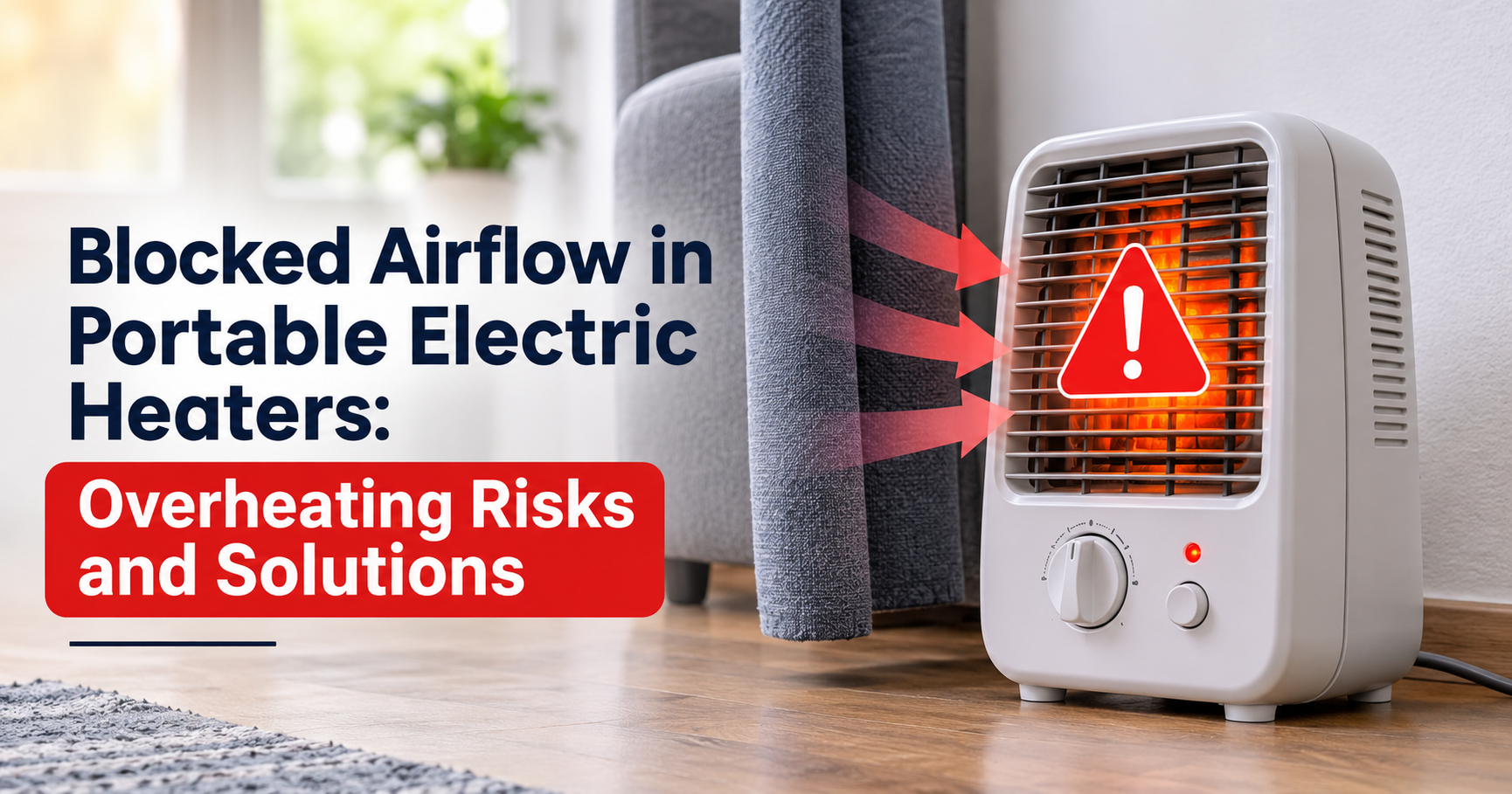
- Never cover a heater or drape clothes over it to dry them. Covering a heater can cause overheating.
- Turn it off when you leave the room, and follow the manufacturer’s instructions about using it while you sleep.
- Check the cord and plug regularly and stop using the heater if you see damage.
- Keep children and pets away from hot surfaces.
Common Myths About Electric Heaters
- Myth: oil filled radiators use less electricity. At the same wattage they draw the same power. Savings come from thermostat cycling and how you use them.
- Myth: the oil needs topping up. The oil is sealed for the life of the unit.
- Myth: a higher wattage always heats better. The wattage has to match your room size, otherwise you waste energy or comfort.
- Myth: one type is dangerous and the other is safe. Both are safe when certified, placed properly and used as directed.
Frequently Asked Questions
Which is cheaper to run: a portable electric heater or an oil filled radiator?
At the same wattage, they use the same electricity per hour at full power. A portable heater is usually cheaper for short bursts, while an oil filled radiator can be more economical for long periods in a closed room because of thermostat cycling and stored heat.
Is an oil filled radiator good for heating a whole house?
No. Both types are designed for single rooms or personal zones. Using one in the room you occupy and keeping the others cooler is the most sensible approach.
Can I leave an oil filled radiator on overnight?
Many models include a thermostat and safety cut-outs and are designed for extended use, but you should always follow the manufacturer’s instructions, keep the area around it clear and never cover it.
Do oil filled radiators need refilling?
No. The oil is sealed inside the radiator permanently and is not consumed.
Which heater is better for a small room?
If you want fast warmth for an hour or two, a ceramic portable heater is ideal. If you plan to heat the room for many hours and want silence, a small oil filled radiator is more comfortable.
Why does my oil filled radiator take so long to heat up?
The element must heat the oil and the metal fins before the radiator can warm the room. That thermal mass is also what lets the radiator keep giving off heat after it switches off.
Does an electric heater dry out the air?
Heating air lowers its relative humidity, so a heated room can feel drier whichever type you use. Fan heaters can feel drier because they move air. If dry air bothers you, consider a humidifier alongside your heater.
Final Verdict
There is no single winner in the portable electric heater vs oil filled radiator debate, because they solve different problems.
Pick a portable electric heater when speed, price and portability matter most. It is the right tool for a chilly corner, a garage, a desk or a spare room you only use now and then.
Pick an oil filled radiator when comfort and quiet matter most. It is the better partner for bedrooms and home offices where you want gentle, steady warmth over many hours.
Whichever you choose, match the wattage to your room, insist on a thermostat plus tip-over and overheat protection, and use the heater sensibly. That combination keeps you warm, keeps your bills under control and keeps your home safe this winter.