




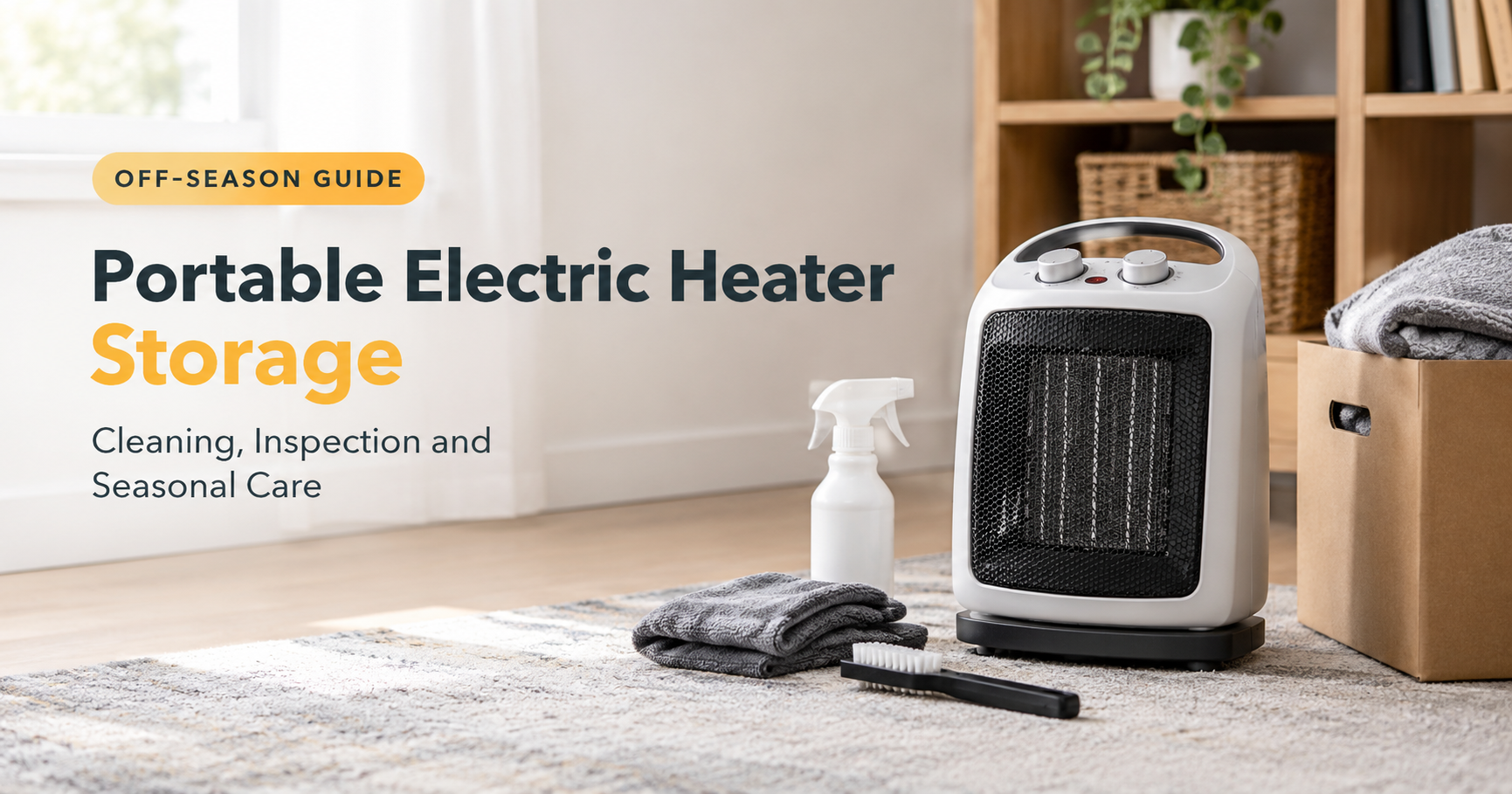
When the cold season ends, most people simply switch off their portable electric heater and push it into a corner, a garage shelf, or the back of a closet. It feels harmless, but a heater that is stored carelessly often comes out the next winter dusty, damaged, or even unsafe. Bent plugs, cracked cords, clogged vents, and rusty or mouldy internal parts are all common results of poor storage.
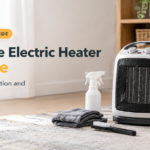
The good news is that correct storage is simple. With about thirty minutes of preparation and a few basic supplies, you can protect your heater, extend its lifespan, and make sure it is ready to work safely when temperatures drop again. This guide walks you through every step of portable electric heater storage, from cooling and cleaning to choosing the right container and location.
- Why proper heater storage matters
- Step-by-step: how to store a portable electric heater
- Best and worst places to store a heater
- Storage tips by heater type
- Common storage mistakes to avoid
- How to bring your heater out of storage
- Frequently asked questions
Why Proper Heater Storage Matters
A portable electric heater is a simple appliance, but it contains heating elements, a thermostat, a fan or reflector in many models, a power cord, and safety switches. Each of these parts can degrade when the heater sits unused in the wrong conditions.
- Safety: Dust and lint left inside the unit can burn or smell when the heater is switched on again. Damaged cords and plugs are a real fire and shock risk.
- Performance: Moisture and dirt reduce heat output, make the fan noisy, and can disturb the thermostat.
- Lifespan: Heaters that are crushed, dropped, or stored in damp spaces often fail after a single season.
- Money: A few minutes of care now saves the cost of replacing the heater or repairing a damaged cord later.
Step-by-Step: How to Store a Portable Electric Heater
Step 1: Switch Off and Let the Heater Cool Completely
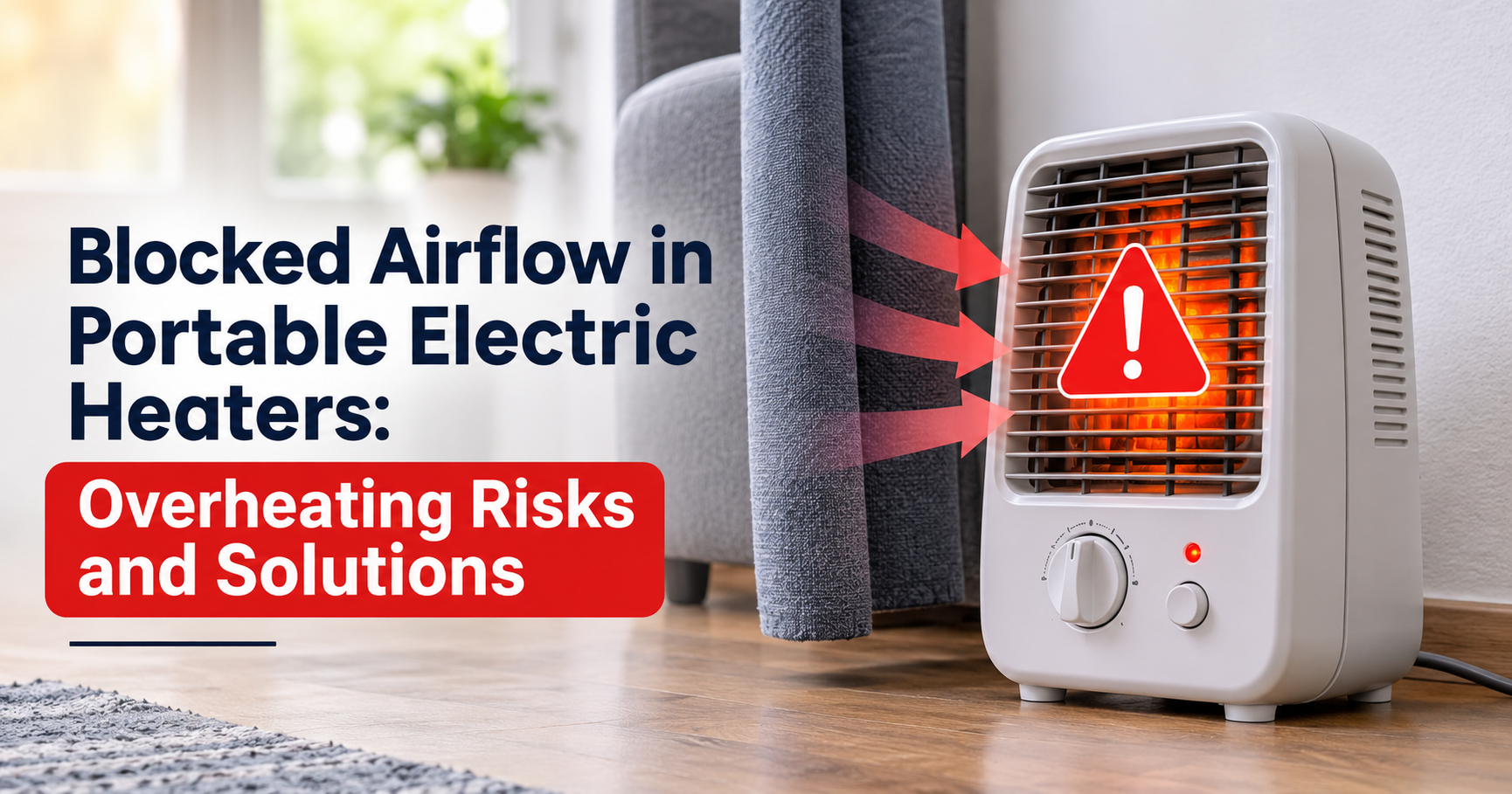
Turn the heater off using its control switch, then wait until every part is cool to the touch. Heating elements, metal grilles, and housing can stay hot long after the fan stops. Packing a warm heater can melt plastic, damage the box, or even start a fire. Allow at least 30 minutes, and longer for oil-filled radiators, which hold heat for a considerable time.
Step 2: Unplug It and Inspect for Damage
Disconnect the heater from the wall socket and look it over carefully before putting it away. This is the best time to spot problems, because you can fix them at your own pace instead of in the middle of a cold night.
- Check the cord for cuts, cracks, flattened sections, or exposed wire.
- Look at the plug for bent prongs, discolouration, or burn marks.
- Check the housing and handle for cracks or loose screws.
- Look for scorch marks around the grille or vents.
If you notice any damage, do not store the heater and hope for the best. Have it repaired by a qualified technician or replace it. A heater with a damaged cord or plug should not be used again.
Step 3: Clean the Heater Thoroughly
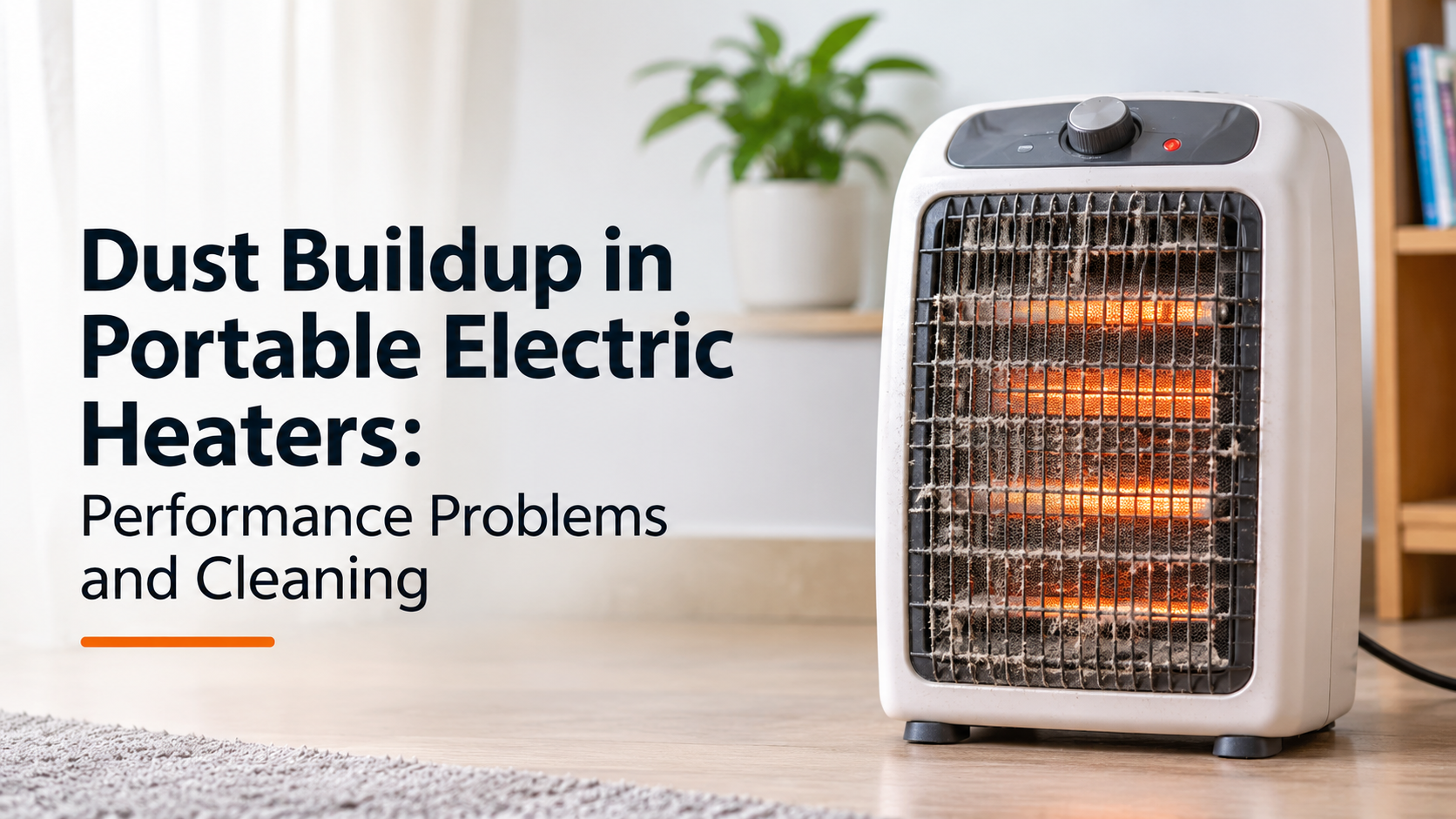
Dust is the number one enemy of any electric heater. Over a season, dust, pet hair, and fibres collect on the grille, inside the vents, and around the fan. If this dirt is stored with the heater, it can attract moisture and may produce a burning smell the first time you switch the heater on again.
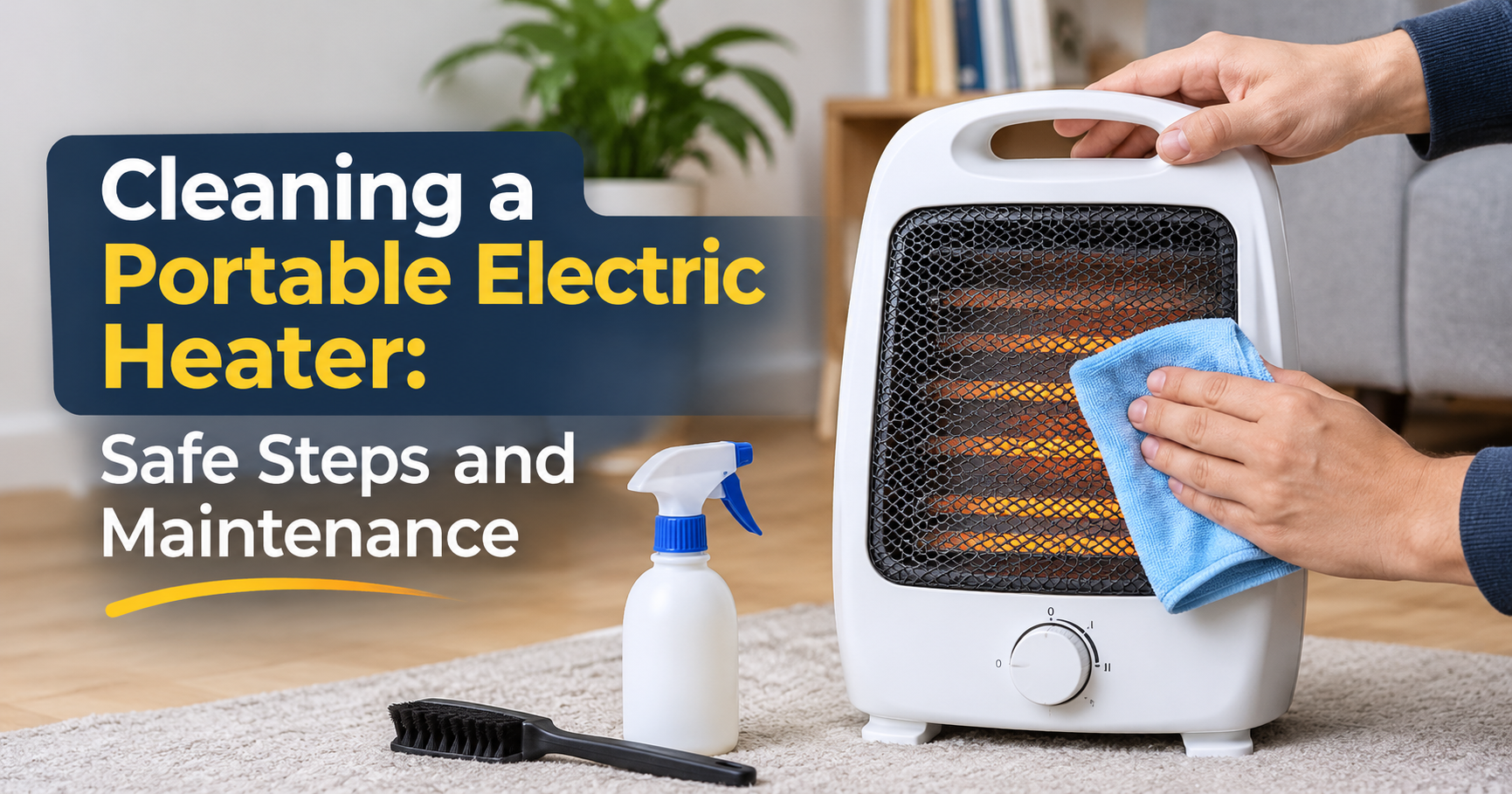
Follow these cleaning steps:
- Make sure the heater is unplugged and fully cool.
- Use a vacuum cleaner with a brush attachment to remove dust from the grille, vents, and any visible fan blades.
- For stubborn dust, use a soft paintbrush or a can of compressed air, blowing from the inside outwards where possible.
- Wipe the outer body with a slightly damp cloth and mild soap if it is dirty, then dry it fully with a clean towel.
- Wipe the cord and plug with a dry cloth only. Never let water touch the plug or electrical parts.
- Let the heater sit for a short while so any remaining moisture evaporates before packing.
Important: Never submerge a heater in water, spray liquid cleaner directly onto it, or use it while it is still damp. Moisture inside the casing is a serious shock hazard.
Step 4: Wrap the Power Cord Loosely
The cord is the most fragile part of a stored heater. Wrapping it tightly around the body, or bending it at sharp angles, weakens the internal wires and insulation over time. Instead:
- Coil the cord in loose, wide loops, similar to how you would store a garden hose.
- Secure the coil with a soft Velcro strap or a fabric tie rather than a tight rubber band or tape.
- Keep the plug protected so the prongs cannot bend or snag on other items.
- If the heater has a built-in cord storage area, use it without forcing the cord in.
Step 5: Pack the Heater in a Box, Bag, or Cover
A protective covering keeps dust off the grille and shields the heater from knocks and scratches. Your best options are:
- The original box: It is designed to fit the heater exactly and usually includes padding. If you still have it, use it.
- A sturdy plastic storage bin with a lid: This protects against dust and pests. Choose a bin with a few small ventilation holes if you live in a humid area.
- A breathable fabric or cotton cover: This is a good option for larger heaters that do not fit in a box.
Avoid wrapping the heater in thick plastic sheeting or sealing it in an airtight bag. Trapped moisture can condense inside, causing rust and mould. If you are worried about humidity, place a small silica gel pack or moisture absorber next to the heater, keeping it away from the electrical parts.
Step 6: Choose the Right Storage Spot and Position
Store the heater upright in its normal position wherever possible, particularly oil-filled radiators, which contain oil that should not be tipped or stored on their side. Place it on a shelf or raised surface instead of directly on the floor, and do not stack heavy items on top of it. Pressure on the housing can bend internal parts and damage the tip-over switch and thermostat.
Best and Worst Places to Store a Portable Electric Heater
Where you keep the heater matters as much as how you pack it. The ideal location is cool, dry, clean, and out of reach of children and pets.
Why Basements, Attics, and Garages Are Risky
- Basements: High humidity and occasional flooding encourage rust, mould, and corrosion of electrical contacts.
- Attics and lofts: Extreme summer heat can soften plastic, dry out cord insulation, and warp parts.
- Garages and sheds: Temperature swings, dust, insects, rodents, and chemical fumes can all damage the heater. Rodents in particular like to chew cords.
If a garage or shed is your only option, keep the heater in a sealed, rigid plastic bin on a shelf, well away from fuels, paints, solvents, and other flammable materials.
Storage Tips by Heater Type
Different heater designs have slightly different needs. Use this table as a quick reference.
| Heater type | Special storage tips |
|---|---|
| Ceramic fan heater | Clean the fan and vents carefully. Store in a box or bag to stop dust returning. Keep it upright. |
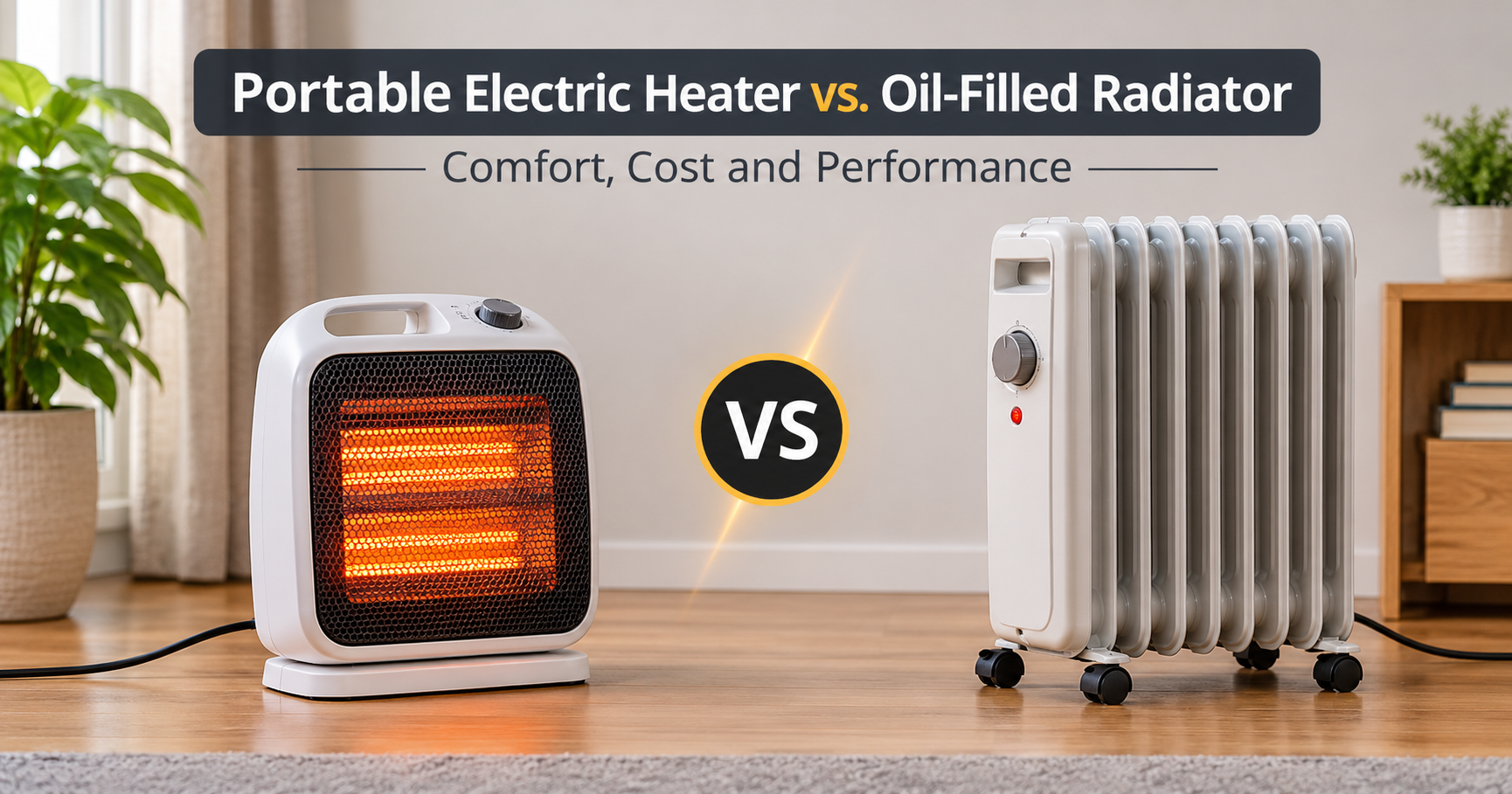
| Oil-filled radiator | Always keep it upright, let it cool fully, and never store it on its side. Wrap the cord around the cord holder if one is provided. |
| Infrared or radiant heater | Handle the heating tube or panel gently. Wrap it in a soft cloth to prevent knocks and scratches. |
| Convection heater | Remove dust from the vents and fins, then cover with a breathable fabric cover. |
| Small personal or desktop heater | Store in a lidded container so it is not crushed under other items. |
Common Heater Storage Mistakes to Avoid
- Storing the heater while it is still warm. This can melt plastic or cause fire.
- Skipping the cleaning step. Dust inside the unit leads to burning smells and reduced performance next season.
- Tightly wrapping the cord around the unit. This breaks internal wires and insulation over time.
- Keeping the heater in a damp place. Moisture is a major cause of rust, mould, and electrical faults.
- Stacking heavy items on top. This can crack the housing or damage safety switches.
- Using airtight plastic bags. They trap moisture and cause condensation.
- Ignoring visible damage. A cracked cord or burnt plug should be repaired or replaced, not stored away and forgotten.
- Forgetting to keep the manual. Store the user manual with the heater so you can check model-specific instructions later.
How to Bring Your Heater Out of Storage
When winter returns, do a short safety check before you plug the heater in. This prevents surprises and helps you catch any damage that occurred during storage.
- Remove the heater from its box or cover and check that it is dry and free of dust.
- Inspect the cord, plug, and housing again for cracks, bent prongs, or signs of chewing by pests.
- Wipe away any fresh dust from the grille and vents.
- Place the heater on a flat, level, hard surface, away from curtains, bedding, and furniture, with at least a metre of clear space around it.
- Plug it directly into a wall socket. Avoid extension cords and power strips, because heaters draw a lot of current.
- Run it for a short time while you are present. A very faint, brief smell from residual dust is normal, but a strong or persistent burning smell means you should switch it off and unplug it immediately.
- Check that the heater turns off when tilted or tipped, if your model has a tip-over switch, only if the manual says you can safely test this.
Safety note: If your heater makes unusual noises, trips the circuit, keeps switching off, or has damaged parts, stop using it and contact a qualified technician or the manufacturer.
Quick Heater Storage Checklist
- Heater switched off, unplugged, and fully cool
- Cord, plug, and housing checked for damage
- Grille, vents, and body cleaned and completely dry
- Cord coiled loosely and secured with a soft tie
- Heater packed in its original box, a lidded bin, or a breathable cover
- Stored upright on a shelf in a cool, dry, indoor location
- Kept away from children, pets, moisture, and chemicals
- Manual stored with the heater
Frequently Asked Questions
Can I store a portable electric heater in the garage?
You can, but it is not ideal. Garages are prone to dust, humidity, temperature swings, and pests. If you must use one, put the heater in a sealed rigid plastic bin on a shelf, away from fuels and chemicals.
Should I keep the heater in its original box?
Yes, if you still have it. The original box and packing are made to fit the heater and protect it from knocks. If you no longer have it, use a sturdy lidded bin or a breathable cover instead.
Can I lay a heater on its side to save space?
It is best to store heaters upright. Oil-filled radiators in particular should stay upright, because tipping them can disturb the oil and affect performance.
How long should I wait before storing a heater after use?
Wait at least 30 minutes after switching it off, and longer for oil-filled radiators or heaters that were running at high settings. The unit must feel cool before you pack it.
How do I stop mould and rust inside a stored heater?
Make sure the heater is fully dry before packing, store it in a dry indoor area, and avoid airtight plastic bags. A small moisture absorber placed near the heater, away from electrical parts, can help in humid climates.
Is it normal for a heater to smell after storage?
A faint, short-lived smell can come from small amounts of dust burning off. Cleaning the heater before storage greatly reduces this. A strong or lasting burning smell is not normal. Turn the heater off, unplug it, and have it checked.
When should I replace a heater instead of storing it?
Replace it if the cord or plug is damaged, if the housing is cracked, if safety features no longer work, or if it repeatedly overheats or trips the power. Repairing or replacing a faulty heater is far cheaper than dealing with an accident.
Final Thoughts
Storing a portable electric heater properly takes very little time, yet it protects your investment and your safety. Let the heater cool, inspect it, clean it thoroughly, coil the cord loosely, pack it in a suitable container, and keep it upright in a cool, dry, indoor spot. When winter comes back, do a quick check and you will have a clean, reliable heater ready to keep your home warm.
Make this routine part of your end-of-winter cleaning, and your heater will give you many more seasons of safe and efficient warmth.