


A portable electric heater looks simple from the outside: you plug it in, turn a dial, and warm air arrives. Inside, though, every model depends on a steady stream of air moving past a hot element. When that stream is restricted, the heater cannot shed its own heat. The result can be anything from a unit that keeps switching itself off to a real fire hazard.
If you have noticed weak airflow, a heater that stops after a few minutes, or a casing that feels hotter than usual, a portable electric heater airflow blocked problem is one of the first things to check. This guide explains how heater airflow works, what usually blocks it, how to recognize the warning signs, and exactly how to fix and prevent the problem safely.
How Airflow Works Inside a Portable Electric Heater
Most portable heaters sold for home use are fan-forced, which includes ceramic fan heaters and many compact space heaters. Their design follows the same basic path:
- Intake: the fan pulls cool room air in, usually through a grille on the back or the lower part of the body.
- Heating: the air passes over a heating element, such as a ceramic plate or a metal coil, and picks up heat.
- Outlet: the warmed air is pushed out through the front grille into the room.
- Protection: an overheat sensor watches the internal temperature and cuts power if it climbs too high.
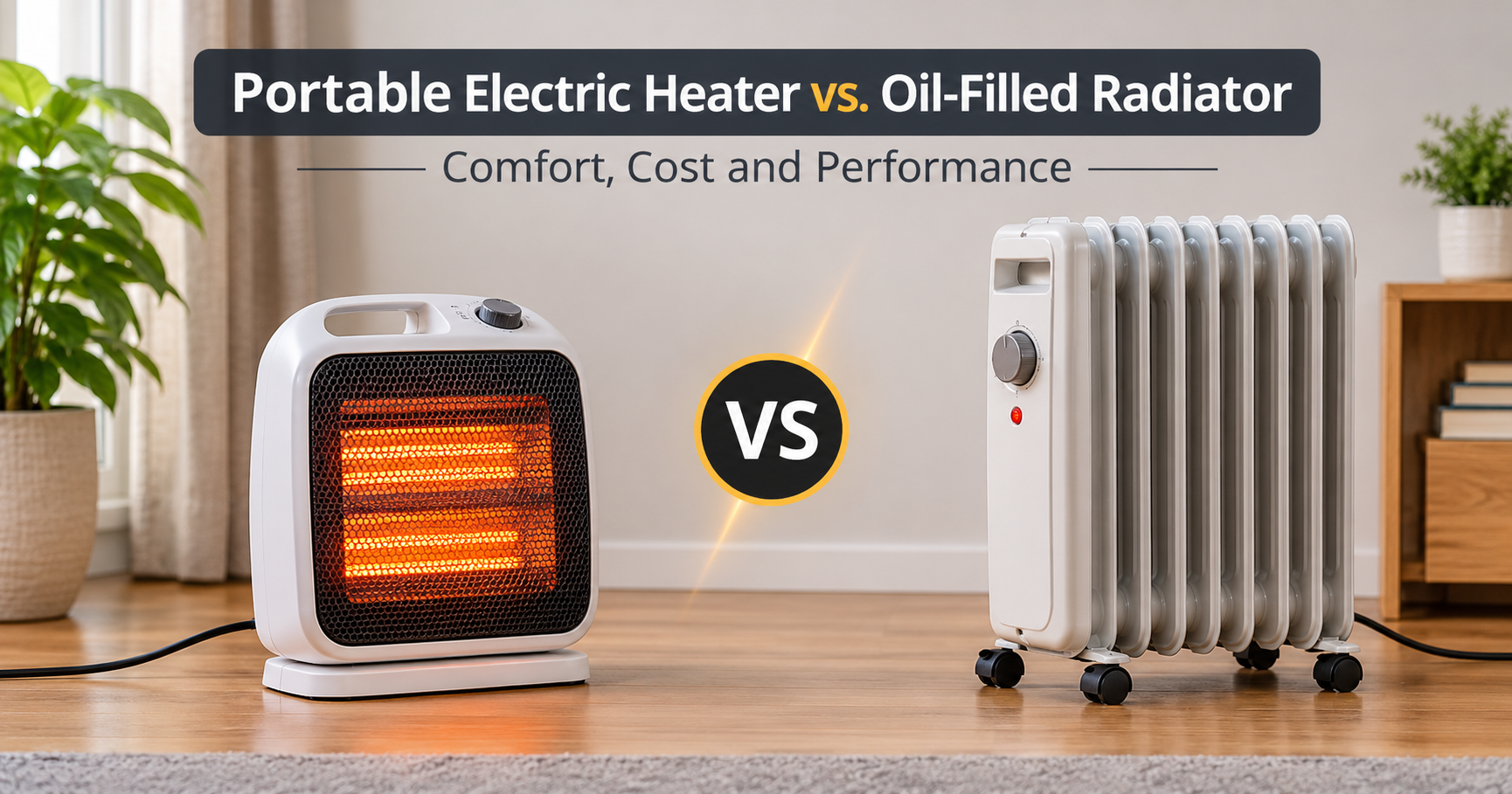
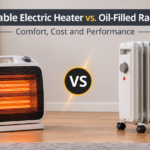
Heaters without a fan, such as oil-filled radiators and radiant panels, still need open space around them. They release heat into the surrounding air by natural convection and radiation, so covering or crowding them traps heat in the same way. Whatever the type, the rule is the same: the heater must be able to breathe in and breathe out.
Why Blocked Airflow Is a Bigger Problem Than It Looks
Heat that cannot leave has nowhere to go but into the heater itself. That causes several problems at once:
- Nuisance shutdowns. The overheat protection trips, the heater turns off, and it only restarts after it cools down.
- Shorter product life. Repeated overheating stresses plastic parts, wiring insulation, the fan motor and the thermostat.
- Poor heating performance. A restricted fan moves less air, so the room warms more slowly while the unit still draws power.
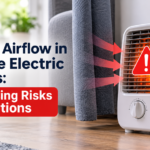
- Fire risk. Dust, fabric or bedding near a hot, starved heater can overheat and ignite. Safety cutoffs reduce this risk, but they are a last line of defense, not a reason to ignore the cause.
Safety first
Never bypass, tape down or disable a heater’s overheat protection or tip-over switch. If a heater keeps tripping its safety cutoff, find and fix the cause instead.
Common Causes of a Blocked Heater Airflow
1. Dust, Lint and Pet Hair on the Grilles
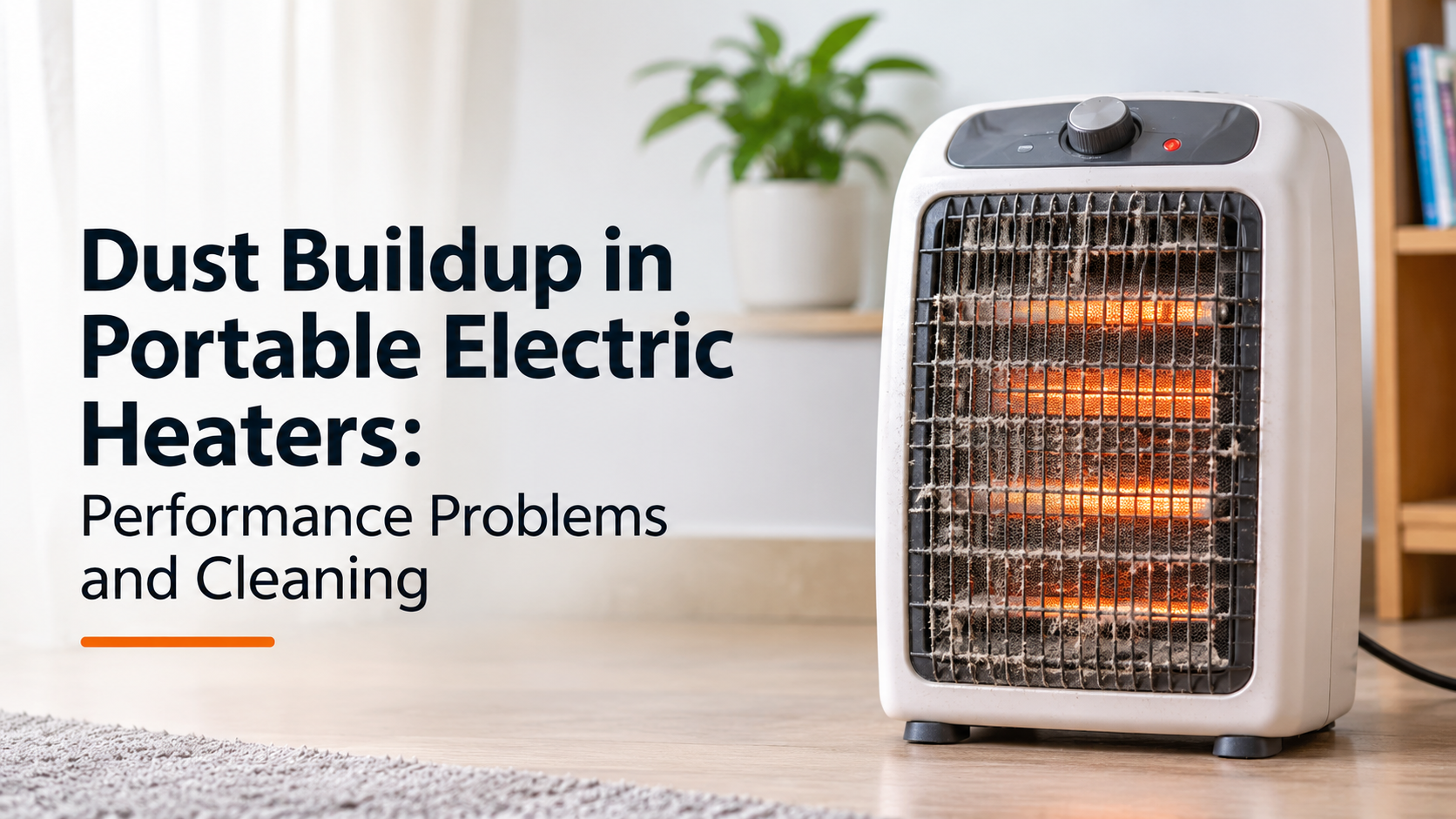
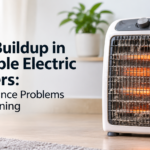
This is the most frequent cause. A heater that sits idle for months collects dust, and the fan pulls even more into the intake each time it runs. Over a season, that dust forms a felt-like layer across the grille and can pack into the gaps around the fan. Homes with pets, rugs or open windows usually see it build up faster.
2. Placing the Heater Too Close to the Wall
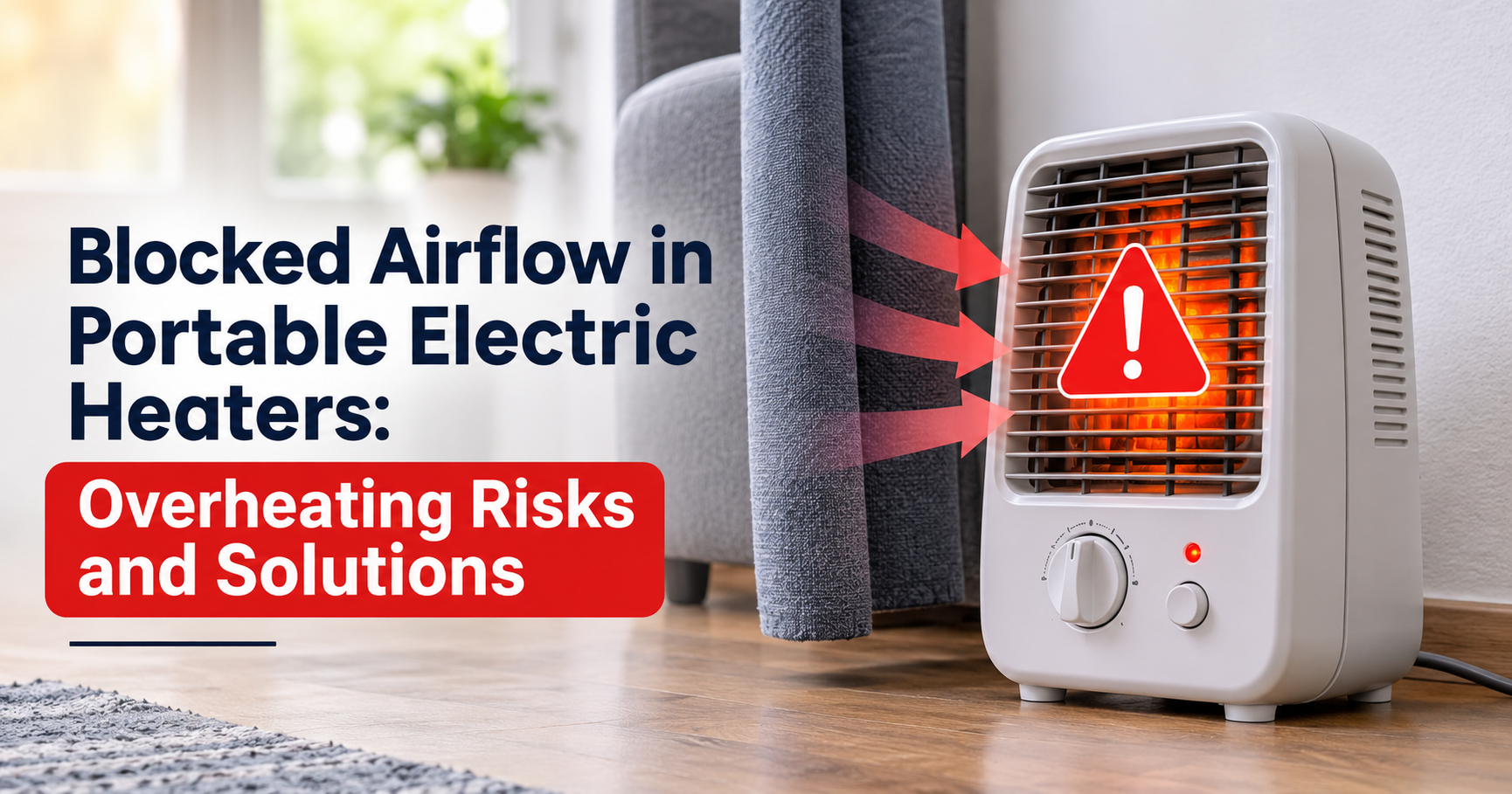
If the intake is on the back of the unit, pushing the heater against a wall or into a corner starves the fan. Many manuals ask for clear space on all sides, and some specify a distance for the back of the unit. Check yours for the exact figure.
3. Furniture, Curtains and Bedding Too Close
Sofas, bed skirts, blankets and curtains can drift against the front outlet or the side vents. Fabric is more than an airflow obstacle here. It is also a fuel source, which is why safety guidance generally recommends keeping about 3 feet (1 meter) of space between a space heater and anything that can burn.
4. Using the Heater on a Rug, Blanket or Soft Surface
Some heaters have vents on the bottom or sides near the base. A thick rug, cushion or folded blanket can cover them and also make the heater less stable. A hard, flat, level surface is the safest choice unless the manual says otherwise.
5. Covering the Heater or Drying Items on It
Draping towels, socks or clothes over a heater to dry them is a well-known fire hazard. It blocks the outlet almost completely and concentrates heat where fabric touches the element area.
6. A Clogged or Dirty Air Filter
Some models include a removable intake filter. When it clogs, airflow drops sharply, even though the grille looks clean from the outside. Washable filters need regular cleaning, and disposable ones need replacement as the manufacturer recommends.
7. Debris or a Jammed Fan
Small objects, thick dust balls or a bent fan blade can slow or stop the fan. If the fan struggles even after the grilles are clear, the problem may be mechanical rather than a simple blockage.
Quick Reference: Cause, Sign and Fix
| Cause | What you may notice | Best first fix |
|---|---|---|
| Dust on grilles | Weak airflow, dusty smell | Unplug, cool, then vacuum grilles gently |
| Too close to wall | Shuts off after a few minutes | Move the heater into open space |
| Furniture or curtains nearby | Hot casing, burning smell | Clear about 3 ft (1 m) on all sides |
| Soft surface under unit | Unstable heater, hot base | Move to a hard, flat, level floor |
| Clogged filter | Low airflow with clean grilles | Clean or replace the filter |
| Fan debris or damage | Rattling, slow or stopped fan | Clear debris, stop using if the fan is damaged |
Warning Signs Your Portable Heater Airflow Is Blocked
Heaters usually give clues before a serious problem appears. Watch for these signs, especially at the start of the cold season when the unit has been stored for months.
One sign alone does not prove a blockage. A heater can also shut off because of a faulty thermostat or a tripped tip-over switch. Still, airflow is the easiest and cheapest thing to inspect, so check it first.
How to Fix a Blocked Portable Electric Heater: Step by Step
You do not need tools for most blockages. Work slowly and follow your heater’s manual where it differs from the general steps below.
- Unplug the heater and let it cool completely. Do this even if the heater has already switched itself off. The element and casing can stay hot for a while.
- Check the surroundings first. Move the heater away from walls, curtains, furniture and bedding. Remove anything that was resting against or on top of it.
- Inspect the intake and outlet grilles. Look for visible dust, hair and lint. Shine a flashlight through the slots to see how much has built up inside.
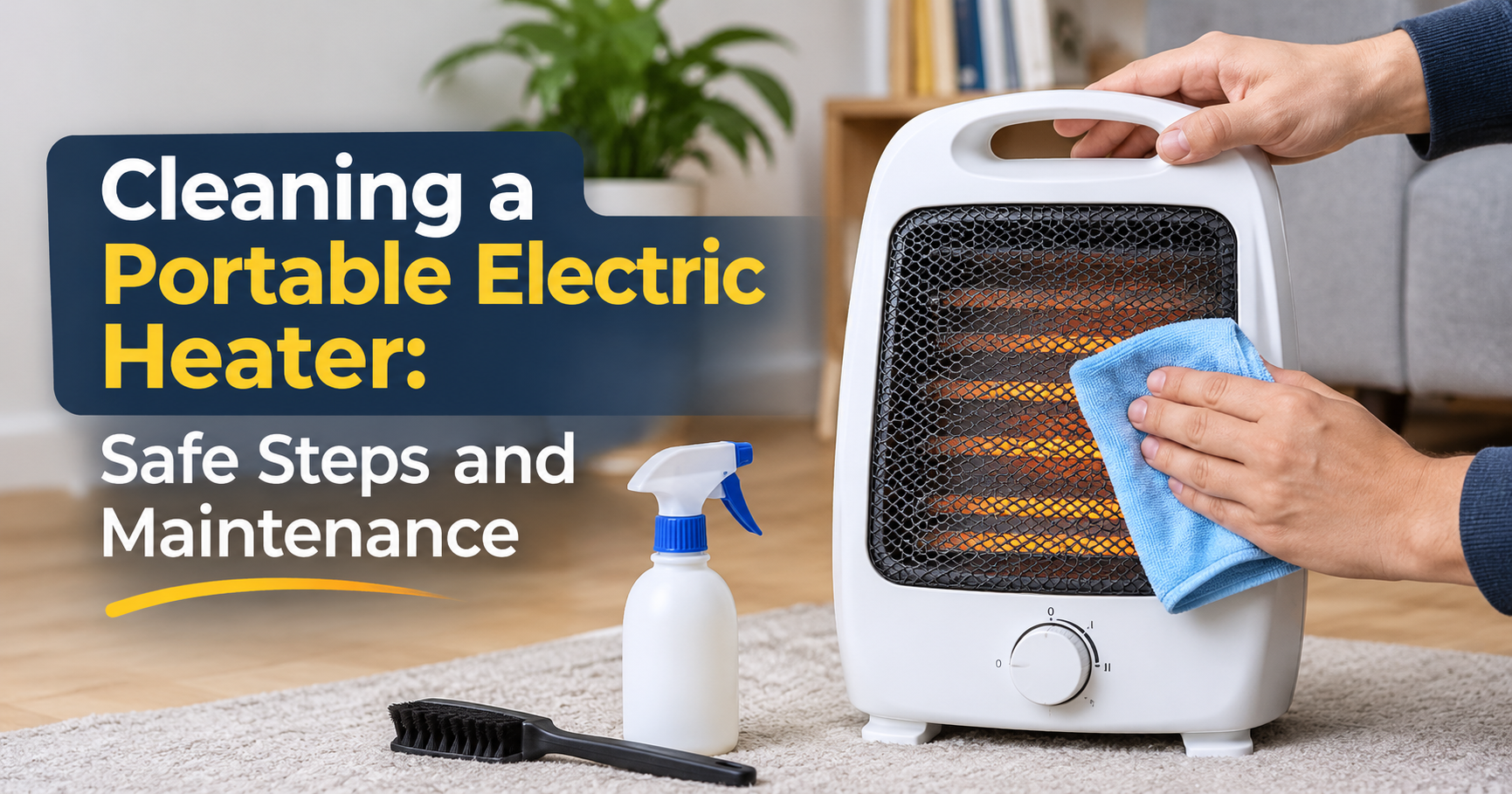
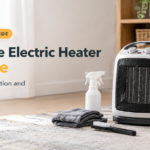
- Vacuum the grilles. Use a soft brush attachment on low suction and move across the slots slowly. Vacuuming is better than blowing because it removes the dust from the room instead of scattering it.
- Loosen packed dust. Use a dry soft brush, such as a clean paintbrush, to free stubborn dust between the slats. Vacuum again afterward.
- Use compressed air carefully, if the manual allows it. Short bursts, with the can held upright, can clear dust deeper inside. Do this outdoors or in a well-ventilated area so the dust does not settle back in the room.
- Clean or replace the filter. If your model has one, remove it as shown in the manual. Wash a washable filter and dry it fully before reinstalling it. Replace a disposable one.
- Wipe the casing. Use a slightly damp cloth on the outside only. Never let liquid run into the grilles or touch the heating element.
- Dry and reassemble. Make sure everything is completely dry before plugging the heater back in.
- Test it while you are present. Run it on a lower setting first, then increase it. Confirm that the fan spins freely, warm air leaves the front, and the heater stays on without tripping.
Do not open the heater
Cleaning the grilles is a user task. Opening the housing, touching the wiring or removing internal parts is not. If the heater needs more than external cleaning, contact the manufacturer or a qualified technician.
Where to Place a Portable Heater So Airflow Stays Clear
Many blockage problems come down to placement, and placement is free to fix. Use these rules in every room:
- Keep about 3 feet (1 meter) of open space on all sides, and more in front of the outlet if possible.
- Leave a gap behind the unit when the intake is on the back.
- Place it on a hard, flat, level surface, and not on a bed, thick rug or cushion.
- Plug it directly into a wall outlet. Extension cords and power strips are generally discouraged for high-wattage heaters, so check the manual.
- Do not put it inside a cabinet, under a desk against a panel, or in a tight alcove unless the manufacturer specifically allows that use.
- Keep it away from curtains, bedding, paper, clothes and anything flammable.
- Take extra care around children and pets, who can push objects against the heater without anyone noticing.
A Simple Prevention Routine
A few minutes of regular care keeps airflow strong and reduces the chance of overheating. Adjust the schedule to your home. Dusty rooms and homes with pets need it more often.
| When | What to do |
|---|---|
| Before the season starts | Inspect the heater, clean the grilles and filter, and check the cord and plug for damage |
| Every few days of use | Glance at the grilles and surroundings for dust, hair and anything resting near the unit |
| Every few weeks of use | Unplug, cool and vacuum the grilles; clean the filter if there is one |
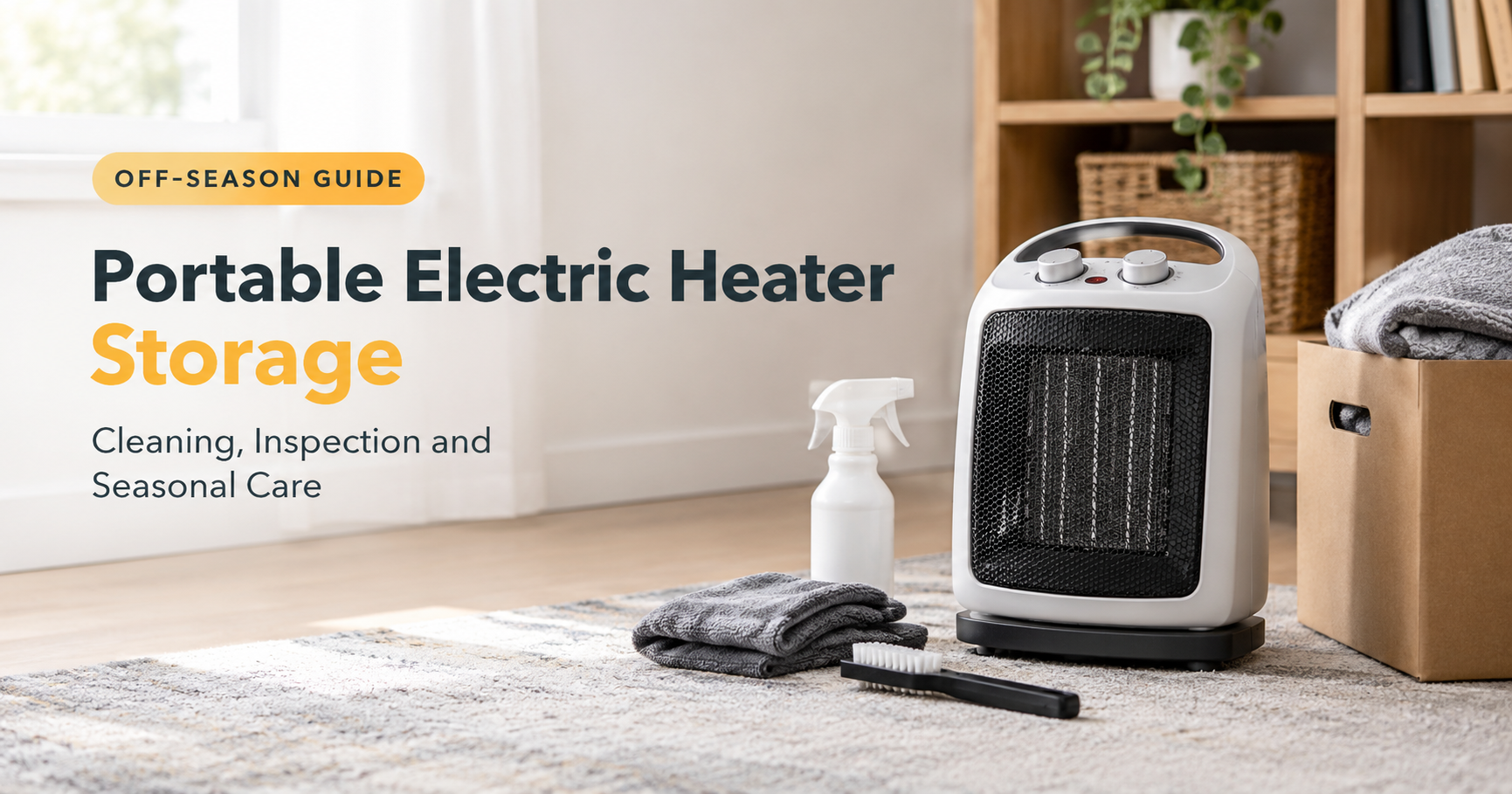
| End of the season | Clean thoroughly, dry it completely and store it covered in a dry place |
When to Stop Using the Heater
Cleaning solves most airflow problems, but some signs mean the heater should not be used until it is inspected or replaced:
- The plug, cord or outlet is hot, discolored or damaged.
- Plastic around the grille looks warped, melted or scorched.
- The fan does not spin freely even after cleaning.
- You smell burning plastic or see smoke or sparks.
- The heater keeps tripping its overheat cutoff even when it is clean and placed correctly.
In these cases, unplug it and stop using it. A new heater costs far less than a house fire.
Choosing a Heater With Better Airflow Design
If your old unit is worn out or you are shopping for a new one, certain design details make airflow problems less likely and easier to manage:
- Accessible, washable filter or easy-to-clean grilles. Models that are simple to vacuum get cleaned more often.
- Front-facing outlet with a wide grille. A larger opening is harder to block by accident.
- Overheat protection and a tip-over switch. These are standard on quality models and are worth confirming before you buy.
- Safety certification marks from a recognized testing body for your region.
- A power rating that fits the room. An undersized heater runs constantly and works harder, while a well-matched one cycles normally.
- Clear manual guidance. A good manual states the required clearances, cleaning method and surface requirements.
Think about your room as well. Fan heaters warm small and medium rooms quickly. Oil-filled units heat more slowly but stay warm longer and make less noise. Whichever type you choose, the placement rules above still apply.
Frequently Asked Questions
Can a blocked heater cause a fire?
Yes. A heater that cannot release heat can overheat, and nearby fabric, dust or furniture can ignite. Overheat protection lowers the risk, but you should not rely on it as your only safeguard.
Why does my portable heater turn off after a few minutes?
Blocked airflow is a common reason because the overheat sensor trips. A tip-over switch, a faulty thermostat or a power supply issue can cause the same symptom, so check airflow and placement first and then look at the other causes.
How often should I clean my portable heater?
Check the grilles regularly and clean them every few weeks during heavy use. If you have pets, carpet or a dusty room, clean them more often. Always follow the maintenance schedule in your manual.
Can I use compressed air to clean it?
Often yes, in short bursts with the heater unplugged and cool, but some manufacturers advise against it. Check the manual, and do it outdoors where possible so the dust does not return to your room.
Is it safe to run a heater on carpet?
Many manuals require a hard, flat, level surface. Thick or loose carpet can block bottom vents and make the heater unstable, so choose a hard floor when you can.
Can I dry clothes on a portable heater?
No. Covering a heater blocks airflow and creates a serious fire hazard. Use a drying rack placed well away from the heater instead.
Conclusion
When portable electric heater airflow is blocked, the heater cannot cool itself, and every warning sign, from sudden shutdowns to a hot-dust smell, comes from that same cause. Most blockages are easy to prevent. Keep the grilles clean, leave open space around the unit, place it on a hard, flat surface, and never cover it. Make a quick inspection part of your routine, and replace any heater that shows damage or keeps tripping its safety cutoff. A few minutes of care keeps your room warm and your home safer through the whole cold season.