
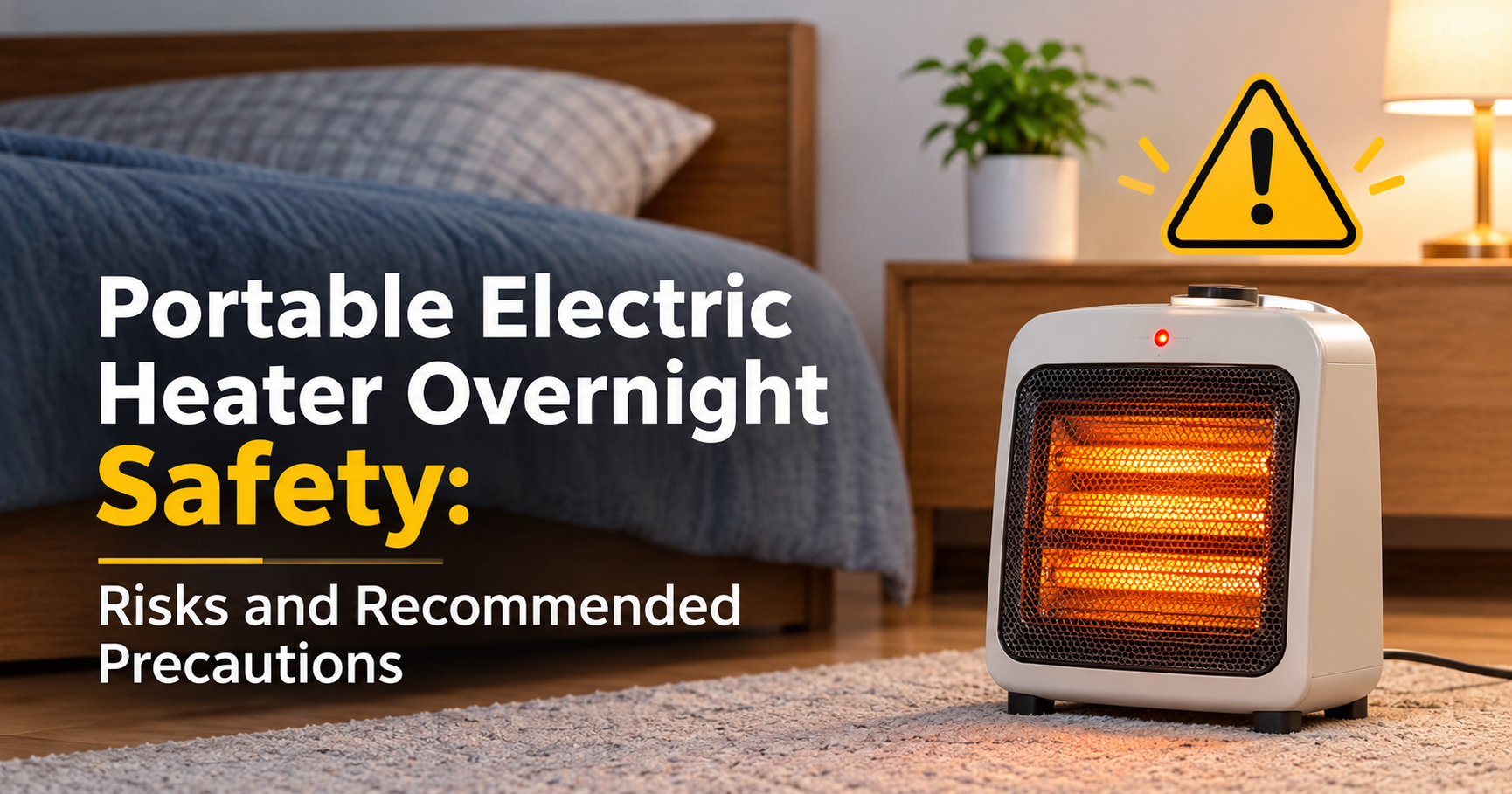
When the temperature drops after dark, it is tempting to switch on a portable electric heater and fall asleep in a warm room. It feels comfortable, saves running a whole-house heating system, and takes the edge off a freezing bedroom. But heaters and sleep are not a risk-free pairing. Fire safety organizations consistently list space heaters among the leading causes of home heating fires, and many of the most serious incidents happen when people are asleep and cannot react quickly.
This guide explains exactly how portable electric heater overnight safety works: what the real risks are, what manufacturers and fire safety experts recommend, which safety features matter most, how to set up a heater correctly, and what safer alternatives exist. Use it to make an informed decision for your own home.
Quick Answer
Most heater manufacturers and fire safety groups advise against leaving a portable electric heater running while you sleep or while nobody is awake in the room. The safest approach is to warm the room before bed and turn the heater off. If you decide to use one overnight anyway, choose a certified model with tip-over and overheat protection, plug it straight into a wall outlet, keep a clear 3-foot (1-meter) zone around it, and make sure working smoke alarms are installed.
Why Overnight Heater Use Is Riskier Than Daytime Use
A heater running in a living room while you are awake is closely supervised. You notice a burning smell, see a blanket slide toward it, or hear a pet knock it over. During sleep, none of that attention exists. A small problem can grow for a long time before anyone realizes it, and a fire in a bedroom can fill the space with smoke very quickly.
Several factors make nighttime use more hazardous:
- Long continuous run time. Eight hours of nonstop operation puts far more stress on the cord, plug, outlet and internal parts than short daytime use.
- Bedding and fabrics nearby. Blankets, pillows, curtains and clothing are all flammable, and bedrooms contain plenty of them.
- Slow reaction time. Smoke can cause people to sleep more deeply before it wakes them, which is why working smoke alarms are essential.
- Movement in the dark. A bathroom trip at night can mean tripping over the cord or knocking the heater against something.
- Pets and children. They may bump, climb on or push objects into a heater without anyone noticing.
The Main Hazards of Running a Heater All Night
1. Fire from Nearby Combustible Materials
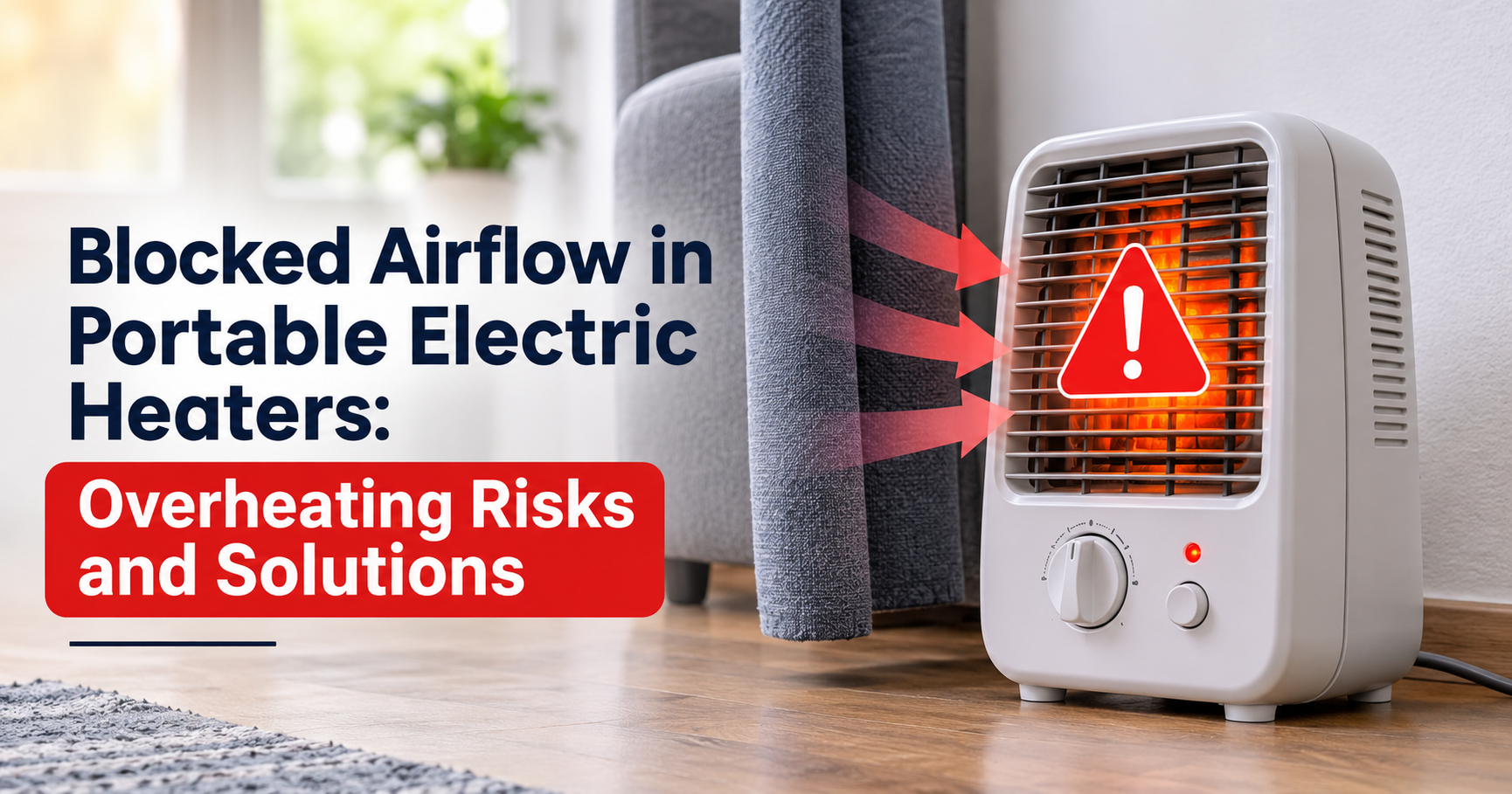
The most common cause of heater fires is simple: something that can burn sits too close to the heating element. Bedding, curtains, upholstered furniture, clothing and paper can ignite from prolonged exposure to heat, even without direct contact. A comforter that drifts off the bed during the night can end up against the heater.
2. Electrical Overload and Overheated Cords
Most portable electric heaters draw a large amount of power, typically up to 1,500 watts. At 120 volts, that is about 12.5 amps, which is close to the limit of a standard 15-amp household circuit. Anything else sharing that circuit, such as a lamp, phone charger or television, adds to the load. A worn cord, loose plug or damaged outlet can create resistance and heat at the connection point, which can melt plastic and start a fire.
3. Extension Cords and Power Strips
Extension cords and power strips are not designed for the sustained high load of a heater. The cord may overheat while the heater itself feels perfectly normal. This is one of the most frequently repeated warnings from electrical safety experts: plug a heater directly into a wall outlet.
4. Tip-Overs
A heater that falls on its side or face-down onto carpet or bedding can ignite materials quickly. Modern heaters include tip-over switches to prevent this, but the switch is a backup, not a reason to place the heater in an unstable spot.
5. Burns
Some heater surfaces become hot enough to burn skin on contact. This is a particular concern for toddlers, pets and sleepwalkers, as well as anyone who may roll or stumble against the unit in the dark.
6. Drying Out the Air and Reduced Comfort
While not a safety hazard in the same sense, running a heater all night can dry the air in a bedroom. This may leave your throat, nose or skin feeling dry in the morning. A heater with a thermostat helps limit overheating, and a small bowl of water or a humidifier can ease dryness.

What Experts and Manufacturers Recommend
Guidance from fire safety organizations and heater manufacturers follows a consistent pattern:
- Turn the heater off when you leave the room or go to sleep. This is the standard instruction in nearly every portable heater manual.
- Maintain at least 3 feet (about 1 meter) of clear space on all sides of the heater, including above it.
- Plug directly into a wall outlet. Avoid extension cords and power strips.
- Place the heater on a flat, hard, level surface and never on a bed, sofa or thick rug.
- Keep working smoke alarms on every level of the home and inside or near sleeping areas, and test them regularly.
- Choose a heater with up-to-date safety features and a recognized safety certification.
Always read the manual that came with your particular heater. If it says not to leave the heater unattended or running while you sleep, follow that instruction. Manufacturer guidance reflects how the product was designed and tested.
Safety Features to Look For in a Portable Electric Heater
If you use a heater in a bedroom at all, the quality of its built-in protection matters a great deal. These six features make a real difference, and they are worth checking before you buy.

| Feature | What it does | Why it matters overnight |
|---|---|---|
| Tip-over switch | Automatically cuts power if the heater is knocked over or tilted | Prevents a fallen heater from continuing to heat bedding or carpet |
| Overheat protection | Shuts the heater off if internal temperature gets too high | Guards against blocked vents, dust build-up or internal faults |
| Adjustable thermostat | Cycles the heater on and off to hold a set temperature | Avoids constant full-power operation and over-warming the room |
| Auto shut-off timer | Turns the heater off after a set period | Lets you warm the room before bed without running it all night |
| Cool-touch housing | Keeps the outer casing at a lower temperature | Reduces burn risk for children, pets and accidental contact |
| Safety certification | Shows the product has been tested to recognized standards (for example UL, ETL or CE) | Gives confidence that the heater meets basic safety requirements |
No safety feature makes a heater completely foolproof. Sensors can fail, and a heater that is too close to fabric can still cause problems. Think of these features as extra layers of protection rather than permission to ignore the other precautions.
Which Types of Portable Heaters Are Generally Safer for Bedrooms?
Not all electric heaters behave the same way. Their design affects surface temperature, how heat is delivered and how forgiving they are of mistakes.
| Heater Type | How It Heats | Bedroom Considerations |
|---|---|---|
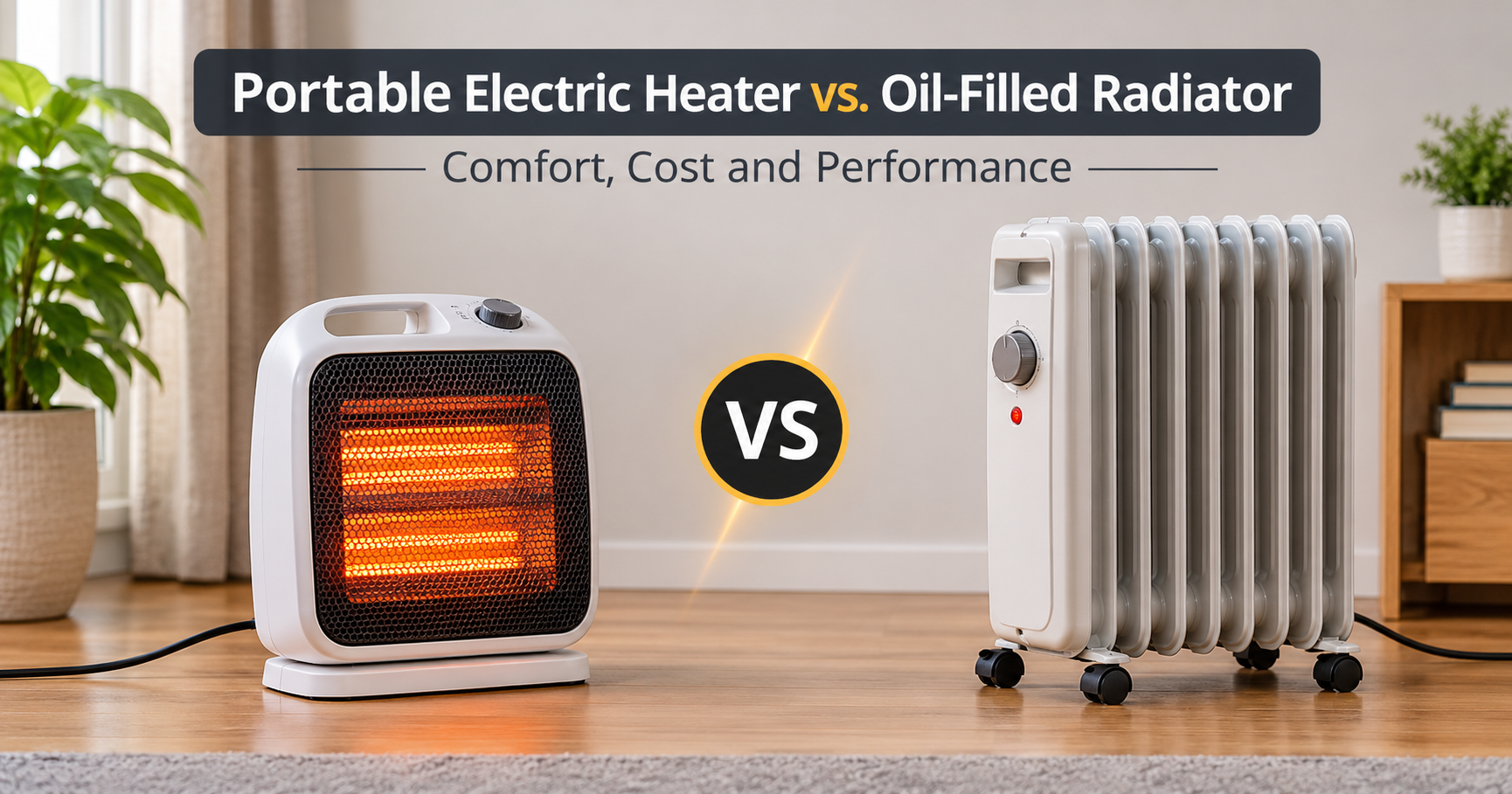
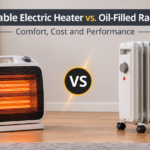
| Oil-filled radiator | Heats oil sealed inside fins, which radiate warmth slowly | Quiet, steady heat, no glowing element; surfaces can still get hot, so keep clear of bedding |
| Ceramic fan heater | Blows air across a heated ceramic element | Fast warm-up, compact; look for tip-over and overheat protection; fan noise can disturb sleep |
| Infrared / radiant heater | Warms objects and people directly with radiant heat | Strong localized heat; glowing elements can ignite nearby fabric, so keep distances generous |
| Convection panel heater | Warms air that circulates naturally through the room | Quiet and often wall-mounted or low-profile; moderate surface temperature |
| Coil / bar element heater | Exposed heated element, sometimes with a reflector | Highest risk near fabric; usually not the best choice for a bedroom |
Oil-filled radiators and enclosed ceramic heaters are often considered better suited to occupied rooms than heaters with exposed glowing elements, but every type still needs the same precautions.
How to Set Up a Portable Heater Safely in a Bedroom
Choose the Right Location
- Place the heater on a hard, flat, level floor, away from foot traffic.
- Keep at least 3 feet (1 meter) between the heater and the bed, curtains, furniture, laundry and papers.
- Do not place the heater in a hallway or doorway where it can be kicked or tripped over.
- Avoid placing it on a bedside table, shelf or any unstable surface.
Handle the Power Supply Correctly
- Plug the heater directly into a wall outlet.
- Do not share the outlet with other high-power appliances.
- Inspect the plug and cord before each use for cracks, discoloration or fraying.
- Run the cord where it will not be stepped on or pinched under furniture, and never cover it with a rug.
Check the Outlet
If the plug or the outlet feels hot, discolored or smells like burning plastic, stop using the heater immediately and have the outlet checked by a qualified electrician. A warm plug is normal; a hot plug is a warning sign.
Keep It Clean
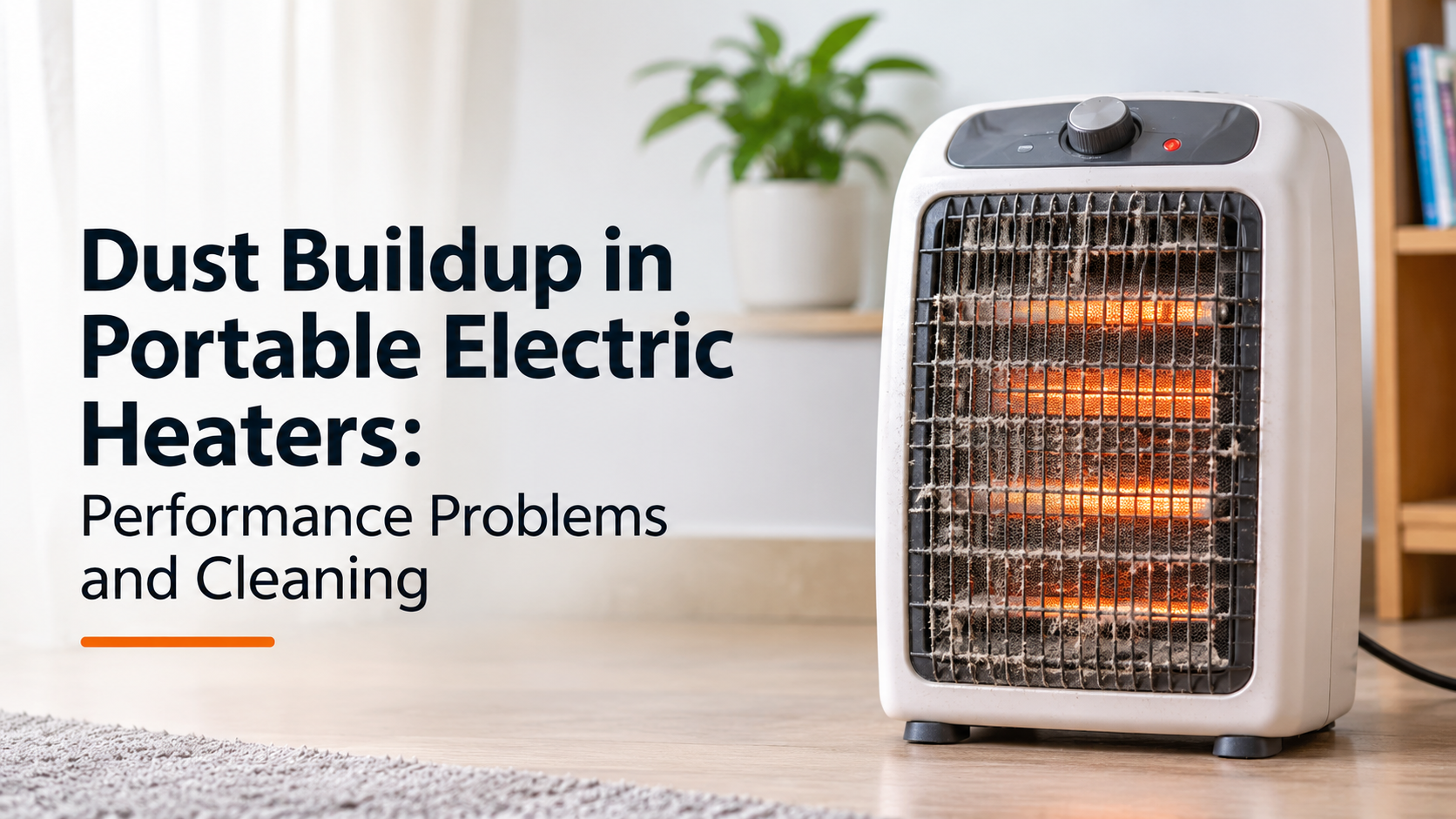
Dust and pet hair build up inside vents and around elements, which can cause odors, reduce performance and contribute to overheating. Unplug the heater and let it cool completely before wiping the exterior and gently vacuuming the vents.

Before-Bed Safety Checklist
Run through this quick routine every night you use a heater:
- Confirm the heater is plugged directly into a wall outlet with no extension cord or power strip.
- Check the cord and plug for damage, heat or discoloration.
- Clear the 3-foot zone of blankets, clothes, curtains, paper and anything else flammable.
- Make sure the heater is upright and stable on a hard surface.
- Set the thermostat to a moderate level and use the timer if the heater has one.
- Confirm the smoke alarm is working and that you can hear it from your bed.
- Keep children and pets from touching or moving the heater.
- Ideally, switch the heater off before you fall asleep.
Safer Ways to Stay Warm Overnight
The best way to eliminate heater risk is to need the heater less while you sleep. These approaches keep you warm without a continuously running heating element:
- Pre-heat the bedroom. Run the heater for 30 to 60 minutes before bedtime, then turn it off. A closed room holds warmth for hours.
- Layer your bedding. A warm duvet, a wool or fleece blanket and a flannel sheet traps body heat far better than a single thin cover.
- Use a hot water bottle. A well-sealed bottle in a cover warms the bed for hours with no electricity.
- Wear warm sleepwear. Thermal pajamas, thick socks and a light hat make a noticeable difference.
- Seal drafts. Draft excluders, thick curtains and weather stripping reduce heat loss.
- Use a heated blanket or mattress pad with automatic shut-off. Choose a certified model and follow its instructions, as these products carry their own safety guidance.
- Place a rug on bare floors. It insulates from cold floors without involving any heat source.
Special Situations
Children’s Rooms and Nurseries
Children cannot judge hot surfaces or move away from danger the way adults can. Avoid leaving any portable heater running in a child’s room overnight. Warm the room beforehand and use appropriate sleepwear instead of extra loose blankets.
Homes with Pets
Pets may knock over heaters, chew cords or lie too close to hot surfaces. If you have pets, either keep them out of the heated room or place the heater where they cannot reach it.
Older Adults and People Who Sleep Deeply
People who sleep very deeply, take medication that causes drowsiness, or have reduced mobility may take longer to respond to smoke or heat. In these cases, it is especially important to avoid overnight use and to have working smoke alarms and a clear escape route.
Rental Homes and Older Buildings
Older wiring and worn outlets may not handle sustained heater loads well. If circuit breakers trip frequently or lights flicker when the heater switches on, have the wiring checked before continuing.
Warning Signs to Stop Using the Heater Immediately
- A burning smell or smoke, or visible sparks
- A plug, cord or outlet that is hot to the touch or discolored
- Frequent circuit breaker trips
- Flickering or buzzing when the heater runs
- A damaged cord, cracked casing or loose switches
- The heater shutting off repeatedly or behaving erratically
If any of these occur, unplug the heater (if it is safe to do so), let it cool and do not use it again until it has been inspected or replaced.
Common Mistakes to Avoid
- Drying clothes or towels on or near a heater
- Using a heater on a bed or soft surface
- Covering the heater to “trap” heat
- Using an old heater with a damaged cord or missing safety features
- Plugging into a power strip or extension cord
- Assuming the tip-over switch means it is safe on any surface
- Using the heater in damp areas not rated for moisture
Frequently Asked Questions
Is it safe to leave a portable electric heater on all night?
Most manufacturers and fire safety groups advise against it. Heaters have no one watching them while you sleep, so any problem can develop unnoticed. The safest option is to warm the room before bed and turn the heater off.
What is the safest type of portable heater for a bedroom?
Oil-filled radiators and enclosed ceramic heaters with tip-over and overheat protection are often regarded as better choices than heaters with exposed glowing elements. Whichever type you choose, follow the manual and maintain the safety clearance.
How far should a heater be from the bed?
Keep at least 3 feet (about 1 meter) of clear space between the heater and the bed, bedding, curtains and any other flammable items.
Can I use an extension cord with a space heater?
It is best to avoid it. Heaters draw a high, sustained load that extension cords and power strips are usually not built to handle. Plug the heater directly into a wall outlet.
Does a thermostat make overnight use safe?
A thermostat helps by preventing continuous full-power operation, but it does not remove the need for clearance, a good outlet, and a working smoke alarm. It is a helpful feature, not a guarantee.
Do electric heaters produce carbon monoxide?
Electric resistance heaters do not burn fuel, so they do not produce carbon monoxide the way gas, kerosene or wood heaters can. Fire and electrical hazards are the main concerns. Many safety experts still recommend having both smoke and carbon monoxide alarms in the home.
Is a heater with an automatic timer safe to use overnight?
A timer lets the heater shut itself off after a set period, which reduces the time it runs while you sleep. Setting it for a short period after you go to bed is generally safer than running it all night.
Should I leave a heater on to prevent pipes from freezing?
If you must use a heater to protect pipes, use one designed for that purpose and follow the manufacturer’s guidance. Generally, insulating pipes and keeping heating or water flow adequate are safer approaches than leaving a portable heater unattended.
Final Thoughts
A portable electric heater can make a cold bedroom far more comfortable, but sleep is exactly the time when you are least able to notice and respond to a problem. For that reason, the most reliable rule is also the simplest: warm the room, then switch the heater off before you sleep. Pair that habit with good bedding, a draft-free room and working smoke alarms, and you can stay warm without relying on a running heating element.
If you do choose to use a heater overnight, treat safety as non-negotiable. Pick a certified model with tip-over and overheat protection, plug it into a wall outlet, keep a generous clear zone around it, inspect the cord and plug regularly, and replace it as soon as it shows signs of damage. A few minutes of preparation each night is a small price for a safe, warm night’s sleep.
This article is for general information only and does not replace the instructions in your heater’s manual or advice from a qualified electrician or fire safety professional.