

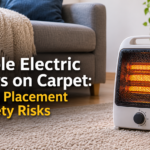

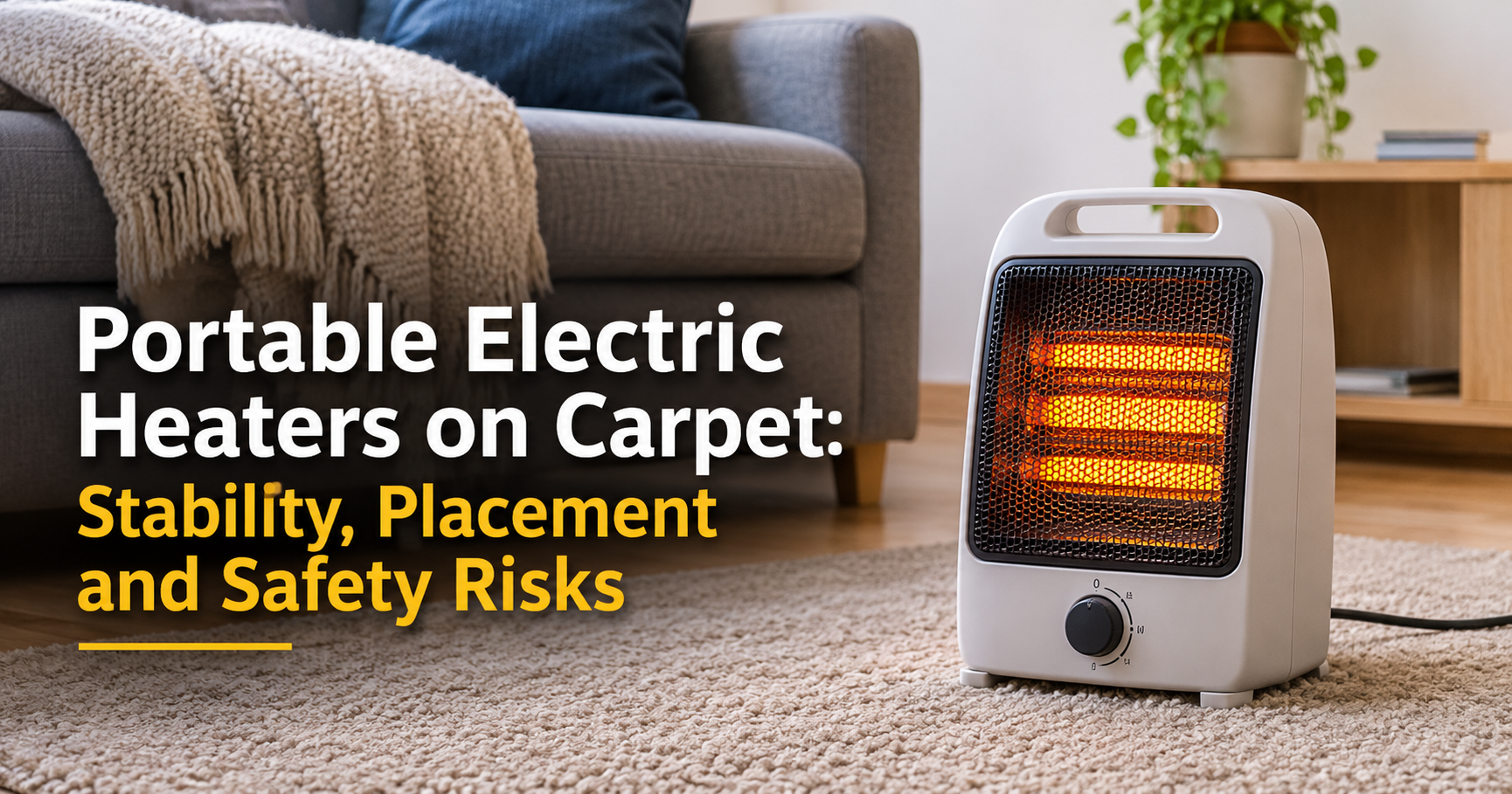
When the temperature drops, the first instinct is to plug in a portable electric heater right where you are sitting, and in many homes that spot is a carpeted floor. It feels harmless. The heater is small, the room is cozy, and the carpet is soft. But carpet changes the safety picture in ways most people never think about.
So, can you put a portable electric heater on carpet? The honest answer is: sometimes, but only with the right type of heater, the right setup and a lot of discipline. This guide explains why carpet matters, which heaters handle it best, how to set everything up step by step, and which mistakes you should never make.
Quick Answer
Many portable heaters are designed for use on any flat, level surface and carry a tip-over and overheat protection system, but you must always check your own manual. If the manual says “do not use on carpet” or does not clearly allow it, place the heater on a hard, flat, non-flammable surface instead. Keep everything flammable at least 3 feet (about 1 meter) away, plug directly into a wall outlet, and never leave the heater running unattended.
Why Carpet Makes Portable Heaters Riskier
A heater on a tile floor and a heater on carpet are not in the same situation. Carpet adds several risk factors at once.
1. Carpet Is Made of Materials That Can Burn or Melt
Most carpets are built from synthetic fibers such as nylon, polyester or polypropylene, or natural fibers such as wool. Synthetic fibers can melt and soften under sustained heat, and the backing and padding underneath can also be flammable. Wool is naturally more flame resistant, but no carpet should be treated as heatproof. A heater that runs hot at its base can slowly scorch the fibers, even if you never see a flame.
2. Soft Pile Reduces Stability
A heater needs a firm, level surface to stand upright. Thick or plush carpet is slightly uneven and slightly springy, so a tall, narrow heater can lean or wobble, especially if someone brushes past it, a pet bumps it or a child pulls the cord. A heater that falls onto carpet face-down can quickly create a dangerous hot spot, which is why a working tip-over switch is so important.
3. Air Intake Can Be Blocked
Many fan heaters and convection heaters pull air in from the bottom or the back. Shaggy or deep-pile carpet can sit right against these intake vents and restrict airflow. When airflow drops, internal parts run hotter and the overheat protection may trigger again and again, which shortens the life of the heater.
4. Dust, Hair and Lint Collect Quickly
Carpet sheds fibers, traps dust and holds pet hair. All of that gets sucked toward the heater. Dust that lands on a hot element burns off with a smell, and a heavy build-up inside the unit can become a fire risk over time.
5. Static and Fibers Near Hot Parts
Loose fibers, fringes and tassels from rugs can drift or hang close to the grille. A rug edge that curls up against the heater is an easy way to start trouble.
The Bigger Picture: Why Heater Safety Matters
Fire safety organizations consistently report that portable and space heaters are involved in a large share of home heating fires and in the great majority of deaths from heating-related fires. In most of those cases the cause is not a defective product. It is placement: heaters too close to bedding, furniture, curtains or clothing, or heaters left running while nobody is watching. Carpet is one more combustible surface in that same list, which is why it deserves attention.
Which Types of Portable Heaters Handle Carpet Best?
Not every heater is equal when the floor is soft. Design features such as base width, how hot the outer surface gets and where air is drawn in all make a difference.
| Heater Type | How It Behaves on Carpet | Key Point |
|---|---|---|
| Oil-filled radiator | Wide, heavy and stable base; surface gets hot but stays steady | Often a good choice, but the casing is hot, so keep clear zone strictly |
| Ceramic heater | Compact, quick heat; many models have tip-over and overheat protection | Check that the base is wide and the air intake does not touch the pile |
| Fan / convection heater | Moves warm air quickly; relies on airflow from the bottom or back | Dust and deep pile can restrict airflow |
| Infrared / radiant heater | Heats objects and people directly; front panel and element run very hot | Direct heat on nearby fabric is a concern; give extra distance |
| Exposed coil / bar heater | Glowing element with no enclosure | Not a good fit for carpet; use only on a hard surface, if at all |
Safety Features You Should Look For
If you plan to use a portable heater on or near carpet, these built-in features are not optional extras. They are your first line of defense.
- Tip-over protection: an automatic switch that cuts power the moment the heater tilts or falls.
- Overheat protection: a sensor that shuts the heater down if internal temperatures rise too high, for example when airflow is blocked.
- Safety certification: look for a recognized safety mark from an independent testing laboratory on the heater and the plug.
- Cool-touch or enclosed housing: a cooler outer surface reduces the chance of burns and scorching.
- Wide, non-slip base: a broad footprint resists tipping on soft surfaces.
- Adjustable thermostat: lets the heater cycle on and off instead of running at full power all the time.
- Built-in timer or auto shut-off: a useful backup if you forget to switch the heater off.
- Heavy-duty power cord and a firm plug: a thick cord with a snug plug fit reduces the risk of overheating at the outlet.
Step-by-Step: How to Set Up a Portable Heater Safely on Carpet
Step 1: Read the Manual and the Label
Manufacturers state clearly whether a heater may be used on carpet. Some say “use on a hard, level, non-flammable surface only.” Others allow any flat, level surface. Follow your manual exactly, and if the wording is unclear, treat carpet as a no.
Step 2: Create a Hard, Flat Base
The safest approach is to separate the heater from the carpet completely. Options include a ceramic tile, a slab of non-combustible cement board, or a purpose-made heat-resistant mat. The base should be bigger than the heater’s footprint, perfectly flat and stable. Do not use a folded towel, a cardboard box, a wooden crate or a plastic tray, because these can burn, melt or slip.
Step 3: Choose a Level Spot With No Foot Traffic
Place the heater in a corner of the room or along a wall where people are unlikely to walk, trip or bump it. Avoid doorways, hallways and the space between a sofa and a coffee table.
Step 4: Keep Everything Flammable 3 Feet Away
Maintain at least 3 feet (about 1 meter) of clear space on all sides and above. This includes curtains, bedding, sofas, clothing, towels, paper, toys, cardboard boxes and loose rugs. Make this a habit, and double-check after cleaning or rearranging the room.
Step 5: Plug Directly Into a Wall Outlet
Portable heaters pull a lot of power. Plug the heater straight into a wall outlet that is not shared with other high-power devices. Avoid power strips, adapters and extension cords. If you absolutely must use one, it must be a heavy-duty cord rated for the heater’s wattage, but a wall outlet is always the safer option. Check that the plug fits snugly and does not wobble.
Step 6: Start Low and Test
Turn the heater on and stay in the room for the first 15 to 20 minutes. Feel the base, listen for unusual sounds and watch for odors. Touch the plug carefully to make sure it is only mildly warm. If anything feels wrong, switch it off and unplug it.
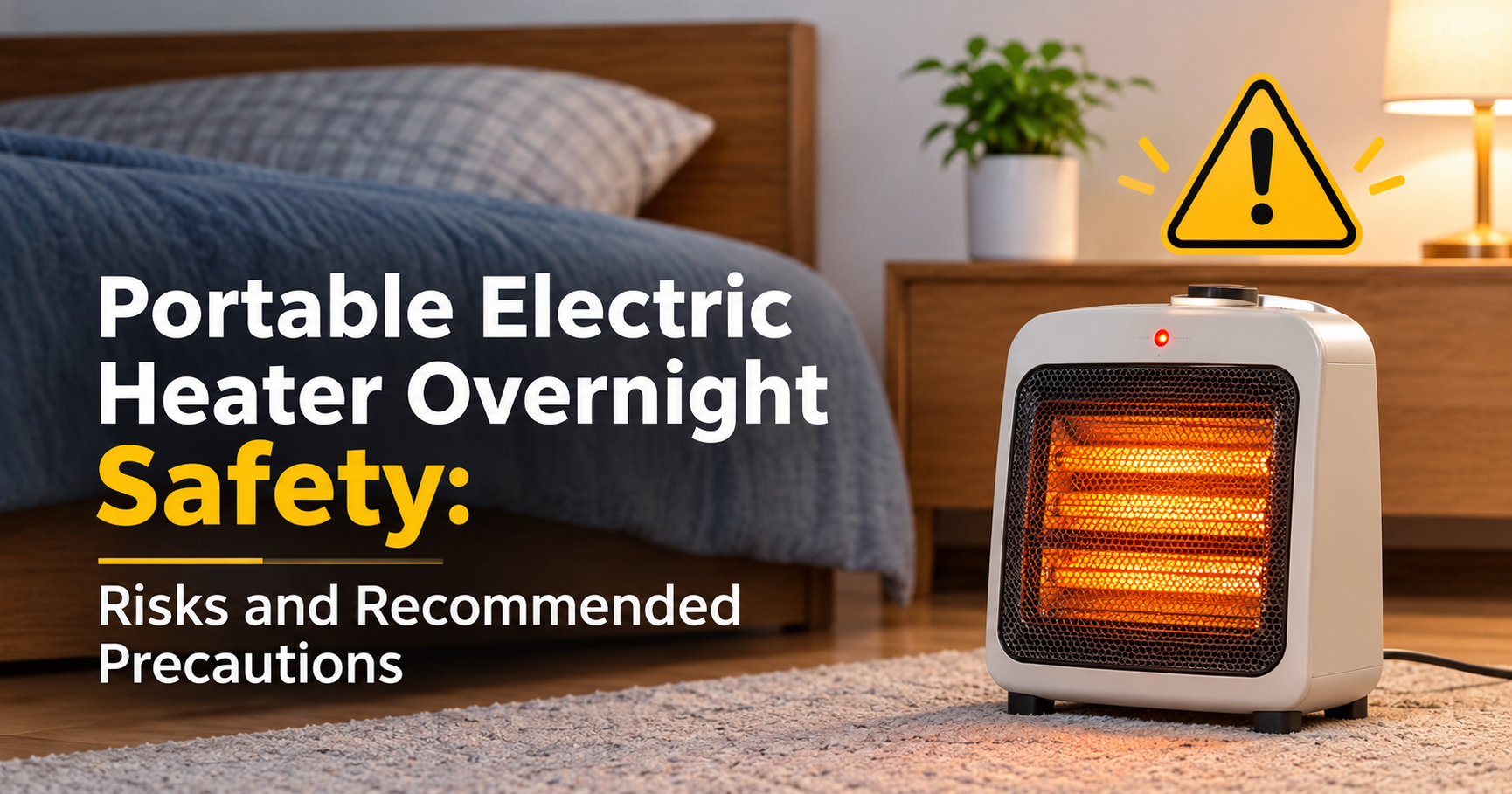
Step 7: Always Turn It Off When You Leave or Sleep
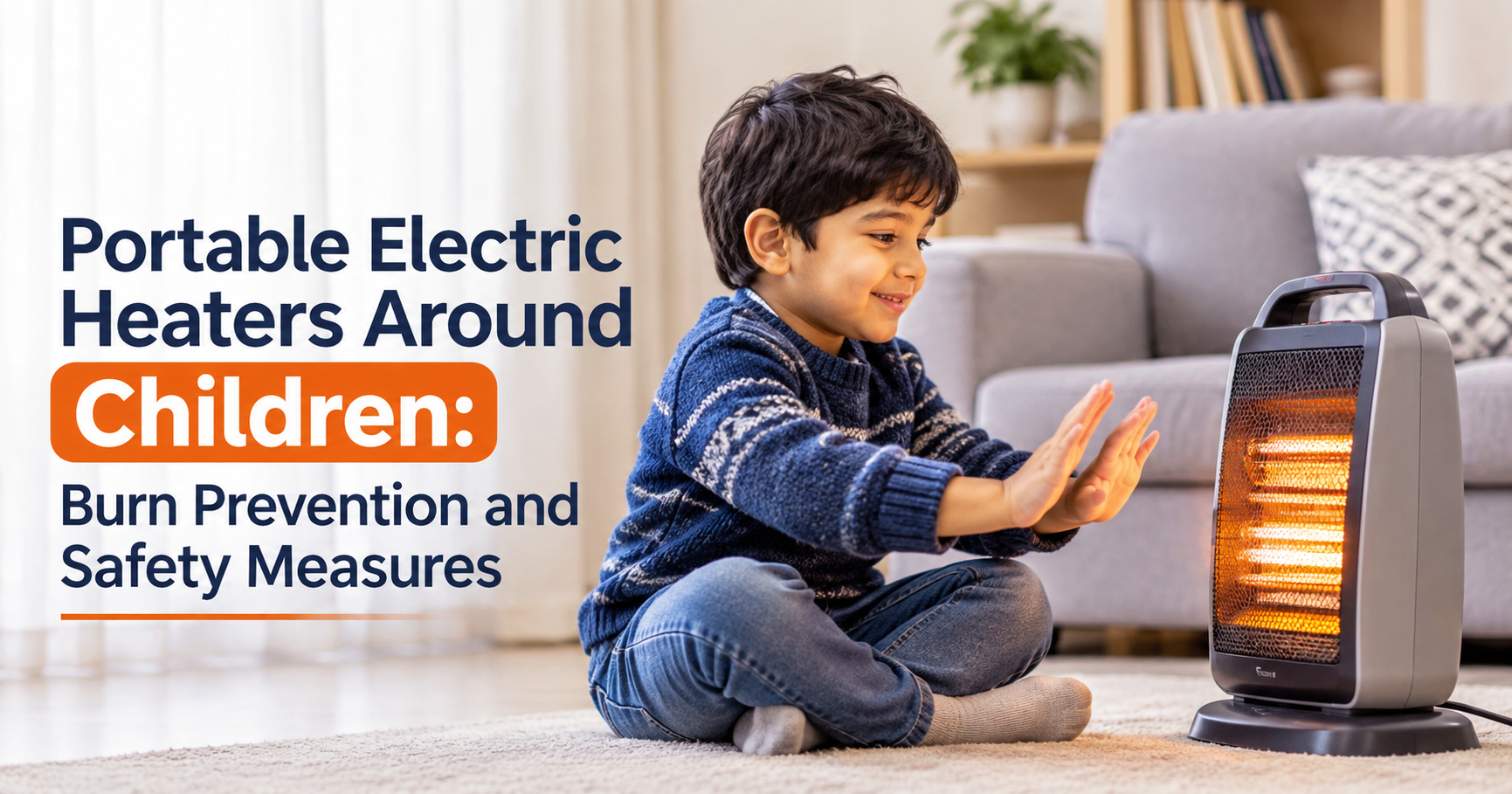
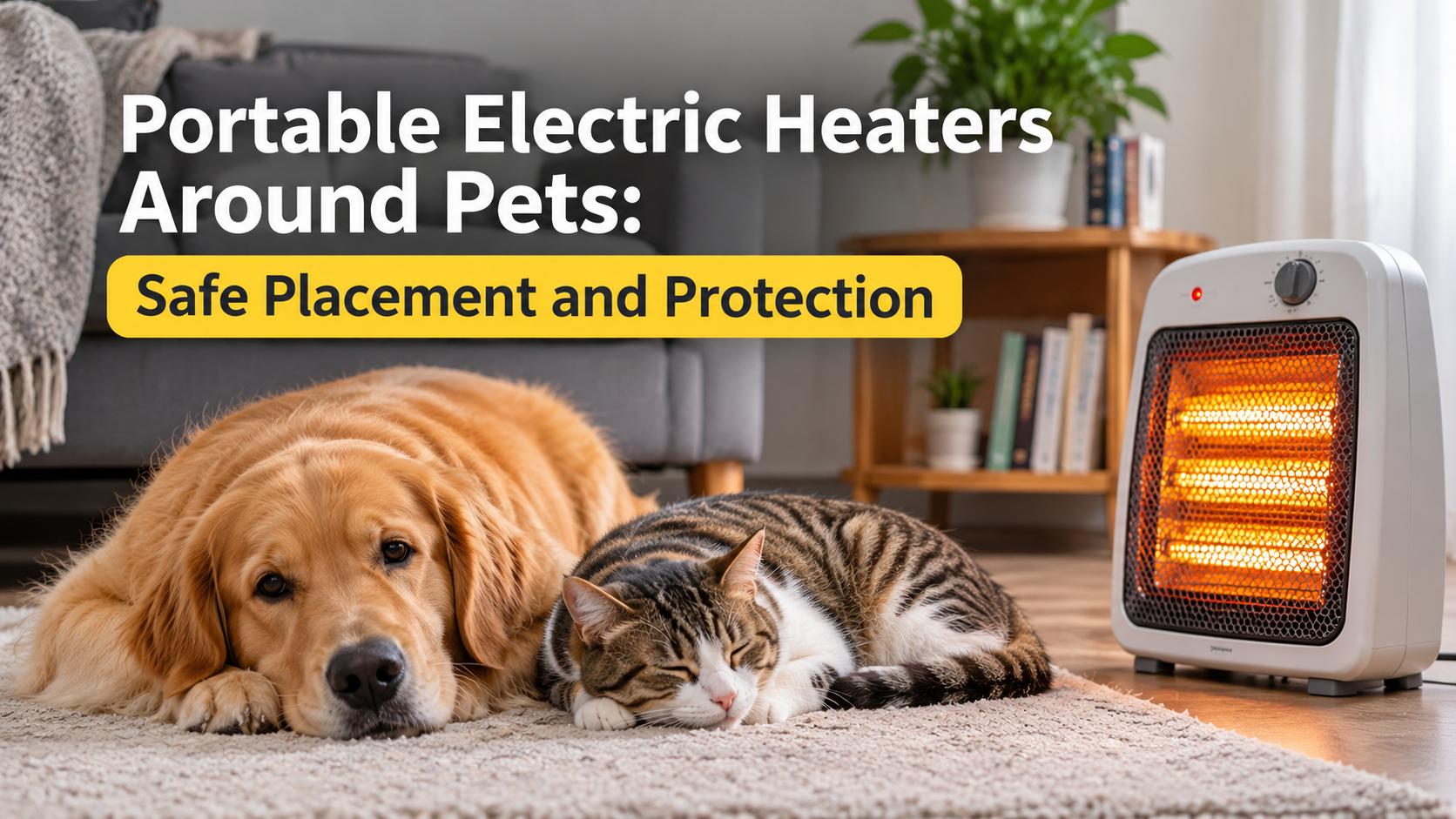
Never leave a portable heater running in an empty room, while you are asleep or when you leave the house. Kids and pets should be kept away from it at all times.
Never Do This
Do not place a portable heater on a thick rug, on top of a rug on carpet, on a bed or sofa, or on any soft or uneven surface. Do not cover the heater, do not use it to dry clothes and do not use it with a damaged cord or plug.
Common Mistakes People Make With Heaters on Carpet
- Placing the heater directly on shag or plush carpet where the base sinks and the intake gets blocked.
- Using a rug as a “heat barrier”: a rug is just more fabric and does not protect the floor.
- Using an extension cord or power strip that cannot handle the high load.
- Pointing the heater at furniture or putting it right next to the couch or bed.
- Drying wet clothes on or near the heater.
- Ignoring a cord or plug that feels hot or a heater that smells strange.
- Skipping cleaning, so that dust and pet hair accumulate inside the heater and on the grille.
- Letting kids or pets play nearby without a barrier.
Warning Signs: When to Switch Off and Unplug Immediately
Pay attention to how your heater and your carpet behave. These signs mean you should stop using the heater at once and have it checked or replaced.
- A persistent burning, melting or electrical smell that does not fade after the first use of the season.
- Discoloration, scorching or melted fibers on the carpet where the heater sits.
- A plug, socket or cord that is too hot to touch comfortably.
- Crackling or sparking sounds, flickering power or a circuit breaker that trips repeatedly.
- A heater that shuts off over and over, which may mean blocked airflow or a failing component.
Caring for Your Heater and Your Carpet
A little regular maintenance reduces risk and keeps the heater working efficiently.
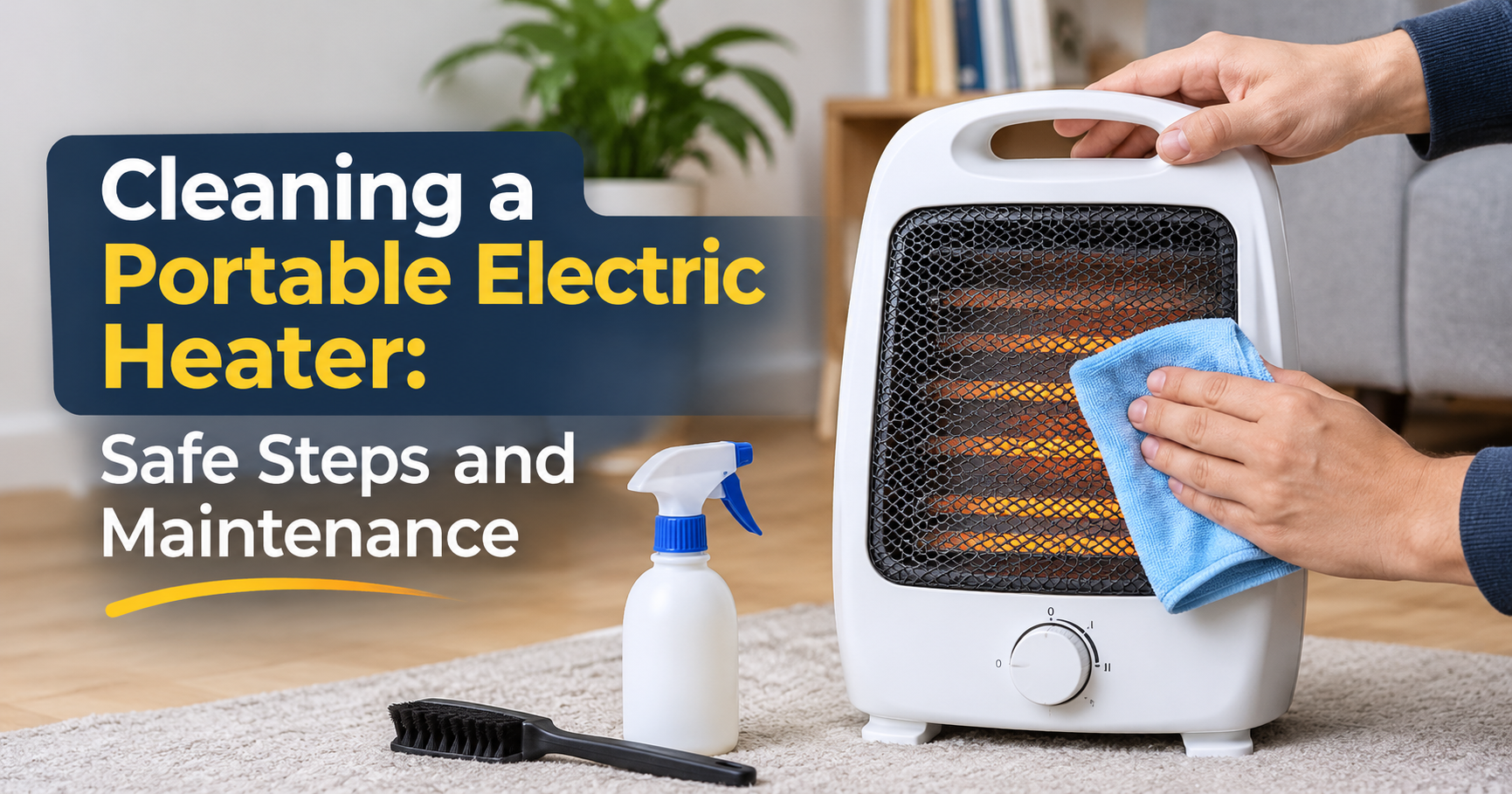
- Unplug and let it cool before any cleaning.
- Vacuum the vents and grille gently with a soft brush attachment to remove dust and lint.
- Inspect the cord and plug regularly for cracks, fraying, bent pins or discoloration.
- Check the floor underneath for heat marks or fiber damage, and move the heater if you see any.
- Store the heater in a dry place with the cord loosely coiled, never tightly wrapped.
Safer Alternatives When Carpet Is the Only Option
If your room is fully carpeted and you cannot create a safe hard base, you still have options.
- Use a wall-mounted or ceiling heater that does not touch the floor at all, installed according to its instructions.
- Choose a heater designed to sit on a stand or raised legs with a wide, stable base.
- Heat the person, not the room: layer clothing, use thermal blankets away from the heater and consider an electric blanket with certified safety controls, used exactly as directed.
- Improve insulation: sealing drafts around doors and windows, closing curtains at night and using draft stoppers can reduce the heat you need.
- Move the heater to a tiled or hard-floored area and keep the doors open to share the warmth.
How to Choose a Heater for a Carpeted Room
When you shop, think about the room, the floor and the people who live there. A small heater with a low wattage may be enough for a compact room, but a large space needs a stronger unit or a different heating approach. Match the heater to the room size, since an underpowered heater will run constantly, and an oversized one wastes energy.
- Check that the manual clearly states the heater may be used on carpet or on any flat surface.
- Prefer models with both tip-over and overheat protection.
- Look for an independent safety certification mark.
- Pick a wide, stable base rather than a tall, narrow tower if the floor is soft.
- Choose a thermostat and timer for better control and lower energy use.
- Consider homes with kids or pets: a cool-touch housing makes a real difference.
Frequently Asked Questions
Can I put a portable electric heater directly on carpet?
It depends on the manual. Some heaters are designed for any flat, level surface, while many manufacturers recommend a hard, non-flammable surface. If your manual does not clearly allow carpet, use a hard base such as tile.
Will a heater burn or melt my carpet?
It can. Sustained heat at the base, a heater that has tipped over or a heater placed too close to carpet can scorch or melt fibers, especially synthetic ones. Heat marks are a sign that the heater should be moved.
Is an oil-filled radiator safer on carpet than a ceramic heater?
Oil-filled radiators usually have a heavier, wider base, which makes them more stable. Their surface still gets hot, so the same clear zone rule applies. Ceramic heaters can be safe too when they have tip-over and overheat protection and are used with a proper base.
Can I place a rug or mat under the heater instead?
A normal rug is not a barrier and can add to the risk. Use a heat-resistant mat or a ceramic tile that is larger than the heater and sits flat on the floor.
How far should a portable heater be from furniture and curtains?
A widely recommended minimum is 3 feet (about 1 meter) in all directions. Follow your manual if it gives a larger distance.
Is it safe to leave a heater on overnight?
No. Switch the heater off before you sleep or leave the room. If you need warmth at night, consider warming the room before bedtime and using blankets and insulation rather than a running heater.
Can I use an extension cord with a portable heater?
It is best to plug the heater directly into a wall outlet. Standard extension cords and power strips can overheat under the heavy load of a heater.
What should I do if the carpet under my heater feels hot?
Turn the heater off, unplug it and let it cool. Move it to a hard surface, inspect the carpet for damage and check the heater’s vents for blockage before using it again.
Final Thoughts
A portable electric heater and a carpeted floor can coexist, but only when you treat the setup seriously. Choose a heater with proven safety features, follow the manual, give it a hard and level base, keep a 3-foot clear zone, plug it straight into the wall and never leave it running unattended. Do those things consistently and you can enjoy a warm, comfortable room without taking unnecessary risks.
When in doubt, move the heater to a hard floor. A few minutes of extra care is a small price for a safer home.
Disclaimer: This article is for general information only. Always follow the manufacturer’s instructions for your specific heater and consult a qualified electrician for wiring or electrical concerns.