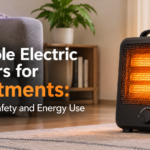
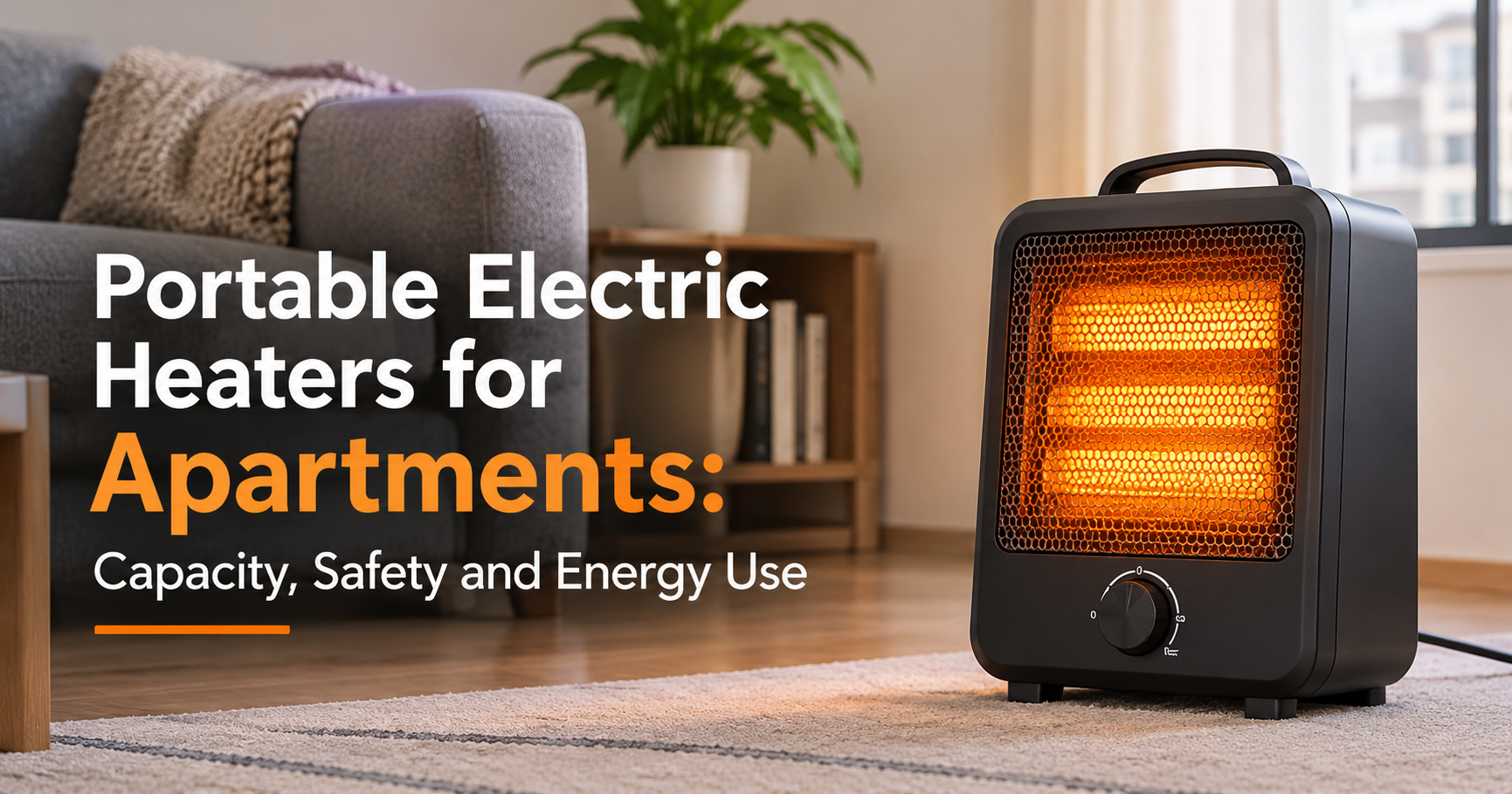
Apartment living comes with a familiar winter problem: the building’s heating is either too weak, too uneven, or completely out of your control. One room feels warm, the next feels like a refrigerator, and your energy bill keeps climbing. A portable electric heater for an apartment solves this by putting warmth exactly where you need it, when you need it, without installing anything or asking your landlord for permission.
But not every heater suits a small, shared-wall living space. Some are noisy, some are oversized, some are risky on a crowded circuit, and some simply waste electricity. This guide walks you through the types, the right size, the safety features that matter, and the real running cost, so you can buy once and buy right.
Why a Portable Electric Heater Makes Sense for Apartments
Compared with other heating options, a portable electric heater fits apartment life in several practical ways:
- No installation. Plug it in and it works. Nothing to drill, wire or modify, which keeps you on the right side of your lease.
- Zone heating. Warm only the room you are using instead of heating the entire unit.
- No combustion. Electric heaters produce no flame, exhaust or carbon monoxide, which makes them far more suitable for enclosed spaces than gas or kerosene models.
- Easy to move. Take it from the bedroom to the home office, or pack it when you move out.
- Affordable upfront. Most quality units cost a fraction of a central or mini-split system.
The trade-off is operating cost. Electric resistance heating converts almost all the power it draws into heat, which is efficient in that sense, but electricity is often pricier than other fuels. That is why choosing the right size and using the heater wisely matters so much.
The 4 Main Types of Portable Electric Heaters
1. Ceramic Fan Heaters
Ceramic heaters pass air over a heated ceramic element and push it out with a small fan. They warm up within seconds, are compact, and usually come with thermostats, timers and remote controls. They are the most popular choice for bedrooms, bathrooms and small offices. The downside is fan noise, which can bother light sleepers, and the fact that they warm the air rather than the room’s surfaces, so the heat fades quickly after you switch off.
2. Oil-Filled Radiator Heaters
These look like old-school radiators. An electric element heats sealed oil, which then warms the metal fins. They take a few minutes to get going, but they stay warm after the thermostat cycles off and run almost silently. That makes them excellent for overnight use in a bedroom and for rooms where you spend several hours. They are heavier and slower to heat, but their steady warmth is hard to beat.
3. Infrared (Radiant) Heaters
Infrared heaters warm objects and people directly instead of heating the air. You feel the warmth almost instantly, even in a draughty room. They work well as personal heaters beside a desk, sofa or reading chair. They are less suited to heating an entire room evenly, since the warmth only reaches what is in its line of sight.
4. Panel and Convection Heaters
Slim panel heaters often stand on feet or mount low on a wall. They warm the air gently through natural convection, run quietly, and keep surface temperatures lower than many other types. They suit small apartments where floor space is tight and a calm, even warmth is more important than speed.
How to Choose the Right Size and Wattage
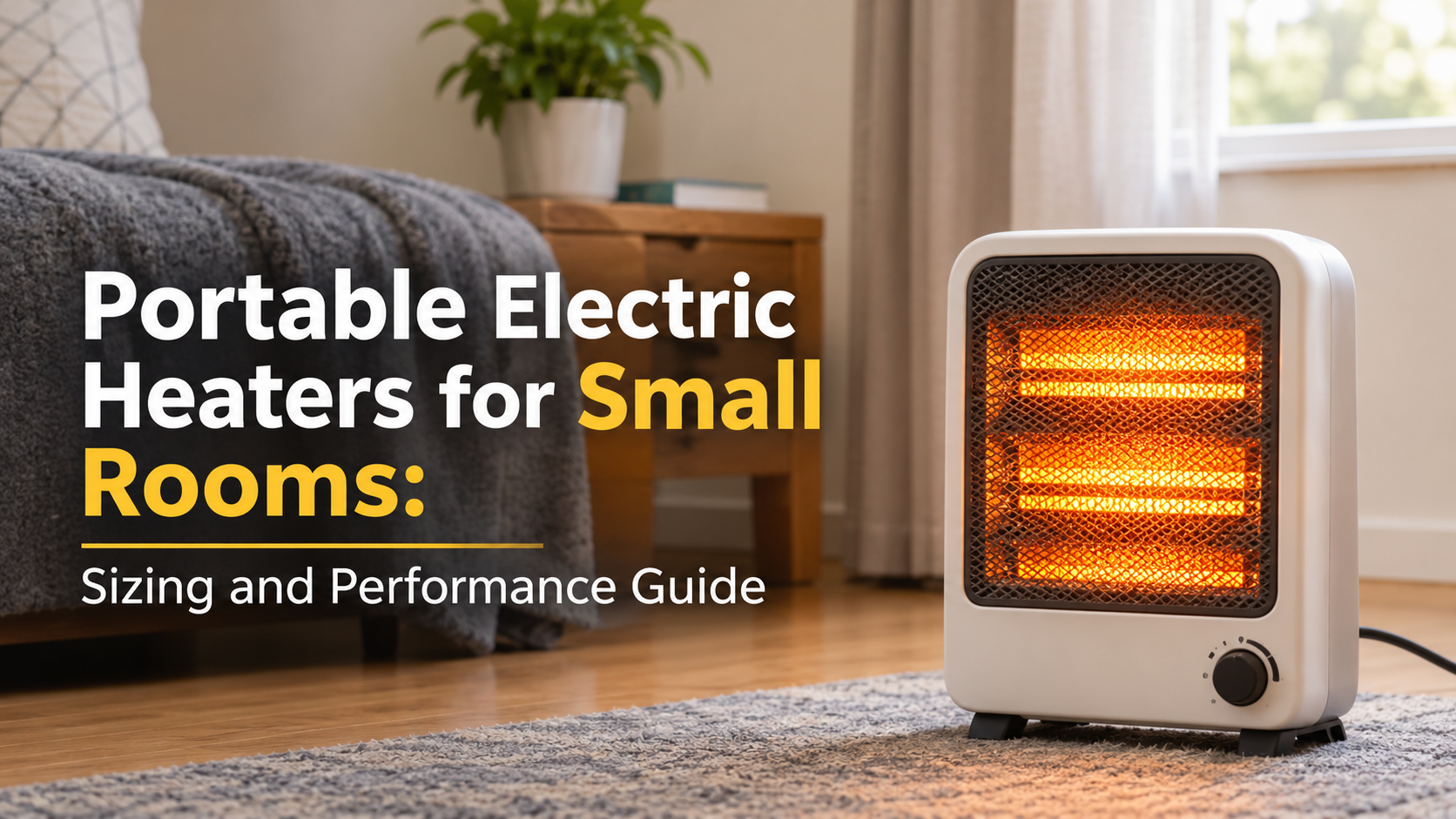
A heater that is too weak will run constantly and never get the room comfortable. One that is too powerful wastes energy and may trip your breaker. A simple starting point is about 10 watts per square foot of floor area, assuming standard ceiling height and reasonable insulation.
For reference, one watt equals about 3.41 BTU per hour. A 1500 W heater therefore produces roughly 5,100 BTU per hour. Add a little capacity if your room has large windows, a corner position, a high ceiling or poor insulation, and lower your expectations if the space opens onto a hallway or other rooms.
Key Features to Look For
- Adjustable thermostat. Lets the heater cycle on and off to hold a set temperature, saving electricity and preventing overheating.
- Multiple heat settings. A low and high setting gives you flexibility and prevents over-drawing power.
- Timer and programmable controls. Useful for pre-warming a room before you wake up or shutting off automatically.
- Low noise rating. Especially important in apartments with thin walls and for bedroom use.
- Compact and stable design. A wide base and carry handle make the heater safer and easier to store.
- Cool-touch housing. Valuable if you have kids or pets.
- Eco or energy-saving mode. Adjusts output to maintain temperature with less power.
- Remote control. A small convenience that makes a big difference when you are already under the blanket.
How Much Does It Cost to Run a Portable Heater?
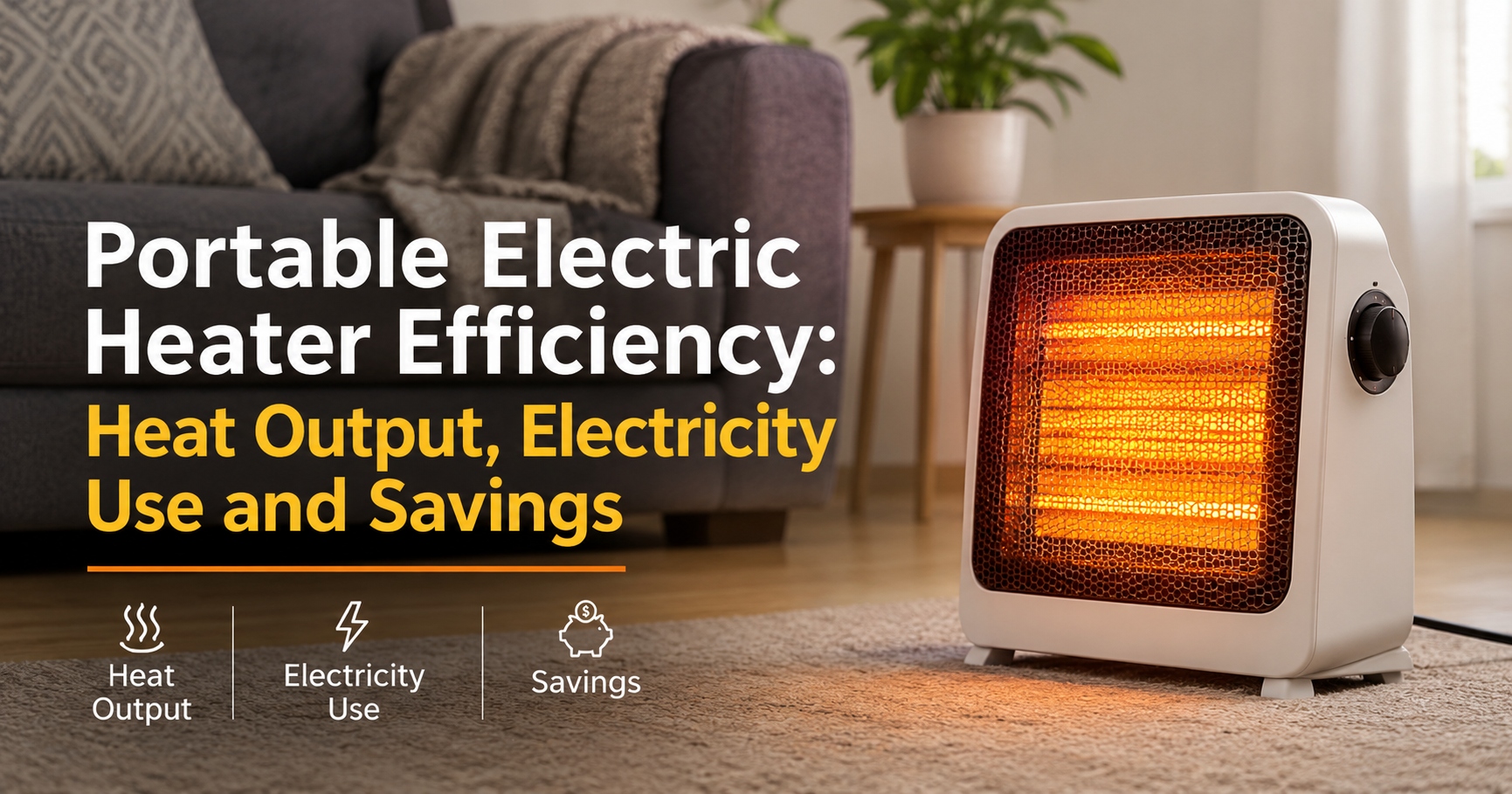
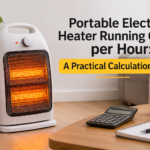
Running cost depends on wattage, hours of use and your local electricity rate. The formula is simple: kilowatts multiplied by hours multiplied by your rate per kWh. At an example rate of $0.16 per kWh, a 1500 W heater costs about $0.24 for each hour at full power.
That means running a 1500 W heater continuously for eight hours would cost around $1.92 per day at full output. In practice, a thermostat-controlled heater cycles on and off, so real-world costs are often noticeably lower. Check your own electricity bill for your exact rate and plug in the numbers.
Easy Ways to Lower Your Heating Bill
- Close the door of the room you are heating to keep warm air in.
- Block draughts around doors and windows with weatherstripping or a door snake.
- Use thick curtains at night and open them during sunny hours.
- Set the thermostat to a comfortable but not excessive temperature, such as 68–70 °F (20–21 °C).
- Heat the room you are in, not the whole apartment.
- Place a rug on bare floors to reduce heat loss.
Apartment Safety Essentials
Portable heaters are a leading cause of home heating fires when misused, so safety deserves real attention in a compact living space.
- Plug directly into a wall outlet. Avoid extension cords and power strips. High-wattage heaters can overheat them.
- Keep clear space. Maintain at least 3 feet (1 metre) between the heater and curtains, bedding, furniture, clothes and paper.
- Choose certified products. Look for recognised safety marks such as UL, ETL or CE on the product and packaging.
- Use a stable, flat surface. Never place a heater on a bed, sofa or rug that could tip or trap heat.
- Do not leave it unattended. Turn it off when you leave the apartment or fall asleep unless the model is specifically designed and rated for safe overnight use, and even then follow the manufacturer’s guidance.
- Test your smoke alarms. Make sure each is working before heating season starts.
- Check your lease. Some buildings restrict certain heater types, so confirm before you buy.
Quick Comparison Table
| Type | Heat-up Speed | Noise | Best For | Watch Out For |
|---|---|---|---|---|
| Ceramic fan | Very fast | Low to moderate | Small bedrooms, bathrooms, offices | Fan noise; heat fades quickly |
| Oil-filled | Slow | Silent | Bedrooms and long-use rooms | Heavy, slower to warm |
| Infrared | Instant | Silent | Personal spot heating at a desk or sofa | Does not warm whole rooms evenly |
| Panel / convection | Medium | Silent | Small apartments, tight floor space | Gentler output |
Which Heater Is Best for Your Situation?
- Studio apartment: An oil-filled or panel heater around 1500 W gives steady all-day warmth, with a ceramic unit as a fast boost in the morning.
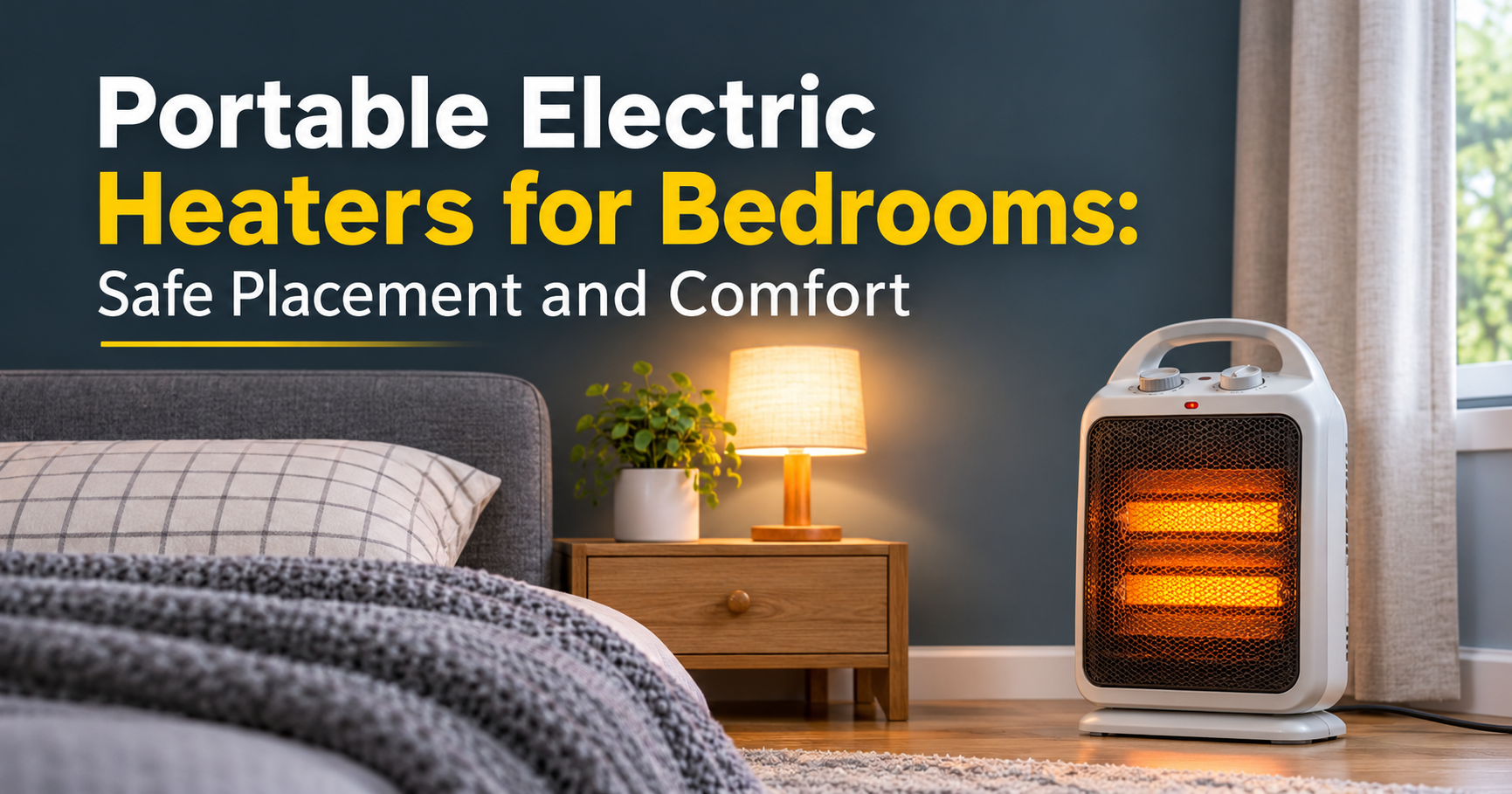
- Bedroom: Choose a quiet oil-filled or panel model with a thermostat and timer.
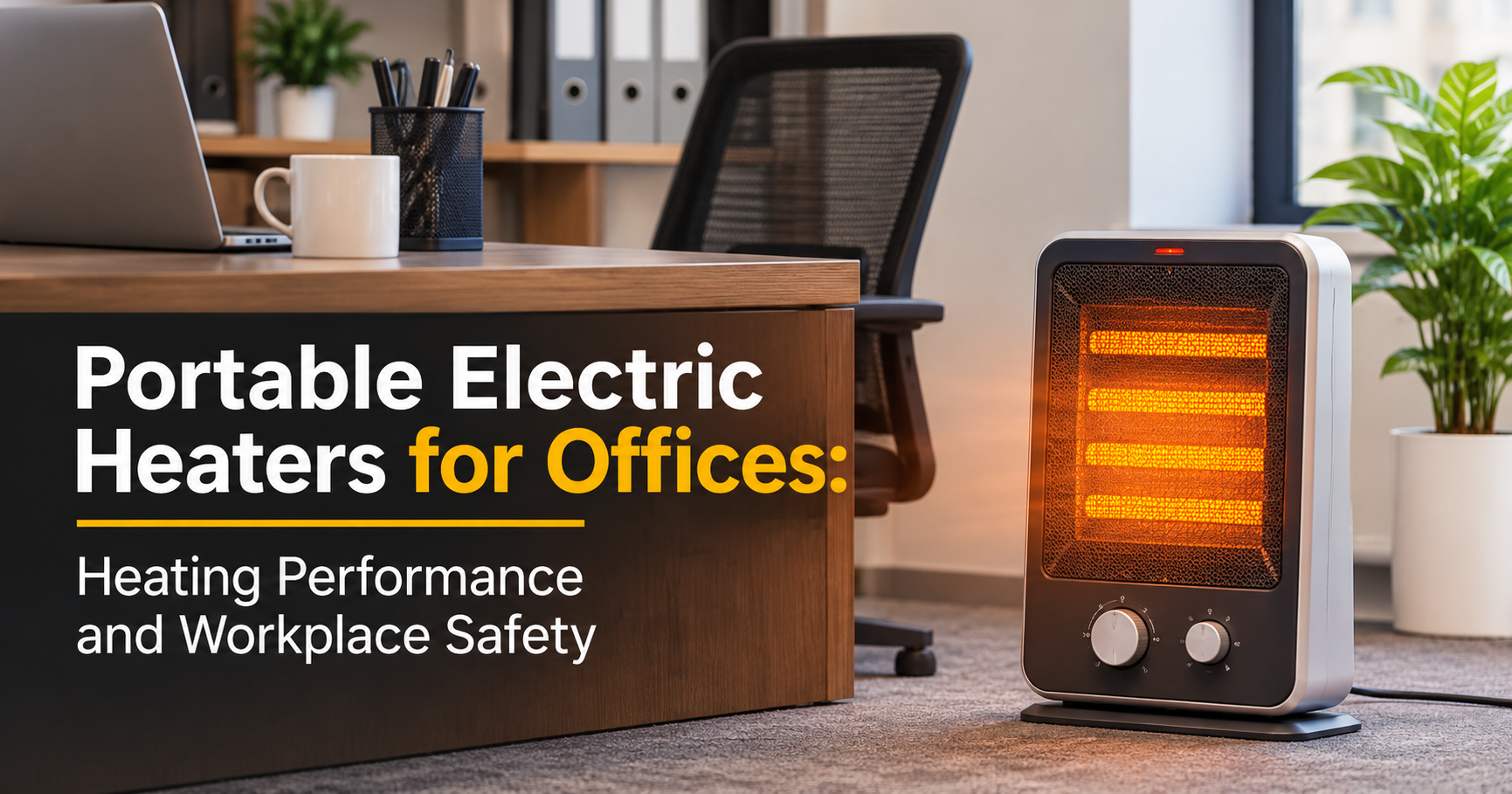
- Home office: An infrared or small ceramic heater keeps your feet and hands warm without heating the whole space.
- Bathroom: Use only a model with appropriate moisture protection and never place any heater where it can contact water.
- Renters on a budget: A compact ceramic heater with an adjustable thermostat is the lowest-cost way to get started.
Common Mistakes to Avoid
- Buying by price alone. Cheap models often lack tip-over or overheat protection.
- Ignoring room size. A heater that is too small never catches up and wastes energy.
- Using extension cords. This is one of the most common causes of heater-related electrical fires.
- Skipping the thermostat. Without one, the heater runs at full power constantly.
- Placing it behind furniture. Blocked airflow reduces performance and raises the fire risk.
- Heating a draughty room. Fix the leaks first, and every watt will work harder for you.
Frequently Asked Questions
What is the best type of portable electric heater for a small apartment?
For most small apartments, an oil-filled or panel heater offers the best balance of quiet operation and steady warmth. If you want fast heat in a small space, a ceramic heater is a strong, affordable alternative.
Are portable electric heaters safe in apartments?
Yes, when you choose a certified model with tip-over and overheat protection, plug it directly into the wall, keep flammable items away and never leave it unattended.
Do portable electric heaters use a lot of electricity?
A 1500 W heater uses 1.5 kWh for every hour at full power. Thermostat control and zone heating reduce the real cost, but they can still be expensive if used all day in a large space.
Can I leave a portable heater on overnight?
It is generally safer to turn heaters off while you sleep. If you must use one, pick a model designed for it, with automatic shut-off features, keep clear space around it and follow the manufacturer’s instructions closely.
How many watts do I need for a 200 square foot room?
Using the 10 watts per square foot guideline, you would need about 2,000 W. Because most portable heaters max out at 1,500 W, a better approach is to use one heater in the room’s main zone or choose a larger, better-insulated approach.
Is an oil-filled heater cheaper to run than a ceramic heater?
At the same wattage, both draw the same power. An oil-filled model can feel more economical because it holds heat after the thermostat shuts off, so it cycles less often.
Will a portable heater trip my breaker?
It can if the circuit is shared with other high-power devices such as a microwave, hair dryer or space heater. Use one heater per circuit and avoid running other heavy appliances at the same time.
Final Thoughts
The best portable electric heater for an apartment is the one that matches your room size, runs quietly, includes strong safety features and fits your daily routine. Start by measuring your room, choose the heater type that suits how you live, confirm the safety certifications, and use it with a thermostat and good habits. Do that, and you will stay warm all winter without surprising yourself when the electricity bill arrives.