
Portable Electric Heater for Small Rooms: The Complete Buying Guide

When the temperature drops, heating an entire house just to keep one bedroom, home office or nursery comfortable is expensive and wasteful. This is exactly where a portable electric heater for small rooms shines. It delivers warmth right where you need it, plugs into an ordinary outlet, and can be moved from room to room in seconds.
However, not every heater suits every space. Choose one that is too weak and the room never warms up. Choose one that is poorly built and you risk a safety hazard. This guide explains how portable heaters work, which types perform best in compact spaces, how much power you really need, what safety features matter, and how much it will cost to run.
Why Choose a Portable Electric Heater for a Small Room?
Small rooms such as bedrooms, home offices, bathrooms, dorm rooms and studio corners are ideal candidates for portable heating. The main advantages include:
- Targeted heating: You warm only the space you are using instead of the whole home.
- Low upfront cost: Portable heaters cost a fraction of installing a new heating system.
- No installation: Place it on the floor or a desk, plug it in, and you are ready.
- Portability: Most models are light enough to carry with one hand.
- Clean operation: Electric heaters produce no fumes or combustion by-products indoors.
- Fast comfort: Many models deliver noticeable warmth within minutes.
How Does a Portable Electric Heater Work?
Every electric heater converts electrical energy into heat through a heating element. Nearly 100% of the electricity consumed becomes heat, which makes electric heaters very efficient at the point of use. What differs from model to model is how that heat is delivered to you: by blowing hot air with a fan, by warming oil inside a radiator, by radiating infrared waves, or by letting warm air rise naturally through convection.
Types of Portable Electric Heaters

1. Ceramic Fan Heaters
Ceramic heaters pass electricity through ceramic plates, and a built-in fan pushes the warmed air into the room. They heat up very quickly, are compact and are usually the most affordable choice. They are excellent for bedrooms, bathrooms and offices where you want fast warmth. The fan creates a little noise, so light sleepers may prefer another option for overnight use.
Best for: quick heating, small bedrooms, bathrooms, home offices.
2. Oil-Filled Radiator Heaters
These look like traditional radiators. An element heats sealed diathermic oil, which then releases heat steadily through the metal fins. They take longer to warm up but stay warm after being switched off, and they run silently. This makes them a favourite for bedrooms and nurseries.
Best for: silent, steady, long-lasting warmth.
3. Infrared Radiant Heaters
Infrared heaters warm objects and people directly rather than heating the air. You feel the warmth almost immediately, even if the room itself is still cool. They work well under a desk or beside a reading chair but are less effective at raising the temperature of an entire room.
Best for: spot heating at a desk, workstation or seating area.
4. Convection Heaters
Convection heaters draw cool air across a heating element and let warm air rise naturally. They are quiet and provide gentle, even warmth. They take a little longer than fan models to make a difference, but they are a good all-round option for small living spaces.
Best for: quiet, even heating in compact rooms.
Quick Comparison Table
| Type | Heat-up Speed | Noise Level | Best Use |
|---|---|---|---|
| Ceramic Fan | Very fast | Low to medium | Quick warmth in bedrooms and bathrooms |
| Oil-Filled | Slow | Silent | Overnight and nursery use |
| Infrared | Instant (direct) | Silent | Desk or seating area |
| Convection | Medium | Very low | Steady heat in small living areas |
How Much Wattage Do You Need?
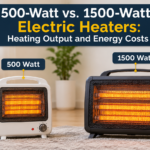
Wattage determines how much heat a unit can produce. A simple rule of thumb is 10 watts per square foot of floor area. Most portable heaters top out at 1,500 watts, which is the maximum that a standard household circuit in many countries is designed to supply safely to a plug-in appliance. That makes 1,500 W suitable for rooms up to roughly 150 square feet.

Keep in mind that insulation, ceiling height, window size and outdoor temperature all affect the result. A drafty room may need slightly more power, while a well-insulated one may be comfortable with less. If you are unsure, choose a heater with adjustable power settings so you can fine-tune output.
Key Features to Look For
Adjustable Thermostat
A thermostat lets the heater switch itself on and off to maintain your chosen temperature. This keeps the room comfortable and reduces electricity use because the heater is not running at full power all the time.
Multiple Heat Settings
Low, medium and high settings give you control. Use the high setting to warm the room quickly, then drop to a lower one to maintain the temperature.
Timer Function
A built-in timer turns the heater off automatically after a set period. It is especially useful in a bedroom, where you may fall asleep before the room has warmed up.
Remote Control
A remote lets you change settings without leaving your bed or chair. It is a small convenience that many people end up appreciating daily.
Oscillation
Oscillating models rotate from side to side to distribute warm air across a wider area, which is helpful in rooms that are slightly longer or wider than average.
Energy-Saving or Eco Mode
Eco modes automatically adjust power to hold a target temperature while consuming less electricity.
Size and Weight
In a small room, floor space is precious. Look for a slim, lightweight design with a sturdy carry handle so you can store it easily when summer arrives.
Safety Features You Should Never Ignore
Heaters are among the most common causes of home fires when misused, so safety should always come before price or style. Insist on the following:

- Tip-over protection: The heater should switch off automatically if it is knocked over.
- Overheat protection: An internal sensor shuts the unit down if temperatures become unsafe.
- Recognised safety certification: Look for marks such as UL, ETL, CE or the equivalent standard in your region.
- Cool-touch housing: This reduces the risk of burns for children and pets.
- A properly rated power cord and plug: A thick, well-made cord is a sign of quality construction.
Safe Usage Tips
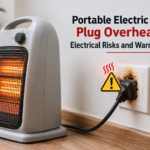
- Plug the heater directly into a wall outlet. Avoid extension cords and power strips, which can overheat under the heavy load.
- Keep at least three feet (about one metre) of clear space around the heater. Curtains, bedding, clothes, paper and furniture must stay well away.
- Always place it on a flat, stable, hard surface, never on a bed, sofa or thick carpet.
- Never leave a heater running while you sleep or when you leave the house, unless the manufacturer explicitly states it is designed for it and you have safety features in place.
- Do not use a heater in a wet area unless it is specifically rated for bathroom use.
- Inspect the cord and plug regularly. If they feel hot or look damaged, stop using the heater immediately.
- Test your smoke alarms and keep them working in any room where you use a heater.
How Much Does It Cost to Run a Portable Heater?
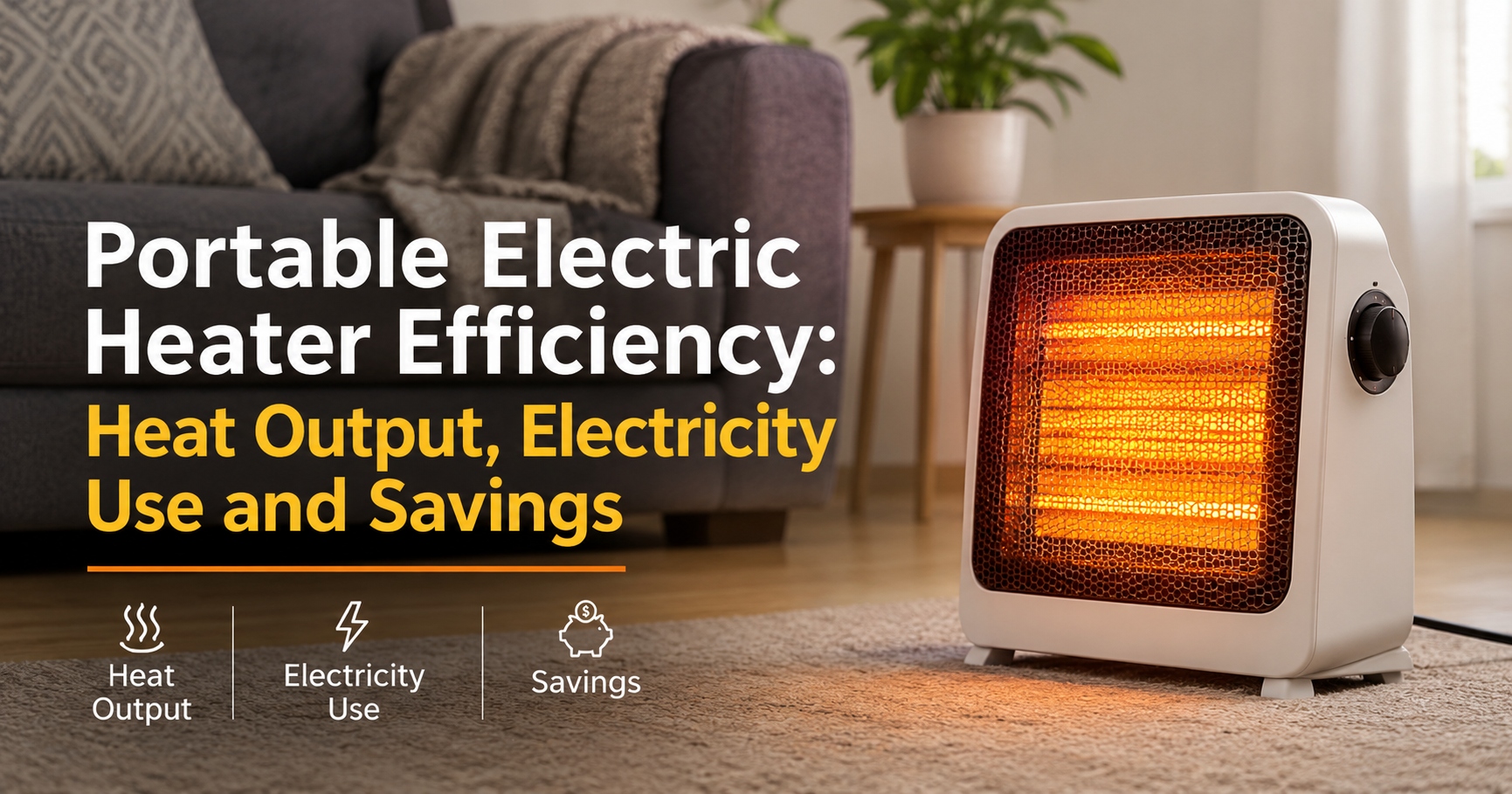
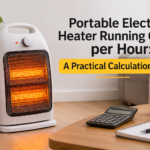
You can estimate running costs with a simple formula: kilowatts × hours used × price per kilowatt-hour. A 1,500 W heater uses 1.5 kWh for every hour at full power. If your electricity costs $0.15 per kWh, that is about $0.23 per hour at full power. Because a thermostat cycles the heater on and off, real-world cost is often lower.
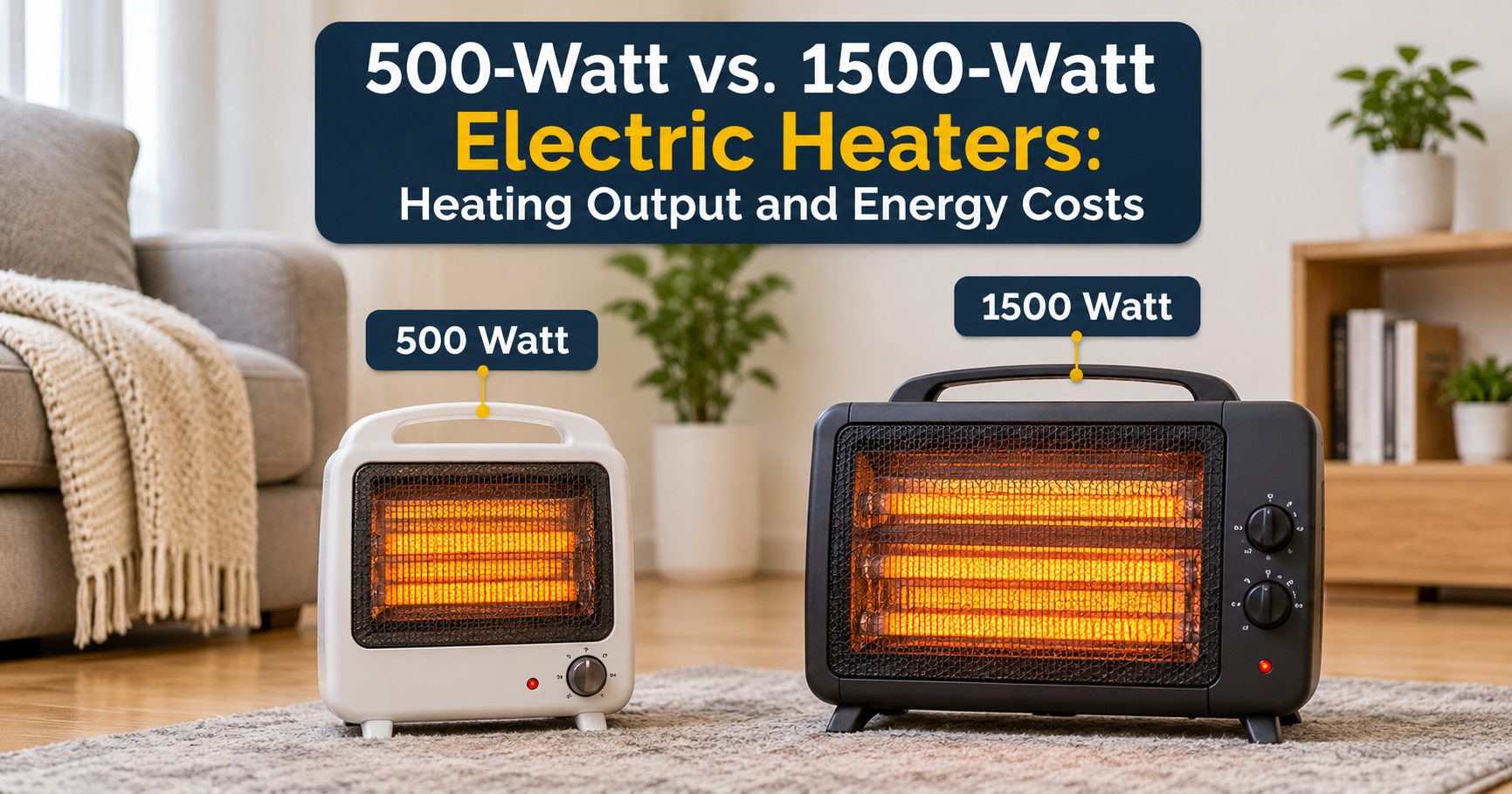
| Heater Power | Energy per Hour | Cost per Hour at $0.15/kWh |
|---|---|---|
| 500 W | 0.5 kWh | About $0.08 |
| 1,000 W | 1.0 kWh | About $0.15 |
| 1,500 W | 1.5 kWh | About $0.23 |
Replace the rate with your own local electricity price for an accurate figure.
Tips to Heat a Small Room More Efficiently
- Close the door and windows. A sealed room warms faster and holds heat longer.
- Block drafts. A door draft stopper or window insulation film can make a big difference.
- Use thick curtains. Heavy curtains reduce heat loss through glass.
- Add rugs. A rug on a cold floor makes the room feel warmer.
- Use the thermostat. Set a comfortable temperature rather than running on maximum all day.
- Position wisely. Place the heater away from furniture but where air can circulate freely.
- Layer up. Warm clothing lets you set a lower temperature and save energy.
Which Heater Is Best for Each Room?
Bedroom
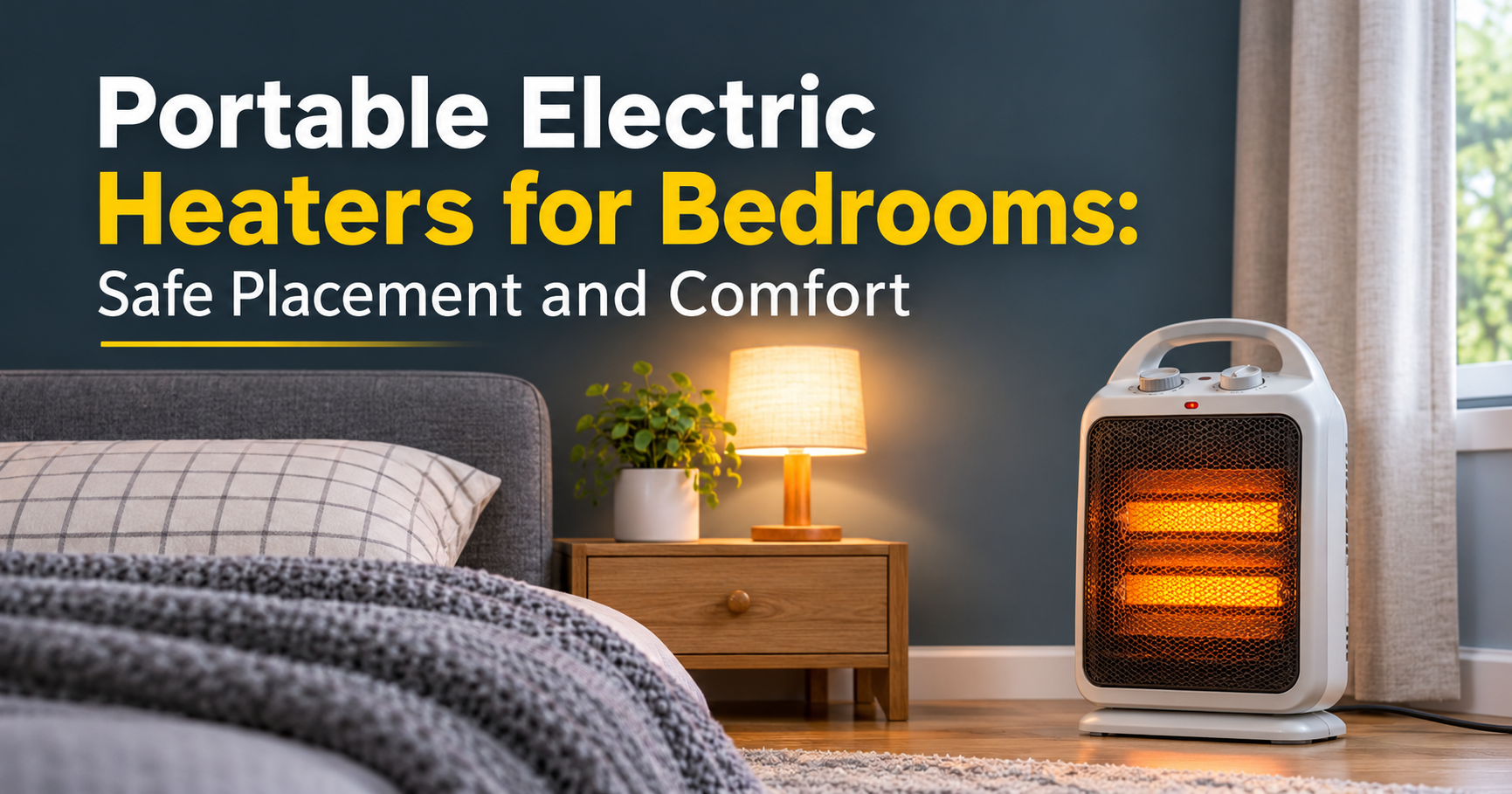
An oil-filled radiator or a quiet convection heater with a timer and thermostat is the best match. Silence and steady warmth help you sleep comfortably.
Home Office
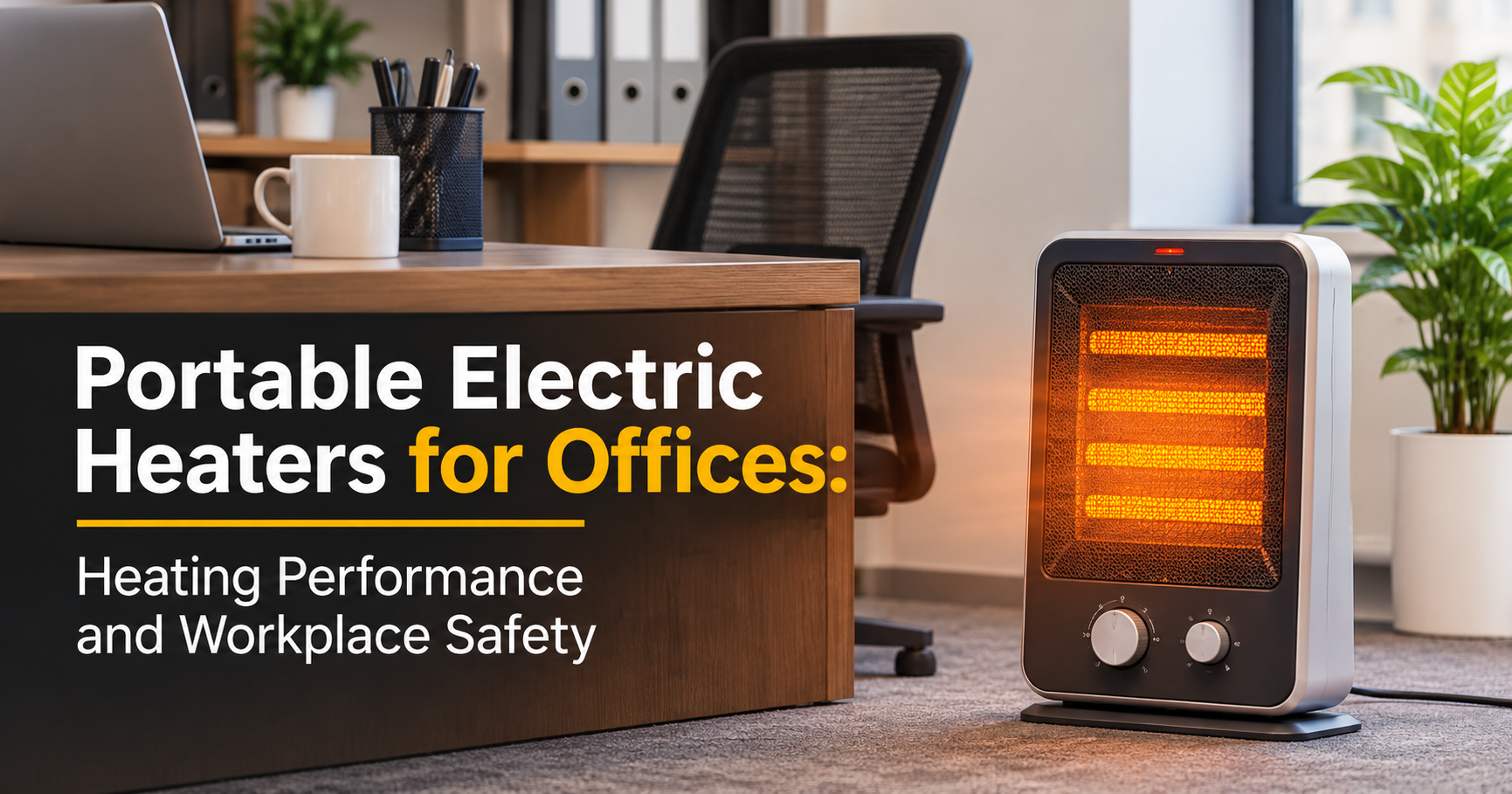
A ceramic fan heater warms the room quickly, while a small infrared heater under the desk keeps your feet warm without heating the whole space.
Bathroom
Choose only a model clearly rated for bathroom use, and keep it well away from water. A compact ceramic heater is a common option.
Nursery or Kids’ Room
Prioritise cool-touch housing, tip-over protection and a silent operation. Keep the heater out of reach of curious hands.
Dorm or Studio Apartment
A compact oscillating ceramic or convection heater offers flexibility for a multi-purpose room.
Maintenance and Care
- Unplug the heater and let it cool before cleaning.
- Remove dust from vents and grilles with a soft brush or a vacuum with a brush attachment, since dust build-up reduces performance and can create a burning smell.
- Wipe the exterior with a slightly damp cloth, and never let water enter the unit.
- Store it in a dry place with the cord loosely wrapped when not in use during warmer months.
Common Mistakes to Avoid
- Buying a heater that is too powerful or too weak for the room size.
- Using extension cords or multi-plug adapters.
- Placing the heater too close to bedding, curtains or furniture.
- Ignoring safety certification in favour of a lower price.
- Running the heater continuously at maximum power.
- Skipping regular cleaning and cord inspection.
Frequently Asked Questions
What size heater do I need for a small room?
For most small rooms between 50 and 150 square feet, a heater between 500 W and 1,500 W is sufficient. Multiply your floor area by 10 to estimate the wattage needed.
Which type of portable heater is best for a small bedroom?
Oil-filled radiators and convection heaters are popular because they run quietly and provide steady warmth. Ceramic heaters with a quiet mode and timer are also a good option.
Are portable electric heaters expensive to run?
A 1,500 W heater costs roughly 20 to 25 cents per hour at full power at typical electricity prices, though a thermostat reduces actual consumption. Heating only the room you use is usually cheaper than heating the entire home.
Is it safe to leave a portable heater on overnight?
Safety experts generally advise against leaving any portable heater running unattended or while you sleep. If you must use one overnight, choose a model with tip-over and overheat protection and a timer, keep all items well clear, and follow the manufacturer’s instructions.
Can I plug a portable heater into an extension cord?
It is best to plug it straight into a wall outlet. Heaters draw a lot of current, and ordinary extension cords or power strips can overheat.
Do ceramic heaters use less electricity than other heaters?
Not necessarily. Electric heaters convert almost all the power they consume into heat, so a 1,500 W ceramic heater uses the same energy as a 1,500 W oil-filled heater. The difference is in how quickly and comfortably the heat reaches you.
How long does it take to heat a small room?
Ceramic fan heaters can make a room noticeably warmer in a few minutes, while oil-filled radiators may need 20 to 30 minutes to reach full effect but keep the room warm for longer.
Can I use a portable heater in a bathroom?
Only if the heater is specifically designed and rated for bathroom use. Keep it far away from sinks, tubs and showers, and never touch it with wet hands.
Final Thoughts
A portable electric heater for small rooms is one of the simplest and most cost-effective ways to stay warm through the cold months. Start by matching the wattage to your room size, then choose the type that fits how you will use it: ceramic for speed, oil-filled for silent all-night comfort, infrared for spot heating, or convection for gentle, even warmth. Make sure it has tip-over and overheat protection and a recognised safety certification, use it sensibly, and keep the area around it clear.
With the right heater and smart usage habits, even the coldest corner of your home can become a cosy, comfortable space.