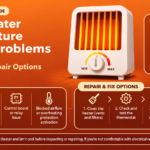
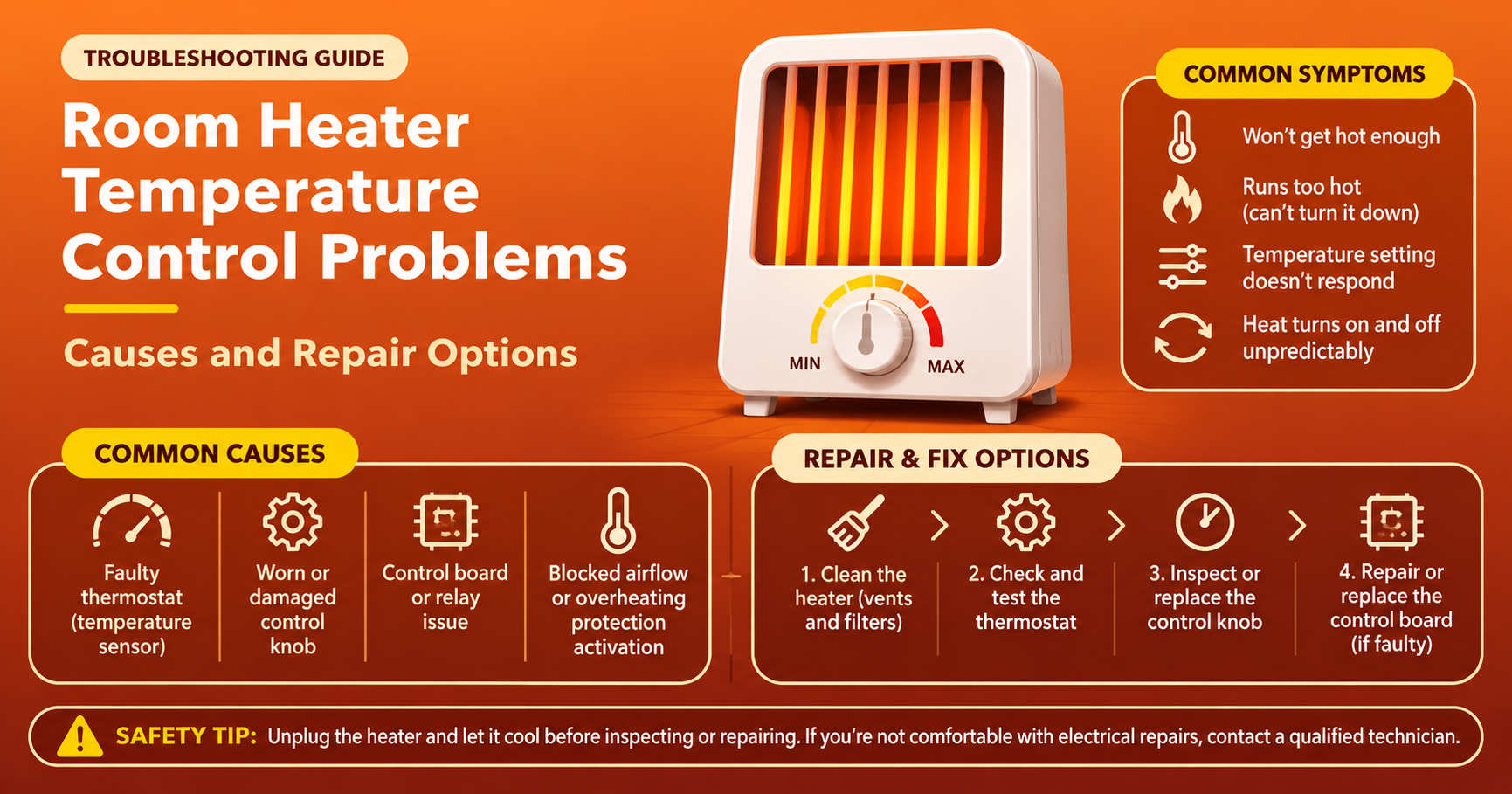
Room Heater Temperature Control Problems: Causes and Repair Options
A room heater should do one simple job: warm the space to the temperature you choose and then hold it there. When the temperature control stops working properly, that simple job turns into a frustrating, expensive and sometimes unsafe problem. Maybe your heater blasts out heat until the room feels like a sauna. Maybe it shuts off after a few minutes and leaves you shivering. Or maybe the dial no longer seems to do anything at all.
The good news is that most temperature control problems have a limited number of causes, and many of them are easy to find and fix at home. In this guide you will learn how a room heater regulates temperature, the most common reasons the control fails, a step-by-step troubleshooting routine, your repair and replacement options, and how to choose a heater with dependable temperature control next time.
How a Room Heater Controls Temperature
Before you can fix a problem, it helps to understand what the heater is trying to do. Every room heater, whether it is a fan heater, oil-filled radiator, ceramic heater, convector or infrared panel, uses a basic feedback loop:
- A sensor measures the temperature of the air around it.
- A thermostat or control board compares that reading with the temperature you set.
- If the room is colder than the setting, the control switches the heating element on. If the room has reached the setting, it switches the element off.
- A separate safety cut-out shuts everything down if the heater itself gets dangerously hot.
Common Types of Thermostats in Room Heaters
- Mechanical (bimetal) thermostats: Found in many budget heaters. A strip made of two metals bends as it heats up and opens or closes an electrical contact. They are simple and cheap but less precise.
- Capillary or liquid-filled thermostats: Common in oil-filled radiators. A small tube of liquid expands with heat and moves a switch.
- Electronic or digital thermostats: Use a thermistor (a temperature-sensitive resistor) and a control board with a display. They are more accurate and allow timers and programs, but they have more components that can fail.
Signs Your Room Heater Has a Temperature Control Problem
Temperature control faults show up in a handful of recognizable ways. Check whether any of these match what you are seeing:
- The heater runs constantly and never switches off, even on the lowest setting.
- The heater switches off too early and the room never reaches the set temperature.
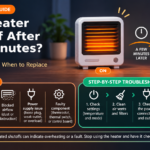
- The heater turns on and off every few seconds or minutes (rapid cycling).
- The room is much hotter or colder than the temperature shown on the display.
- The dial or buttons feel loose, stuck or unresponsive.
- The digital display shows an error code, flickers or is blank while the heater still works.
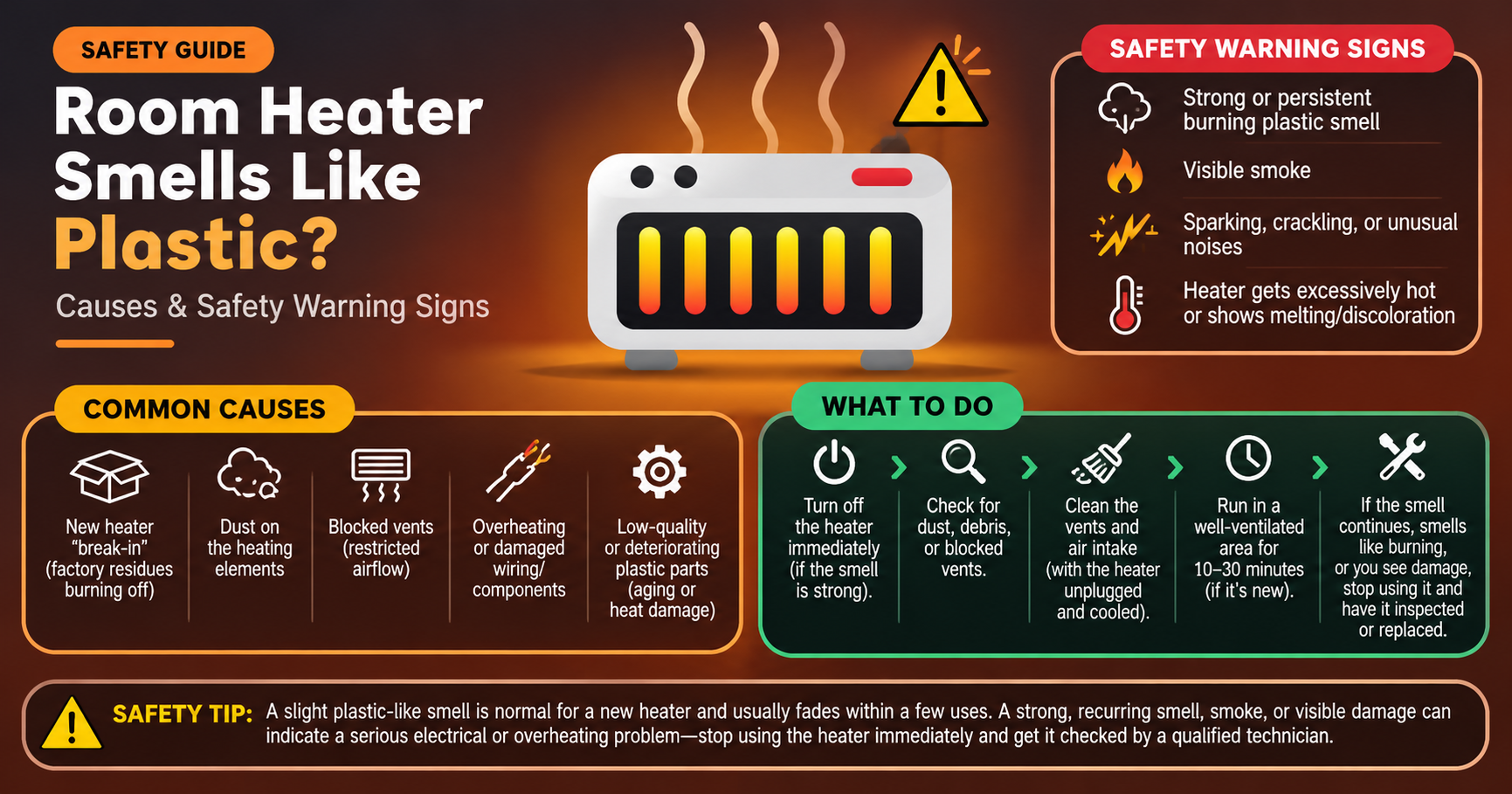
- There is a burning or hot-plastic smell, or the casing becomes too hot to touch.
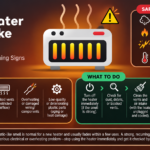
Important: if you notice a burning smell, sparks, melted plastic or a damaged power cord, unplug the heater immediately and stop using it until it has been inspected.
Main Causes of Room Heater Temperature Control Problems
1. A Faulty or Worn-Out Thermostat
The thermostat is the most frequent culprit. Over years of use, the contacts inside a mechanical thermostat can become pitted, burnt or welded together. A welded contact can leave the heater stuck in the ON position, while a worn contact may refuse to close, so the heater never warms up. The bimetal strip can also lose its calibration, which means the heater switches at the wrong temperature.
2. A Failed Temperature Sensor or Thermistor
Digital heaters rely on a small sensor to read the room temperature. If the sensor drifts out of range or fails completely, the control board receives wrong information. The heater might think the room is freezing and run non-stop, or think it is already hot and shut off almost immediately.
3. Dust, Lint and Pet Hair Build-Up
Dust is the silent enemy of every heater. When lint and pet hair coat the sensor, the air intake or the internal fan, the heater cannot measure or move air correctly. A dust-covered sensor reads inaccurately, and a clogged air path causes heat to build up inside the unit, which can trip the overheat safety switch and make the heater shut off unexpectedly.
4. Blocked Airflow
Heaters need space to breathe. Curtains, furniture, laundry or a blanket in front of the outlet traps hot air near the unit. The internal sensor then reads a higher temperature than the actual room, and the heater cycles off too soon. Blocked airflow is also one of the main reasons heaters overheat.
5. Poor Heater Placement
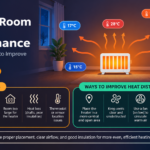
Where you put the heater matters more than most people realize. Placing it right beside a window or door means cold drafts hit the sensor and keep the heater running. Placing it in a small alcove, under a shelf or next to a wall can have the opposite effect, because trapped heat makes it shut off early. The heater should sit on a flat, hard surface with open space around it.
6. Faulty Control Board or Relay
On modern heaters, a control board decides when to switch the heating element on and off using a relay or an electronic switch. A relay that sticks closed will keep the element powered all the time, while a damaged board can cause random behavior such as flickering displays, ignored settings or erratic cycling. Power surges, moisture and age are common causes of board failure.
7. Worn Knobs, Switches and Selector Mechanisms
Sometimes the thermostat itself is perfectly healthy, but the knob has slipped on its shaft, or the selector switch has worn out. In that case, the dial position no longer matches the actual setting. A knob that spins freely or feels different than before is a clear clue.
8. Overheat Protection Tripping
Most heaters include a thermal fuse or a tip-over switch. If the unit gets too hot, falls over or is placed on an uneven surface, the safety device cuts the power. Some are self-resetting and some are one-time fuses. A heater that keeps shutting down may not have a thermostat problem at all; it may be protecting itself from an airflow or heat problem.
9. Unstable Power Supply or Faulty Extension Cord
Low voltage, a loose plug or a worn socket can make the heater behave strangely, particularly electronic models. Heaters draw a lot of current, so plugging them into a long or thin extension cord or an overloaded power strip is both a performance and a fire risk. Always connect a heater directly to a wall outlet that is in good condition.
10. The Heater Is the Wrong Size for the Room
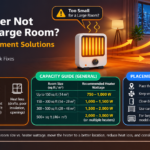
An oversized heater in a small room reaches the target temperature almost instantly and switches off, then restarts shortly afterward. This can look like rapid cycling even though nothing is broken. An undersized heater in a large room will run constantly without ever reaching the target. As a rough guide, a room needs around 10 watts of heating power per square foot, though insulation, ceiling height and climate all change this figure.
Step-by-Step Troubleshooting Guide
Safety first: always unplug the heater and let it cool completely before touching anything. Never open the casing of a plugged-in heater.
Step 1: Check the Power Source
Plug the heater directly into a different wall outlet. Remove any extension cord or power strip. Inspect the plug and cord for discoloration, cracks, bent pins or a warm feel after use. A damaged cord means the heater should not be used until the cord is replaced by a qualified person.
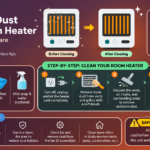
Step 2: Clear and Clean the Airflow Paths
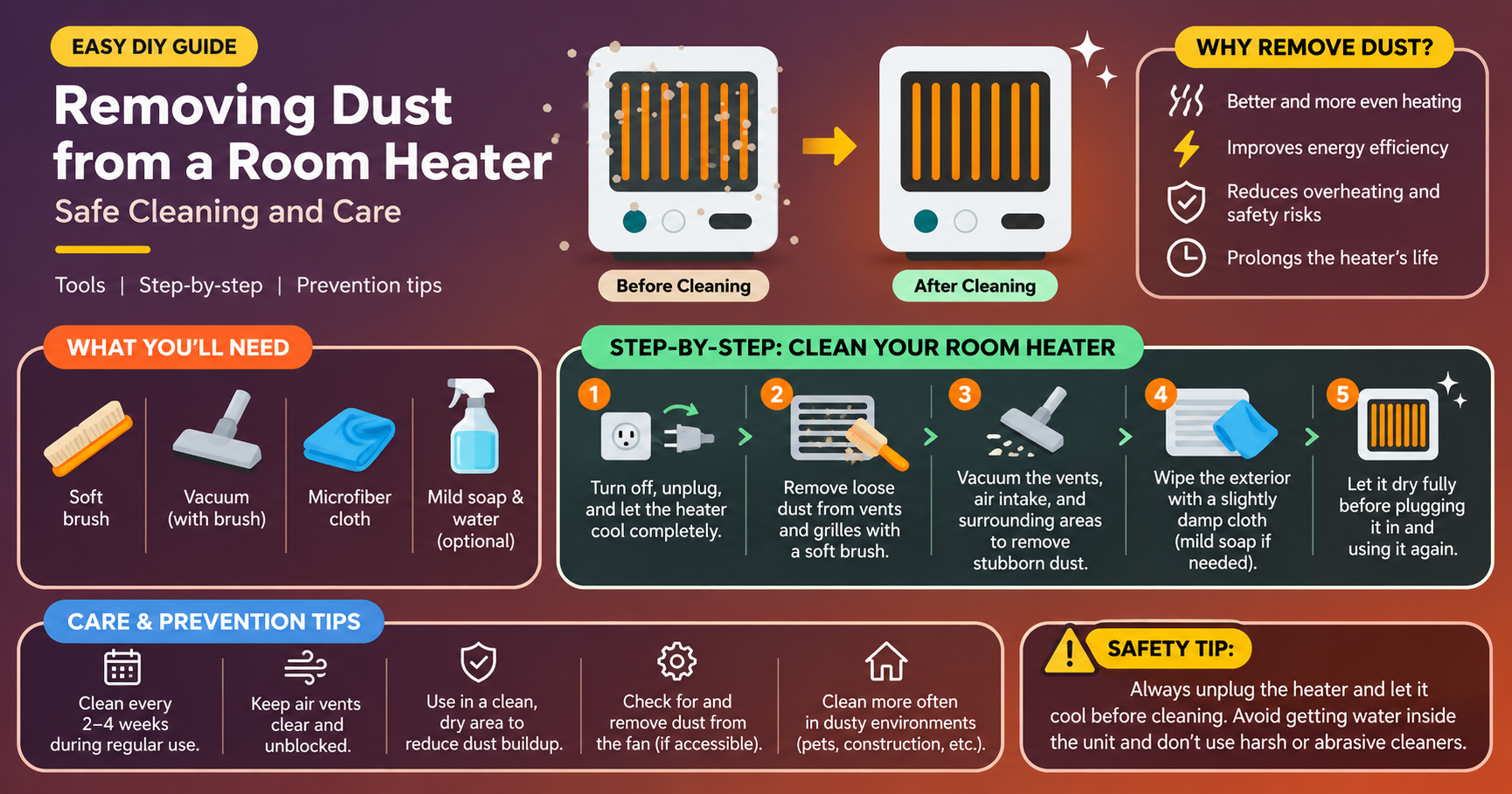
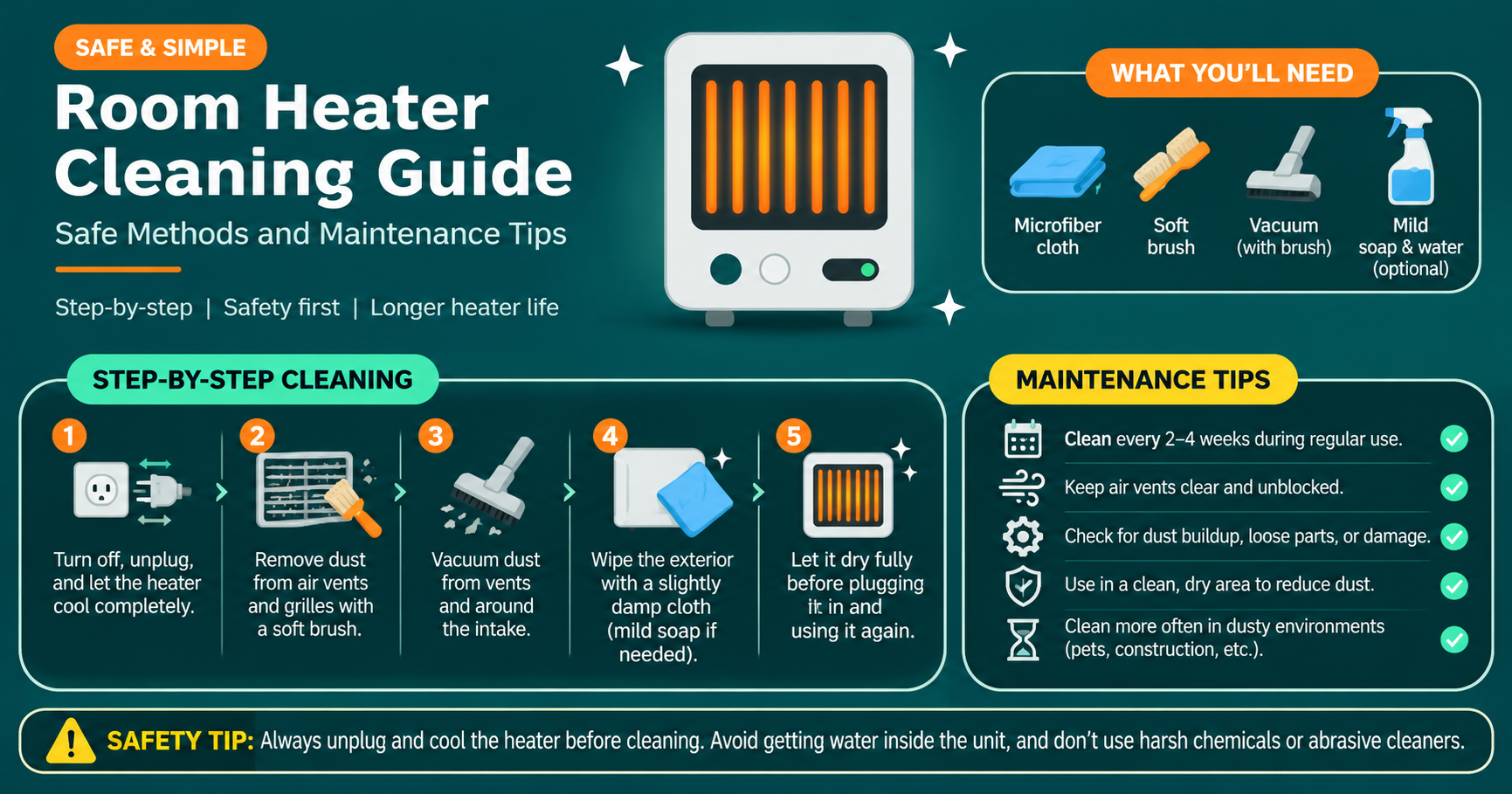
With the heater unplugged, use a soft brush and a vacuum cleaner with a brush attachment to remove dust from the air inlet, grille and outlet. Wipe the outside with a dry or barely damp cloth. Keep water away from any internal part. Check that nothing is sitting within a safe distance of the heater, and keep curtains, furniture and bedding at least three feet (about one meter) away.
Step 3: Check the Placement and the Surface
Make sure the heater stands upright on a flat, level, hard surface. Move it away from direct drafts, windows, doors and corners. If you are using a tower or fan heater, confirm the tip-over switch is not being triggered by a carpet edge or an uneven floor.
Step 4: Test the Settings and Controls
Turn the dial slowly from low to high and listen for a soft click as the thermostat engages. No click at any point can suggest a failed thermostat. On a digital model, try resetting by unplugging the heater for ten minutes, plugging it back in and entering the settings again. A reset can clear a frozen control board.
Step 5: Compare the Heater’s Reading With a Separate Thermometer
Place a simple room thermometer a few feet from the heater at seating height. Run the heater for 30 to 45 minutes and note how the room temperature changes compared with the heater’s setting. If the room becomes far hotter than the setting or never gets close to it, the thermostat or sensor is likely out of calibration.
Step 6: Listen, Smell and Observe
A buzzing or chattering noise often points to a failing relay. A burnt-plastic smell, discoloration around the vents or visible scorch marks are warning signs that should end the troubleshooting. Unplug the unit and move to repair or replacement.
Repair Options: DIY, Professional Repair or Replacement
What You Can Safely Do Yourself
- Cleaning dust from vents, grilles and external sensor openings.
- Repositioning the heater and improving airflow around it.
- Replacing a loose or damaged knob that is a simple push-fit part.
- Resetting a digital controller and checking the settings.
- Replacing a plug-in power cord only if the manufacturer designs the heater for it.
What Should Be Left to a Qualified Technician
- Replacing a thermostat, thermal fuse or thermal cut-out.
- Repairing or replacing a control board or relay.
- Any work on the heating element or internal wiring.
- Any heater that has shown burn marks, melted parts or sparks.
Heaters work with high current and high temperature. A repair done incorrectly, such as bypassing a safety switch or fitting the wrong rated part, can create a serious fire or shock hazard. If a repair is outside your skill level, do not attempt it.
Repair or Replace? How to Decide
A good rule of thumb is to compare the repair cost with the price of a new heater of similar quality. In general:
- Repair if the heater is fairly new, is a higher-quality model, and the fault is a single replaceable part such as a thermostat.
- Replace if the heater is more than eight to ten years old, the repair cost approaches half the price of a new unit, replacement parts are not available, or the heater has shown signs of overheating or electrical damage.
With budget heaters, replacement is often the more sensible option, because a new model with better safety features and more accurate controls can cost little more than a repair.
How to Prevent Temperature Control Problems
- Clean regularly. Dust the vents and grille every few weeks during heavy use, and do a deeper clean before and after the heating season.
- Store it properly. In summer, keep the heater in a dry, covered place away from dust and moisture.
- Use a wall outlet. Avoid extension cords and shared power strips.
- Choose the right size. Match the heater’s wattage to the room size and insulation.
- Do not cover the heater. Never dry clothes on it or block the airflow.
- Inspect often. Check the cord, plug and casing for damage at the start of each season.
- Do not ignore small signs. New noises, odd smells and rattling knobs usually appear before a failure.
What to Look for in a Heater With Reliable Temperature Control
If you are thinking about replacing your heater, the control system is one of the most important features to compare. These are the features worth looking for:
- An adjustable thermostat. A heater with a true thermostat will hold a set temperature, while a basic model with only high and low heat settings will not.
- A digital display and accurate sensor. Digital controls generally keep temperatures within a smaller range than a basic dial.
- Overheat protection. A thermal cut-out switches the heater off if it gets too hot.
- Tip-over protection. The heater switches off automatically when knocked over.
- A timer or programmable schedule. This prevents the heater running when nobody needs it and helps cut energy bills.
- Eco or energy-saving mode. The heater adjusts power use to maintain the temperature efficiently.
- Remote control. Lets you adjust the temperature without leaving your seat.
- Recognized safety certification. Look for a mark from a recognized testing body on the product and packaging.
- Suitable heater type. Oil-filled radiators hold steady heat and suit longer use. Fan and ceramic heaters warm a space quickly. Infrared panels heat objects and people directly, which suits spot heating.
- Warranty and spare parts. A longer warranty is a good sign that the manufacturer trusts its product.
Frequently Asked Questions
Why does my room heater keep turning on and off?
Rapid cycling usually comes from an oversized heater, a dusty or blocked sensor, poor placement near a draft, or a failing thermostat or relay. Clean the unit, clear the airflow and reposition the heater first. If it continues, the thermostat probably needs service.
Why is my heater not reaching the temperature I set?
The heater may be too small for the room, the room may be losing heat through drafts or poor insulation, or the thermostat could be out of calibration. A room thermometer will help you check the real temperature.
Why does my heater never turn off?
A heater that runs constantly often has welded thermostat contacts, a stuck relay or a faulty sensor. Unplug it and have it checked, because continuous operation is a safety risk.
Can I replace the thermostat in a room heater myself?
Only if you are trained for electrical work and use the exact replacement part for the model. Otherwise, use a qualified technician. Thermostats are a safety-related component.
Is it safe to leave a room heater on all night?
It is safest to avoid it. If you must, use a modern heater with a working thermostat, overheat protection and tip-over protection, keep the area clear, and never leave it running near bedding or curtains.
How long does a room heater last?
Many quality heaters last eight to ten years or longer with good care. Heavy use, dust and poor power conditions shorten that lifespan.
How do I know if my heater’s thermostat is accurate?
Place a separate thermometer in the room, run the heater for a while, and compare the readings with the setting. A difference of more than a few degrees suggests the heater needs calibration, repair or replacement.
Final Thoughts
Room heater temperature control problems are rarely mysterious. Most come down to a dirty sensor, blocked airflow, a poor location, a worn thermostat or a failing control board. Start with the simple checks: clean the unit, clear the space around it, plug it directly into a wall outlet and test it with a separate thermometer. Those steps solve a surprising number of cases for free.
When the fault lies inside the heater, weigh the age of the unit, the cost of the repair and the safety risks before deciding. A professional repair makes sense for a good-quality heater with a single faulty part, while an older or damaged heater is better replaced with a model that has accurate controls and proper safety protection. Whatever you decide, never bypass a safety device, and always unplug the heater at the first sign of burning smells, sparks or damage. A warm room is only worth having when it is also a safe one.