
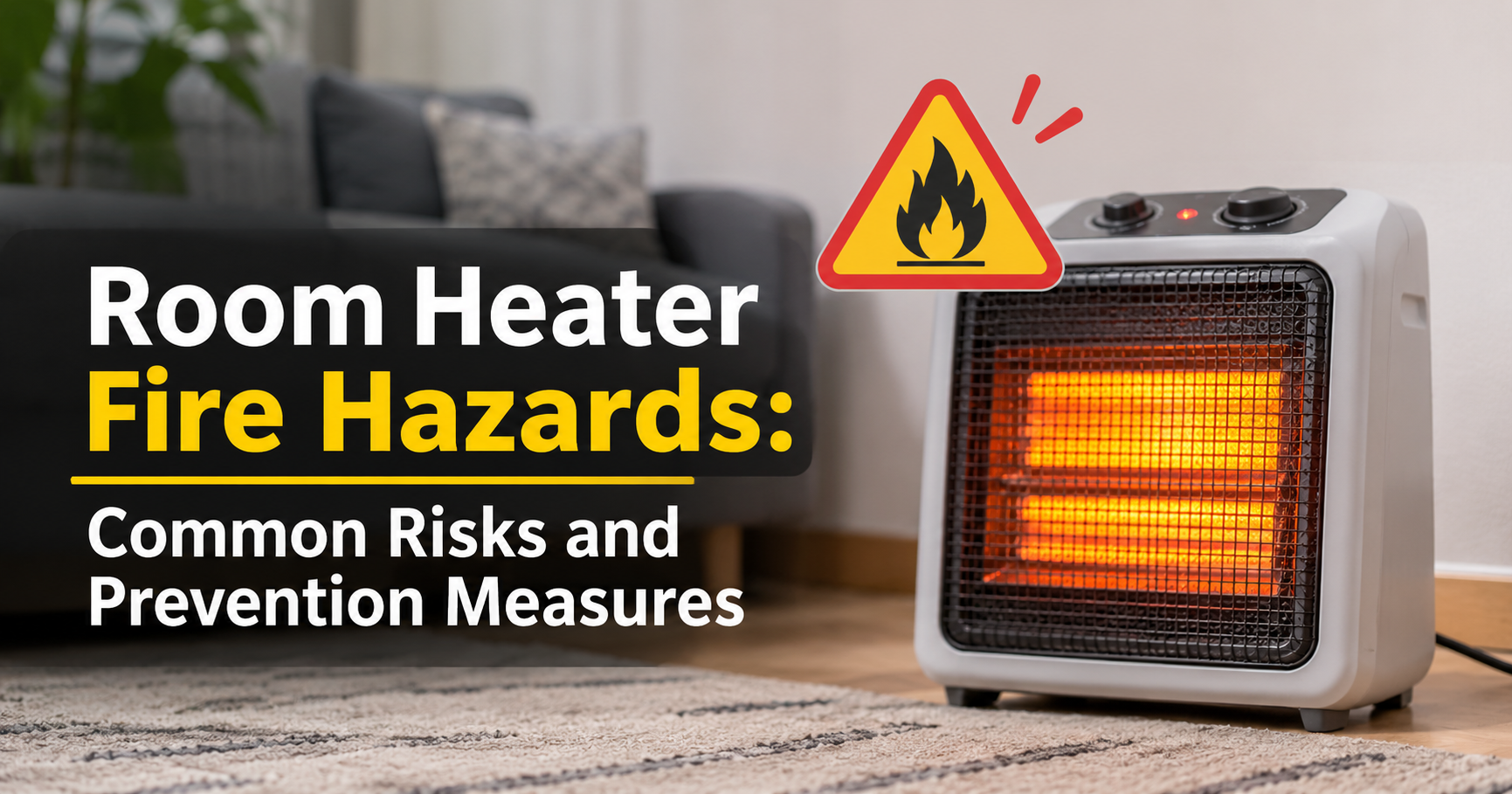

Room Heater Fire Hazards: Causes, Warning Signs and How to Prevent Them
When the temperature drops, a room heater feels like the simplest solution in the world. You plug it in, switch it on, and the chill disappears within minutes. But that same convenience hides a serious risk. Heating equipment is consistently one of the leading causes of home fires, and portable room heaters are responsible for a disproportionate share of both the fires and the deaths linked to heating.
The good news is that almost every room heater fire is preventable. Most of them start with a small, ordinary mistake: a heater placed too close to a curtain, an extension cord that was never meant to carry that much power, or a heater left running while everyone fell asleep. In this guide you will learn exactly why room heaters start fires, how to spot the warning signs early, what to look for when buying a safer heater, and what to do if something goes wrong.
Table of Contents
- Why room heaters are a fire risk
- The most common causes of room heater fires
- The 3-foot safe zone rule
- Extension cords, power strips and overloaded circuits
- Warning signs you should never ignore
- Safety features to look for in a heater
- Do’s and don’ts of safe heater use
- Special risks: children, pets, bedrooms and bathrooms
- Fuel-burning heaters, carbon monoxide and ventilation
- How to maintain and store your heater
- What to do if a room heater catches fire
- Frequently asked questions
- Final thoughts
Why Room Heaters Are a Fire Risk
A room heater is designed to do one thing: turn electricity (or fuel) into a large amount of heat in a small space. An electric heater typically draws between 1,000 and 2,000 watts, which is far more than a lamp, a phone charger or a television. That power flows through a heating element that can glow red-hot, through a cord and plug, and through the wiring in your wall. If any part of that chain is damaged, overloaded or blocked, heat builds up where it should not.
Fire safety authorities have long reported that space heaters are involved in roughly four out of every ten home heating fires and in the large majority of heating-related fire deaths. Most of those incidents involve a heater that was too close to something flammable, a heater that was left unattended, or an electrical fault caused by misuse.
It is also important to understand that a heater does not need to touch a flammable item to ignite it. Radiant heat alone can slowly dry out and ignite fabric, paper, wood and foam when they sit close to the heating element for long periods.
The Most Common Causes of Room Heater Fires

1. Placing the heater too close to combustible materials
This is the single most common cause. Curtains, bedding, sofas, clothes, cardboard boxes, newspapers and even wooden furniture can ignite when they are placed near a heater. Many fires begin when a curtain sways into the heating element, when a blanket slips off a bed, or when someone drapes wet clothes over the heater to dry them quickly.
2. Using extension cords and power strips
Room heaters draw a heavy, continuous current. Ordinary extension cords and multi-plug strips are usually built for lighter loads. When a thin cord carries a heater’s current, it heats up, the insulation softens and melts, and a short circuit or fire can follow. Plugging a heater into a strip that also powers other devices makes the overload even worse.
3. Damaged cords, plugs and sockets
A cord that has been bent, crushed under furniture, chewed by a pet or stretched over the years develops hidden breaks in the wire. A loose plug in a worn wall socket creates resistance, and resistance produces heat. This is why a plug that feels hot is such an important warning sign.
4. Leaving the heater on while unattended or asleep
A heater that runs for hours with nobody watching gives a small problem time to become a big one. Falling asleep with a heater on is especially dangerous because you will not notice the smell of overheating plastic or the first signs of smoke until the situation has become serious.
5. Dust and lint buildup
Heaters that have been stored for months often collect dust, pet hair and lint inside the grille and around the fan. When the heater is switched on for the first time in the season, that debris can burn, smoke and sometimes ignite.
6. Tip-overs and unstable placement
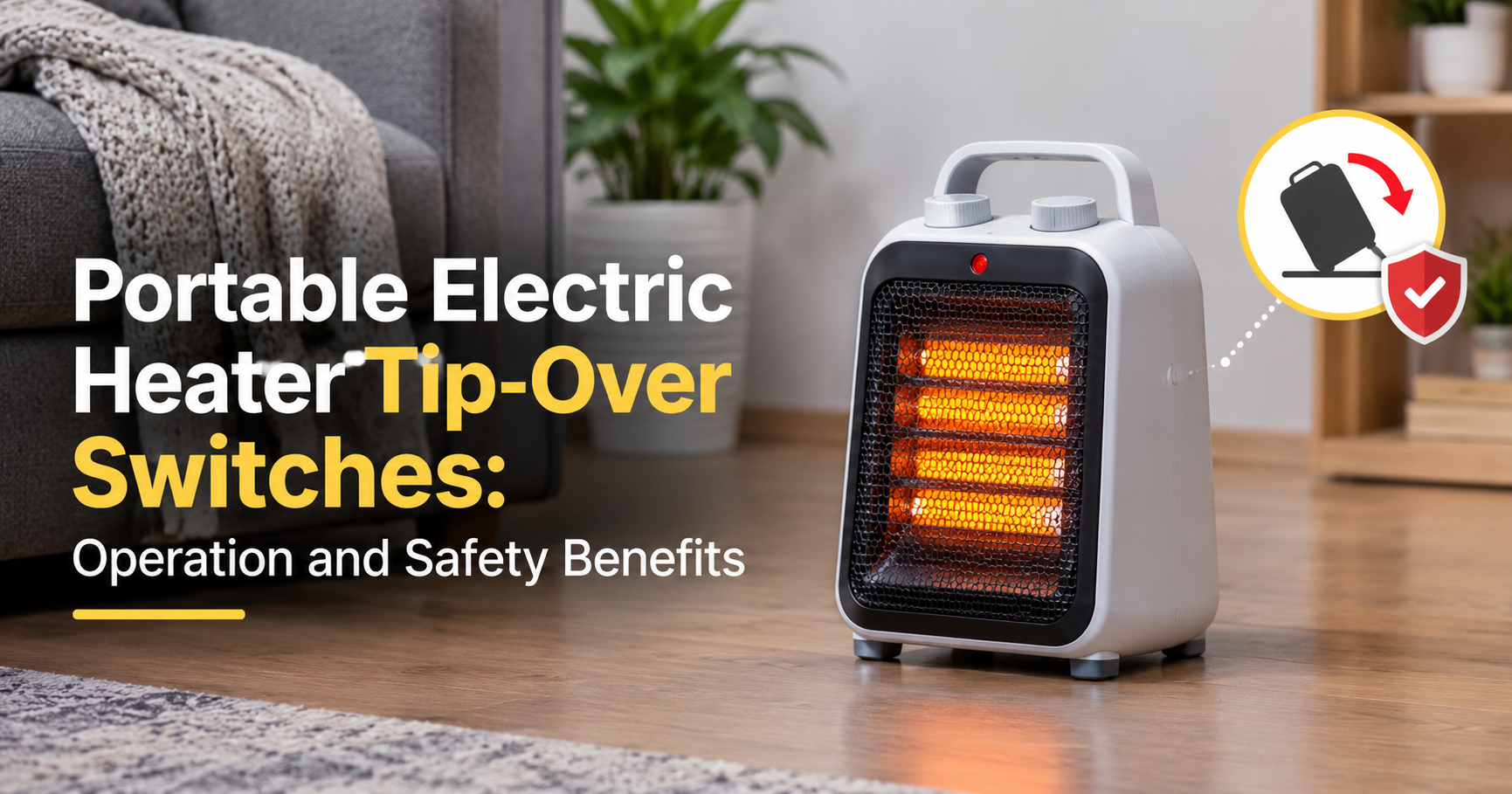
A heater placed on a rug, a bed, a sofa or an uneven surface can fall or tilt. Without a tip-over switch, a fallen heater keeps running and can set fire to whatever it lands on.
7. Old, faulty or low-quality heaters
Heaters with worn thermostats, failed overheat protection or poor internal wiring are far more likely to overheat. Cheap uncertified products may skip safety components entirely to save money.
The 3-Foot Safe Zone Rule
The most effective habit you can build is also the simplest: keep everything flammable at least three feet (about one metre) away from the heater on every side, including above it. This applies to furniture, curtains, bedding, clothing, paper, rugs that hang over the edge, and anything else that could burn.

Choose a spot for your heater where this clearance is easy to maintain. In a small room, that may mean placing the heater in an open corner rather than beside the bed or sofa. Always place the heater on a flat, hard and level surface, never on carpet, a bed, a cushion or a table that can wobble. If you have children or pets, consider a heater with a cool-touch exterior and keep the area around it physically blocked off.
Quick tip
Stand at the heater’s position and look around. If you can reach out and touch a curtain, a blanket or a chair, you are inside the danger zone and the heater needs to move.
Extension Cords, Power Strips and Overloaded Circuits
Electrical overload is one of the most underestimated causes of heater fires. A heater uses a large share of what a household circuit can safely deliver. When you add a second high-power appliance on the same circuit, such as an iron, a kettle or an air conditioner, the wiring can be pushed beyond its limit.
Follow these rules to reduce the risk:
- Plug the heater directly into a wall socket. Avoid extension cords and power strips wherever possible.
- If an extension is truly unavoidable, use a short, heavy-duty cord that is clearly rated for the heater’s wattage, and never coil it up while in use.
- Do not share the circuit. Avoid running other heavy appliances from the same socket or circuit at the same time.
- Check the socket. If the wall outlet feels warm, looks discolored, or holds the plug loosely, have an electrician replace it before using the heater again.
- Never run the cord under a rug or carpet, where heat can build up unseen and foot traffic can damage the wire.
If your breaker trips repeatedly while the heater is running, treat it as a warning, not an inconvenience. Do not keep resetting it or replace the breaker with a higher-rated one. Have the wiring and the heater inspected.
Warning Signs You Should Never Ignore
Heaters usually give clear signals before a fire starts. Learning to recognize them can protect your home. Turn the heater off, unplug it and stop using it if you notice any of the following:

- A burning or melting plastic smell. A brief dusty smell on first use of the season can be normal, but a sharp chemical or burning-plastic odor is not.
- A hot, discolored or scorched plug or socket. A plug that is too hot to hold comfortably points to a loose connection or an overloaded cord.
- A frayed, cracked or stiff cord. Exposed wire or brittle insulation is a direct shock and fire hazard.
- Sparks, crackling or buzzing sounds. These suggest arcing inside the heater, the plug or the socket.
- Flickering lights or repeated breaker trips. The circuit is being overloaded or a fault is developing.
- An outer casing that is too hot to touch. This can indicate failed internal thermostat or overheat protection.
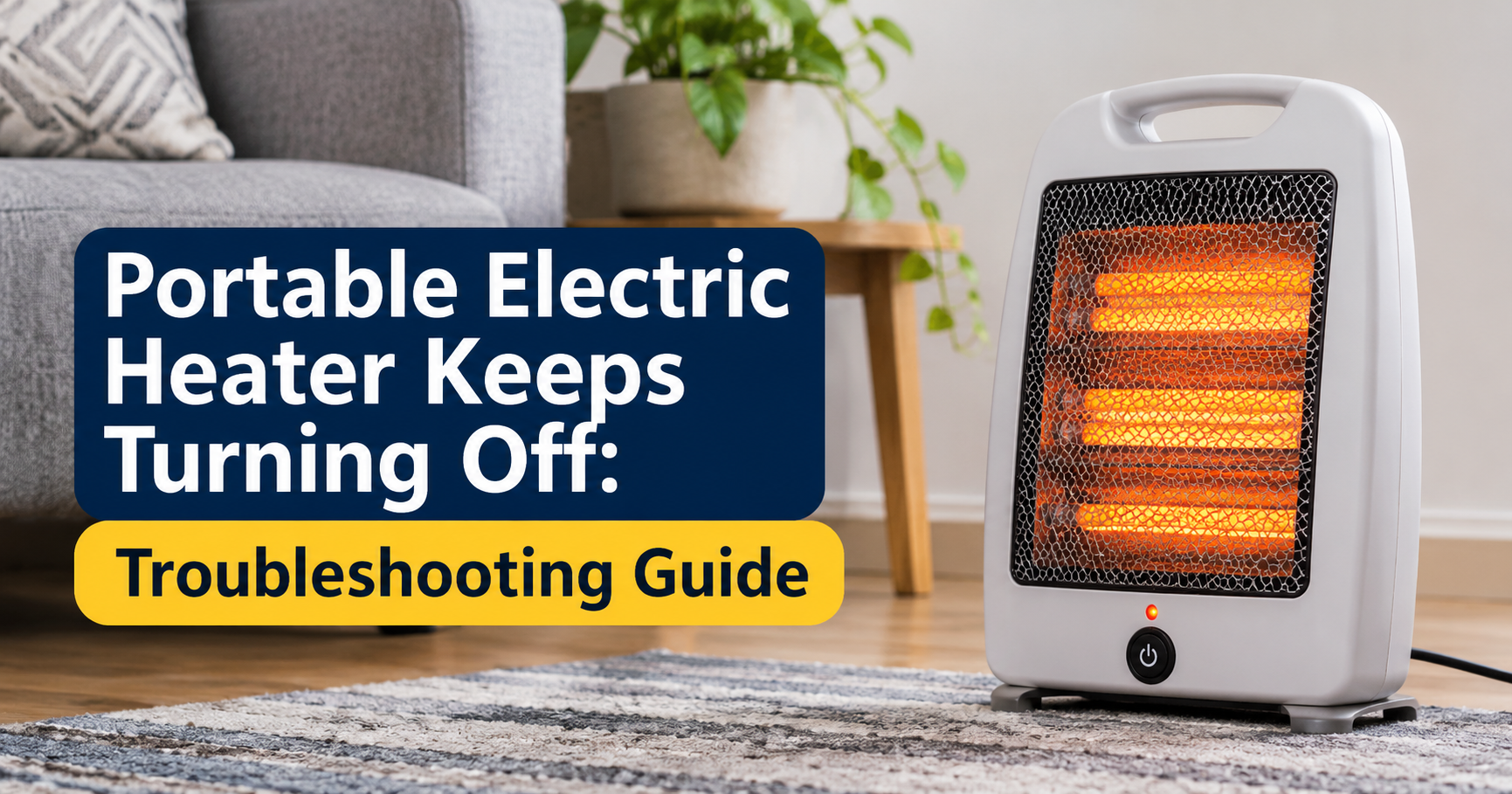
- The heater switching itself on and off unpredictably. A faulty thermostat or control can lead to overheating.
Important
Never try to repair a heater with exposed wiring, a damaged element or a faulty thermostat yourself unless you are a qualified technician. Replace it or have it professionally serviced.
Safety Features to Look for in a Heater
If you are buying a new heater, or deciding whether your current one is good enough, these features make a real difference to safety:
- Tip-over protection. An internal switch that cuts power immediately if the heater is knocked over or tilted.
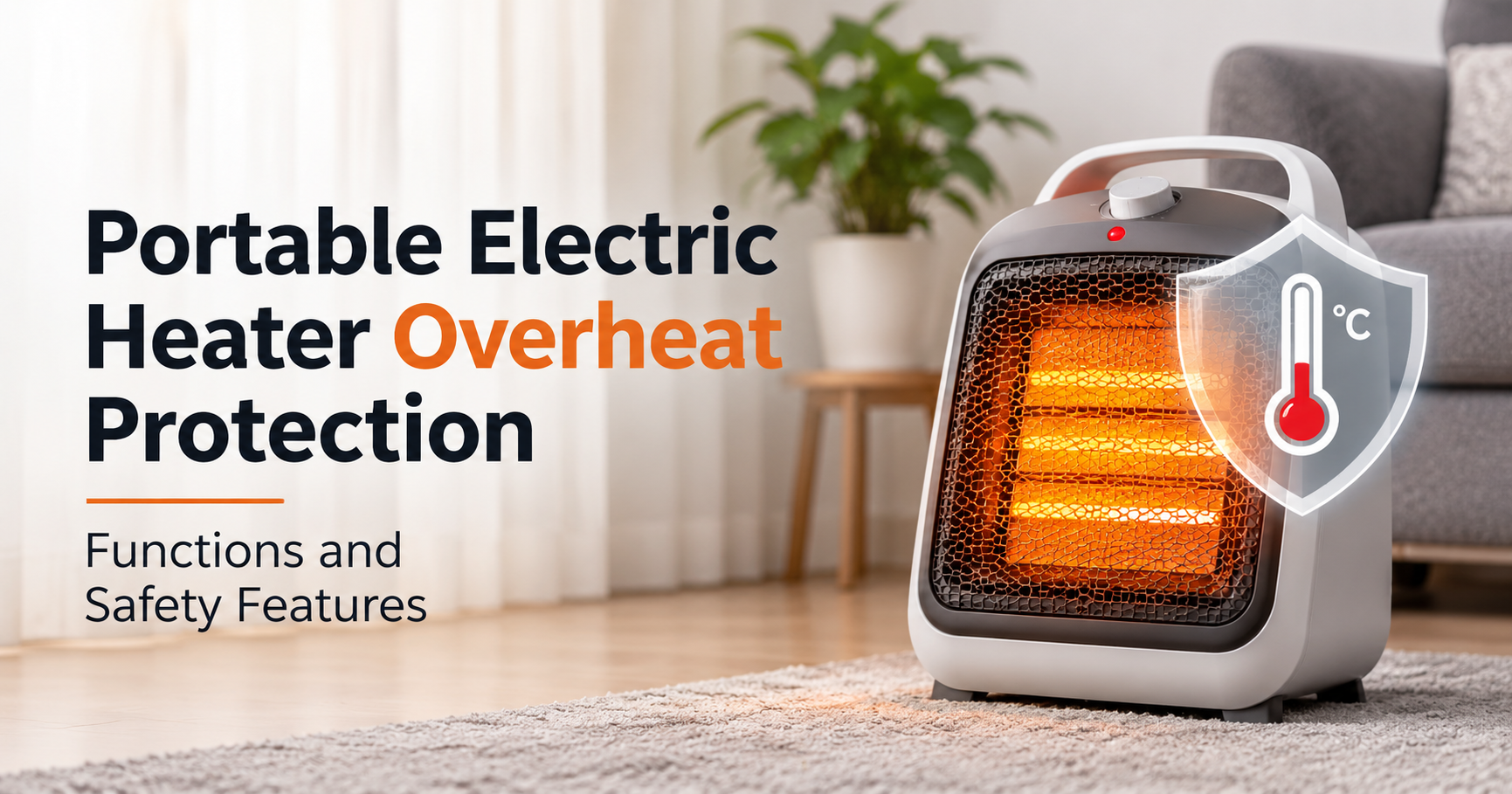
- Overheat protection. A sensor that shuts the heater off automatically if internal temperatures become unsafe.
- An adjustable thermostat. This allows the heater to cycle on and off to maintain temperature rather than running at full output continuously.
- A built-in timer or auto shut-off. Useful if you tend to fall asleep or forget to switch the heater off.
- A cool-touch or protected housing. Fine, covered grilles reduce the risk of burns and prevent objects or fingers from touching the element.
- A heavy-gauge, properly rated power cord. A thicker cord with a firmly fitting plug handles the current more safely.
- Recognized safety certification. Look for the mark of a recognized testing laboratory or national standards body, and avoid unbranded products with no markings or documentation.
- A stable, wide base. A heavier, well-balanced design is less likely to tip.
Different types of heaters carry different risks. Oil-filled radiator heaters generally have lower surface temperatures and no glowing element, which many households find a safer choice for bedrooms. Ceramic fan heaters heat quickly and often include multiple safety cutoffs. Radiant and bar-style heaters have exposed, very hot elements and need especially strict clearance. Whatever type you choose, the safety features above matter more than the brand name.
Do’s and Don’ts of Safe Heater Use

Keep this list in mind every time you switch your heater on. Printing it and keeping it near the heater is an easy way to remind everyone in the household, including guests and older family members.
Special Risks: Children, Pets, Bedrooms and Bathrooms
Children and pets
Curious children and pets can touch hot surfaces, push the heater over, or tug on the cord. Place the heater out of their reach, use a heater with a cool-touch exterior if possible, and consider a safety barrier around it. Teach children that a heater is not a toy and never a place to put clothes or toys.
Bedrooms
Bedrooms are high-risk because bedding is flammable and people are often asleep. Never leave a heater running overnight. Warm the room before bedtime, then turn the heater off and unplug it. If you need continuous warmth, rely on extra blankets, warm bedwear or a heater with a reliable timer rather than leaving one running unsupervised.
Bathrooms and wet areas
Water and electricity are a dangerous combination. Use only heaters specifically designed and rated for bathrooms, keep them far from sinks, tubs and showers, and never handle a heater or plug with wet hands.
Drying clothes
It is tempting to hang wet laundry over a heater, but this blocks airflow, causes overheating and can ignite the fabric. Dry clothes on a rack well outside the safe zone.
Fuel-Burning Heaters, Carbon Monoxide and Ventilation
If you use a gas, kerosene or other fuel-burning heater, you face extra dangers beyond fire. These heaters can release carbon monoxide, an invisible and odorless gas that can cause serious illness or death in closed rooms.
- Use fuel-burning heaters only if they are designed for indoor use and ensure adequate ventilation.
- Use only the exact fuel type recommended by the manufacturer, and refuel only when the heater is completely cool and switched off, preferably outdoors.
- Store fuel in an approved container, away from the heater and from living areas.
- Install a working carbon monoxide detector near sleeping areas.
- If anyone feels dizzy, nauseated, has a headache or feels unusually sleepy while a heater is running, switch it off, get everyone into fresh air and seek medical help.
How to Maintain and Store Your Heater
Good maintenance keeps a heater running safely year after year.
- Inspect before every season. Check the cord, plug and housing for cracks, burn marks, melted spots or loose parts.
- Clean it regularly. With the heater unplugged and fully cooled, use a soft brush or a vacuum with a brush attachment to remove dust from the grille, vents and fan.
- Test the safety features. Make sure the thermostat responds and, where possible, confirm that the tip-over switch cuts power when the heater is tilted slightly.
- Read the manual. Follow the manufacturer’s limits for running time, placement and cleaning.
- Store it properly. Wrap the cord loosely, avoid sharp bends, and keep the heater in a dry, dust-free place during warm months.
- Replace aging heaters. If a heater is many years old, shows wear, or has been repaired repeatedly, a replacement is a smarter investment than a risky repair.
Also make sure your home has working smoke alarms on every level and near sleeping areas. Test them monthly and replace batteries as needed. Smoke alarms give you the early warning that can save lives.
What to Do If a Room Heater Catches Fire
Even with every precaution, you should know how to react. Speed and calm are essential.
- Get everyone out first. People matter more than property. If the fire is more than a very small, contained flame, leave immediately and close doors behind you.
- Call emergency services from a safe place outside the home.
- If it is tiny and safe to do so, switch off the heater at the wall or unplug it only if you can reach it without risk. Cutting the power removes the source of the fire.
- Use the right extinguisher. A dry chemical extinguisher suitable for electrical fires is appropriate. Never throw water on a heater or an electrical fire, as it can cause electric shock and spread the flames.
- Do not go back inside for belongings, and do not use the heater again until a professional has confirmed that the wiring and appliance are safe.
Every household should have a simple escape plan, a clear path to exits and a fire extinguisher kept in an easy-to-reach place, away from the heating area.
Frequently Asked Questions
Is it safe to leave a room heater on all night?
No. Even heaters with automatic shut-off features can fail, and a sleeping person cannot react to smoke or heat. Warm the room beforehand and switch the heater off before you sleep.
Can I use an extension cord with a room heater?
It is best to avoid it. Plug the heater straight into a wall socket. If you absolutely must use an extension, it should be short, heavy-duty and rated well above the heater’s power draw.
How far should a heater be from the wall and furniture?
Keep at least three feet (about one metre) of clear space on all sides and above the heater, and follow any greater distance stated in the manual.
Why does my heater plug get hot?
A warm plug can be normal, but a plug that is hot to the touch suggests a loose connection, a worn socket, a damaged cord or an overloaded circuit. Stop using it and get it inspected.
Are oil-filled heaters safer than other types?
They often run at lower surface temperatures and have no exposed glowing element, which reduces some risks. However, they still need clearance, a stable surface and a proper power connection, and no heater is completely risk-free.
Is that burning smell when I first switch on my heater normal?
A light dusty smell for a few minutes after long storage can be normal as dust burns off. A strong, persistent or chemical burning smell is not. Switch the heater off and unplug it.
Should I use a heater with a timer?
Yes, a timer or auto shut-off is a useful extra layer of protection, though it should never replace your attention and the basic safety rules.
Final Thoughts
A room heater can make winter far more comfortable, but it demands respect. The difference between a cozy room and a house fire often comes down to a few simple habits: keep flammable items at least three feet away, plug the heater directly into the wall, never leave it running unattended or overnight, inspect the cord and plug regularly, and respond immediately to warning signs like heat, smells and sparks.
When you choose a heater, prioritize safety features such as tip-over and overheat protection, a thermostat and a timer, and buy from a trusted source with proper certification. Pair that with working smoke alarms and a clear escape plan, and you will dramatically reduce the risk to your home and your family.
Stay warm, but stay safe. Share this guide with family and friends so that everyone around you can enjoy the winter without the danger.
This article is for general informational purposes. Always follow the manufacturer’s instructions for your specific heater and consult a qualified electrician for wiring concerns.