


Portable Electric Heater Fan Noise: Causes, Fixes and How to Choose a Quieter Heater

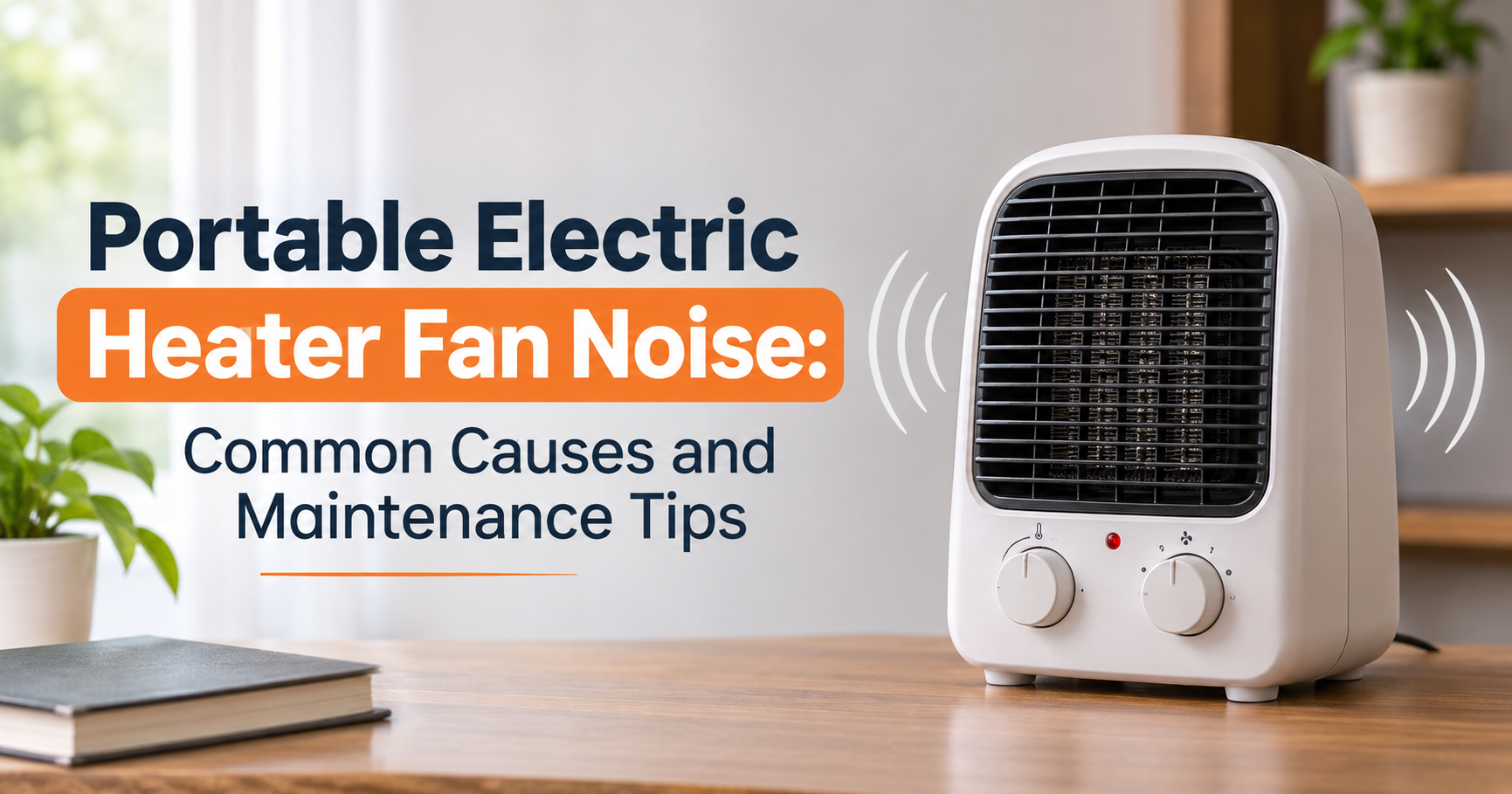
A portable electric heater should make a cold room feel cozy, not turn it into a workshop. Yet one of the most common complaints people have is portable electric heater fan noise: a rattle at night, a steady hum while working, or a high whine that appears after a few weeks of use. Some noise is perfectly normal. Other sounds are early warnings that something needs cleaning, tightening or replacing.
This guide explains why heater fans make noise, how to tell harmless sounds from problem sounds, which fixes actually work, and what to look for if you are buying a quieter model.
Why Do Portable Electric Heaters Have Fans in the First Place?
Most portable electric heaters are either convection, radiant or fan-forced designs. Fan-forced heaters, including most ceramic fan heaters, use a small motor and blade assembly to push air across a hot heating element. This spreads warm air quickly, which is why these heaters can warm a small room within minutes.
The trade-off is sound. Any moving part creates vibration and airflow noise, and a compact fan spinning at speed inside a plastic or thin metal housing will always make some sound. The goal is not a completely silent heater, but one whose sound is low, steady and unobtrusive.
Normal Heater Fan Noise vs. Problem Noise
Before you start troubleshooting, it helps to know what is considered normal.
Sounds that are usually normal
- Soft whooshing: This is simply moving air. It grows louder on higher fan settings.
- Light humming: A faint motor hum is common, especially on the first few minutes of operation.
- Occasional clicking when heating up or cooling down: Metal and plastic parts expand and contract with temperature changes, which can create gentle ticking sounds.
- A brief smell or sound on first use: New heaters sometimes need a short break-in period.
Sounds that deserve attention
- Rattling or buzzing: Usually a loose grille, panel or screw.
- High-pitched whining or squealing: Often dust on the blades or worn motor bearings.
- Scraping or grinding: A blade may be touching the housing, or debris may be caught inside.
- Loud, irregular thumping: This may indicate a bent blade or an unbalanced fan.
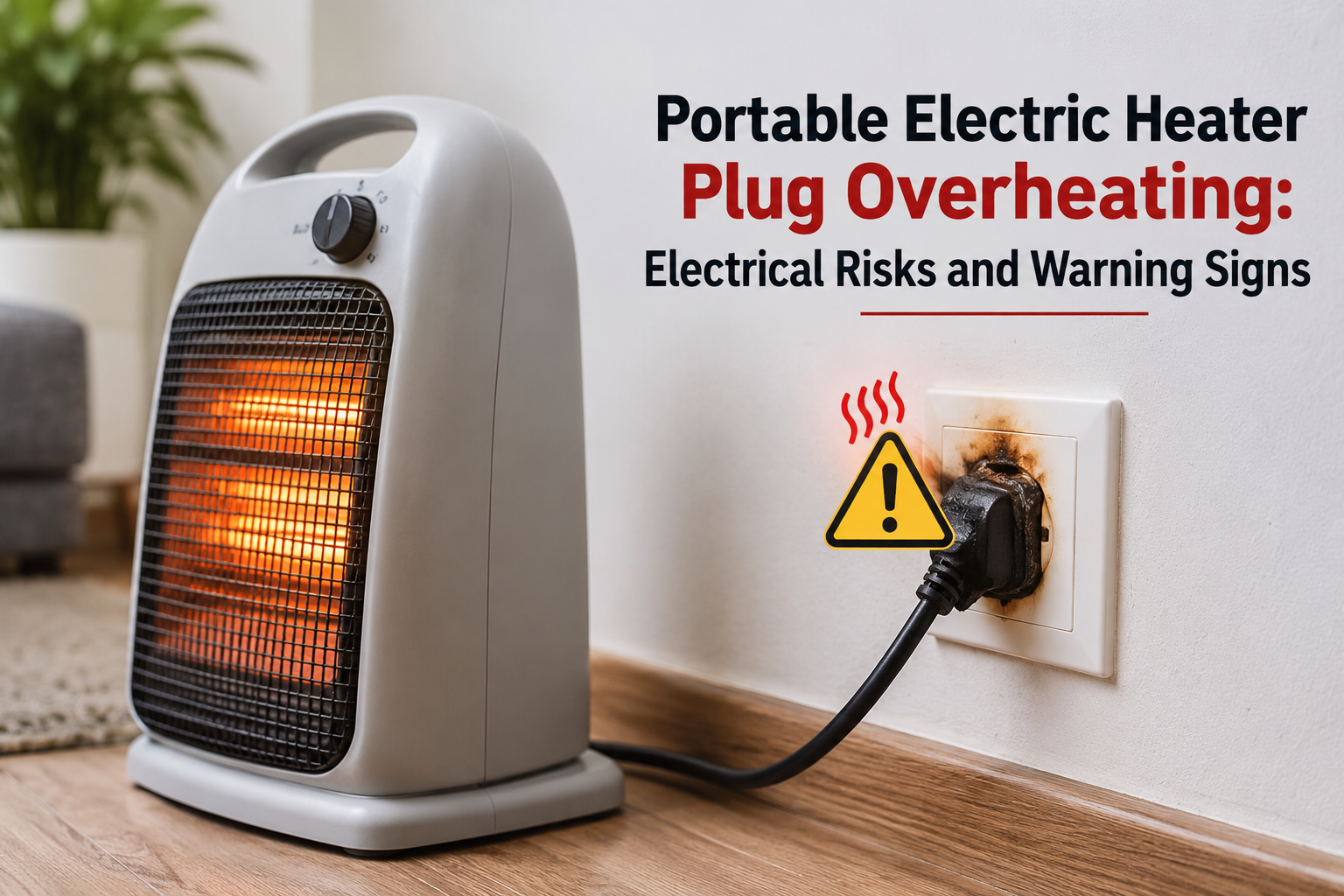
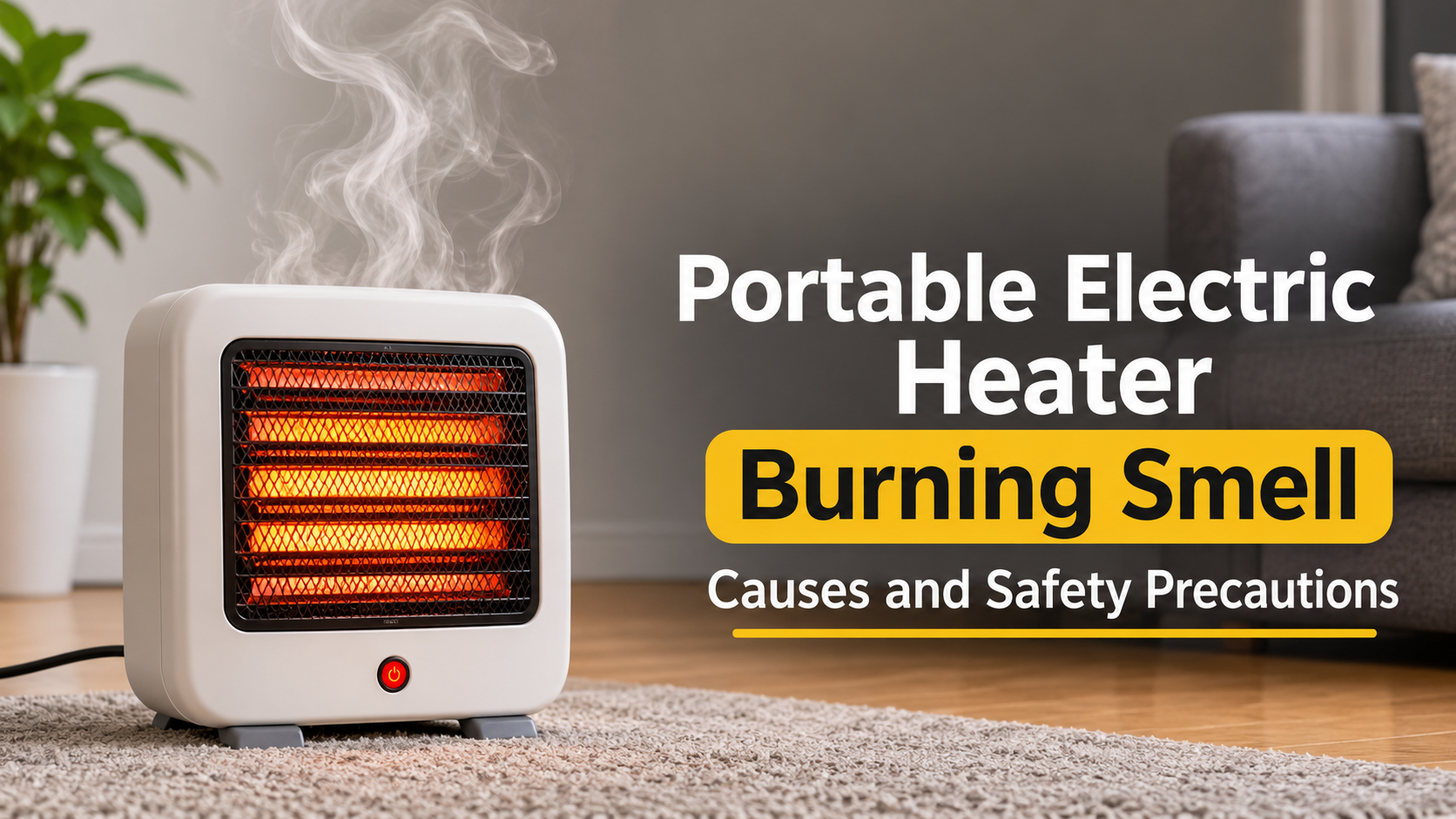
- Any noise paired with a burning smell or visible sparks: Unplug the heater immediately and stop using it.

Common Causes of Portable Electric Heater Fan Noise
1. Dust, lint and pet hair buildup
This is the number one cause. Heater fans pull in room air, and with it comes dust, carpet fibers and pet hair. Over time this builds up on the blades and inside the grille. The added weight is uneven, which unbalances the fan and creates vibration and a whining or humming sound. Dust can also reduce airflow and make the motor work harder.
2. Loose screws, grilles or panels
Heaters are moved around, tipped, bumped and carried between rooms. Vibration from daily use can loosen screws on the front grille, back cover or base. A loose part will rattle or buzz, usually at a specific fan speed where the vibration matches the part’s natural frequency.
3. An uneven or hard surface
If the heater sits on a hard tile or wooden floor, vibration travels through the base and gets amplified into a droning hum. A slightly uneven surface can also cause the heater to rock, making the noise worse.
4. Worn motor bearings
Small fan motors rely on bearings to spin smoothly. After long hours of use, especially in dusty rooms, bearings can wear down and produce a squeal, grind or rough whirring. This is more common in older or lower-quality heaters and is often hard to repair at home.
5. A bent or damaged fan blade
A dropped heater, an object pushed through the grille, or years of wear can leave a blade slightly bent. Even a small change makes the fan unbalanced and noisy.
6. High fan speed settings
Many people simply run their heater on the highest setting. Higher fan speed moves more air but also produces more noise. Using a lower setting, or a model with variable speed, can make a large difference.
7. Thermostat and heating element expansion
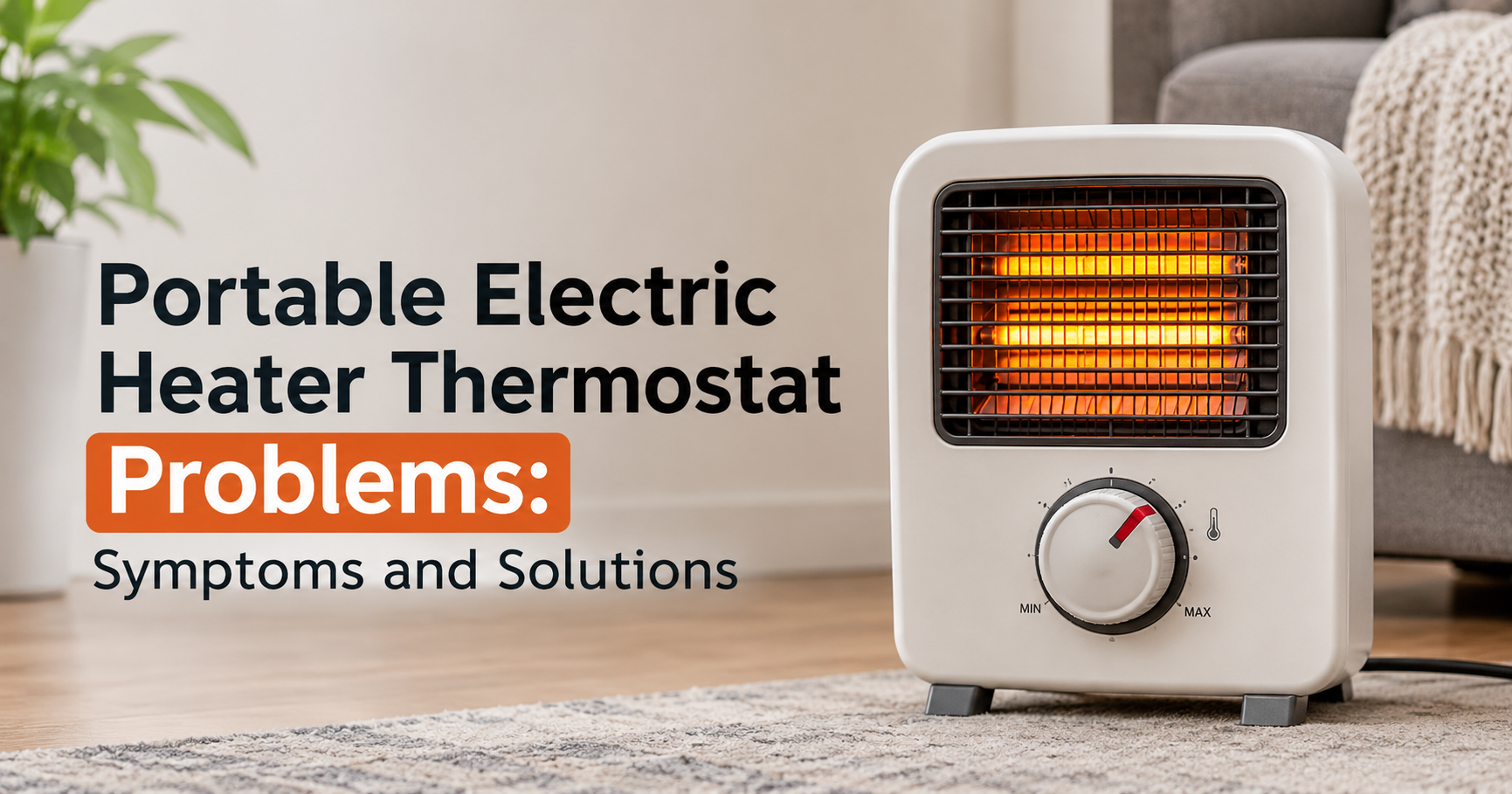
Ticking or clicking sounds are often not from the fan at all. As the heating element warms and cools, metal parts expand and contract. The thermostat may also click as it switches the heating element on and off. This is typically normal if the sound is light and occasional.
8. Poor build quality
Thin housings, loose-fitting parts and unbalanced fan assemblies are more common in budget heaters. They may sound acceptable when new but become louder as parts settle and loosen.

How Loud Is Too Loud?
Noise is measured in decibels (dB). For reference, a quiet room sits around 30 dB, normal conversation is around 60 dB, and a vacuum cleaner can reach 70 dB or more. Many portable heaters operate somewhere between the low 40s and the 60s depending on the model, speed setting and distance from the listener.
If you plan to use the heater in a bedroom, nursery or home office, a quieter low setting is especially useful. Sound often feels louder at night because the surrounding room is so quiet, and a steady hum can be more noticeable than a louder sound you hear during the day.
How to Fix a Noisy Portable Electric Heater: Step by Step
Always begin with safety. Switch the heater off, unplug it and let it cool completely before touching any part.
Step 1: Clean the grille and vents
Use a vacuum with a soft brush attachment to remove dust from the front grille, rear intake and side vents. Then wipe the surface with a slightly damp cloth, and let it dry completely before use. This single step solves a large share of fan noise problems.
Step 2: Clean the blades if you can access them safely
If your manual allows you to open the housing, you can remove lint from the blades with a soft brush or cotton swab. Never force a casing open or remove parts the manufacturer does not recommend removing. If you are unsure, skip this step and check the instruction manual first.
Step 3: Tighten loose screws
Check the screws on the grille, base and back cover. Tighten them gently with the correct screwdriver. Over-tightening can crack plastic, so snug is enough.
Step 4: Place the heater on a stable surface
Set the heater on a flat, level, solid surface. If vibration is carrying into a hard floor, try placing a thin, non-flammable, heat-safe mat under the heater, as long as it does not block any vents and the manufacturer allows it. Never place a heater on a thick rug, cushion or anything soft that could tip or trap heat.
Step 5: Try a lower fan setting
If the noise is worst on high, try the medium or low setting. Many rooms warm up just as well, only more slowly, and the sound difference can be significant.
Step 6: Test again in a quiet room
Turn the heater on and listen from a normal distance. Compare the sound on each setting. If the noise has stopped or improved, you have likely found the cause.
Step 7: Know when to stop
If you still hear grinding, scraping, a burning smell, or a loud rattle that does not go away, stop using the heater. Contact the manufacturer or seller, check whether the product is still under warranty, or replace the unit. It is not worth risking safety to save a few dollars.

Preventing Fan Noise Before It Starts
A little routine care goes a long way toward keeping a heater quiet for years.
- Clean it regularly: A quick vacuum of the grille every few weeks during heating season keeps dust from building up.
- Store it properly: At the end of winter, clean the heater, let it dry fully, and store it in a dry place, ideally in its original box or covered with a breathable cloth.
- Move it gently: Dropping or knocking a heater can loosen parts or bend blades.
- Keep pets and children away: Pet hair is a major source of internal buildup, and curious hands can damage the grille.
- Do not block the vents: Good airflow keeps the motor cooler and helps it run more smoothly.
- Read the manual: It will tell you what maintenance is safe to do at home and what should be left to a professional.
How to Choose a Quieter Portable Electric Heater
If your current heater is simply too loud, or if you are shopping for a new one, these features make a real difference.
Look for a listed noise level
Some manufacturers publish decibel ratings or describe their heater as quiet. While these figures are measured under specific conditions, they give you a helpful point of comparison between models.
Choose multiple fan speeds
A heater with high, low and sometimes medium fan settings gives you control. You can heat quickly on high, then drop to low once the room is comfortable.
Consider ceramic heaters
Ceramic elements tend to heat up evenly and quickly, and many ceramic fan heaters are designed with noise reduction in mind. They are not automatically silent, but they are often a solid starting point.
Consider fanless options for very quiet spaces
Oil-filled radiators and some radiant or convection heaters have no fan at all, so there is no fan noise. They warm more slowly and may be heavier, but they are often preferred for bedrooms and nurseries where silence matters most.
Check build quality and reviews
Look for sturdy housing, a stable base and consistent feedback about noise from real owners. Pay attention to comments about rattling after a few weeks, since that tells you about long-term durability.
Match the size to your room
An undersized heater runs on high all day, which means more noise and more wear. Choose a heater suited to your room size so it can reach a comfortable temperature without working at full speed constantly.
Prioritize safety features
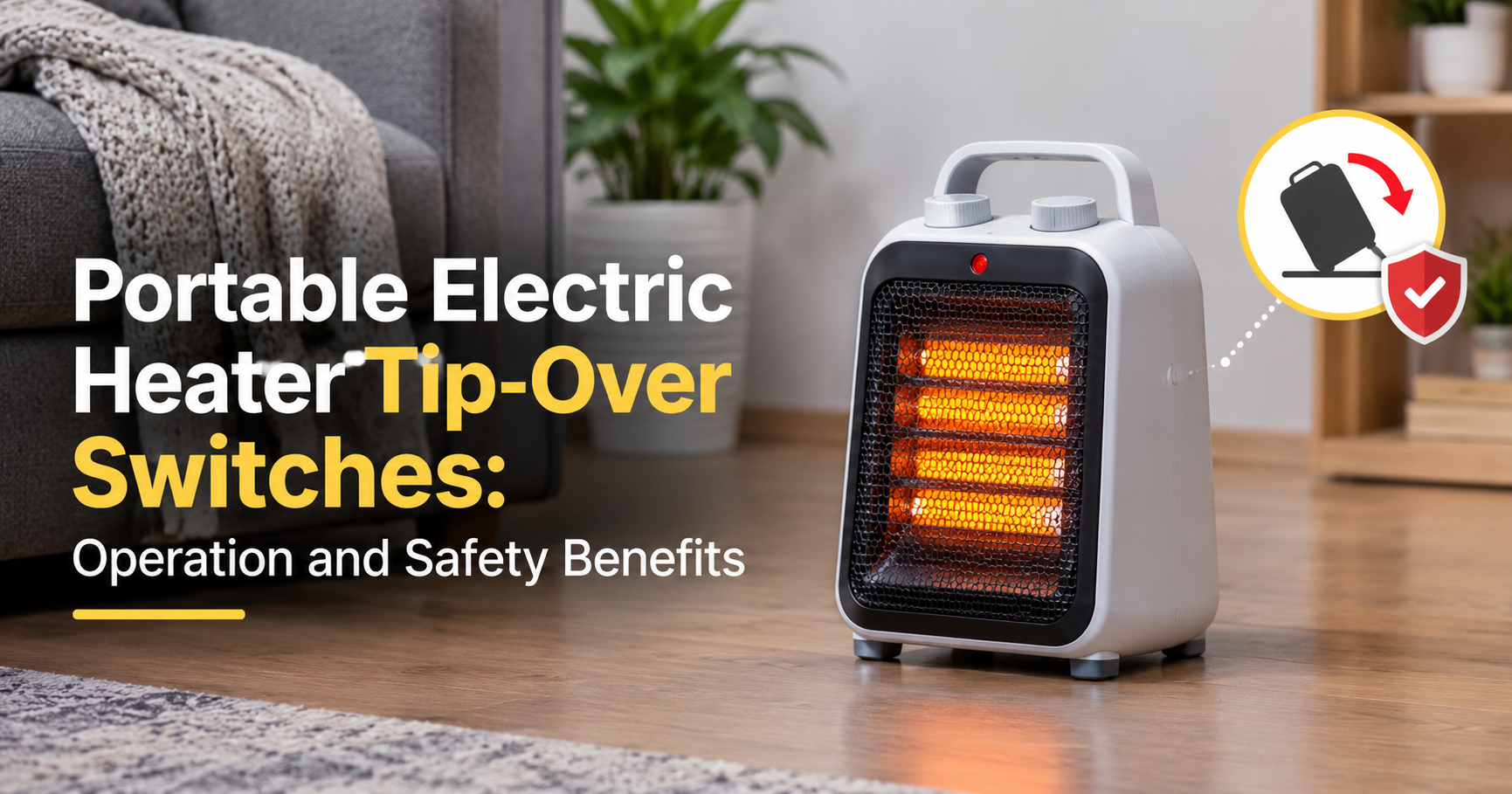
A quiet heater is only a good heater if it is safe. Look for tip-over protection, overheat protection, a reliable thermostat and a sturdy, well-insulated cord and plug. These features matter far more than a slightly lower decibel rating.

Portable Heater Safety Tips While You Troubleshoot
- Plug the heater directly into a wall outlet whenever possible, and avoid extension cords or power strips unless the manufacturer says they are safe.
- Keep at least three feet of clear space around the heater, away from curtains, bedding, furniture and paper.
- Never leave a heater running while you sleep or leave the house unless it is specifically designed and approved for that use.
- Do not use a heater with a damaged cord, a cracked housing or any sign of burning or melting.
- Never cover a heater or use it to dry clothes.
Frequently Asked Questions
Why is my portable heater suddenly louder than before?
The most likely cause is dust buildup on the fan or grille, followed by loose screws or a change in where the heater is placed. A thorough cleaning solves the problem in many cases.
Is a humming noise from a space heater dangerous?
A faint, steady hum is usually normal. A loud buzz, a sudden change in sound, or a hum combined with a burning smell, flickering power or heat issues is a reason to unplug the heater and have it checked or replaced.
Why does my heater make a clicking noise?
Light clicking often comes from the thermostat switching on and off or from parts expanding as they heat and cool. It is usually harmless, but frequent loud clicking should be checked.
Can I lubricate a noisy heater fan?
It is generally not recommended unless the manufacturer specifically says to do so. The wrong lubricant near a heating element can be a fire risk, and many small fan motors are sealed.
Do ceramic heaters make less noise than other fan heaters?
Many ceramic fan heaters are designed to be relatively quiet, but noise depends heavily on the specific model, motor quality and fan design. Fanless oil-filled radiators are usually the quietest option.
Which heater is best for a bedroom?
For very quiet rooms, a fanless heater or a fan heater with a dedicated low or night setting is usually the better choice. Always choose a model with tip-over and overheat protection.
Should I replace a noisy heater or repair it?
If the noise goes away after cleaning and tightening, you are done. If you hear grinding, scraping or a persistent rattle after these steps, replacement is usually the safer and more practical choice, since internal repairs are rarely cost-effective for low-cost portable heaters.
Final Thoughts
Portable electric heater fan noise is rarely a mystery. In most cases, it comes down to dust, loose parts, a poor surface or simply running the fan on a high setting. A few minutes of cleaning and tightening can bring back quiet, comfortable warmth. If the noise remains, or if you notice any burning smell or unusual behavior, stop using the heater and replace it with a safe, well-built model.
When you shop for a new heater, balance noise level with safety features, room size and build quality. The quietest heater is the one that matches your space, runs on a low setting most of the time and has been looked after properly.