

A portable electric heater is supposed to be simple: plug it in, set the dial, and enjoy a warm room. But when the thermostat starts acting up, that simple device quickly turns frustrating. The heater clicks off every few minutes, blows warm air one moment and cold the next, or runs flat out without ever shutting down. If that sounds familiar, you are dealing with one of the most common portable electric heater thermostat problems.
In this guide you will learn how a heater thermostat actually works, the symptoms to watch for, the real causes behind each one, safe fixes you can try at home, and how to choose a better heater if it is time to replace yours. Everything here is written in plain language, so you do not need any electrical background.
Table of Contents
- How a portable heater thermostat works
- Most common thermostat problems and what they mean
- Step-by-step troubleshooting
- Safety rules you should never skip
- Repair or replace? How to decide
- What to look for in a heater with a reliable thermostat
- Maintenance habits that prevent problems
- Frequently asked questions
How a Portable Heater Thermostat Works
The thermostat is the brain of your heater. It measures the air temperature near the unit and switches the heating element on or off to keep the room close to the temperature you chose. Without it, the heater would simply heat nonstop.

There are three main types you will find in portable heaters:
- Mechanical (bimetal) thermostats: A strip made of two metals bends as it warms and cools, opening and closing an electrical contact. They are cheap and common in basic models, but they can be less precise and the contacts wear over time.
- Electronic thermostats: A small temperature sensor (often called a thermistor) feeds readings to a control board that switches a relay. These are more accurate and allow digital temperature settings.
- Smart or programmable thermostats: Electronic systems with timers, schedules and sometimes app control. They offer the best comfort but have more parts that can fail.
Besides the main thermostat, almost every modern heater also includes a tip-over switch and an overheat protection cutout. These safety parts are separate from the thermostat, but when they trigger they can look just like a thermostat fault. That is why a heater that suddenly stops is not always a broken thermostat.
Most Common Portable Electric Heater Thermostat Problems

1. The Heater Will Not Turn On
If nothing happens when you plug it in, the first thing to check is the dial. Many heaters will not switch on if the thermostat is set below the current room temperature, because the unit thinks the room is already warm enough. Other causes include:
- The tip-over switch is pressed down or the heater is on a tilted or carpeted surface.
- The overheat protection has tripped and needs time to cool.
- The wall outlet or extension cord has no power.
- The thermostat contacts are worn out or burned, so no current passes through.
2. The Heater Turns Off Too Quickly (Short Cycling)
This is probably the most reported issue. The heater warms up for a minute or two, shuts down, then restarts shortly after. Common reasons are:
- Dust and lint on the sensor or grille causing false high-temperature readings.
- Blocked airflow from furniture, curtains or bedding too close to the unit, which triggers overheat protection.
- Small room placement where the sensor warms up faster than the rest of the room.
- A thermostat that has drifted out of calibration with age.
3. The Heater Never Shuts Off or Gets Too Hot
If the heater runs continuously even after the room feels warm, the thermostat contacts may be stuck closed, the sensor may have failed, or the control board may be faulty. This is a serious problem because the only thing left to stop overheating is the safety cutout. Stop using the heater and do not try to bypass the thermostat.
4. The Heater Blows Cold Air
If the fan runs but the air is not warm, the thermostat may be holding the heating element off, or the element itself may have failed. Try raising the dial to maximum. If the air stays cool after a few minutes, the issue is likely inside the heater and not something a simple reset will fix.
5. Inaccurate Temperature or Inconsistent Heating
Placing the heater near a window, door or cold draft makes the sensor think the room is colder than it is, so the heater keeps running. The opposite happens if it sits in a corner or next to a wall that traps heat. Sensor drift on older units can also cause readings that are a few degrees off.
6. Dial or Buttons Feel Loose or Unresponsive
A dial that spins freely, a digital display that freezes, or buttons that do not respond usually point to a worn knob, loose internal connection or a damaged control board. Flickering displays can also come from an unstable power supply, so test the heater in a different wall outlet.
Step-by-Step Troubleshooting

Always start with safety. Unplug the heater and let it cool completely for at least 15 minutes before touching anything.
- Check the power source. Plug the heater directly into a working wall outlet. Avoid extension cords and power strips, because heaters draw a lot of current.
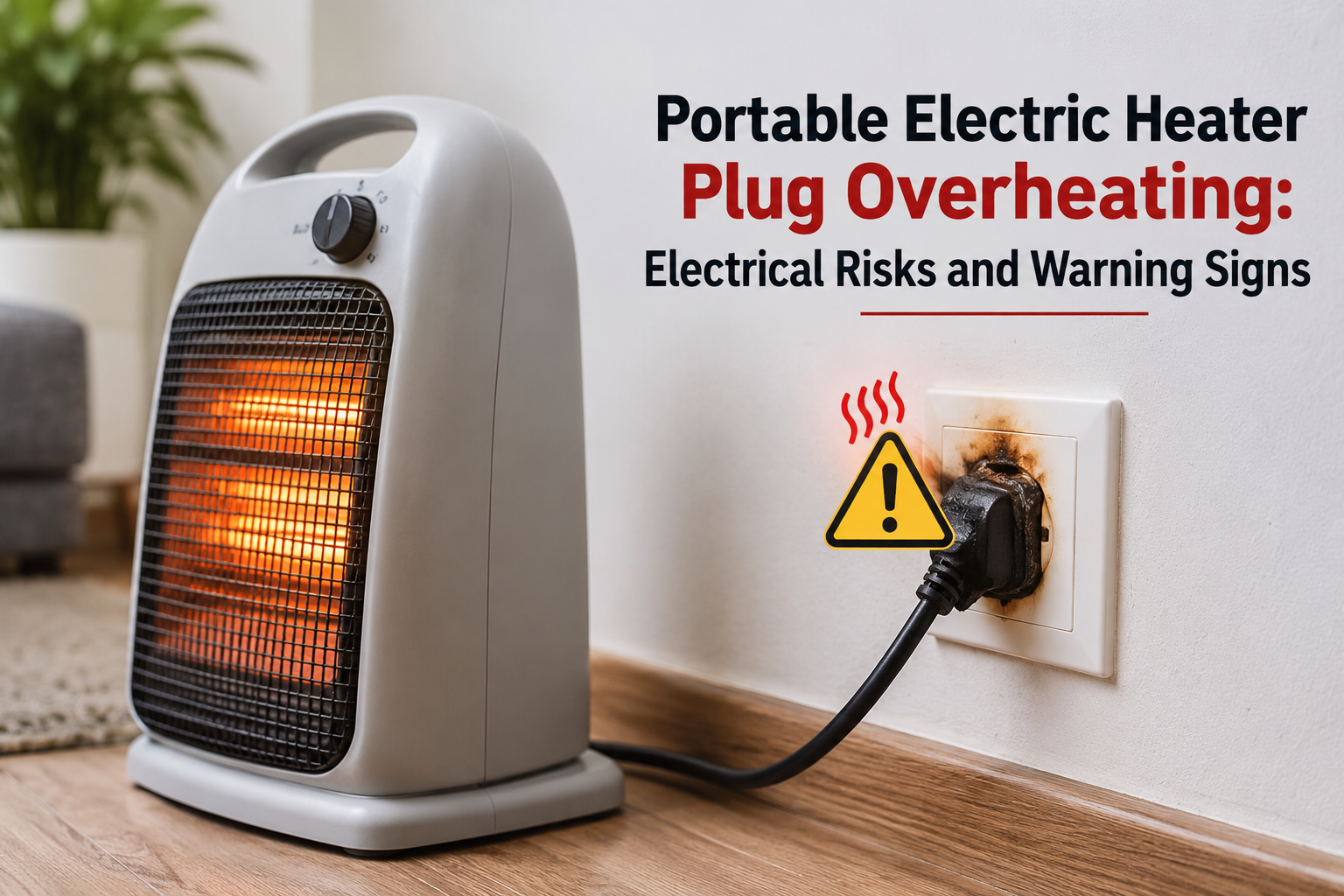
- Inspect the cord and plug. Look for discoloration, melted plastic or a plug that feels hot. If you see any of these, stop using the heater immediately.
- Set the dial correctly. Turn the thermostat to the highest setting, then lower it once the heater runs normally. A low setting is a frequent cause of a heater that appears dead.
- Place it on a flat, hard surface. This keeps the tip-over switch from cutting power.
- Clean the vents and grille. With the heater unplugged, use a soft brush or a vacuum with a brush attachment to remove dust from the air intake and outlet.
- Clear the area. Keep a clear space of about three feet (one meter) around the heater so air can circulate freely.
- Reset the unit. Leave it unplugged for several minutes so any overheat protection can reset, then plug it in and test again.
- Test in a different room. If the problem disappears, the old location probably had a draft or a heat trap affecting the sensor.
If the problem remains after these steps, the fault is inside the heater. At that point the safest path is to contact the manufacturer or replace the unit.
Safety Rules You Should Never Skip
- Never open the casing or tamper with the thermostat while the heater is plugged in.
- Never bypass, tape down or disable a thermostat or safety switch to force the heater to run.
- Never leave a malfunctioning heater running while you sleep or leave the house.
- Keep curtains, bedding, clothes and paper well away from the heater.
- Do not use a heater that smells of burning, makes sparking sounds or has a hot plug.
- Choose a heater that has a recognized safety certification mark for your region.
Repair or Replace? How to Decide
Portable heaters are inexpensive appliances, and internal repair is rarely practical or safe for the average person. Use this simple guide:
- Repair or simple fix: The problem was dust, a low dial setting, a poor location or a tripped safety switch, and cleaning solved it.
- Contact the manufacturer: The heater is still under warranty and shows a consistent thermostat fault.
- Replace immediately: The heater overheats, never turns off, smells of burning, has a damaged cord, or still short cycles after cleaning.
As a general rule, if the heater is several years old and the thermostat has failed, replacing it costs about the same as a repair and gives you newer safety features.
What to Look for in a Heater With a Reliable Thermostat
If you are shopping for a new heater, the thermostat deserves as much attention as the wattage. These features separate dependable models from frustrating ones:
- Adjustable thermostat with clear markings: Digital models with a real temperature display are easier to set accurately than a dial with only low, medium and high marks.
- Tip-over and overheat protection: These are essential safety features, not optional extras.
- Right size for the room: A heater that is too powerful will heat the sensor area quickly and cycle on and off constantly. As a rough guide, many heaters supply about 10 watts per square foot, but always check the manufacturer’s recommendation.
- Quality build and a solid warranty: A longer warranty usually reflects confidence in the internal parts, including the thermostat.
- Timer and eco mode: Useful for saving electricity and preventing the heater from running all night.
- Oscillation and fan control: Spreading warm air evenly helps the sensor read the whole room, not just the air next to the heater.
- Heater type: Ceramic heaters warm up fast and suit small rooms, oil-filled radiators give steady quiet heat, and fan heaters are compact and affordable. Match the type to how you use it.
Reading real customer reviews is also valuable. Look for patterns such as “stopped heating after a few months” or “thermostat is inaccurate”, because they reveal problems that product descriptions do not mention.
Maintenance Habits That Prevent Thermostat Problems
- Vacuum the vents and grille at least once a month during the heating season.
- Wipe the outside with a dry or slightly damp cloth while the unit is unplugged and cool.
- Store the heater in a dry place with its cord loosely coiled at the end of winter.
- Check the cord and plug at the start of each season.
- Avoid moving the heater while it is hot, and never drag it by the cord.
- Keep it away from damp areas unless it is specifically rated for bathrooms.
Frequently Asked Questions
Why does my portable heater keep turning on and off?
The usual causes are dust on the sensor, blocked airflow, a heater that is too powerful for the room, or overheat protection that is triggering. Clean the vents, give it more space and try a lower power setting.
How do I know if the thermostat is bad?
Signs include a heater that will not turn on despite a good power supply and correct dial setting, one that never shuts off, or one whose temperature is clearly wrong even after cleaning and relocation.
Can I replace the thermostat myself?
It is technically possible for someone with electrical skills, but it is not recommended for most users. Incorrect repairs can create fire and shock hazards, and replacement parts are often unavailable for budget models.
Is it safe to leave a portable heater on overnight?
Many manufacturers advise against it. If you do use one, choose a model with a reliable thermostat, a timer, tip-over protection and automatic shut-off, and keep the area around it clear.
Why does my heater smell when I first turn it on?
A light dusty smell at the start of the season is normal because dust burns off the element. A strong burning or plastic smell is not normal, and you should unplug the heater right away.
How long does a portable heater thermostat last?
This depends on build quality and how often the heater is used. Mechanical contacts wear with each switching cycle, so heavily used budget heaters may develop thermostat problems after a few seasons.
Final Thoughts
Portable electric heater thermostat problems are common, but many of them have simple causes you can fix in a few minutes: a clean grille, a proper location and correct dial settings. When the issue goes deeper, such as a heater that overheats, never switches off or keeps failing, replacement is the safest choice. Use the troubleshooting steps in this guide, follow the safety rules, and when you buy a new heater, prioritize an accurate thermostat and solid safety protection over raw power. A little attention now keeps your home warm, comfortable and safe all winter.