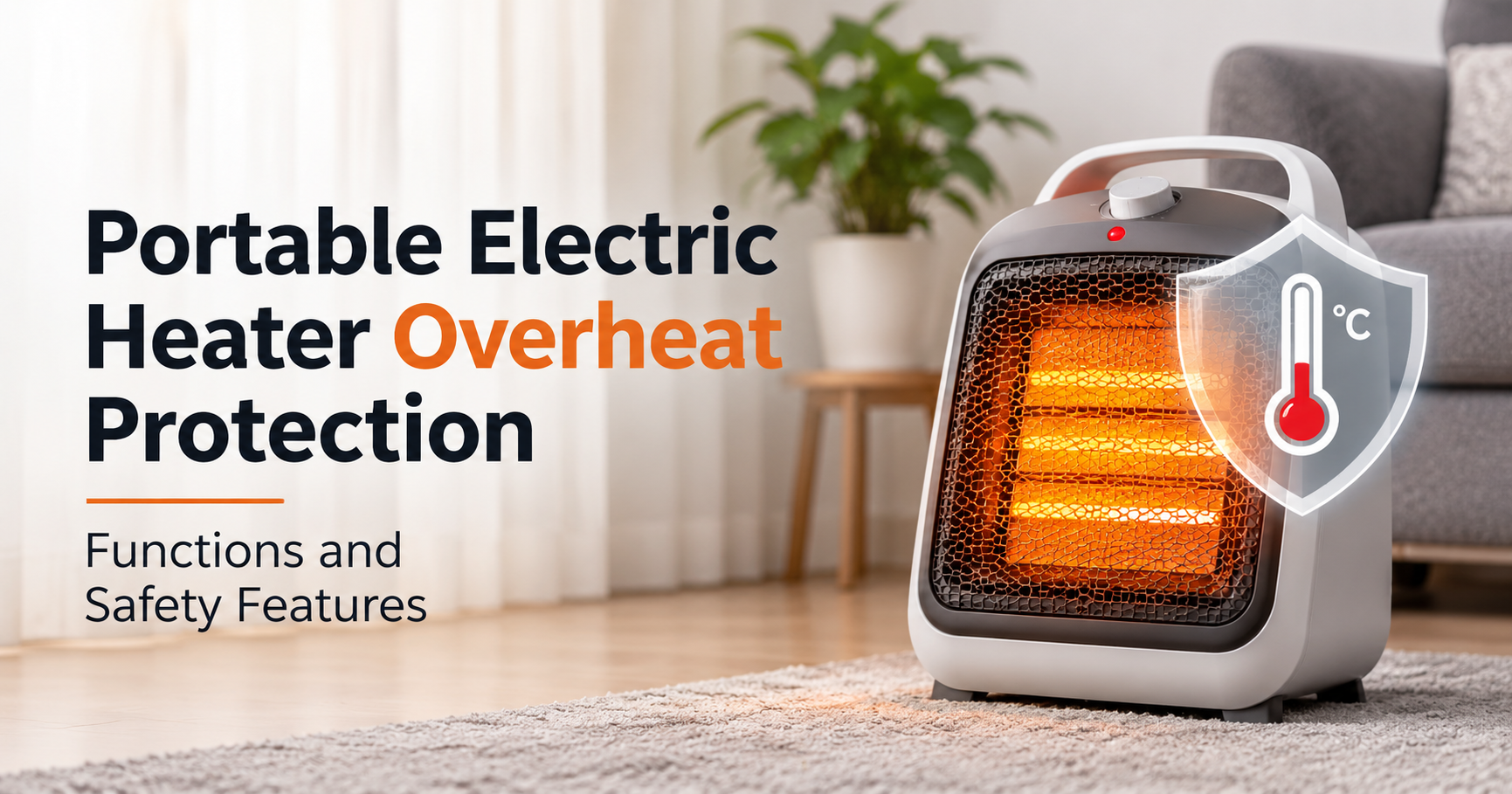
Portable Electric Heater Overheating Protection: How It Works and What to Look For

A portable electric heater is one of the easiest ways to take the chill off a room, but it is also an appliance that turns electricity directly into heat. If that heat is not controlled, the heater, its cord or the things around it can reach dangerous temperatures. That is exactly why overheating protection exists, and why it should be at the top of your list when you buy, use or maintain a heater.
In this guide, you will learn what overheating protection is, which safety components do the work inside the heater, why protection sometimes trips, how to place and use a heater safely, and what to check before you buy.
What Is Overheating Protection in a Portable Electric Heater?
Overheating protection is a built-in safety system that monitors temperature inside the heater and cuts power when it climbs above a safe limit. It works like a circuit breaker for heat. Instead of waiting for you to notice a problem, the heater shuts itself off automatically.
Most portable heaters rely on more than one layer. A thermostat manages everyday temperature, a dedicated overheat sensor reacts to abnormal conditions, and a tip-over switch protects against falls. Together they reduce the risk of fire, melted plastic and damage to the heater itself.
Why Portable Heaters Overheat
A heater does not overheat without a reason. Understanding the common causes helps you prevent them.
- Blocked airflow: Covering the heater, pushing it against a wall or placing it under furniture traps heat around the element.
- Dust and lint buildup: Dust on the grille, fan or element acts like insulation and can burn, causing smells and hot spots.
- Clothes, towels or blankets on the heater: Drying laundry on a heater is a well-known hazard.
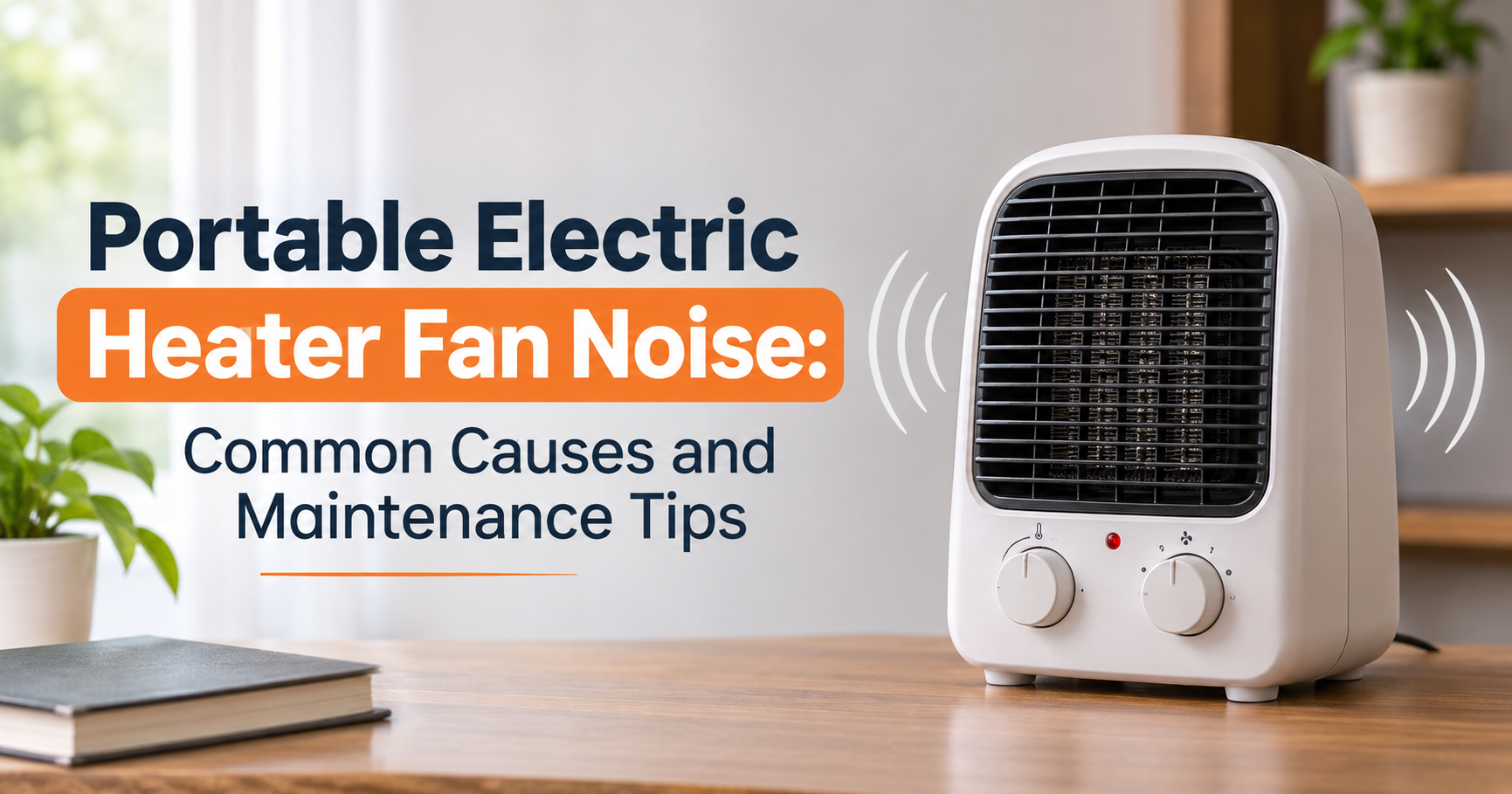
- Failing fan: In fan-forced heaters, a slow or stopped fan lets heat build up quickly inside the housing.
- Faulty thermostat: If the thermostat sticks, the heater may keep heating long past the set temperature.
- Damaged cord or loose plug: Poor electrical contact creates heat at the plug or along the cord, which the internal sensors cannot always detect.
- Overloaded outlet: Sharing a circuit with other high-power appliances or using an extension cord can overheat the wiring.
How Overheating Protection Works
The process is simple. When temperature rises beyond the safe limit, a sensor responds, power is interrupted and the heater cools down. What happens next depends on the type of protection used.

Key Safety Components Explained
1. Thermostat
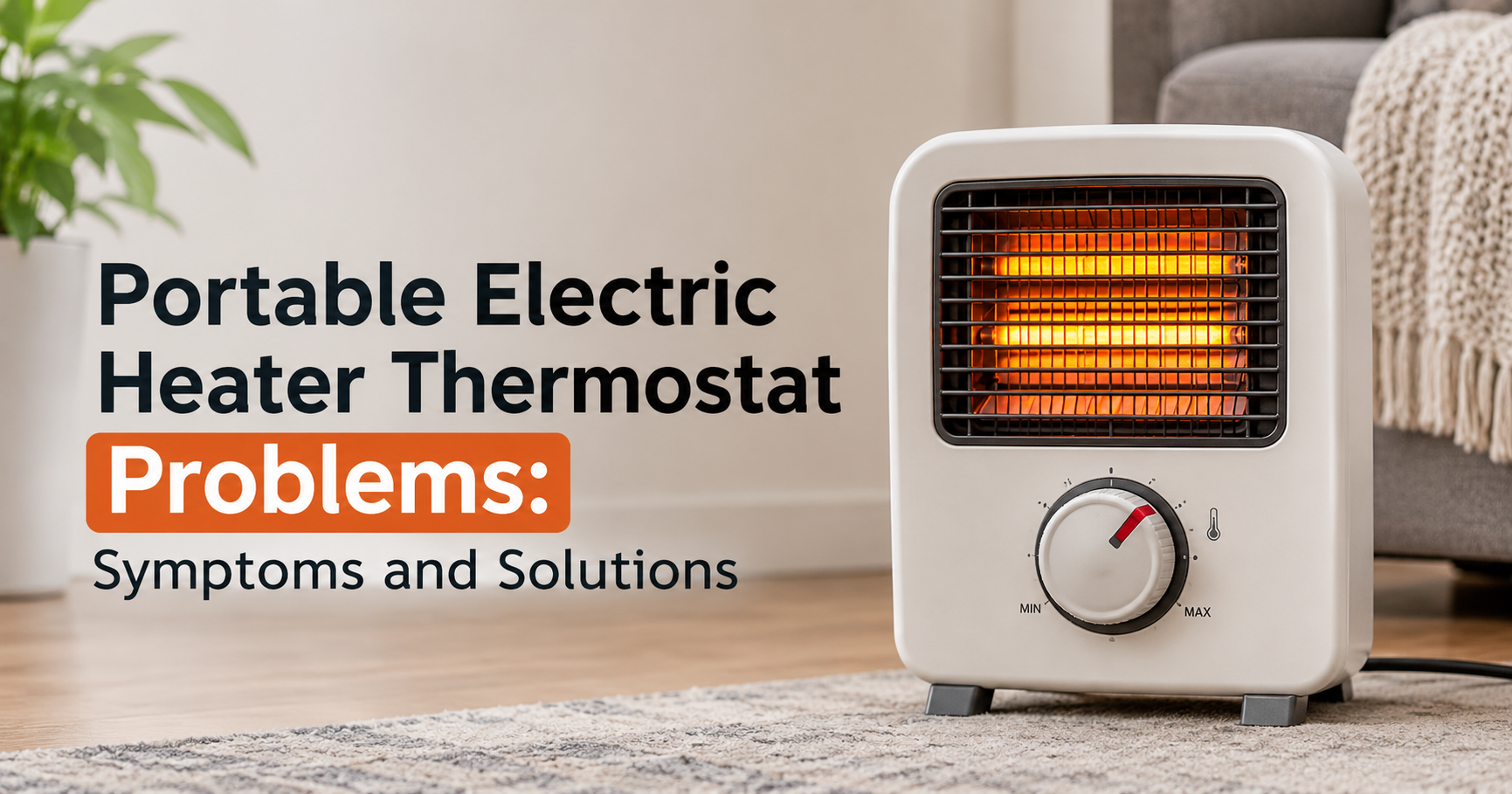
The thermostat is your everyday temperature control. It turns the heating element on and off to hold the room near the temperature you choose. It is not a safety device on its own, but it prevents the heater from running continuously, which lowers the chance of overheating.
2. Overheat Cut-Off Sensor
This is the main overheating protection. It may use a bimetallic strip, which bends as it heats and opens the circuit, or an electronic temperature sensor that signals the control board to cut power. In most heaters, it resets automatically once the unit cools down. If a heater keeps switching itself off, this sensor is often doing its job because of blocked airflow or dust.
3. Thermal Fuse
A thermal fuse is a backup that permanently breaks the circuit if temperatures climb high enough that the first sensor fails. It cannot reset. If it blows, the heater stops working completely and should be inspected or replaced rather than bypassed.
4. Tip-Over Switch
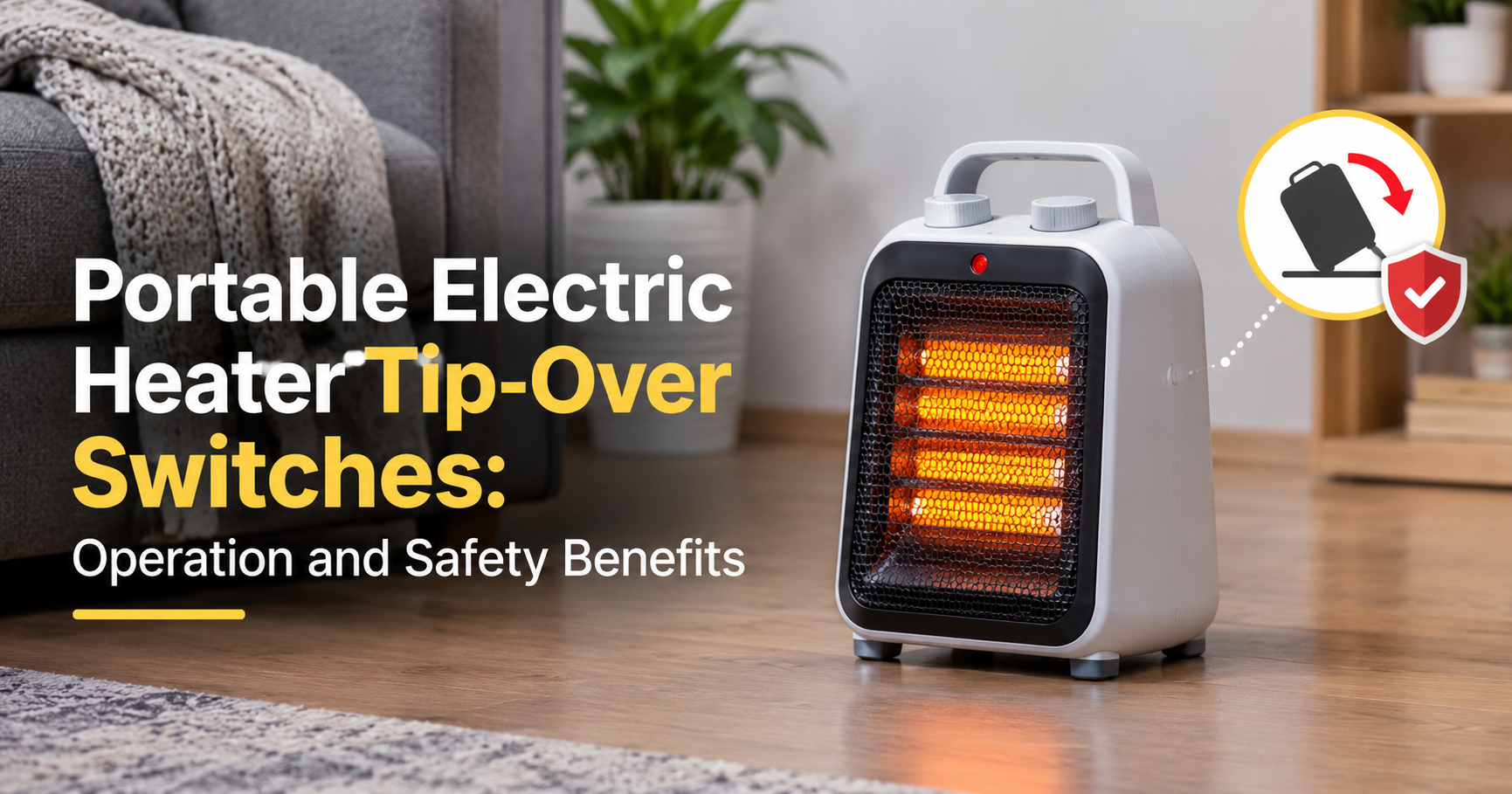
If the heater falls or tilts significantly, the tip-over switch cuts power immediately. It protects against the risk of a heater running face down on carpet or against bedding. It resets once the heater is upright again.
5. Auto Shut-Off Timer
Many modern heaters let you set a timer so the unit turns off after a chosen period. This is helpful for bedtime use or when you might forget to switch it off, but it should never replace safe habits.
6. Ceramic PTC Elements
Ceramic heaters use a PTC (positive temperature coefficient) element whose electrical resistance rises as it heats, which naturally limits how hot it can get. This self-regulating behavior is one reason many people see ceramic models as an inherently safer design, though they still need the other protections above.

Signs Your Heater Is Overheating
Stop using the heater and unplug it if you notice any of the following:
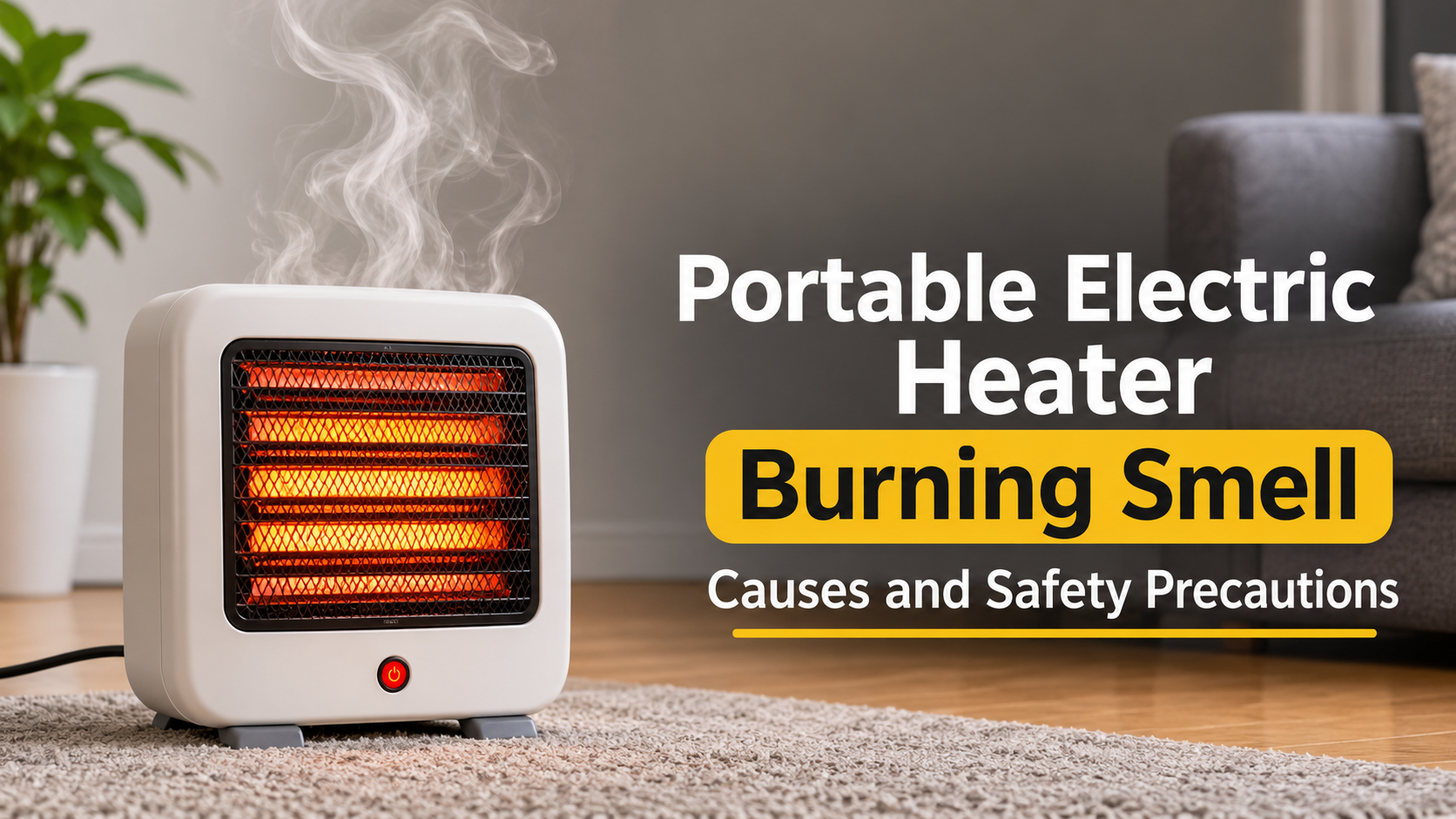
- A burning or hot plastic smell, especially a strong or lingering one
- The housing, plug or cord feeling extremely hot to the touch
- Discoloration, melting or warping on the plug, outlet or case
- Sparks, crackling or buzzing sounds
- The heater repeatedly shutting off and restarting
- A breaker that trips whenever the heater is on
A very faint smell the first time you run a new heater can come from manufacturing residue burning off. If it continues after a short time, switch the unit off and have it checked.
Why Does My Heater Keep Shutting Off?
When a heater cycles off on its own, the overheating protection is often responding to a real condition. Check these in order:
- Clear the airflow. Make sure nothing is blocking the front, back or sides.
- Clean the vents. Unplug the unit, let it cool, then remove dust from the grille and intake with a soft brush or vacuum.
- Check the tip-over switch. Place the heater on a flat, hard surface. Carpet or an uneven floor can trigger it.
- Inspect the cord and plug. If either is hot, loose or discolored, stop using the heater.
- Plug into a wall outlet. Avoid extension cords and power strips.
- Try a different outlet or circuit. If another large appliance shares the circuit, the breaker may be the issue.
If the heater still shuts off after these steps, do not try to disable the safety device. The unit may have a failing sensor or thermostat and should be repaired by a qualified technician or replaced.
How to Use a Portable Heater Safely
Overheating protection is a backup, not a license to be careless. Good habits do more than any single component.
- Keep a clear zone. Maintain at least 3 feet (about 1 meter) between the heater and anything that can burn, including curtains, bedding, furniture and paper.
- Use a flat, stable, non-flammable surface. Never place a heater on a bed, sofa or thick rug.
- Plug directly into a wall outlet. Extension cords and power strips are not designed for the high current a heater draws.
- Never cover the heater. Do not dry clothes on it or block the vents.
- Do not leave it running unattended. Turn it off when you leave the room or go to sleep, unless the manufacturer’s instructions explicitly allow otherwise and the unit has proper protections.
- Keep children and pets away. Choose a model with cool-touch housing and a guarded element if they are around.
- Do not use heaters in wet areas. Unless the heater is specifically rated for bathrooms, keep it away from water.
- Inspect the cord regularly. Replace the heater if the cord is frayed, cracked or hot.

Maintenance Tips to Keep Protection Working
- Clean dust from vents and grilles at least once a month during heavy use.
- Store the heater in a dry place with the cord loosely coiled over summer.
- Test the tip-over switch gently when the unit is cool and unplugged: it should feel like it clicks or clears when tilted, as described in the manual.
- Check the plug and outlet for warmth after the heater has run for a while. Warmth is normal; strong heat is not.
- Replace the heater if it is old, has damaged parts or has been dropped hard.
What to Look for When Buying a Heater with Good Overheating Protection
When comparing models, the specification sheet and packaging can tell you a lot. These are the features that matter most:
- Recognized safety certification: Look for a mark from a recognized safety testing laboratory on the product or packaging.
- Overheat protection stated clearly: The listing should mention automatic overheat shut-off, not just a thermostat.
- Tip-over protection: This is essential for any portable model.
- Cool-touch housing and a guarded element: Especially important in homes with children or pets.
- Adjustable thermostat: Helps the heater cycle instead of running at full power constantly.
- Timer or auto shut-off: A useful extra layer, not a replacement for the above.
- Sturdy cord and plug: A thick, short cord with a snug-fitting plug is better than a thin one.
- Right size for the room: A heater working at its limit all day is under stress. Choose wattage that suits your room size.

Ceramic, Oil-Filled and Fan Heaters: Which Is Safer?
No heater type is completely risk-free, but their designs differ.
- Ceramic heaters heat up quickly and use a self-regulating element. Many have cool-touch exteriors, making them popular for small rooms.
- Oil-filled radiators heat slowly and the surface stays warm rather than glowing hot. They are quiet and well suited for longer use, but the surface can still get hot enough to burn skin or ignite nearby fabrics.
- Fan heaters warm a space fast but depend on the fan for cooling. A failed fan or blocked intake is a common overheating cause, so good sensors matter here.
- Radiant or infrared heaters have very hot elements, so keeping clearances and guards in place is especially important.
Whatever type you choose, the same rules apply: certified product, proper protections, clear space and sensible use.
Frequently Asked Questions
Do all portable electric heaters have overheating protection?
Most reputable modern heaters include it, but cheap or uncertified models may not. Always check the specifications and look for a recognized safety certification.
Is it safe to leave a heater on overnight?
Safety organizations generally advise turning portable heaters off when you sleep or leave the room. Overheating protection is a backup and should not be relied on for unattended use.
Can I reset the overheating protection myself?
If it is an automatic reset type, the heater will restart once cooled. Unplug it, let it cool, clear blockages and try again. A blown thermal fuse cannot be reset and the heater should be serviced or replaced.
Why does my new heater smell when I first turn it on?
A mild odor on first use is often manufacturing residue burning off and should fade within a short time. A strong or persistent smell is a warning sign, and you should switch the heater off and unplug it.
Can I use an extension cord with a portable heater?
It is best avoided. Heaters draw high current, and many extension cords and power strips are not built for that load. Plug directly into a wall outlet.
How often should I replace a portable electric heater?
There is no fixed rule, but replace it if it shows damage, repeated shut-offs, a hot plug or cord, or after a hard drop. Older heaters with worn components are best retired.
Final Thoughts
Overheating protection is what separates a safe portable electric heater from a risky one. Look for a certified model with overheat shut-off, a tip-over switch and a sensible thermostat, then back it up with good habits: clear space, direct wall outlet use, regular cleaning and never leaving it unattended. A few minutes of care each season can keep your home warm and safe all winter.
Disclaimer: This article is for general information only. Always follow your heater manufacturer’s instructions and local safety guidance. If you suspect a fault, stop using the heater and contact a qualified professional.