
Every winter, a small plug-in heater promising “big heat for a tiny price” starts showing up in ads and online listings. The Handy Heater Turbo (sold as the Turbo 800 or Turbo Heat) is one of the most talked-about. It costs roughly $25 to $35, plugs straight into a wall outlet and claims to warm a room fast. But is the Handy Heater Turbo worth it, or is it just clever marketing?
This guide covers what it is, how it works, how much space it can realistically heat, what it costs to run, its pros and cons, and the safety questions every buyer should ask first.
What Is the Handy Heater Turbo?
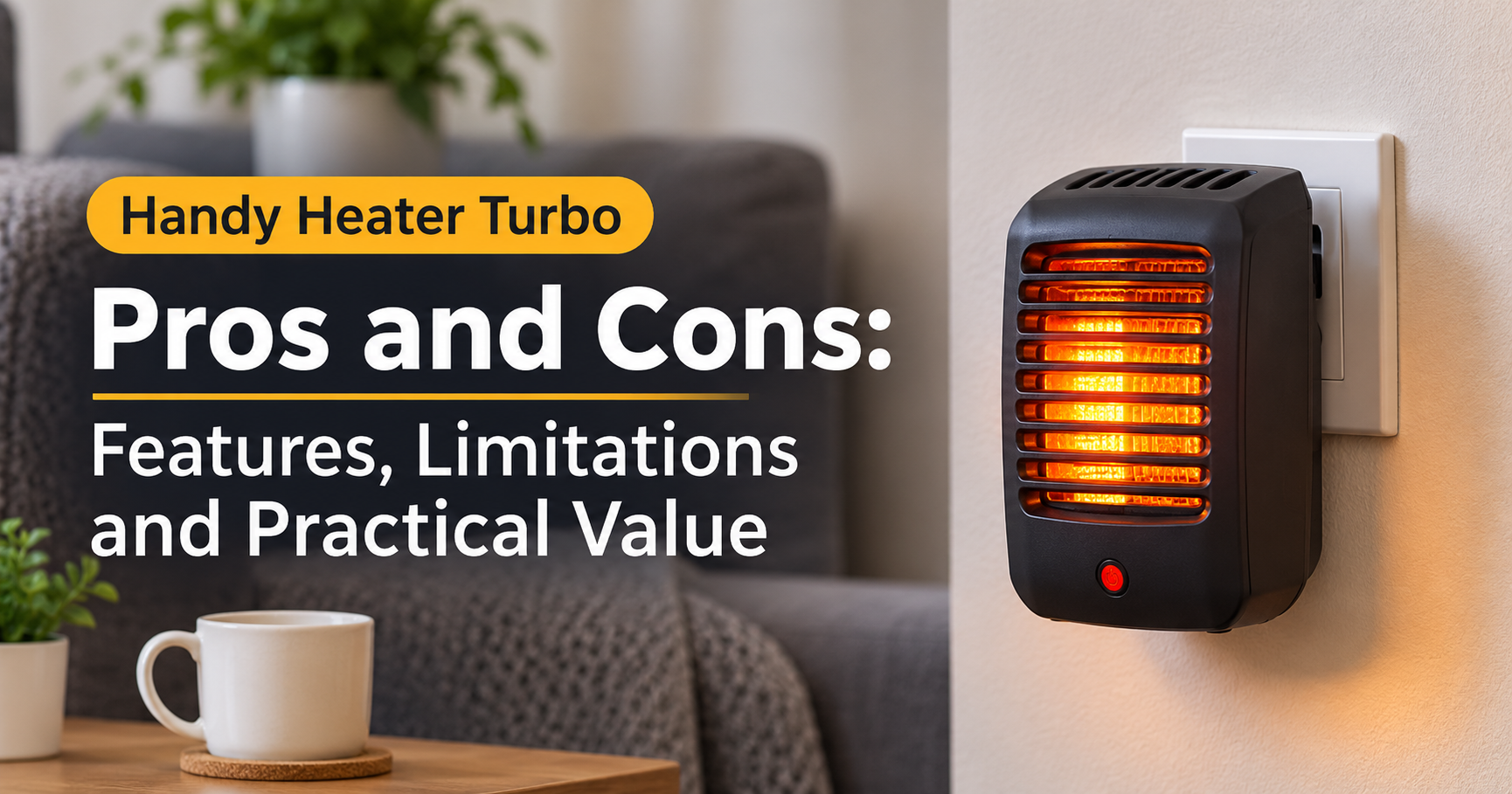
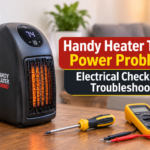
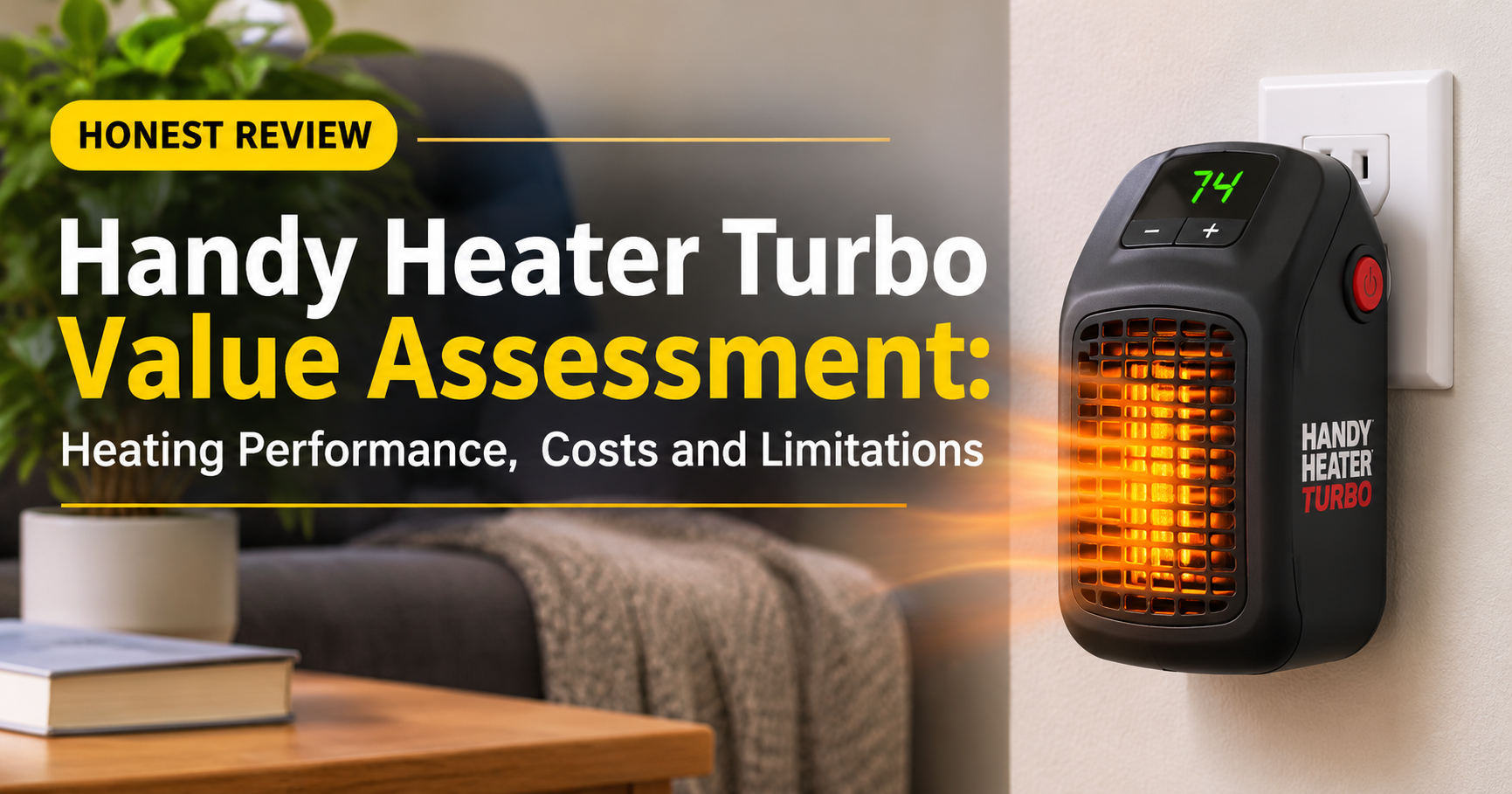
The Handy Heater Turbo is a compact, wall-mounted personal space heater. Instead of a power cord, it has pins built into the back, so the whole unit plugs directly into a standard outlet and hangs from the wall. It uses ceramic heating technology and is marketed as quiet, space-saving and cord-free.
Key Specifications

- Power: 800 watts (about 2,730 BTU per hour)
- Heating type: Ceramic (PTC) element with a built-in fan
- Thermostat: Adjustable, roughly 60 to 90 °F
- Timer: Programmable, up to 12 hours
- Safety features advertised: Auto shut-off and overheat protection
- Typical price: About $25 to $35 depending on the seller
How Does It Work?
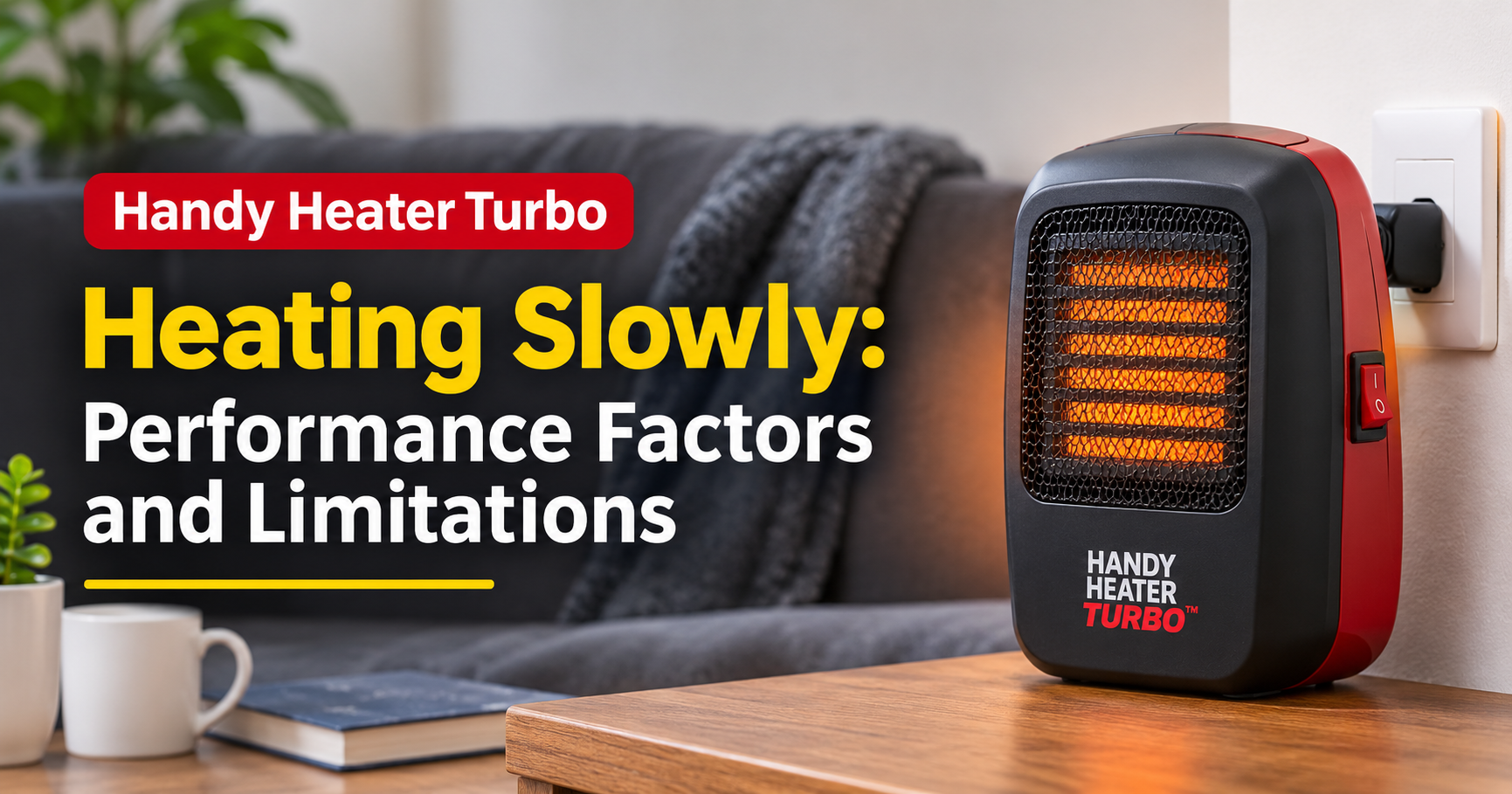
Ceramic heaters pass electricity through ceramic plates that warm up quickly. A small fan blows air across the hot plates and into your space. Because the output is only 800 watts, it heats the air near the unit rather than transforming a whole room. That is why it feels pleasant at close range but weak from across the room.
How Much Space Can It Really Heat?
Some listings claim coverage of up to 250 square feet. That looks optimistic. A common rule of thumb is about 10 watts per square foot for a room with normal insulation, which means 800 watts is better matched to around 80 square feet. Think of a small office nook, a tiny bathroom or the area around a desk, not a living room or master bedroom.
Is It Cheap to Run?
At 0.8 kW, the heater uses 0.8 kWh per hour at full power. With electricity at 15 to 20 cents per kWh, that is about 12 to 16 cents per hour, and the thermostat cycles the element off once the target temperature is reached. For short sessions in a small space, that is cheap. But it will not noticeably reduce a whole-home heating bill, because it only warms a small area.
Pros of the Handy Heater Turbo
- Very low price compared with most plug-in heaters.
- No floor space needed, which is handy in cramped rooms and offices.
- Thermostat and 12-hour timer, uncommon at this price.
- Fast, targeted warmth for feet, hands or a small seating area.
- Light and portable, easy to move between rooms or take to a dorm or RV.
- Many positive user comments for small spaces; a major home improvement retailer listing once showed around 4.7 out of 5 stars from shoppers.
Cons and Concerns
- Low output: 800 watts cannot heat a large or drafty room.
- Weight on the outlet: hanging directly from the socket can put strain on the receptacle, especially an old or loose one.
- No remote control and limited controls compared with larger heaters.
- Exaggerated marketing: coverage claims and “it replaces your furnace” style messaging are not realistic.
- Safety and compliance problems in some countries (see below).
The Safety Question You Should Not Skip
This is the most important part of the “is it worth it” decision. In late 2026, Australian consumer group CHOICE reported that the Handy Heater Turbo 800, which had earned a Shonky Award in 2025, was still being sold on several online marketplaces. According to CHOICE, the heater has no power cord and plugs in through integral pins, which breaches Australian electrical safety standards. It also lacks a standard Australian plug and needs an overseas adapter, which in CHOICE’s testing made the unit sag and left electrical pins exposed. Inside, testers reported poor wiring, no internal thermal protection and a heating element mounted directly onto thermoplastic material. CHOICE’s heating expert warned of a serious risk of fire or electrical fault.
These findings relate to the version tested and sold in Australia, so they do not automatically apply to every unit in every market. Still, they are a strong reminder that very cheap heaters from unknown sellers deserve extra scrutiny. Before buying any heater of this type, check these points:
- Does it carry a recognized safety certification for your country (for example UL or ETL in North America, or the relevant regulatory mark where you live)?
- Is it being sold by the official brand or a reputable retailer, rather than an anonymous marketplace seller?
- Is it legal and compliant with electrical standards in your region?
Safe Use Tips If You Already Own One
- Plug it only into a solid, tight, undamaged outlet. If the plug feels loose or the outlet gets warm, stop using it.
- Never use extension cords or power strips with it.
- Keep curtains, bedding, furniture and clutter well away from the front and top.
- Do not leave it running unattended or while you sleep.
- Keep it away from water and do not use it in wet areas unless it is rated for them.
- Inspect it regularly for discoloration, melting, burning smells or buzzing, and unplug it immediately if you notice any.
- Install working smoke alarms in any room where you use a heater.
Who Should Buy It, and Who Should Skip It?

It may suit you if you want a little extra warmth for a desk, a small bathroom or a compact room, you live somewhere the product is sold through legitimate channels, and you will use it briefly and with supervision.
Skip it if you need to heat a bedroom or living room, you plan to run it for long periods or overnight, you live in a region where the model is reported as non-compliant, or you are buying from an unfamiliar third-party seller.
Better Alternatives to Consider
- Certified oscillating or tower ceramic heaters with tip-over and overheat protection for larger rooms.
- Oil-filled radiators for steady, quiet heat in bedrooms.
- Heated throws and electric blankets for personal warmth at lower wattage.
- Under-desk foot warmers with a proper cord and safety certification.
Frequently Asked Questions
Is the Handy Heater Turbo worth the money?
For a small personal space and short use, the low price and features can be good value, provided your unit is certified and legally sold in your country. For anything larger, or where safety compliance is in doubt, it is not worth the risk.
Can it heat a whole room?
No. At 800 watts it is realistically suited to about 80 square feet, despite larger claims.
Is it safe to leave on overnight?
No. No portable heater of this type should be left running unattended or while you sleep.
Does it save on electricity bills?
Only if you use it to warm yourself in one spot while lowering the main thermostat. It will not cut heating costs for a whole home.
Why did consumer groups criticize it?
Australian testers reported that the version sold there did not meet local electrical standards and showed worrying internal construction. Always check certification where you live.
Final Verdict: Is Handy Heater Turbo Worth It?
The Handy Heater Turbo is a cheap, convenient way to take the chill off a very small area. The thermostat, timer and compact design are real positives. But its heating power is limited, the marketing oversells it, and serious safety concerns have been raised about units sold in some markets. If you do buy a plug-in heater, choose one with clear safety certification, buy from a trusted seller and use it with care. For larger rooms or everyday primary heating, a properly certified, higher-capacity heater is the smarter choice.
Disclaimer: This article is for general information only and is not professional electrical or safety advice. Always follow the manufacturer’s instructions and your local electrical regulations.