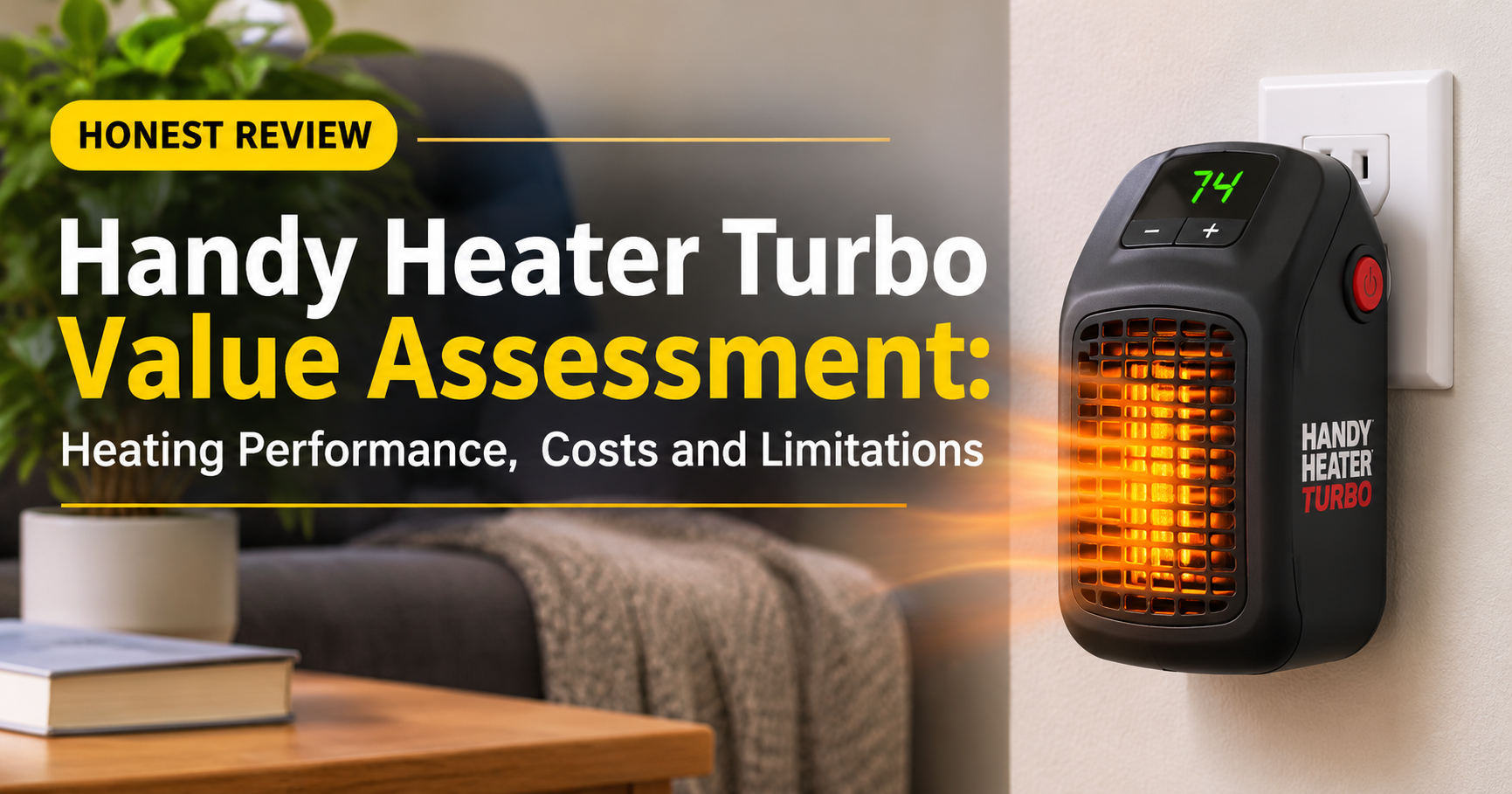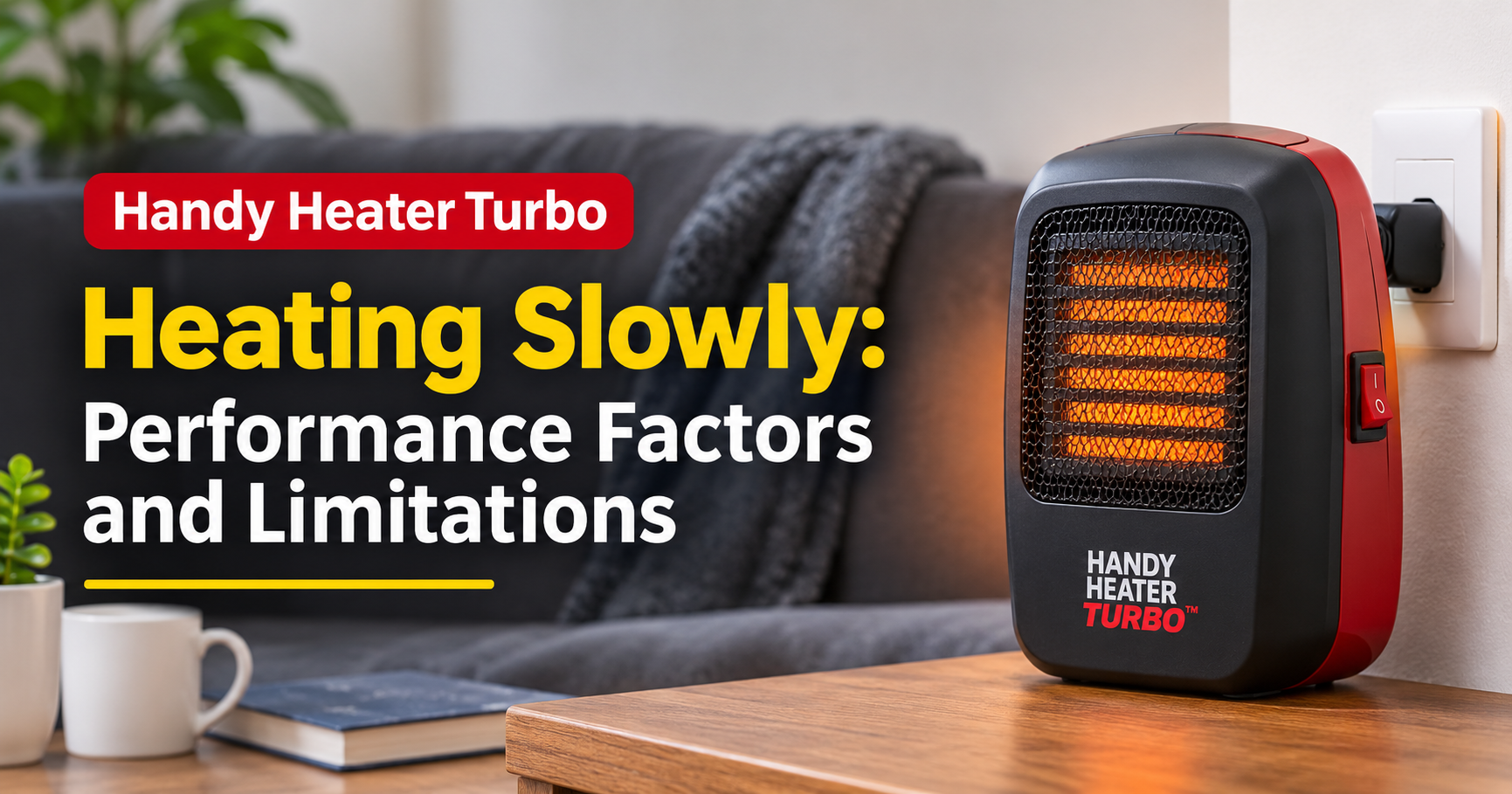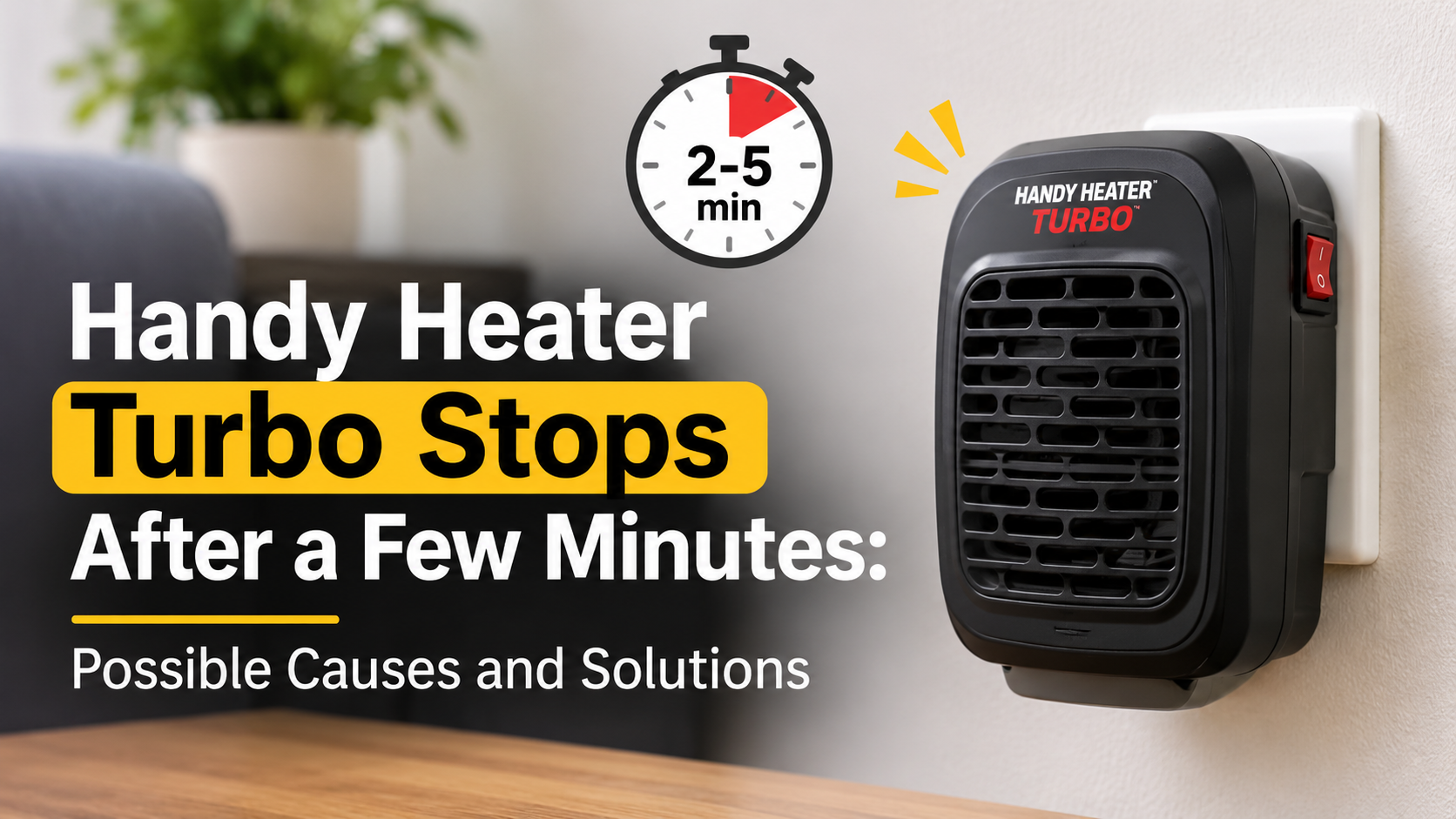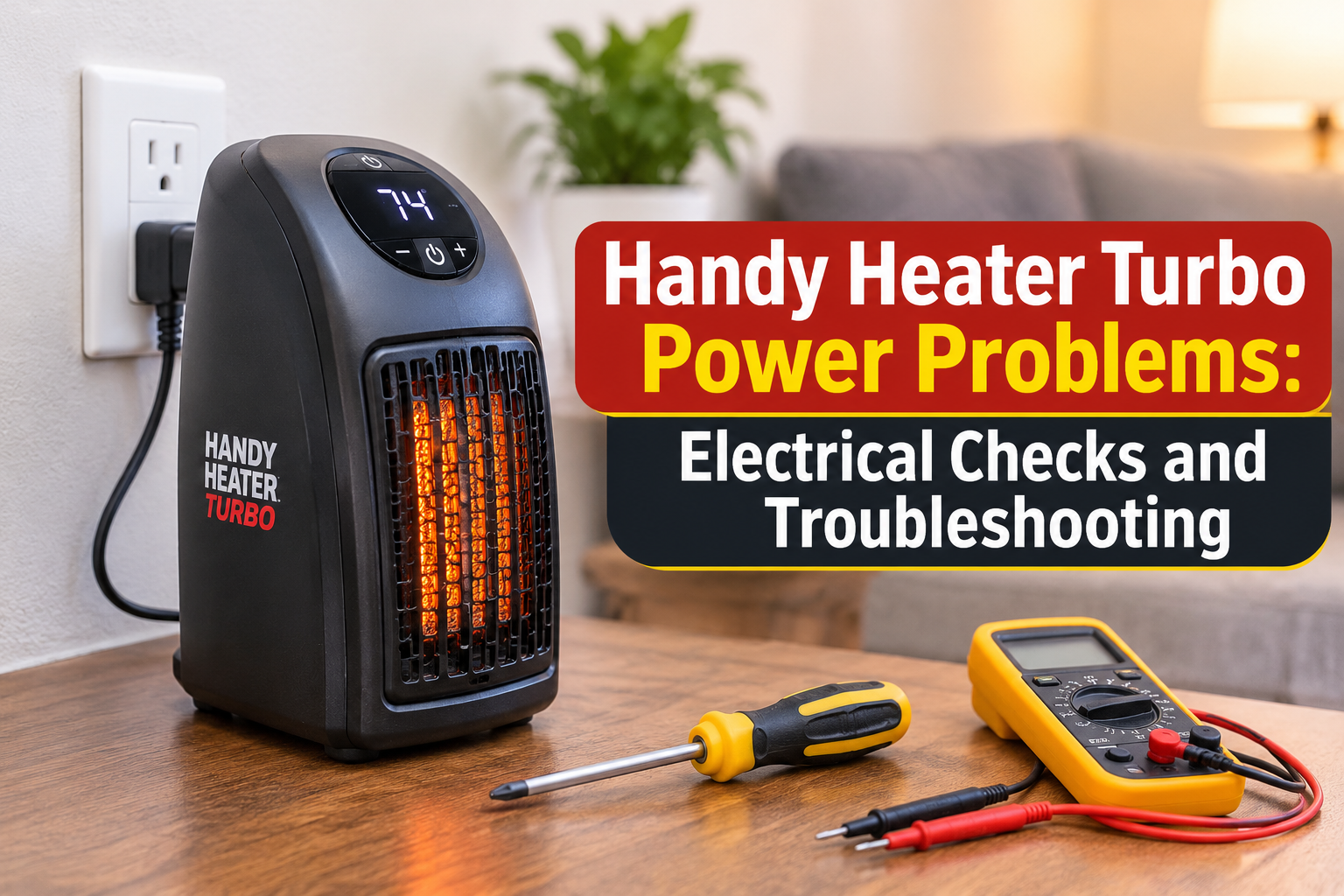

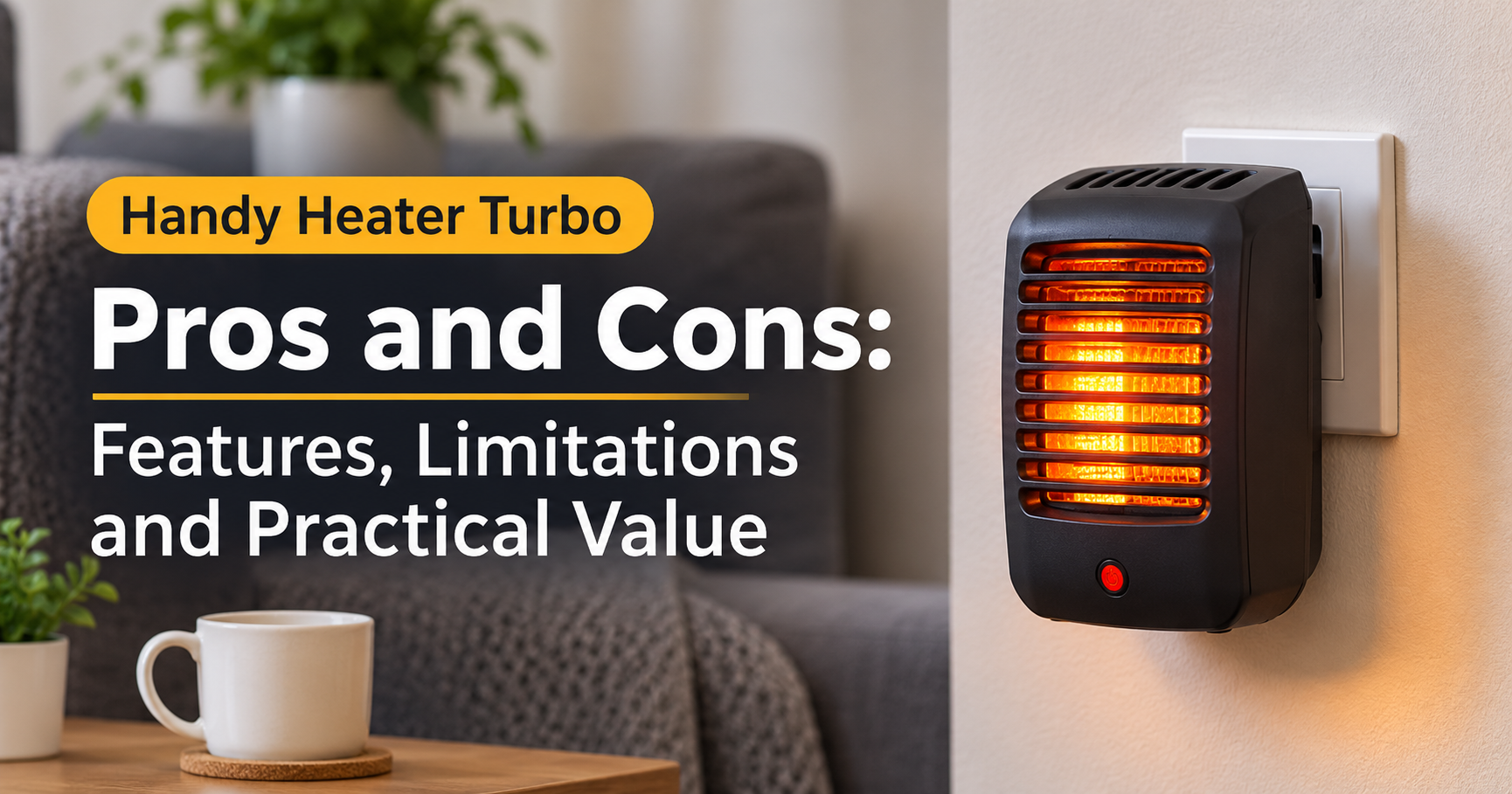
Every winter, small plug-in heaters like the Handy Heater Turbo pop up in online ads with bold promises: instant heat, tiny size and lower electricity bills. It is easy to see the appeal. But does a compact heater really deliver what the marketing says? In this guide we look at the Handy Heater Turbo pros and cons in plain language, so you can decide whether it fits your space, your budget and your safety expectations.
We will cover how this type of heater works, what it does well, where it struggles, the real running cost, safety rules, and a few smarter alternatives for larger rooms. By the end you will know exactly who should buy it and who should skip it.
Quick Verdict
The Handy Heater Turbo is a small, portable ceramic-style plug-in heater designed for personal, short-range warmth. It is a reasonable choice for a desk, a bathroom corner, a small bedroom or a cold spot near where you sit. It is not a replacement for central heating or a full room heater. If you expect it to warm a large living room, you will likely be disappointed.
What Is the Handy Heater Turbo?
The Handy Heater Turbo is a compact electric heater that plugs directly into a standard wall outlet. Units in this category typically use a PTC ceramic heating element and a small built-in fan. The fan pushes air across the hot ceramic plates, and warm air flows out the front. The word “turbo” usually refers to the fan-forced mode that moves warm air faster.
Because specifications can vary between batches and sellers, always check the label on your own unit for the exact wattage, voltage rating and safety markings before use.
How Does a Ceramic Plug-In Heater Work?
Ceramic heaters use a material called PTC (positive temperature coefficient) ceramic. As the ceramic warms up, its electrical resistance rises, which naturally limits how hot it can get. That self-regulating behavior is one reason ceramic heaters are popular in small designs.
- Electricity flows through the ceramic element and turns into heat.
- The fan blows air across the element and into your space.
- A thermostat or temperature sensor, where fitted, cycles the heater to hold the chosen warmth.
- Overheat protection cuts power if internal temperatures rise too high.
Handy Heater Turbo Pros and Cons at a Glance

The Pros of the Handy Heater Turbo
1. Compact and Easy to Carry
This is the biggest strength. The heater is small enough to move from room to room, store in a drawer during summer or carry in a bag. If you rent, live in a dorm or work in a small office, that portability is genuinely useful.
2. Quick Warm-Up for Nearby Areas
Ceramic elements heat up within seconds, and the fan moves warm air toward you right away. For a person sitting at a desk or standing in a chilly bathroom, the warmth is noticeable quickly.
3. Low Upfront Cost
Compared with oil-filled radiators, large ceramic towers or infrared panels, small plug-in heaters usually cost much less to buy. If you only need occasional spot heating, a low entry price is attractive.
4. Simple to Use
There is no assembly, no oil, and no complex menu. You plug it in, choose a setting and you are done. This makes it easy for older family members or anyone who dislikes complicated gadgets.
5. Built-In Safety Features
Most reputable heaters of this type include overheat protection, and many add a tip-over feature. These protections reduce risk, although they never replace careful placement and supervision.
6. Low Power Draw Compared With Larger Heaters
A small heater draws far less power than a full 1500-watt unit. For short sessions of personal warmth, the cost per hour stays low.
The Cons of the Handy Heater Turbo
1. Very Limited Coverage
The most important limitation is range. A small heater simply does not produce enough total heat to raise the temperature of a big room. You will feel warmth when you are close, and very little when you are far away.

2. Marketing Claims Can Be Exaggerated
Advertising for small heaters often claims they heat a whole room, save large amounts on energy bills or work “10 times faster” than other heaters. Physics does not work that way. Any electric heater converts nearly all the electricity it uses into heat. A heater cannot produce more heat than the power it consumes, so a small-wattage unit will always have a small-sized effect.
3. Fan Noise in Turbo Mode
The fan adds noise, especially on the highest setting. For light sleepers, quiet offices or video calls, this can become annoying.
4. Dry Air
Forced-air heaters can make the air feel dry, which may irritate skin, eyes and the throat. A small bowl of water or a humidifier in the room can help.
5. Outlet Strain and Plug Heat
Plug-in heaters hang directly from the wall socket. A loose, worn or damaged outlet can overheat under constant load. If the plug or socket feels more than mildly warm, stop using the heater immediately and have the outlet checked.
6. Quality Can Vary
Products sold through online ads can differ in build quality, labeling and safety certification. Some units may lack clear markings or reliable support. This is why checking certifications and buying from a trusted seller matters so much.
Is the Handy Heater Turbo Cheap to Run?
Electricity cost depends on wattage, hours of use and your local rate. Here is a simple way to estimate it:
Cost per hour = (Watts ÷ 1000) × your price per kWh
| Heater Power | Energy per Hour | Example Cost per Hour* |
|---|---|---|
| 400 W | 0.4 kWh | About $0.06 |
| 900 W | 0.9 kWh | About $0.14 |
| 1500 W | 1.5 kWh | About $0.24 |
*Example uses a rate of $0.16 per kWh. Your actual rate may be different.
The key lesson: a small heater is cheap to run because it is small, not because it uses a magic technology. It saves money only when you heat yourself instead of an entire house.
Who Should Buy the Handy Heater Turbo?
- People who need a bit of warmth at a desk, workstation or reading chair.
- Anyone with one cold corner, such as a bathroom or entryway.
- Renters and students who want something portable and inexpensive.
- Households that want a backup heater for short, occasional use.
Who Should Skip It?
- People who want to heat a large living room or open-plan space.
- Anyone planning to rely on it as the main source of heat all winter.
- Users who want to run it overnight unattended.
- Buyers who expect large energy savings.
Safety Tips Before You Plug It In
Portable heaters are a leading cause of home heating fires when misused, so safety is not optional. Follow these rules every time.

- Plug directly into the wall. Do not use extension cords or power strips, because they can overheat under heavy load.
- Keep clearance. Leave at least 3 feet of free space around the heater, away from curtains, bedding, furniture and paper.
- Never cover it. Do not dry clothes or towels on or near the heater.
- Stay dry. Keep it away from water and never touch it with wet hands.
- Inspect regularly. Check the plug, cord and outlet for discoloration, melting or loose fit.
- Unplug when not in use. Always unplug it when leaving the room or going to sleep.
- Use on a flat, hard surface and keep it away from children and pets.
What to Check Before Buying
| Check | Why It Matters |
|---|---|
| Wattage and voltage label | Confirms it matches your outlet and tells you the real heating power. |
| Safety certification marks | Shows the product was tested to recognized safety standards. |
| Overheat and tip-over protection | Reduces fire and accident risk. |
| Return and warranty policy | Protects you if the unit is faulty or does not perform. |
| Customer reviews from real buyers | Reveals real-world noise, heat output and reliability. |
Handy Heater Turbo vs Other Heater Types
| Heater Type | Best For | Main Drawback |
|---|---|---|
| Small plug-in ceramic (like the Handy Heater Turbo) | Personal spot heating | Small coverage |
| Ceramic tower or fan heater | Small to medium rooms | Fan noise, higher power use |
| Oil-filled radiator | Steady, quiet heat | Slow to warm, heavy |
| Infrared heater | Direct warmth on people | Warms objects in line of sight only |
Tips to Get the Best Results
- Place it close to where you sit, ideally within 3 to 6 feet.
- Close doors and windows to keep warmth from escaping.
- Use it in a small, closed room rather than an open space.
- Wear warm layers and use blankets alongside the heater.
- Run it in shorter sessions instead of leaving it on for many hours.
Frequently Asked Questions
Can the Handy Heater Turbo heat a whole room?
Not effectively. It is built for personal and small-area warmth. In a small, closed room it can make a noticeable difference, but a large room needs a higher-capacity heater.
Does it really save electricity?
It uses little electricity because it is low power, but it does not create extra heat from less energy. Savings only happen if you use it instead of heating a much larger space.
Is it safe to leave on overnight?
Safety experts generally advise against leaving portable heaters running while you sleep or when no one is home. Unplug it before bed.
Why is it blowing warm instead of hot air?
Small heaters produce modest heat. If the output seems weak, check that the vents are clear, the outlet is working and the thermostat is set higher.
Can I use it in the bathroom?
Only if the product is specifically rated for that environment and kept well away from water, sinks and showers. Check the manual and markings first.
Is it good for pets and kids?
Use extra caution. Keep it out of reach, and never let pets or children touch or sit directly in front of the vents.
Final Verdict: Is the Handy Heater Turbo Worth It?
The Handy Heater Turbo has a clear place for a specific type of buyer. It is portable, affordable, simple and quick to warm up a small zone. Those are real benefits, especially for desks, bathrooms and small bedrooms.
However, it has real limits. Its coverage is small, the advertising can overpromise, the fan can be noisy, and safe use depends on careful placement. If you set realistic expectations and treat it as a personal spot heater, it can be a handy winter companion. If you need to heat a large space or want an all-night, hands-off solution, a larger, certified heater designed for that job is the better investment.
Bottom line: Buy it for personal warmth in small spaces, ignore the exaggerated claims, and always follow the safety rules.