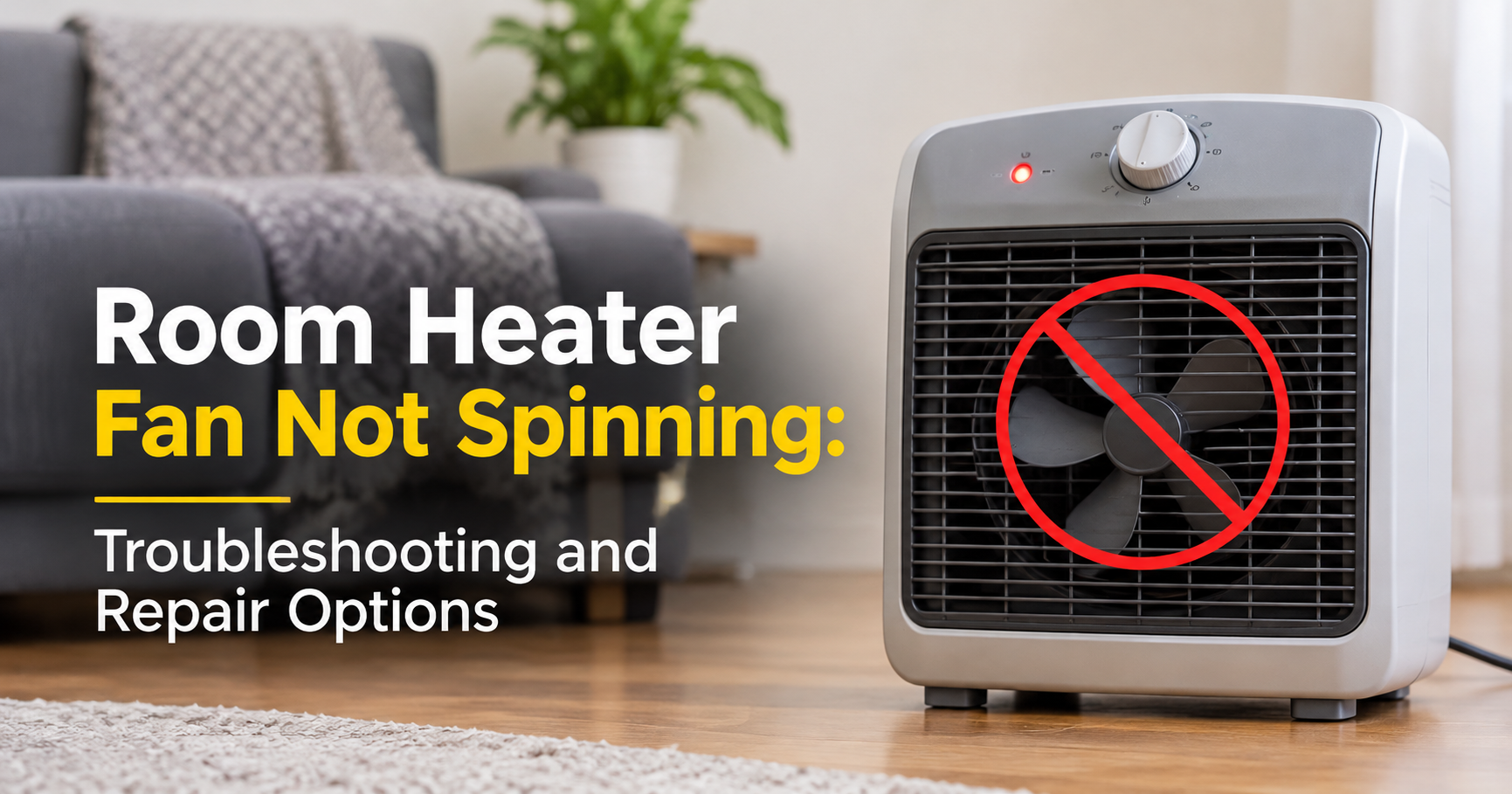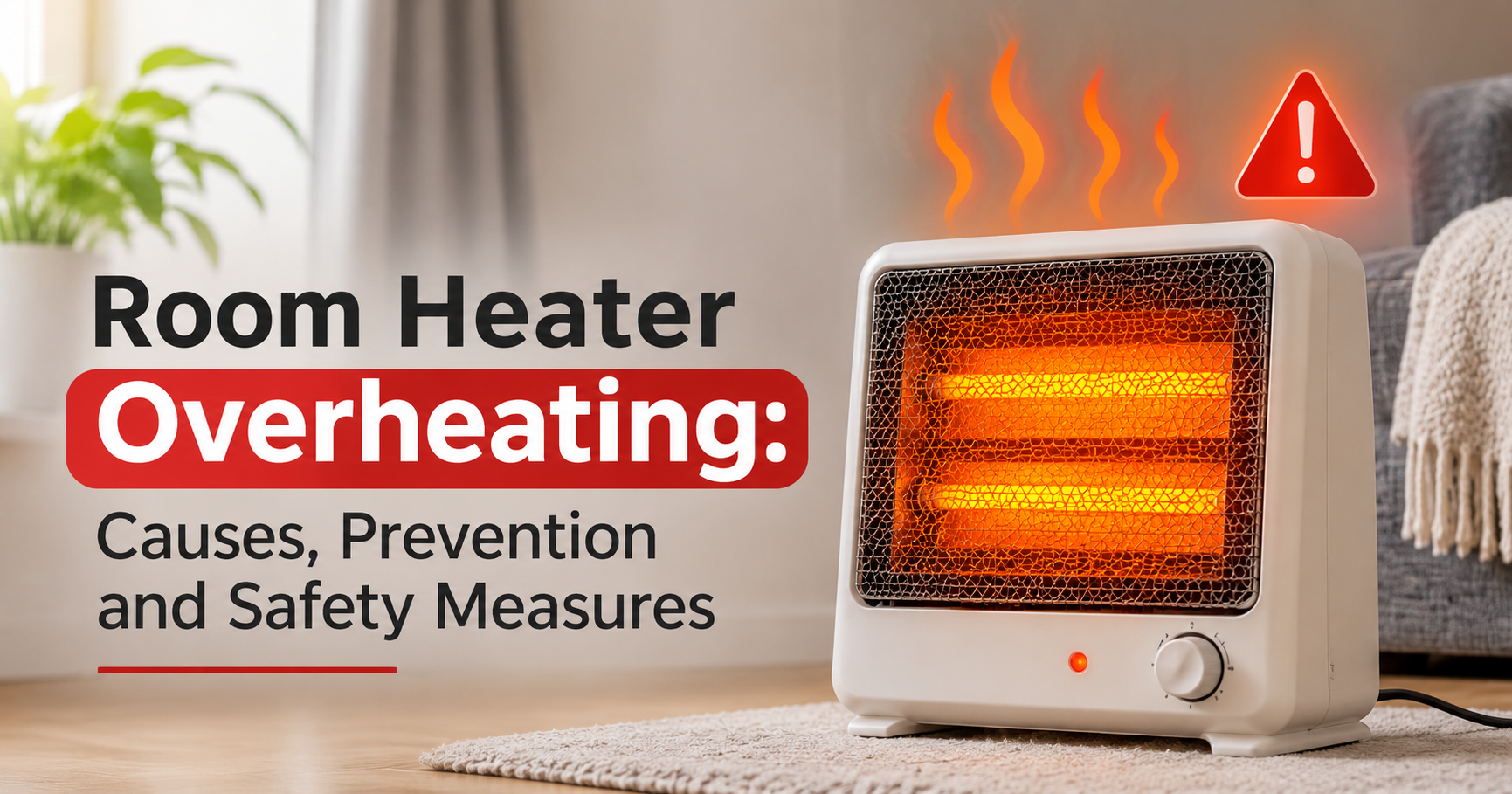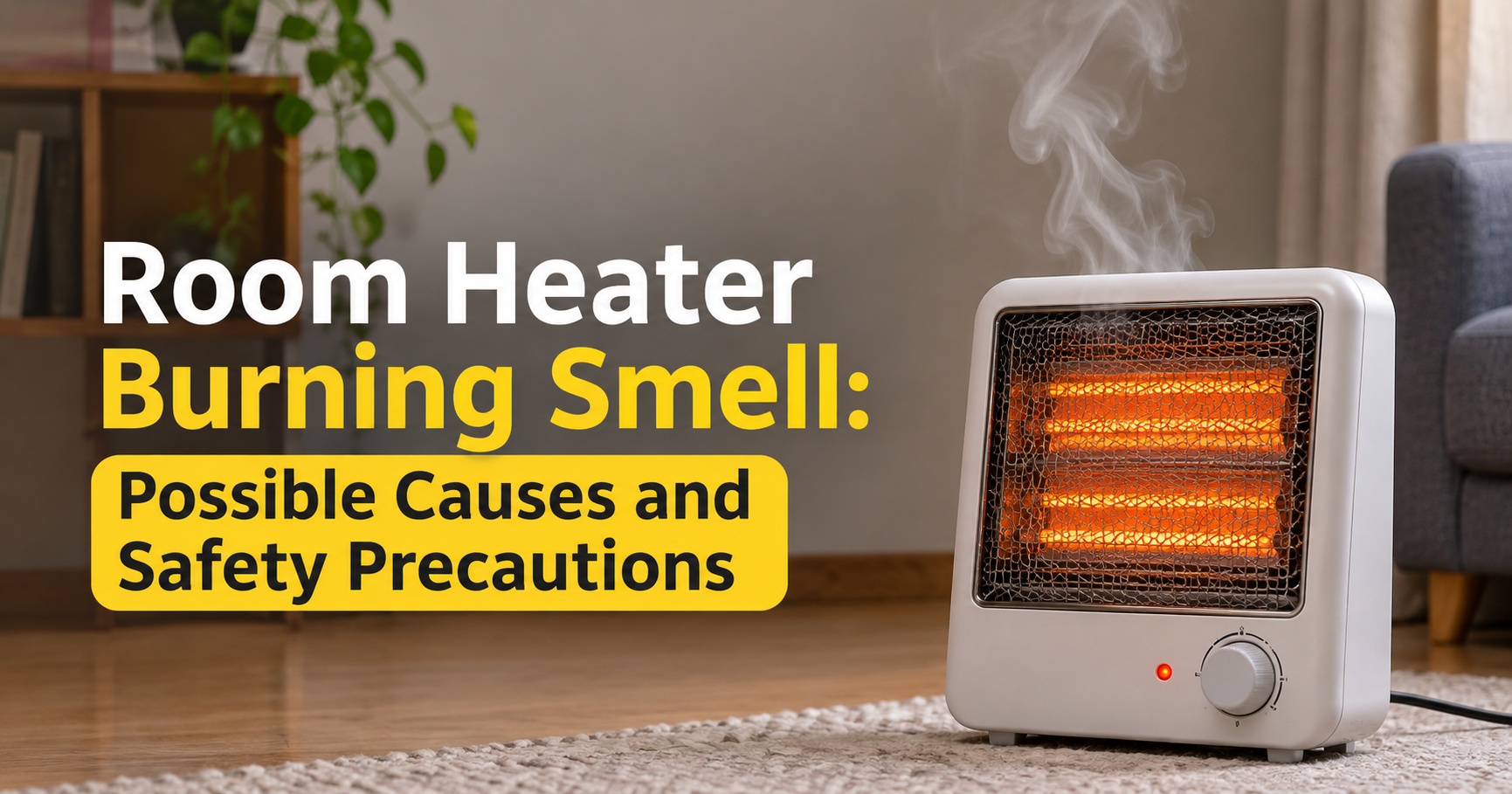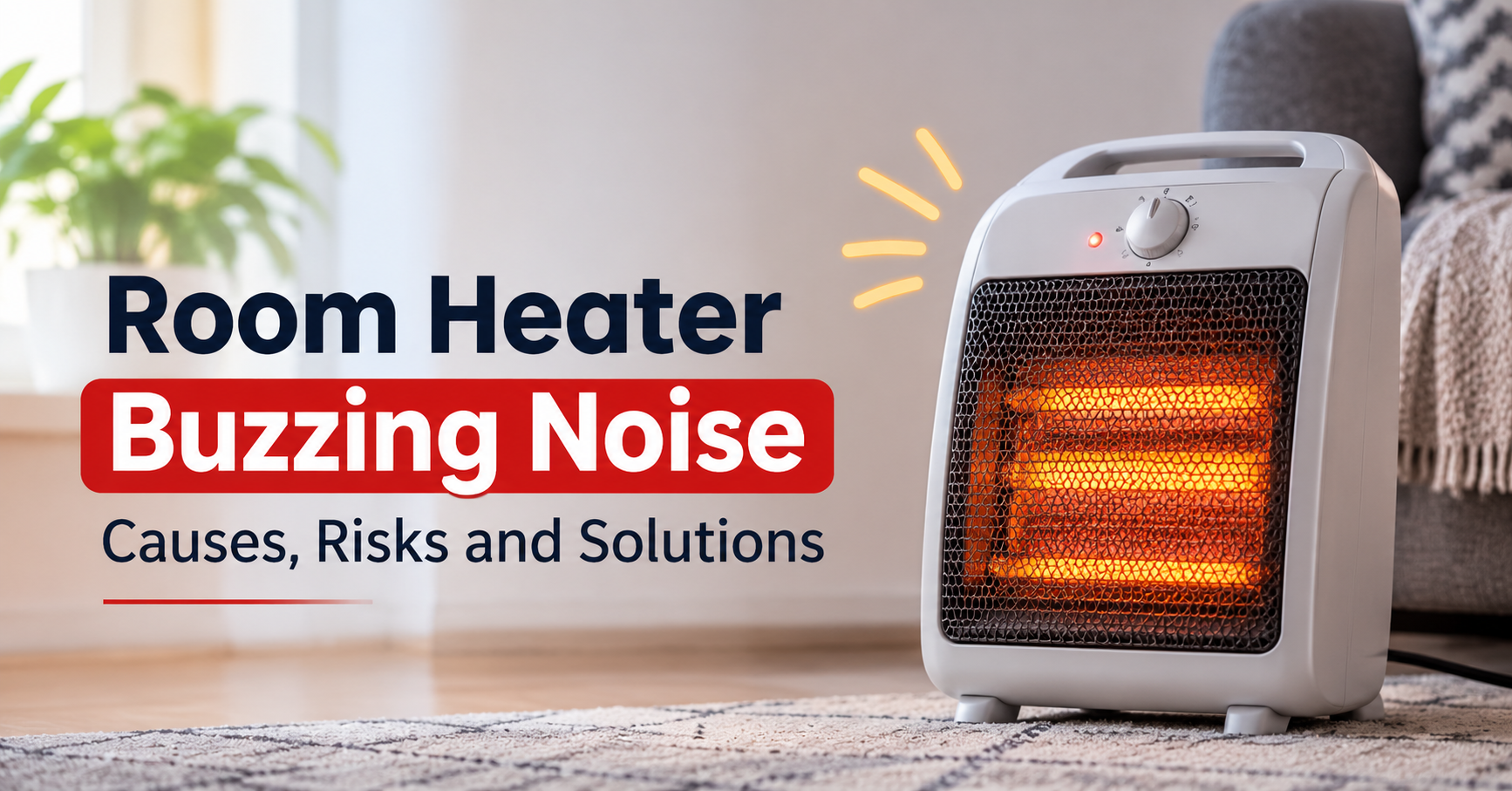
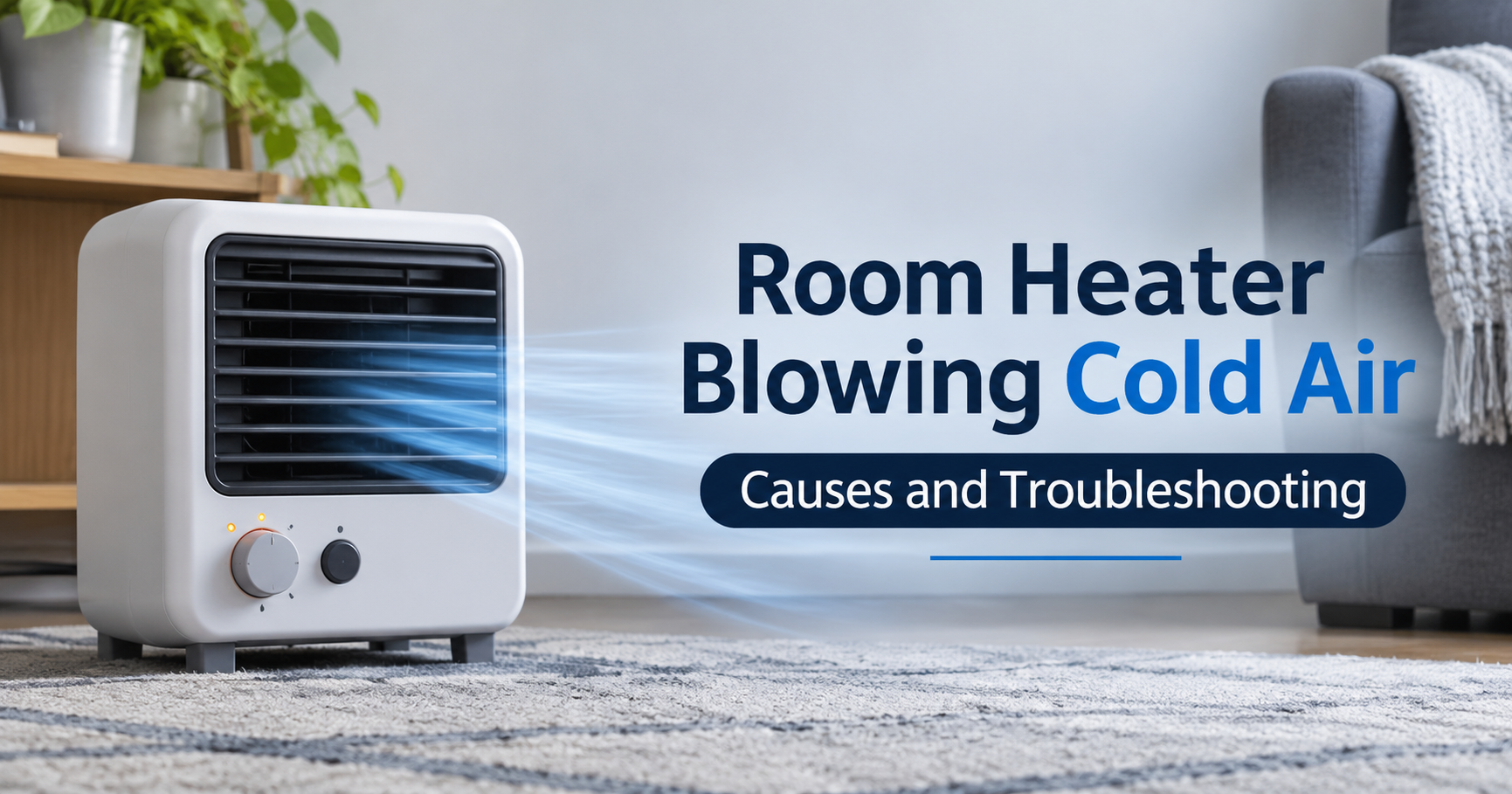

You switch on your room heater on a freezing evening, the fan starts humming, and then a stream of cold air hits your feet. It is frustrating, and it also makes you wonder whether the heater is broken, unsafe, or just badly set up. The good news is that a room heater blowing cold air is often caused by something small, such as a setting, a dusty vent, or a tripped safety switch. In other cases, a part inside has worn out and the heater needs repair or replacement.
This guide explains why a room heater blows cold air, how to tell the harmless causes from the serious ones, and what you can safely do at home. You will also find safety warnings, maintenance habits, buying tips, and answers to common questions.
Quick Answer
A room heater usually blows cold air because the heating element is not getting power or has failed, a safety cutoff has tripped, the thermostat is satisfied or faulty, or the heater is in fan-only mode. Start with the settings, clean the vents, test a different outlet, and reset the unit. If the air is still cold, a failed internal part is the likely cause.
Table of Contents
- How a Room Heater Produces Warm Air
- Is Cold Air Always a Problem?
- 9 Common Reasons a Room Heater Blows Cold Air
- Step-by-Step Troubleshooting
- Warning Signs You Should Never Ignore
- Repair or Replace?
- Choosing the Right Heater Size
- Maintenance Tips to Prevent Cold Air Problems
- Frequently Asked Questions
How a Room Heater Produces Warm Air
To understand why cold air comes out, it helps to know what is happening inside the heater. A typical electric fan heater has four main parts that work together:
- Fan: pulls room air in and pushes it across the heat source.
- Heating element: a metal coil or ceramic plate that gets hot when electricity passes through it.
- Thermostat: senses the room or air temperature and switches the heating element on and off.
- Thermal cutoff and tip-over switch: safety parts that cut the power to the element if the unit overheats or falls over.

The key point is that the fan and the heating element run on separate circuits. The fan can keep spinning perfectly well even when the element has no power. That is exactly why a heater can sound normal and still deliver cold air.
Is Cold Air Always a Problem?
Not always. Before you start taking things apart, check whether your heater is simply behaving the way it was designed to.
- Warm-up delay: some heaters run the fan for a short time before the element reaches full temperature.
- Cool-down mode: after you switch off, certain models keep the fan running to cool the element. This air can feel cool.
- Thermostat cycling: once the room reaches the set temperature, the element switches off and the fan may continue to blow room-temperature air.
- Oscillation: a moving heater spreads warm air across the room, so it can feel cooler at any single spot than a fixed heater.
If the heater gives warm air for a while and then blows cold air only when the room is already comfortable, that is normal behavior and not a fault.
9 Common Reasons a Room Heater Blows Cold Air
1. The Thermostat Is Set Too Low
This is the most common and the easiest to fix. If the thermostat is set lower than the current room temperature, the heater believes the room is warm enough and keeps the element off. The fan may still run. Turn the thermostat to its highest setting and wait a few minutes. If warm air arrives, the heater is fine and you only need a better setting.
2. Wrong Mode or Power Setting
Many modern heaters have several modes: fan only, low heat, high heat, eco, and sometimes a timer. If the heater is in fan-only or eco mode, it may blow cool or barely warm air on purpose. Check the control panel or remote. Select the highest heat setting, and make sure no timer or schedule has switched the element off.
3. Dust Blocking the Vents or Filter
Dust, pet hair, and lint collect at the air intake and around the element. When airflow is restricted, the inside of the heater overheats and the thermal cutoff switches the element off to protect the unit. The fan keeps running, so you feel cold air. A heater that gives warm air for a few minutes and then goes cold is a classic sign of this problem.
What to do: unplug the heater and let it cool completely. Use a soft brush or a vacuum with a brush attachment to clean the intake grille, the outlet grille, and any removable filter. Do not use water or sprays inside the unit.
4. Overheat Protection Has Tripped
Almost every electric heater has a thermal fuse or a resettable cutoff. It trips when temperatures inside rise too high. Common triggers include blocked vents, placing the heater too close to a wall or furniture, covering the heater, and running it on a soft surface like a carpet or bed. Some cutoffs reset automatically after cooling. Others need a manual reset button.
What to do: unplug the heater for at least 15 to 30 minutes, clear the area around it, and try again. If the cutoff trips repeatedly, do not keep resetting it. Something is wrong, and the heater needs to be inspected.
5. The Tip-Over Switch Is Activated
A tip-over switch cuts the heating power if the heater tilts or sits on an uneven surface. On some models, the fan still runs while the element is disabled. If your heater is leaning even slightly, or sitting on a soft rug, the switch may keep the element off. Place the heater on a hard, flat, level floor and restart it.
6. Power Supply Problems
Heaters draw a lot of current, often around 1500 watts. A loose plug, a worn outlet, a thin extension cord, or a power strip can cause a voltage drop. The low-power fan may still run, but the element may not get enough power to heat properly.
What to do: plug the heater directly into a wall outlet. Avoid extension cords and power strips. Try a different outlet on a different circuit. If other large appliances share the same circuit, the circuit may be overloaded.
7. A Failed Heating Element
Heating elements wear out over time, especially with heavy daily use. When an element burns out or breaks, the circuit is open, and no heat is produced. The fan, lights, and display may all work as normal, but the air stays cold. This is one of the most common reasons for a heater that never warms up even after several minutes.
A person with electrical experience can test the element with a multimeter while the heater is unplugged. A working element shows a low but measurable resistance. A reading of infinity means the element is broken. For most homeowners, a failed element means the heater should be replaced, since repair is rarely worth the cost on a budget unit.
8. A Faulty Thermostat or Temperature Sensor
If the thermostat or sensor fails, it may wrongly tell the heater that the room is already warm. The element then stays off while the fan runs. Symptoms include a heater that never heats at any setting, or one that switches on and off at odd times. A faulty sensor is not a DIY fix on most consumer heaters and usually points to replacement.
9. A Faulty Control Board, Switch, or Wiring
Digital heaters rely on a small control board to decide when to power the element. Heat, moisture, power surges, or age can damage the board. A damaged switch or loose internal connection can cause the same effect. Signs include flickering displays, buttons that do not respond, or heat that works only occasionally. Because these parts involve mains voltage, they should only be handled by a qualified technician.
Step-by-Step Troubleshooting
Work through the following checklist in order. It starts with the simplest and safest checks and moves toward the likely failed parts.

- Check the settings. Make sure the heater is in heat mode, the thermostat is set above the room temperature, and eco mode and timers are off.
- Wait a few minutes. Give the element two to five minutes to warm up before judging the airflow.
- Clean the vents and filter. Unplug the heater, let it cool, and remove dust from the intake and outlet.
- Test another outlet. Plug directly into the wall and skip extension cords and power strips.
- Reset the heater. Unplug for about 15 minutes so that the thermal cutoff can reset. Check for a reset button if your model has one.
- Move it to a flat, open spot. Keep at least three feet of clear space around the heater and place it on a hard, level floor.
If the heater still blows only cold air after all of these steps, a failed element, thermostat, sensor, or control board is the most likely cause.
Warning Signs You Should Never Ignore
Heaters work with high electrical power and high temperatures. Cold air alone is not dangerous, but certain accompanying signs mean you should stop using the heater at once, unplug it, and avoid using it until it has been checked.

- A persistent burning or melting smell, beyond the brief dusty odor at first use in a season
- Sparks, buzzing, or crackling noises
- A plug, outlet, or cord that feels hot to the touch
- Scorch marks, discolored plastic, or a warped casing
- The circuit breaker tripping each time the heater is switched on
Never try to bypass a thermal fuse, tape down a switch, or force a safety feature to stay on. These parts exist to prevent fires. A heater that needs its safety parts bypassed to run should be retired.
Repair or Replace?
Whether to repair a heater depends on its price, its age, and the failed part. Small portable heaters are inexpensive, and a technician’s fee often costs nearly as much as a new unit. Use the table below as a general guide.
| Cause | Can You Fix It Yourself? | Typical Next Step |
|---|---|---|
| Thermostat or mode set wrongly | Yes | Adjust the settings |
| Dusty vents or filter | Yes | Unplug, cool, and clean |
| Tripped overheat protection | Usually | Cool down, clear space, reset |
| Tip-over switch active | Yes | Place on a flat, hard surface |
| Outlet or extension cord problem | Yes | Use a wall outlet directly |
| Failed heating element | No | Replace, or repair if high-value |
| Faulty thermostat or sensor | No | Technician or replace |
| Faulty control board or wiring | No | Qualified technician or replace |
As a rule of thumb, if the heater is several years old, has a failed element, or needs internal electrical repair, replacing it is usually the safer and more economical decision.
Choosing the Right Heater Size
Sometimes the heater is not broken at all. It is simply too small for the room, so the air it produces feels weak or cool by the time it reaches you. A general guideline is about 10 watts of heating power per square foot of floor space. A 1500 watt heater therefore suits a room of roughly 150 square feet, such as a small bedroom or home office.

Poor insulation, high ceilings, large windows, and drafts all increase the heating demand. In these rooms, you may need a stronger heater or better sealing around doors and windows. Also keep in mind that most standard household outlets and circuits are designed for heaters up to about 1500 watts. Larger heaters often need a dedicated circuit.
Features to Look for in a Replacement
- Adjustable thermostat: keeps the room steady and avoids constant on and off cycles.
- Overheat protection: a thermal cutoff that shuts the unit down when it gets too hot.
- Tip-over protection: an automatic switch that cuts power if the heater falls.
- Ceramic or self-regulating heating element: responds quickly and tends to heat evenly.
- Multiple heat settings: lets you match the output to the room and save energy.
- Safety certification marks: look for recognized testing marks on the label.
- Cool-touch housing and a sturdy cord: useful in homes with children or pets.
Maintenance Tips to Prevent Cold Air Problems
A little care at the start and end of every season helps a heater work properly for years.
- Clean the intake and outlet vents every few weeks during heavy use.
- Store the heater in a dry place, ideally in its original box, during warm months.
- Before first use each winter, run it for a few minutes in a well-ventilated room to burn off dust.
- Always plug directly into a wall outlet and never share the outlet with other high-power devices.
- Inspect the cord and plug regularly. Replace the heater if the cord is cracked or frayed.
- Keep curtains, bedding, and furniture at least three feet away.
- Do not leave the heater running unattended for long periods or overnight, unless the manufacturer says it is designed for that.
Frequently Asked Questions
Why is my room heater blowing cold air even though it is turned on?
The fan and the heating element work independently. The fan can run while the element is off because of a low thermostat setting, the wrong mode, a tripped safety cutoff, a power problem, or a failed element.
Why does my heater blow warm air first and then turn cold?
This usually means the heater is overheating because of dusty or blocked vents, and the thermal cutoff is switching off the element. It can also mean the thermostat has been satisfied. Clean the heater, give it space, and check that the thermostat is set high enough.
Can a dirty filter make a heater blow cold air?
Yes. A clogged filter or vent restricts airflow, causes overheating, and makes the safety cutoff trip. Cleaning usually solves the problem.
Is it safe to keep using a heater that blows cold air?
If the cause is only a setting or a dusty vent, it is safe once corrected. If you notice burning smells, sparks, or a hot plug, stop using it immediately. A heater that blows cold air and has no other symptoms is probably not dangerous, but it is not doing its job, and a failed part should still be checked.
How long should a room heater take to start blowing warm air?
Most electric fan heaters produce warm air within seconds to about a minute. If you still feel cold air after five minutes on the highest setting, something is likely wrong.
How long does a room heater usually last?
With regular use and proper care, many portable electric heaters last several seasons. Budget models with heavy daily use may fail sooner, while better-built units can last considerably longer.
Does an oil-filled radiator blow cold air too?
Oil-filled radiators have no fan, so they do not blow air at all. They warm up slowly, and the surface can feel only lukewarm for the first several minutes. If the radiator stays cold after 20 to 30 minutes, the heating element or thermostat may have failed.
Final Thoughts
A room heater blowing cold air feels alarming, but most causes are simple. Check the thermostat and mode, clean the vents, test a different outlet, place the heater on a flat surface, and allow the cutoff to reset. These five steps solve a large share of cases. When the heater still delivers cold air, the cause is probably a failed heating element, thermostat, sensor, or control board, and replacement is often the better choice than repair.
Above all, put safety first. Never ignore burning smells, sparks, or overheated plugs, and always choose a heater with an adjustable thermostat, overheat protection, and tip-over protection. With the right heater and a little regular care, you can enjoy steady warmth all winter long.