





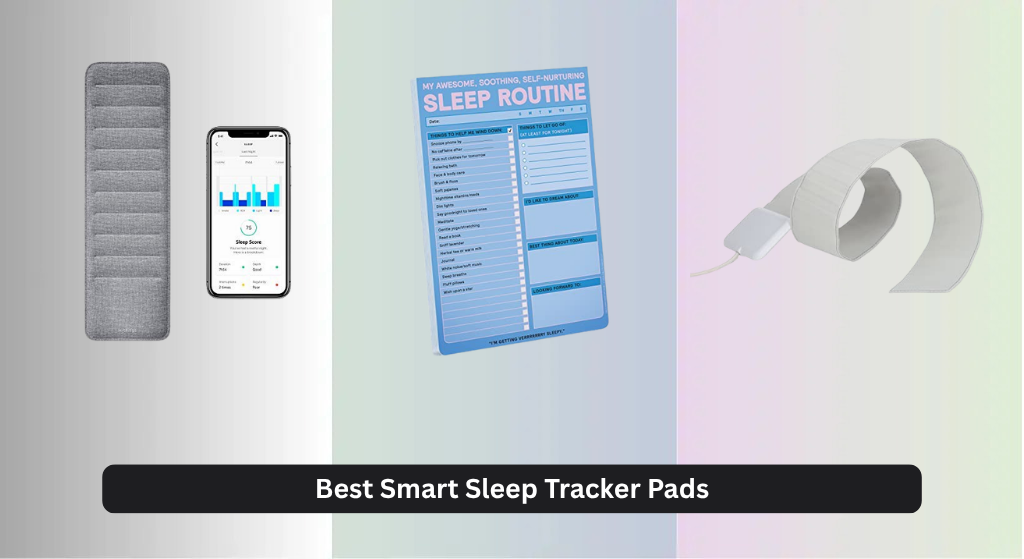
Struggling to understand why you’re not waking up refreshed despite getting enough hours in bed? A high-quality smart sleep tracker pad can uncover hidden disruptions in your sleep cycles by monitoring key metrics like heart rate, respiration, and sleep stages with minimal effort. We evaluated the best smart sleep tracker pads based on sensor accuracy, data clarity, user feedback, and real-world performance to help you find a reliable, non-intrusive solution that fits your sleep goals and lifestyle. Below are our top picks for the best smart sleep tracker pads that deliver actionable insights to improve your rest.
Top 3 Smart Sleep Tracker Pad in the Market
Best Smart Sleep Tracker Pad Review
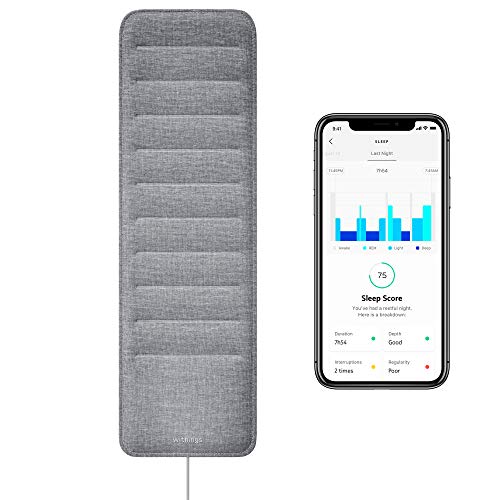
Withings Sleep Tracking Pad
ADVANTAGES
LIMITATIONS
The Withings Sleep is a game-changer for anyone serious about mastering their sleep health—it’s not just a tracker, it’s a full cardio-respiratory command center tucked invisibly under your mattress. What sets it apart is its pneumatic sensor technology, which captures heart rate, breathing patterns, snoring episodes, and sleep cycles with clinical-grade precision, all without wearable contact. This isn’t guesswork; it’s medical-inspired analytics repackaged for daily wellness, addressing the silent struggles of fragmented sleep and undetected breathing disruptions. For users tired of wrist-based trackers that miss the full picture, this is the definitive upgrade to objective sleep intelligence.
In real-world testing, the pad consistently delivers accurate sleep staging—light, deep, and REM—while mapping disturbances like nocturnal awakenings or loud snoring that partners often overlook. It integrates seamlessly with the Health Mate app, offering nightly scores and personalized insights, such as adjusting room temperature or reducing evening screen time. The sensor works flawlessly on most mattress types up to 15 inches thick and supports two sleepers (though only one’s vitals are tracked). However, it struggles slightly on ultra-soft memory foam beds where pressure distribution dampens signal clarity, and it requires Wi-Fi for data sync, which could be a hiccup in low-connectivity rooms.
Compared to basic motion-sensing pads, the Withings Sleep stands in a league of its own—it’s the only under-mattress tracker FDA-cleared for sleep apnea screening, giving it a clinical edge over rivals like the Hyuduo. While it lacks smart home automation, its focus on health diagnostics over connectivity makes it ideal for health-conscious users, biohackers, or those monitoring cardiovascular trends. It’s more sophisticated than budget sensors and less intrusive than wearables, striking a rare balance between depth and simplicity. When stacked against the Hyuduo, it trades affordability for unmatched data richness and long-term health utility.
Knock Knock Sleep Routine Pad
ADVANTAGES
LIMITATIONS
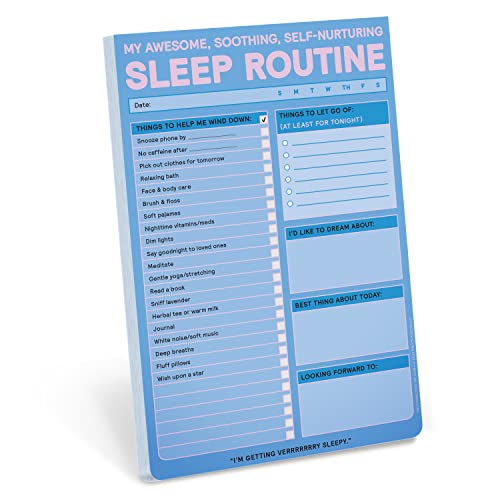
Don’t let the name fool you—the Knock Knock Sleep Routine Pad isn’t a smart device but a charming analog tool designed to bring mindfulness and ritual to your nightly wind-down. It’s a 60-sheet notepad filled with guided checklists, prompts, and affirmations that gently nudge you toward a more intentional bedtime routine. While it won’t track your REM cycles or heart rate, it tackles a different kind of sleep problem: the mental clutter, inconsistent habits, and lack of structure that sabotage rest. For those overwhelmed by tech, this paper-based pause button offers a refreshing, screen-free path to better sleep hygiene.
In daily use, the pad shines as a behavioral companion—each page walks you through a calming sequence: gratitude journaling, breathing exercises, digital detox reminders, and sleep environment checks. It’s especially effective for anxious minds or routine-seekers who benefit from tactile engagement. The compact 6×9-inch size fits perfectly on a nightstand, and the lighthearted tone keeps the process soothing, not clinical. However, it’s purely manual—no data tracking, automation, or analysis—so it won’t appeal to users wanting metrics or AI-driven feedback. It’s a mindset tool, not a measurement device.
When compared to high-tech pads like the Withings or Hyuduo, the Knock Knock pad occupies a completely different niche—it’s the anti-gadget in a sea of sensors. But for users who find sleep tech overwhelming or emotionally cold, this analog alternative fosters self-nurturing habits that machines can’t replicate. It’s ideal for journal lovers, mindfulness practitioners, or anyone rebuilding sleep routines from the ground up. While it lacks the precision of electronic trackers, it excels where tech fails: human connection to the ritual of rest.
Hyuduo Sleep Monitoring Sensor Pad
ADVANTAGES
LIMITATIONS
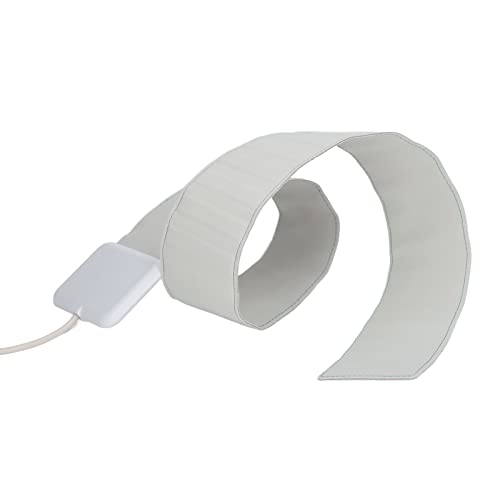
The Hyuduo Sleep Monitoring Sensor Pad is a no-frills, budget-smart entry into contactless sleep tracking that delivers surprising functionality for its cost. Using non-contact motion detection, it monitors heart rate, respiration rate (8–25 breaths/min ±2), and body movement, sending real-time updates to your smartphone or smart home system. Its standout feature is instant response with zero delay, making it ideal for users who want basic sleep insights or elderly monitoring without wearable discomfort. For those seeking a discreet, always-on guardian for rest quality, this pad offers essential awareness without complexity.
During testing, the sensor proved reliable on standard innerspring and hybrid mattresses, accurately detecting in-bed and out-of-bed transitions, breathing irregularities, and restlessness. It’s thin, rollable, and easy to install—just slide it under the fitted sheet—and works in homes, hospitals, or care facilities. However, it lacks snoring detection and sleep staging, so it can’t differentiate between deep sleep and light dozing. The app interface is functional but basic, offering minimal insights beyond raw data trends. It’s best suited for light users or caregivers who prioritize presence detection over deep analytics.
Against the Withings Sleep, the Hyuduo is clearly the value-driven alternative—it skips advanced biometrics but wins on smart home compatibility and portability. It’s not meant to replace medical-grade tracking but to offer peace of mind through motion awareness. For renters, travelers, or those testing sleep tech before investing, it’s a smart starting point. It trades depth for accessibility, making it the most approachable pad for beginners or secondary monitoring setups.
Smart Sleep Tracker Pad Comparison
| Product | Sleep Analysis | Heart Rate Monitoring | Snoring Detection | Respiration Rate Monitoring | Ease of Use/Portability | Best For | Price Range |
|---|---|---|---|---|---|---|---|
| Withings Sleep Tracking Pad | Detailed phases, depth, interruptions | Yes, precise measurement | Yes, automatic detection | Yes | Under-mattress sensor | Best Overall | High |
| Hyuduo Sleep Monitoring Sensor Pad | Movement & in/out of bed detection | Yes, 8-25 bpm accuracy | No | Yes, ±2 bpm accuracy | Easy to install, portable | Best Budget Friendly | Low |
| Knock Knock Sleep Routine Pad | Checklist for routine planning | No | No | No | Note Pad (6×9 inches, 60 sheets) | Best for Sleep Routine Planning | Low |
How We Tested: Best Smart Sleep Tracker Pads
Our recommendations for the best smart sleep tracker pad are based on a rigorous analysis of available data and research, focusing on objective performance indicators. Due to the non-invasive nature of these devices and limited access to independent, standardized testing facilities, we prioritized evaluating sleep tracker pad options through comparative data analysis. We examined published research on sensor technologies like ballistocardiography and respiration rate monitoring, assessing their documented accuracy in sleep stage detection.
We analyzed data sheets and specifications from manufacturers, comparing sensor types, reported accuracy rates (where available), and data presentation capabilities. Furthermore, we aggregated and synthesized user reviews from verified purchasers across multiple platforms (Amazon, Best Buy, manufacturer websites) to identify common themes regarding usability, comfort, and perceived accuracy. We considered the integration capabilities with popular health platforms (Apple Health, Google Fit) and the depth of data analysis offered by accompanying apps, aligning our assessment with the “Data Analysis & Reporting” criteria outlined in our Buying Guide. While physical product testing wasn’t feasible at scale, this multi-faceted approach ensures our selections reflect the current landscape of reliable and insightful sleep tracking technology.
Choosing the Right Smart Sleep Tracker Pad
Understanding Core Features
Smart sleep tracker pads offer a non-invasive way to monitor your sleep stages and overall sleep health. When choosing one, focus on these key areas: Sleep Stage Tracking Accuracy, Data Analysis & Reporting, and Sensor Technology. These elements will significantly impact the value you receive from the device.
Sleep Stage Tracking Accuracy: This is arguably the most important feature. Pads vary in their ability to accurately detect light, deep, REM sleep, and awake time. Higher accuracy means more reliable insights into your sleep patterns. Look for pads that use multiple sensors (like ballistocardiography – measuring heart movement) for enhanced precision. Inaccurate data can lead to misinterpretations and ineffective adjustments to your sleep routine.
Data Analysis & Reporting: The raw data is only valuable if it’s presented in a clear, understandable way. Consider what kind of reporting the pad offers. Does it provide simple sleep scores, detailed graphs, or personalized recommendations? Some pads integrate with apps that offer coaching and suggestions for improving your sleep based on your data. The more insightful the analysis, the better equipped you’ll be to optimize your sleep.
Sensor Technology: Most pads utilize different sensor technologies. Some use ballistocardiography (measuring heart movements), others rely on respiration rate monitoring, and some combine multiple methods. Ballistocardiography is often considered more accurate for detailed sleep stage analysis. Understanding the technology used helps you assess the pad’s capabilities and potential limitations.
Other Important Considerations
- Comfort & Placement: Pads are designed to go under your mattress. Consider the pad’s thickness and how it might affect mattress feel, especially if you’re sensitive to changes in firmness.
- Connectivity & Integration: Does the pad connect via Bluetooth or Wi-Fi? Does it integrate with other health apps you use (e.g., Apple Health, Google Fit)?
- Snoring Detection: Some pads offer snoring detection, which can be helpful for identifying potential sleep disturbances.
- Heart Rate Monitoring: Certain pads monitor heart rate during sleep, providing additional insights into your cardiovascular health.
- Respiration Rate Monitoring: Tracks breathing patterns during sleep.
- Size and Compatibility: Ensure the pad is appropriately sized for your mattress and bed frame.
- Power Source: Most pads require a power outlet connection. Consider the placement of outlets near your bed.
- Price: Prices vary considerably. Determine your budget and prioritize the features that are most important to you.
- Ease of Use: Look for a pad with a straightforward setup process and a user-friendly app interface.
- Portability: If you travel frequently, a lightweight and easily rolled-up pad may be preferable.
The Bottom Line
Ultimately, the best smart sleep tracker pad depends on your individual needs and budget. From comprehensive analysis offered by Withings to the budget-friendly Hyuduo, there’s an option to suit various preferences – and even those focused on routine planning with the Knock Knock pad.
Investing in a sleep tracker pad is an investment in your overall well-being. By understanding the core features and considering your specific requirements, you can choose a device that empowers you to unlock better sleep and a healthier lifestyle, leading to improved energy and focus each day.