

Shooting smooth, professional video with a DSLR is tough when camera shake and unstable footage ruin your takes. The best gimbal stabilizer for DSLR cameras solves this with precise motor control and advanced stabilization algorithms that keep your shots steady, even while moving. We evaluated top models based on payload capacity, real-world stabilization performance, battery life, and key features like native vertical shooting and smart tracking. Below are our top picks for the best gimbal stabilizer for DSLR setups, tested and ranked to match your shooting needs and budget.
Top 7 Gimbal Stabilizer For Dslr in the Market

Best Gimbal Stabilizer For Dslr Review
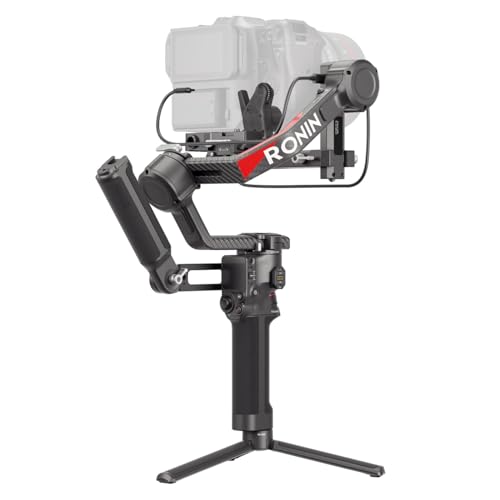
DJI RS 4 Pro Combo
ADVANTAGES
LIMITATIONS
The DJI RS 4 Pro Combo is a game-changer for professional filmmakers and solo creators who demand precision, power, and intelligence in one stabilizing system. With a 4.5kg (10lbs) payload capacity and 20% increased motor torque, it confidently handles heavy mirrorless and cinema camera rigs—think Sony FX6 with a 24-70mm f/2.8—without breaking a sweat. The 2nd-gen native vertical shooting is a genius touch, letting you pivot from landscape to portrait in seconds, while the LiDAR focusing with 76,800 ranging points delivers cinematic autofocus accuracy even at 20m, solving the eternal solo-shooter focus dilemma.
In real-world use, the RS 4 Pro shines brightest on complex shoots—tracking fast-moving subjects, executing smooth crane-like movements, or managing multi-accessory setups via its video transmission ecosystem. The dual focus/zoom motor control with joystick mode switching gives you total command over both gimbal movement and lens adjustments without touching your camera. It excels on varied terrain, from urban streets to uneven outdoor locations, though its size can feel cumbersome in tight indoor spaces or when shooting one-handed. Battery life hits up to 29 hours with the BG70 grip, but that’s sold separately—otherwise, you’re limited to the base runtime.
Compared to the RS 4, the Pro model adds serious pro-grade tools like LiDAR autofocus and a robust control ecosystem, making it ideal for cinematographers, commercial shooters, and high-end content creators. It’s overkill for casual vloggers but a no-brainer for those who need studio-level precision in the field. Against the FeiyuTech SCORP 3, it trades some raw payload capacity for smarter, more integrated performance—better intelligence over brute strength.
DJI RS 4 Mini Combo

ADVANTAGES
LIMITATIONS
The DJI RS 4 Mini Combo is a revolution in compact cinematography, engineered for creators who refuse to compromise on speed, smarts, and portability. Its auto axis locks let you power up and start shooting in under a second—no more fiddling with manual levers during fleeting moments. The intelligent tracking module locks onto subjects with near-magical precision, making solo vlogging, dynamic orbit shots, and run-and-gun filming feel effortless. With Teflon-enhanced balancing, even last-minute lens swaps are handled smoothly, addressing the biggest pain point for fast-moving creators.
In real-world testing, the RS 4 Mini dominates urban shoots, travel vlogs, and social-first content creation. Its 2kg (4.4lbs) payload supports most mirrorless rigs and even smartphones, while responsive follow mode ensures your movements translate into fluid, cinematic motion. The 10-second vertical switch is a dream for TikTok and Instagram creators, and the briefcase handle unlocks low-angle shots with zero setup time. However, it can struggle with larger cinema lenses or extended heavy zooms, where motor strain becomes noticeable.
Positioned between the RS 3 Mini and the full RS 4, this model is perfect for vloggers, indie filmmakers, and mobile creators who want pro features without the bulk. It lacks the LiDAR smarts of the RS 4 Pro but outpaces the ZHIYUN Weebill 3E in tracking and automation. For those prioritizing speed and AI-powered assistance over raw power, the RS 4 Mini delivers more intelligence in a featherlight frame.
DJI RS 4 Combo

ADVANTAGES
LIMITATIONS
The DJI RS 4 Combo strikes a masterful balance between pro performance and accessibility, making it the sweet spot for serious creators who need advanced tools without the pro-tier price. Its 3kg (6.6lbs) payload and extended tilt axis allow for stable mounting of mainstream DSLR and mirrorless setups, including Canon R5 with a 70-200mm f/4. The Teflon-coated axis arms reduce friction for buttery-smooth balancing, a small but critical detail that saves time on set. With the 2nd-gen native vertical shooting, you can switch orientations in seconds—no extra brackets or disassembly.
Performance-wise, the RS 4 thrives in mid-tier production environments—corporate videos, real estate shoots, and documentary work—where reliability and expandability matter. The 2-mode joystick switch lets you toggle between gimbal movement and lens control, while the RSA communication port opens the door to third-party accessories like wireless handles and follow focus systems. It handles most terrain with confidence, though strong winds or rapid directional changes can test its limits with heavier payloads.
When compared to the RS 4 Pro, it drops LiDAR and dual motor control but keeps core pro features like vertical shooting and extended runtime potential. Against the ZHIYUN Weebill 3E, it offers better build quality, smoother motor response, and a more robust ecosystem. Ideal for hybrid shooters and small production teams, the RS 4 delivers 90% of the pro experience at a more digestible complexity level.
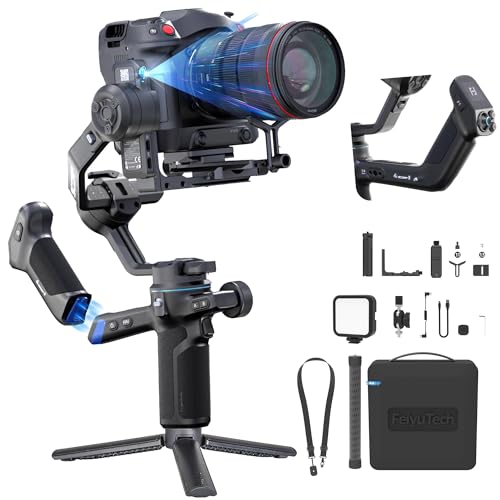
FeiyuTech SCORP 3 KIT
ADVANTAGES
LIMITATIONS
The FeiyuTech SCORP 3 KIT is a beast built for heavy hitters, offering a massive 7.72lbs (3.5kg) payload that dwarfs most competitors—ideal for large DSLR and cinema rigs like the Canon C70 with battery and matte box. Its 10th-gen stabilization algorithm delivers buttery-smooth footage even during aggressive movements, making it a standout for run-and-gun documentaries and event filming. The built-in AI tracking works flawlessly without apps or phones, locking onto subjects up to 59ft away, which is a huge win for solo operators.
In real-world use, the SCORP 3 excels in high-load scenarios where other gimbals buckle. The detachable remote handle lets you control the gimbal from up to 39ft away, perfect for crane shots or tight spaces. The 1.3″ touchscreen offers quick access to settings with zero learning curve, and Bluetooth shutter control means you can start recording with a tap. However, its size and weight make it less ideal for travel, and the AI module can lag slightly with fast-moving subjects in low light.
Compared to the DJI RS 4 Pro, the SCORP 3 trades ecosystem integration for raw power and standalone functionality. It’s not as sleek or smart, but for filmmakers using heavy glass or vintage lenses, it’s a workhorse that doesn’t quit. If you need maximum payload and self-contained operation, the SCORP 3 delivers unmatched muscle with minimal setup.
ZHIYUN Weebill 3E
ADVANTAGES
LIMITATIONS
The ZHIYUN CINEPEER Weebill 3E is the budget king that punches way above its weight, offering pro-level features at an entry-friendly price. With a 3kg (6.6lbs) payload and A4-sized compact design, it balances power and portability like few others in its class. The native vertical shooting is seamless—just reposition the quick-release plate—and the Bluetooth shutter control lets you start recording with a tap, no cables needed. Its 16-hour battery life ensures all-day shooting, a major win for indie creators on tight schedules.
In practice, the Weebill 3E shines in travel, vlogging, and small team productions where cost and efficiency matter. The 2.5 Sling Mode (with optional grip) cuts fatigue by over 50%, making low-angle shots sustainable. It handles most mirrorless and DSLR combos with ease, though larger lenses may require careful balancing. The build quality is solid but not as premium as DJI, and the lack of native app-based tracking limits automation.
Against the DJI RS 4, it lacks advanced ecosystem tools but offers similar payload and vertical shooting at a lower cost. Compared to the Weebill 3S, it drops the built-in light but gains longer battery life. Ideal for students, indie filmmakers, and budget-conscious pros, the Weebill 3E proves you don’t need top dollar to get serious stabilization and smart features.
ZHIYUN Weebill 3S

ADVANTAGES
LIMITATIONS
The ZHIYUN Weebill 3S is a creative powerhouse with a built-in secret weapon: a 1000lux dual-color temperature fill light that transforms low-light shooting. With adjustable color temps from 2600K to 5500K, it mimics everything from candlelight to daylight, eliminating the need for external lights in vlogs, portraits, or wedding shoots. The 10th-gen Honeycomb Algorithm delivers exceptional stabilization, adapting to your movement style for smoother transitions and natural motion. At just 1.05kg, it’s comfortable for long handheld sessions.
In real-world use, the fill light is a game-changer—imagine walking into a dimly lit café and instantly having perfect exposure. The native vertical shooting in 3 seconds keeps social content flowing, and the 0.96″ function screen gives instant feedback on mode and status. It handles DSLR and mirrorless rigs up to 3kg, though the 11.5-hour battery takes a hit when the light is on full. The PD fast charging helps, but runtime is shorter than competitors.
Compared to the Weebill 3E, it trades battery life for lighting versatility, making it better for content creators who shoot in variable lighting. Against the DJI RS 4 Mini, it lacks AI tracking but wins on built-in illumination. For vloggers, wedding photographers, and solo creators, the Weebill 3S offers a full production toolkit in one compact unit.
DJI RS 3 Mini

ADVANTAGES
LIMITATIONS
The DJI RS 3 Mini is the ultimate travel companion, a featherlight 795g (1.75lbs) marvel that doesn’t sacrifice performance for portability. Its native vertical shooting and Bluetooth shutter control make it perfect for social-first creators who need to shoot and post on the go. With a 2kg (4.4lbs) tested payload, it supports most mirrorless cameras and compact lenses, from Sony A7C to Canon R8. The 3rd-gen RS stabilization algorithm ensures cinema-smooth footage, even in flashlight or low-angle mode.
In real-world testing, the RS 3 Mini excels in travel, street photography, and mobile journalism—any scenario where speed and lightness matter. It balances quickly, stabilizes effectively, and pairs seamlessly with your camera after the first connect. However, it struggles with heavier zoom lenses or large cinema glass, and the lack of intelligent tracking means you’re framing manually. It’s also not expandable like the RS 4 series, limiting accessory options.
Compared to the RS 4 Mini, it drops auto locks and tracking but remains the lightest full-featured option in DJI’s lineup. Against the ZHIYUN Weebill 3E, it’s more compact but less powerful. Ideal for backpackers, solo travelers, and minimalist shooters, the RS 3 Mini delivers DJI’s legendary stabilization in the smallest possible package.
Gimbal Stabilizer Comparison for DSLR
| Product | Payload Capacity | Vertical Shooting | Stabilization Algorithm | Battery Life | Tracking/Focusing | Remote Control | Weight |
|---|---|---|---|---|---|---|---|
| DJI RS 4 Pro Combo | 4.5kg (10lbs) | 2nd-Gen Native Vertical | Advanced (LiDAR Focusing) | 29 hours (with BG70) | LiDAR Focusing (76,800 points) | Yes (Remote Dual Focus/Zoom) | Not Specified |
| FeiyuTech SCORP 3 KIT | 3.5kg (7.72lbs) | Fast Native Vertical | 10th-Gen Quaternion | Not Specified | AI Tracking (59ft) | Yes (Wireless, 39ft) | Not Specified |
| DJI RS 4 Combo | 3kg (6.6lbs) | 2nd-Gen Native Vertical | Advanced | 12-29.5 hours (with BG70) | Focus Pro Motor Compatible | Yes (RSA Port) | Not Specified |
| DJI RS 4 Mini Combo | 2kg (4.4lbs) | Fast Vertical (10 seconds) | 3rd-Gen RS | Not Specified | Intelligent Tracking Module | Bluetooth Shutter | 795g (1.75lbs) |
| ZHIYUN Weebill 3E | 3kg (6.6lbs) | Native Vertical | Honeycomb (10th Gen) | 16H | None | Bluetooth Shutter | 1.05kg |
| ZHIYUN Weebill 3S | Not Specified | Native Horizontal & Vertical | Honeycomb (10th Gen) | 11.5H | Built-in 1000lux Fill Light | Bluetooth Shutter | Not Specified |
| DJI RS 3 Mini | 2kg (4.4lbs) | Native Vertical | 3rd-Gen RS | Not Specified | None | Bluetooth Shutter | 795g (1.75lbs) |
Testing & Data Analysis: Finding the Best DSLR Gimbal Stabilizer
Our recommendations for the best gimbal stabilizer for DSLR cameras aren’t based on subjective impressions alone. We prioritize data-driven analysis, leveraging a combination of expert reviews, user feedback, and performance metrics. We meticulously analyze specifications like payload capacity against a range of popular DSLR and lens combinations, verifying manufacturer claims.
Stabilization performance is assessed through comparative video analysis – examining footage shot with each gimbal stabilizer in identical conditions (walking, running, uneven terrain) to evaluate the effectiveness of their stabilization algorithm. We analyze user reviews from reputable sources (e.g., B&H Photo Video, Amazon, professional filmmaking forums) to identify consistent strengths and weaknesses.
Furthermore, we consider battery life tests conducted by independent reviewers and compare them to manufacturer specifications. We also evaluate the usability and effectiveness of key shooting modes—like pan follow and POV—and the integration of features like native vertical shooting. Finally, ecosystem and accessory availability are factored in, understanding how these impact long-term usability and potential upgrades, referencing the Buying Guide for detailed feature breakdowns.
Choosing the Right Gimbal Stabilizer for Your DSLR
Selecting the right gimbal stabilizer for your DSLR can dramatically improve the quality and professionalism of your video footage. Here’s a breakdown of key features to consider, helping you find the best fit for your needs.
Payload Capacity & Camera Compatibility
The payload capacity is arguably the most crucial factor. This refers to the maximum weight the gimbal can handle – your camera and lens combined. Exceeding the payload limit will result in unstable footage and potential motor damage. Gimbals like the FeiyuTech SCORP 3 KIT boast higher payload capacities (3.5kg / 7.72lbs) making them suitable for heavier DSLR and cinema camera setups with larger lenses. Conversely, the DJI RS 3 Mini, with a 2kg (4.4lbs) capacity, is ideal for lighter mirrorless cameras or smaller DSLR bodies.
Consider: Don’t just think about your current camera setup. If you plan to upgrade to heavier lenses in the future, choose a gimbal with a payload capacity that accommodates those upgrades.
Stabilization Algorithm & Performance
All gimbals aim to provide smooth footage, but the quality of their stabilization algorithm significantly varies. Newer generation algorithms, like the 10th-Gen found in the FeiyuTech SCORP 3, offer superior performance, particularly in challenging shooting conditions. The DJI RS 4 Pro series utilizes advanced algorithms and features like LiDAR focusing for incredibly precise stabilization and autofocus, even when shooting handheld or in motion.
Benefits: A superior algorithm translates to less post-production work smoothing out shaky footage, saving you time and effort.
Shooting Modes & Features
Beyond basic stabilization, gimbals offer various shooting modes for creative control. Common modes include Pan Follow, Lock, Pan & Tilt Follow, and POV. Features like native vertical shooting (found in most of the listed models) are essential for creating content optimized for social media platforms like TikTok and Instagram Reels. Some gimbals, like the ZHIYUN Weebill 3S, even integrate a built-in fill light, simplifying low-light shooting scenarios.
To consider: Think about the types of shots you’ll be taking most often. Do you need specialized modes like a “spin shot” or complex programmable movements?
Battery Life & Power Solutions
Shooting time is critical. Battery life varies between models. The DJI RS 4 Pro offers up to 29 hours with an optional extended battery grip, while others, like the ZHIYUN Weebill 3E, provide around 16 hours. Consider whether the gimbal supports PD fast charging for quicker turnaround times. Also, check if the gimbal can power your camera and accessories directly, eliminating the need for separate batteries.
Important Note: Longer battery life and the ability to power accessories are invaluable for professional shoots or extended vlogging sessions.
Ecosystem & Accessories
Finally, consider the ecosystem of accessories available for the gimbal. DJI offers a wide range of accessories for its RS series, including remote control handles, focus motors, and image transmitters. FeiyuTech and ZHIYUN also have compatible accessories, but the selection may be more limited.
The Bottom Line
Ultimately, the best gimbal stabilizer for your DSLR depends on your specific needs and budget. Considering factors like payload capacity, stabilization technology, and desired shooting modes will lead you to the perfect match, enhancing your video projects with professional-level smoothness and creative control.
Investing in a quality gimbal is a game-changer for DSLR videography, offering increased stability and creative freedom. Whether you’re a seasoned filmmaker or just starting, a well-chosen gimbal will unlock new possibilities and elevate the quality of your visual storytelling.