



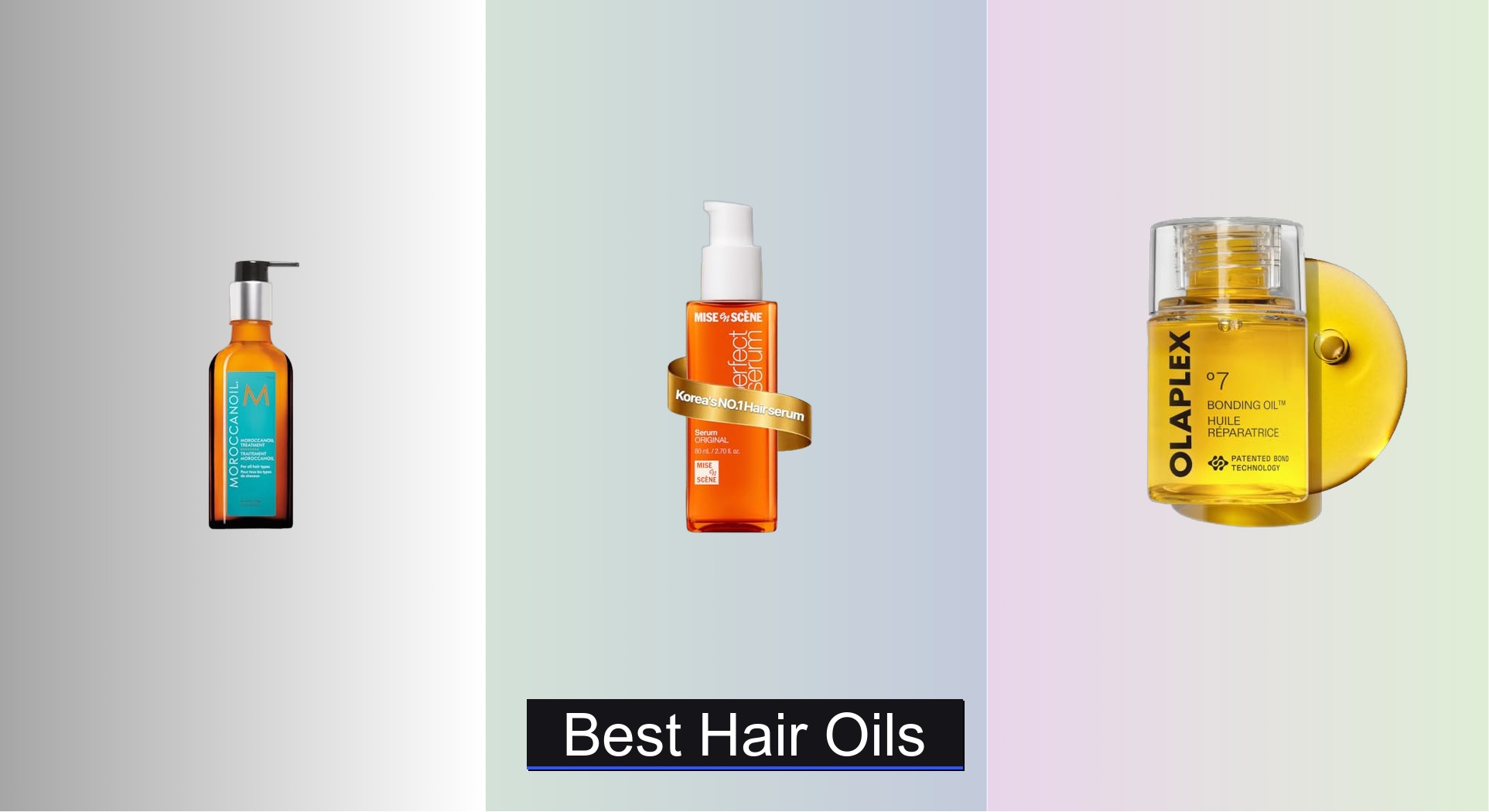
Many people struggle with dry, frizzy, or damaged hair that lacks shine and feels difficult to manage despite regular conditioning. The right hair oil can transform your routine by deeply nourishing strands, sealing in moisture, and protecting against heat and environmental damage—especially formulas with proven ingredients like argan, jojoba, or rosemary oil. We evaluated the best hair oils based on ingredient quality, hair type compatibility, performance, and real user reviews, prioritizing products with scientific backing and noticeable results. Below are our top picks for every hair concern, from scalp health to heat protection and curl definition.
Top 9 Hair Oils in the Market

Best Hair Oils Review
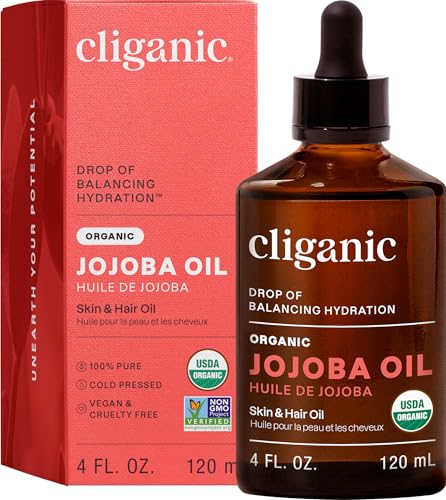
Cliganic Organic Jojoba Oil
ADVANTAGES
LIMITATIONS
This pure, single-ingredient powerhouse delivers exactly what it promises: unadulterated, USDA-certified organic jojoba oil that mirrors the skin’s natural sebum. Its fast-absorbing, non-greasy texture makes it a standout for both facial and scalp hydration, especially for those battling dryness or sensitivity. As a multipurpose carrier oil, it excels in DIY blends, offering a clean base that enhances essential oil performance without clogging pores or irritating skin.
In real-world use, the 4oz bottle offers generous value, ideal for daily scalp massages, cuticle care, or as a lightweight hair sealant for curly textures. It performs exceptionally well on dry scalps and brittle nails, absorbing quickly without residue—perfect for minimalist routines. While it doesn’t directly stimulate growth like active treatments, its nourishing foundation supports overall hair and skin health. The only caveat? Its simplicity means it lacks added actives like biotin or essential oils found in specialized blends.
Compared to more complex formulas like Botanic Hearth or Mielle, Cliganic stands out for purity over potency—ideal for users seeking a no-frills, chemical-free base oil. It’s the top pick for organic purists and sensitive skin types, outperforming blends that risk irritation from added fragrances or botanicals. While others offer targeted benefits, none match its clean integrity and versatility at this price point.
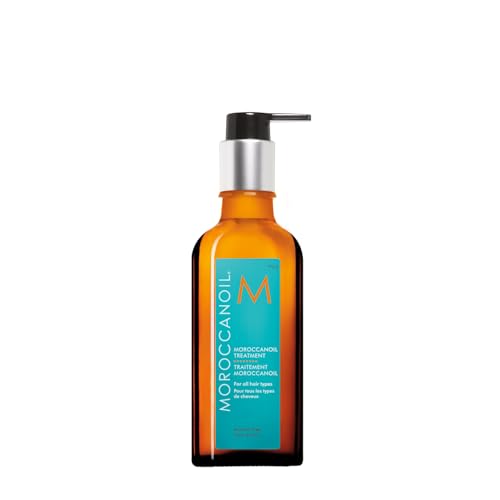
Moroccanoil Treatment Hair Oil 3.4oz
ADVANTAGES
LIMITATIONS
The instant luminosity this oil delivers is nothing short of transformative—hair looks healthier, smoother, and visibly revitalized within seconds of application. Infused with antioxidant-rich argan oil, it tackles frizz and flyaways with surgical precision, while boosting shine by up to 118% in clinical tests. For users with medium to thick, curly, or chemically treated hair, it’s a game-changer in taming unruly textures and adding a salon-grade finish.
In daily use, just one or two pumps distribute evenly from mid-lengths to ends, delivering weightless conditioning without greasiness. It doubles as a pre-styling heat protectant and post-dry finishing touch, maintaining integrity even in high humidity. While it performs beautifully on dry hair, it can feel slightly heavy when applied to roots or fine strands. It doesn’t deeply repair damage but creates a protective, glossy shield that lasts through washes.
Stacked against Olaplex No.7, Moroccanoil wins on immediate aesthetic impact, though it lacks the bond-repair science behind Olaplex’s formula. It’s best suited for style-focused users who prioritize shine and smoothness over structural repair. For the investment, it delivers luxury performance that outshines most mid-tier serums in sensory experience and consistency.
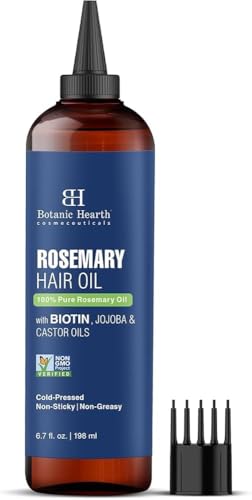
Botanic Hearth Rosemary Oil
ADVANTAGES
LIMITATIONS
This follicle-fortifying blend is engineered for one mission: stimulating thicker, faster-growing hair with a potent mix of rosemary, biotin, castor, and jojoba oils. Cold-pressed and packed with circulation-boosting rosemary essential oil, it targets the root causes of thinning—weak follicles, breakage, and scalp inflammation. For users noticing shedding or lackluster growth, this oil delivers a targeted, natural alternative to clinical serums.
Applied nightly, it absorbs well into the scalp, leaving minimal residue while providing deep hydration that improves hair texture over weeks. The 6.7oz size is generous, allowing for consistent use in scalp massages or as a pre-wash treatment. It’s especially effective for dry, flaky scalps, reducing dandruff symptoms thanks to rosemary’s anti-inflammatory properties. However, those with oily scalps may need to monitor frequency to avoid buildup.
When compared to Mielle’s Rosemary Mint, Botanic Hearth offers greater volume at a lower cost per ounce, though with a less complex essential oil profile. It’s the best value for growth-focused users who want a high-capacity, no-nonsense treatment. While not as lightweight as serums, its thickening results and scalp nourishment justify its place in long-term hair health routines.
Difeel Rosemary and Mint Oil
ADVANTAGES
LIMITATIONS
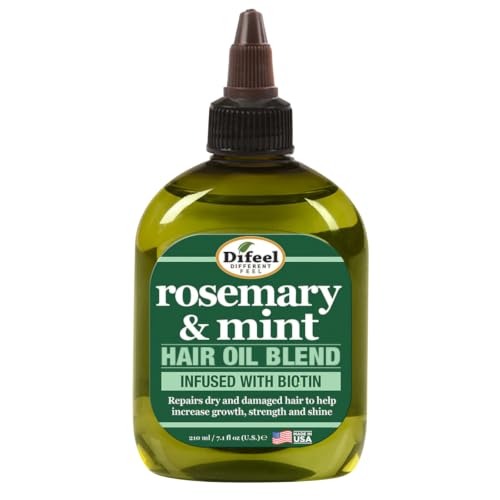
With a refreshing minty tingle and generous 7.1oz format, Difeel delivers maximum value without sacrificing performance. This lightweight blend of rosemary, mint, and biotin is designed to revitalize dull, damaged hair while nourishing the scalp with a cooling sensation that feels like a mini spa treatment. Its non-greasy formula spreads easily, making it ideal for daily use across all hair types—even fine or oily textures.
Real-world testing shows it improves manageability and shine within days, softening dry strands and reducing frizz without weighing hair down. Used as a hot oil treatment or overnight scalp soak, it enhances moisture retention and strengthens brittle ends. While the scent is invigorating, it doesn’t linger as long as premium options. It lacks the deep repair tech of Olaplex or the cult status of Moroccanoil, but it compensates with sheer volume and accessibility.
For budget-conscious users who want a large, multitasking oil that supports growth and shine, Difeel outperforms most in its class. It’s a smarter buy than smaller, pricier blends when frequency and coverage matter—like for thick, long, or tightly coiled hair. While not the most luxurious, it offers practical, no-waste performance that stretches every drop.
L’Oréal Paris Extraordinary Oil
ADVANTAGES
LIMITATIONS
Don’t let the affordable tag fool you—this 6-flower oil elixir punches far above its weight, delivering a silky, sumptuous finish that belies its budget status. With a weightless formula that glides on without greasiness, it instantly tames flyaways and imparts up to 6x more shine, making it a go-to for quick fixes before meetings or nights out. Its heat protection up to 230°C adds functional value, shielding hair during styling.
Just 3–4 drops smooth over wet or dry hair, absorbing quickly to nourish without residue—ideal for fine or straight textures that fear oil overload. It works beautifully as a pre-shampoo treatment or daily refresher, enhancing softness and reducing static. While it doesn’t repair bonds like Olaplex or thicken like biotin oils, it excels in surface-level transformation, giving hair a healthy illusion even when damaged.
Compared to Moroccanoil, it’s less rich but more accessible and practical for daily use. It’s the best entry-level serum for teens, students, or anyone wanting salon-like shine without commitment. For the cost-to-performance ratio, it outshines many premium options in basic conditioning and finish.
Olaplex N°.7 Bonding Hair Oil
ADVANTAGES
LIMITATIONS
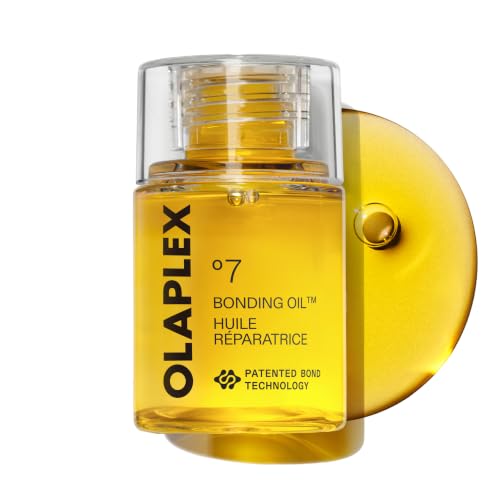
This bond-rebuilding marvel redefines what a hair oil can do—going beyond shine to repair and protect at the molecular level. Powered by Olaplex’s patented bond-building technology, it reduces breakage by 77% and delivers 125% more shine in clinical tests, making it a must-have for chemically damaged, bleached, or heat-stressed hair. Just 2–3 drops create a weightless, high-gloss finish that lasts for days.
In real use, it shines as a pre-styling protector and overnight healer, forming a resilient barrier against flat irons and blow dryers up to 450°F. It smooths frizz, boosts color vibrancy, and improves elasticity—critical for those with fragile, over-processed strands. Unlike traditional oils that sit on the surface, Olaplex penetrates the cortex, reinforcing weak spots. The only downside? The 30mL size runs out quickly with regular use.
Pitted against Moroccanoil, Olaplex trades immediate glamour for long-term health, making it ideal for damage reversal rather than daily polish. It’s the top choice for bleached or curly hair needing structural support. While pricier than most, its clinical results and repair power justify the investment for compromised hair.
Carol’s Daughter Goddess Oil

ADVANTAGES
LIMITATIONS
Crafted for coils, curls, and protective styles, this 7-oil symphony delivers deep moisture without weighing down voluminous textures. The blend of castor, coconut, jojoba, and black cumin seed oils works in harmony to fortify fragile curls and prevent breakage, delivering 15x stronger hair in one use when paired with the full system. Its targeted tip applicator makes scalp saturation precise and mess-free.
In practice, it excels as a daily scalp tonic, keeping dry, itchy scalps soothed and hydrated—critical for Type 4 hair. It strengthens edges and promotes growth with consistent use, absorbing well without greasy buildup. The scent is warm and herbal, lingering subtly. While effective for all types, it truly shines on thick, coily, or transitioning hair that craves intense nourishment.
Compared to Mielle, it offers similar scalp benefits but with broader curl support. It’s the best for curly hair seeking strength and definition without compromise. While not as lightweight as serums, its textural compatibility and heritage authenticity make it a cult favorite.
Mielle Rosemary Mint Hair Oil

ADVANTAGES
LIMITATIONS
This award-winning scalp elixir is a targeted treatment for scalp health, blending rosemary, biotin, and peppermint to invigorate circulation and combat dryness and flaking. Its intensive, nutrient-rich formula penetrates deep into the scalp, making it ideal for those battling dandruff, thinning, or post-protective style recovery. The tingling sensation from mint oils signals active stimulation, encouraging follicle vitality.
Used weekly as a pre-wash treatment, it softens buildup and conditions roots, reducing breakage over time. The 2oz size is travel-friendly, though heavy users may wish for more. It doubles as a split-end sealer and overnight mask, though its primary strength lies in scalp rejuvenation. While it supports growth indirectly, results require patience and consistency.
Versus Botanic Hearth, Mielle offers a more complex essential oil blend with tea tree and peppermint, enhancing scalp clarity. It’s the best for scalp health, especially for natural and textured hair needing deep, restorative care. Though smaller in volume, its high concentration and stylist approval make it a powerhouse.
Mise En Scene Perfect Serum

ADVANTAGES
LIMITATIONS
Boasting 11 years as Korea’s #1 serum, this 7-oil fusion lives up to the hype with a fruity-floral fragrance and intense heat defense up to 446°F—the highest in the lineup. Formulated with Golden Moroccan argan and marula oils, it creates a protective, glossy shield that resists frizz, dryness, and thermal damage, making it ideal for frequent stylers.
In testing, it delivers long-lasting hydration and shine, noticeably reducing split ends and roughness after just one use. The formula is clean—free from alcohol, parabens, and formaldehyde—making it safe for color-treated or sensitive hair. It layers beautifully under other products and works on all textures. However, the scent, while pleasant, may be too strong for fragrance-sensitive users.
Compared to Olaplex, it offers superior heat protection at a lower price, though without bond-repair benefits. It’s the best heat protection oil, perfect for those who flat iron or curl daily. For K-beauty lovers and heat stylers, it’s a high-performance, damage-preventing essential.
Hair Oil Comparison Table
| Product | Best For | Key Features | Heat Protection (Up To) | Hair Types | Organic/Natural? | Size/Value |
|---|---|---|---|---|---|---|
| Moroccanoil Treatment | Best Overall | Boosts shine, conditions, smooths frizz, argan oil rich | N/A | Medium to Thick, Curly | No | 3.4oz |
| Mise En Scene Perfect Serum | Best Heat Protection | 7 natural oils, 446°F heat protection, long-lasting hydration | 446°F | All | Yes (natural oils) | N/A |
| Olaplex N°.7 Bonding Oil | Best for Damaged Hair | Boosts shine, strengthens, controls frizz, 450°F heat protection | 450°F | All | No | N/A |
| L’Oréal Paris Extraordinary Oil | Best Budget Serum | 6 flower oil extracts, weightless, heat protection | 230°C | All | No | N/A |
| Cliganic Organic Jojoba Oil | Best Organic Oil | USDA Organic Certified, 100% Pure, multipurpose | N/A | All skin & hair types | Yes | N/A |
| Mielle Rosemary Mint Hair Oil | Best for Scalp Health | Rosemary, biotin, mint, castor, tea tree oils, supports scalp health | N/A | All | No | N/A |
| Botanic Hearth Rosemary Oil | Best for Hair Growth | Promotes thickening, fights dandruff, deep hydration | N/A | All | Yes (Organic Rosemary) | N/A |
| Difeel Rosemary and Mint Oil | Best Value Size | Rosemary & mint oils, biotin, moisturizes & adds shine | N/A | All | No | N/A |
| Carol’s Daughter Goddess Oil | Best for Curly Hair | 7 oil blend, hydrates, protects from breakage, strengthens hair | N/A | All (especially Curly) | No | N/A |
How We Evaluated the Best Hair Oils
Our recommendations for the best hair oils are based on a comprehensive analysis of product data, scientific research, and user feedback. We prioritize oils formulated with high-quality ingredients, focusing on those backed by dermatological studies regarding hair health benefits.
We analyzed ingredient lists, cross-referencing them with established research on oil penetration, molecular weight, and specific fatty acid profiles (like oleic, linoleic, and palmitic acids). This data informs how effectively each oil moisturizes, strengthens, and protects different hair types. We reviewed published studies on oils like argan, coconut, jojoba, and rosemary, assessing their impact on hair breakage, shine, and scalp health.
Comparative analyses were performed, evaluating oils based on features outlined in our Buying Guide – including oil composition, hair type compatibility, and heat protection capabilities. User reviews from reputable sources were also examined to gauge real-world performance and identify common trends in customer satisfaction. While physical product testing wasn’t feasible across all options, we leveraged detailed product specifications and ingredient analyses as proxies for evaluating potential efficacy. We also considered brand reputation and certifications (e.g., organic, cruelty-free) as indicators of quality and ethical sourcing.
Choosing the Right Hair Oil: A Buying Guide
Hair oils have become a staple in many hair care routines, offering a range of benefits from hydration and shine to scalp health and growth stimulation. But with so many options available, selecting the right one can feel overwhelming. Here’s a breakdown of key features to consider, helping you find the perfect oil for your hair needs.
Main Considerations: Oil Type & Hair Concerns
The most important factor is aligning the oil’s properties with your hair type and concerns. Different oils penetrate the hair shaft differently, offering varying levels of moisture and nourishment.
- Penetrating vs. Sealing Oils: Penetrating oils (like coconut oil or rosemary oil) are smaller in molecular size and can enter the hair shaft, providing deep hydration. These are fantastic for dry, damaged, or low-porosity hair needing intense moisture. Sealing oils (like argan, jojoba, or grapeseed oil) create a protective barrier on the hair, locking in moisture and adding shine. They’re ideal for preventing frizz, protecting from heat, and enhancing overall hair health.
- Addressing Specific Concerns: Identify your primary hair concern. Is it damage and breakage? Look for oils rich in bonding properties (like Olaplex N°.7) or strengthening nutrients (biotin in Mielle Rosemary Mint Oil). Is it scalp health? Rosemary and mint oils (like those in Botanic Hearth or Difeel) are often recommended to stimulate circulation and address dryness or flaking. For curly hair, oils like those in Carol’s Daughter’s Goddess Oil provide moisture and definition without weighing hair down.
Key Features to Evaluate
Oil Composition & Ingredients
Beyond the primary oil (argan, jojoba, coconut, etc.), pay attention to the blend of ingredients. Many oils incorporate other beneficial components like vitamins (Vitamin E), essential oils (peppermint, lavender), or carrier oils (apricot, marula). A diverse blend can address multiple concerns simultaneously. Look for oils with naturally derived ingredients, especially if you have sensitivities or prefer organic products (like Cliganic Organic Jojoba Oil).
Hair Type Compatibility
Not all oils are created equal for all hair types. Lightweight oils (grapeseed, almond) are generally best for fine or oily hair, while heavier oils (castor, coconut) are better suited for thick, coarse, or dry hair. If you have color-treated hair, consider oils that boost color vibrancy (like Olaplex N°.7). Some oils (like Moroccanoil Treatment) are specifically formulated for medium to thick or curly hair.
Heat Protection
If you frequently use heat styling tools, look for oils that offer heat protection (up to 450°F/232°C, as seen in Olaplex N°.7 and L’Oréal Paris Extraordinary Oil). This feature minimizes damage and keeps your hair healthy.
Scalp Benefits
For scalp health, consider oils that offer soothing, anti-inflammatory, or stimulating properties. Rosemary, mint, and tea tree oils are popular choices for promoting circulation and addressing dryness or flaking. Mielle Rosemary Mint Hair Oil is specifically designed to support scalp health and encourage hair growth.
Other Features
- Scent: Consider the fragrance. Some oils have a strong scent (rosemary, peppermint), while others are fragrance-free.
- Packaging: Look for packaging that protects the oil from light and air, preserving its potency.
- Value: Consider the size of the bottle and the price per ounce to determine the best value for your needs.
Final Thoughts
Ultimately, the best hair oil is the one that best suits your individual hair type and concerns. Whether you’re battling damage, seeking enhanced shine, or prioritizing scalp health, there’s an oil on the market designed to deliver noticeable improvements.
Don’t be afraid to experiment with different options to discover what works best for you, and remember to consider factors like oil composition, heat protection, and ingredient lists. By carefully evaluating your needs and the features of each product, you can unlock the secret to healthier, more beautiful hair.